
Nerve Plant Live – Fittonia albivenis Colorful Indoor Houseplant
Original price was: $46.99.$37.99Current price is: $37.99.
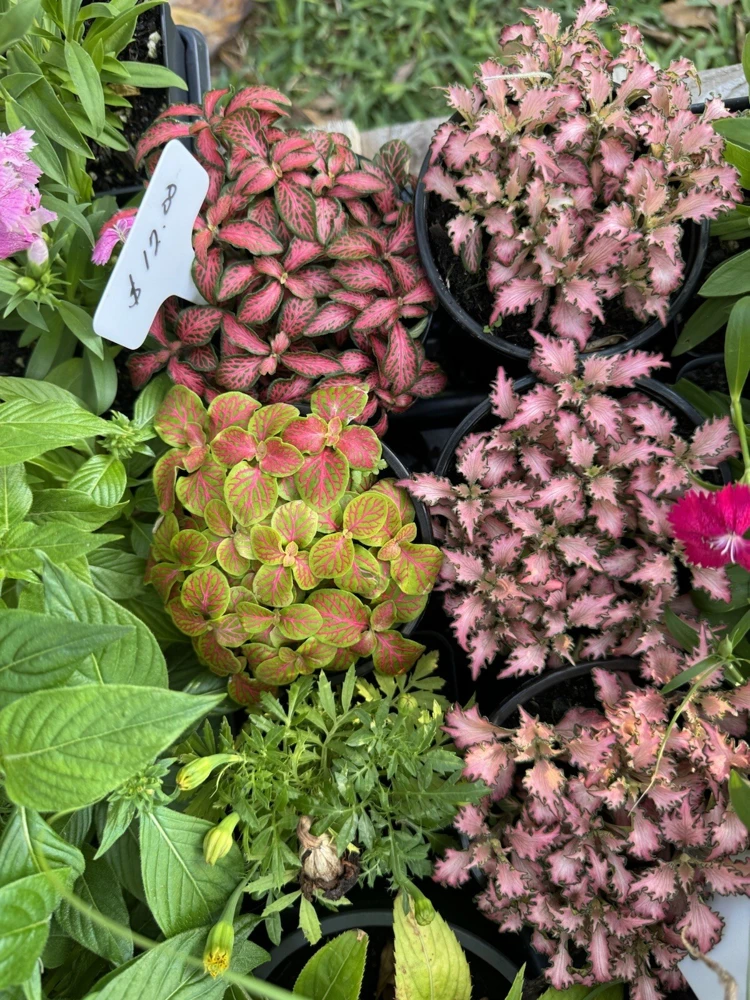
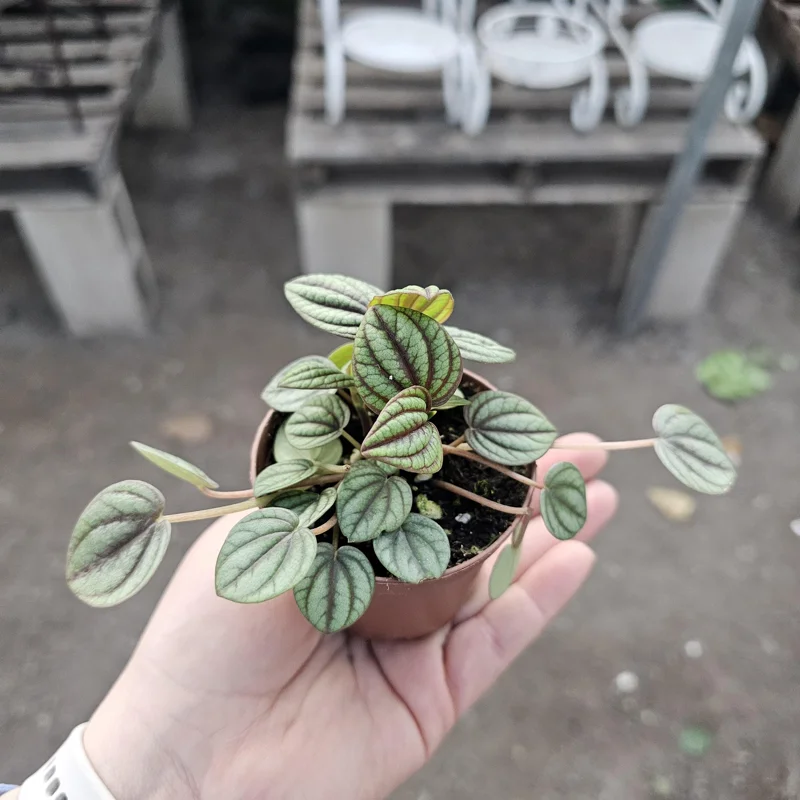
Enhance your home decor with a vibrant nerve plant live, also known as Fittonia albivenis. This colorful indoor houseplant is celebrated for its intricate, veined foliage, adding a unique touch to any indoor garden. Ideal for tabletops or terrariums, it thrives with proper care.
Estimated arrival
Oct 27
Nov 01 - Nov 03
Nov 06 - Nov 10
Shop With Confidence
30-Day Plant Health Guarantee
Arrives damaged? We’ll replace it free — see our return policy.
Responsive Support
Email us anytime, we reply within 1 business day.
Expert Packaging
Temperature-controlled shipping to protect your plants in transit.
Secure Checkout
Pay safely with Visa, Mastercard, PayPal.
Plant Specifications
-
USDA Hardiness Zone
unknown -
Soil Type
well-draining potting mix -
Sunlight Exposure
bright indirect light -
Expected Planting Period
year-round indoors
Overview
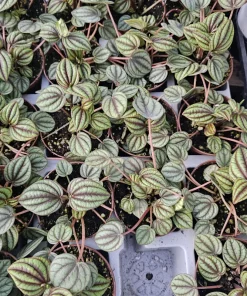
Introduce a splash of vibrant color and intricate beauty to your indoor plant collection with the nerve plant live, scientifically known as Fittonia albivenis. This captivating colorful indoor houseplant is renowned for its strikingly veined leaves, which come in shades of pink, red, or white against a backdrop of deep green. Originating from the tropical rainforests of South America, particularly Peru, the Fittonia brings a touch of exotic charm to any home or office environment. It’s often referred to as the ‘Mosaic Plant’ or ‘Painted Net Leaf’ due to its distinct leaf patterns that resemble delicate artwork. This live plant is a fantastic choice for those looking to add dynamic visual interest and a lively presence to their living spaces. Its compact growth habit makes it suitable for various settings, from small decorative pots to lush terrariums, where its vibrant foliage can truly shine.
The Fittonia albivenis is primarily grown for its ornamental foliage, offering year-round beauty without the need for flowers. Its dramatic leaf patterns are a natural conversation starter and can easily complement diverse interior design styles. When you choose a nerve plant live, you’re not just getting a plant; you’re acquiring a living piece of art that constantly evolves. Its relatively small size and preference for consistent moisture make it a popular choice for enclosed environments like terrariums, where it can create a miniature jungle effect. Despite its delicate appearance, with the right care, this plant can be a rewarding addition for both novice and experienced plant enthusiasts, providing continuous visual appeal and an aura of tropical tranquility.
Key Benefits
Owning a nerve plant live offers numerous advantages beyond its undeniable aesthetic appeal. This plant is a fantastic choice for enhancing your indoor environment and bringing a piece of nature indoors.
- Stunning Visual Appeal: The Fittonia’s most prominent feature is its beautifully patterned foliage. With veins in striking colors like pink, red, or white contrasting against green leaves, it adds an immediate pop of color and intricate detail to any room, making it a focal point in your plant collection.
- Compact Size: Its naturally compact growth habit makes the nerve plant live perfect for small spaces, desks, shelves, or as part of a larger plant arrangement. It doesn’t require much space to make a significant impact, fitting seamlessly into various decor styles.
- Terrarium Favorite: Due to its love for high humidity and smaller stature, the Fittonia is an ideal candidate for terrariums. It thrives in enclosed environments, creating a lush, miniature ecosystem that is both captivating to watch and easy to maintain once established.
- Air Purifying Qualities: Like many houseplants, the Fittonia contributes to a healthier indoor environment by helping to filter airborne toxins. While not as powerful as some larger plants, it still plays a role in improving air quality in your home.
- Unique Foliage Texture: The slightly textured and detailed leaves of the Fittonia albivenis offer a unique tactile experience, adding another dimension of interest compared to plants with plain green leaves. This makes it a fascinating plant to observe up close.
- Relatively Easy to Care For: Once its primary needs for humidity and consistent moisture are met, the Fittonia is a straightforward plant to maintain. Understanding fittonia albivenis care ensures a thriving and vibrant plant.
- Versatile Decor Element: Whether placed alone in a decorative pot, grouped with other plants, or integrated into a themed display, this colorful indoor houseplant is incredibly versatile and can adapt to many interior design themes, from modern minimalist to bohemian jungle.
Plant Care & Growing Tips
Proper fittonia albivenis care is essential for maintaining the vibrant colors and lush growth of your nerve plant live. These tropical plants thrive in conditions that mimic their natural rainforest habitat, primarily focusing on consistent moisture and high humidity. Firstly, light is crucial: Fittonias prefer bright, indirect light. Direct sunlight can scorch their delicate leaves, causing them to fade or turn brown. An east-facing window is often ideal, providing gentle morning sun, or a spot several feet away from a south or west-facing window. Insufficient light, however, can lead to leggy growth and less vibrant leaf coloration, so finding the right balance is key for a truly colorful indoor houseplant.
Watering is perhaps the most critical aspect of caring for your Fittonia. These plants are notorious for their dramatic wilting when thirsty, often referred to as ‘fainting Fittonia.’ While they usually perk up quickly after a good watering, it’s best to avoid letting them reach this point. Keep the soil consistently moist but never waterlogged. Allow the top inch of soil to dry out slightly between waterings, then water thoroughly until it drains from the bottom. High humidity is non-negotiable for a thriving nerve plant live. Consider placing your plant on a pebble tray filled with water, using a room humidifier, or grouping it with other plants to create a microclimate. Misting can help temporarily, but a more consistent humidity source is better, especially if you’re concerned about nerve plant humidity.
For soil, a well-draining potting mix rich in organic matter is preferred. A standard houseplant mix with added perlite or coco coir works well. Fertilize sparingly during the growing season (spring and summer) with a balanced liquid fertilizer diluted to half strength, about once a month. Reduce or stop fertilizing during fall and winter. Fittonias prefer temperatures between 65-80°F (18-27°C) and should be protected from cold drafts. While generally robust, keep an eye out for common pests like spider mites or aphids, which can be managed with insecticidal soap. Pruning can be done to maintain a compact shape and encourage bushier growth. This attention to detail in fittonia albivenis care will ensure your plant remains a stunning and healthy feature in your home.
Size & Details
The nerve plant live, or Fittonia albivenis, is typically a compact plant, making it an excellent choice for smaller spaces, terrariums, or as a vibrant accent on shelves and desks. While specific dimensions can vary based on cultivation and maturity, a mature Fittonia usually reaches a height of approximately 4 to 8 inches (10-20 cm) and can spread about 6 to 12 inches (15-30 cm) wide. The plant is shipped as a live, rooted specimen, often in a nursery pot, ready to be placed in your preferred decorative container or integrated into a terrarium setup. Its growth rate is moderate, and with consistent care, it will gradually fill out, displaying its beautiful patterned leaves. This plant does not produce showy flowers; its primary ornamental value lies entirely in its striking foliage. Expect a healthy, established plant that will continue to grow and develop its unique coloration over time, provided it receives adequate light, water, and humidity, which is crucial for maintaining proper nerve plant humidity.
Frequently Asked Questions
- Q: How big does this plant get and what size pot does it come in? A: The nerve plant live typically grows to about 4-8 inches tall and spreads 6-12 inches wide. It is usually shipped in a standard nursery pot, ready for you to transplant into your preferred decorative pot or terrarium.
- Q: Is this an indoor or outdoor plant? How much sunlight does it need? A: This is primarily an colorful indoor houseplant. It thrives in bright, indirect light. Direct sunlight can scorch its leaves, so avoid placing it in harsh, unfiltered sun.
- Q: Is this plant easy to care for? Is it good for beginners? A: While it has specific needs, particularly for humidity and consistent moisture, the Fittonia is considered moderately easy to care for. It can be a good choice for beginners willing to pay attention to its watering and humidity requirements, making fittonia albivenis care a rewarding experience.
- Q: What condition will it arrive in? Is it shipped in soil? A: Your nerve plant live will arrive as a healthy, rooted plant, typically in its nursery pot with soil, carefully packaged to ensure its safe journey to your home.
- Q: Is the nerve plant pet-safe? A: Yes, the Fittonia (Nerve Plant) is generally considered non-toxic to pets, including cats and dogs, making it a safe choice for homes with furry friends.
- Q: How can I ensure high nerve plant humidity for my plant? A: To ensure high humidity, you can place the pot on a pebble tray filled with water, use a room humidifier nearby, or group it with other plants. Terrariums are also excellent for providing the high humidity this plant loves.
- Q: Why are my nerve plant’s leaves turning brown or crispy? A: Brown or crispy leaves on your colorful indoor houseplant are typically a sign of insufficient humidity or underwatering. Increase humidity levels and ensure the soil stays consistently moist, but not waterlogged.
- Q: When is the best time to fertilize my Fittonia? A: Fertilize your nerve plant live during its active growing season, which is typically spring and summer. Use a balanced liquid fertilizer diluted to half strength, once a month.
- Q: Can I propagate my nerve plant? A: Yes, Fittonias are quite easy to propagate from stem cuttings. Simply take a cutting with a few nodes, remove the lower leaves, and place it in water or moist potting mix.
- Q: What are some common names for Fittonia albivenis? A: Besides Nerve Plant, it’s also commonly known as Mosaic Plant, Painted Net Leaf, or Fittonia, reflecting its unique and beautiful leaf patterns. These names are often used when looking for a mosaic plant for sale.
Be the first to review “Nerve Plant Live – Fittonia albivenis Colorful Indoor Houseplant”
People Also Viewed
Vegetable Seeds


Reviews
There are no reviews yet.