
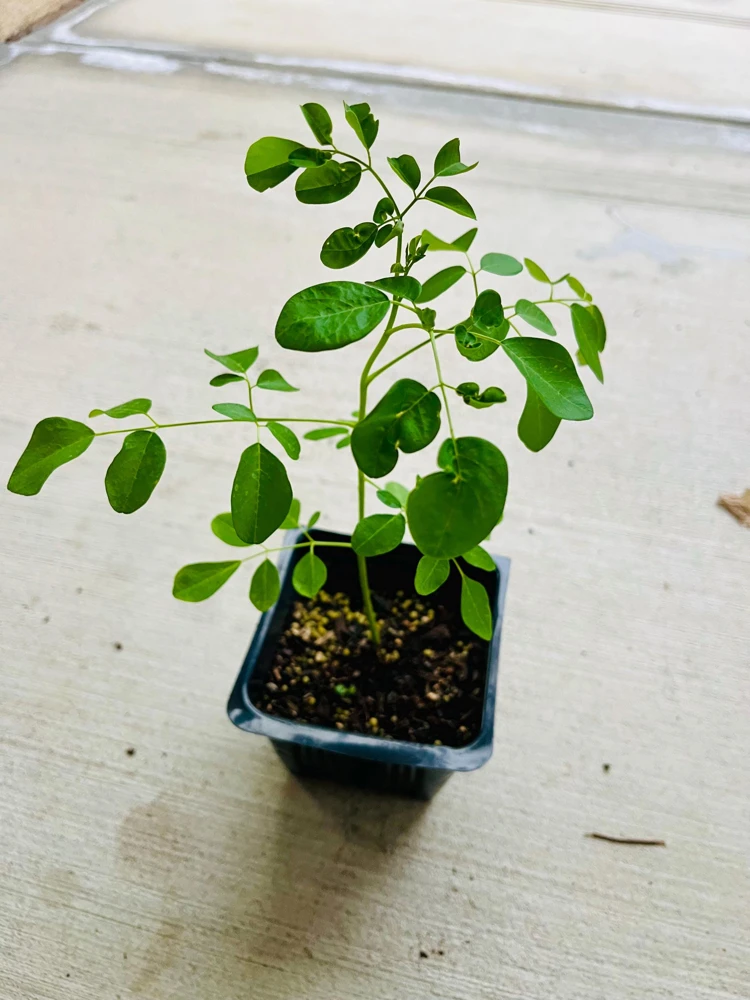
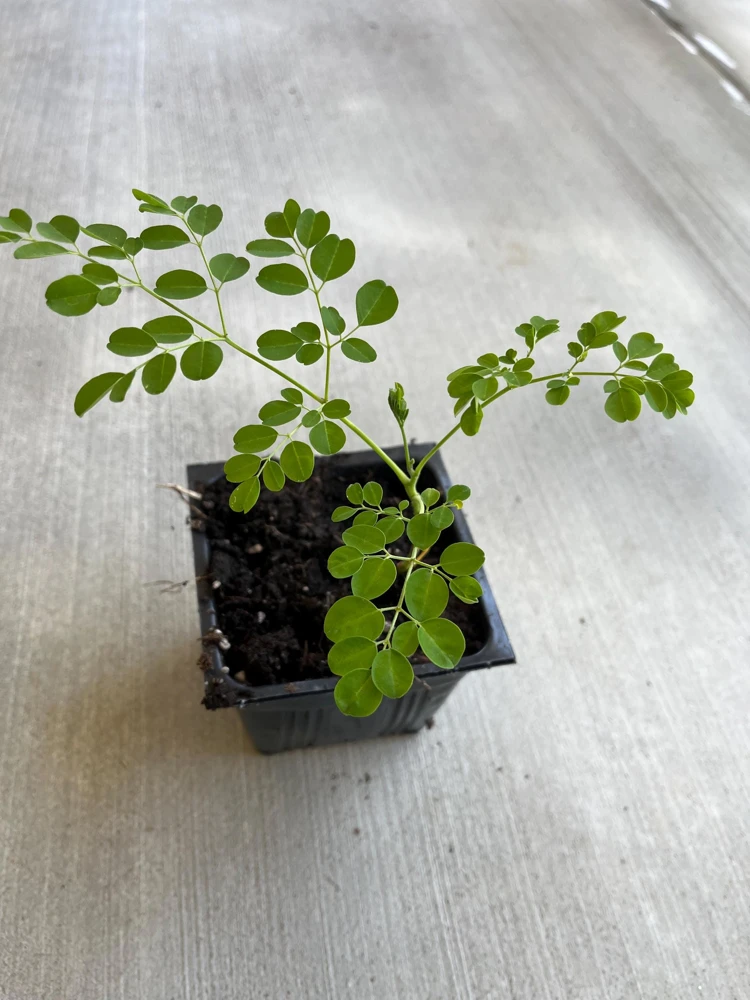
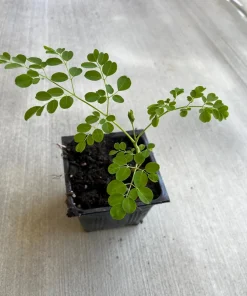
Moringa Tree Live Plant – 4 inch Pot, 8-10 inch Tall, Healthy Seedling
Original price was: $53.99.$33.99Current price is: $33.99.
Cultivate your own superfood with this vibrant moringa tree live plant. Arriving as a healthy 8-10 inch seedling in a 4-inch pot, it’s perfect for both garden and indoor growing. Known for its rapid growth and nutritional value, this moringa seedling is ready to thrive with proper care.
Estimated arrival
Sep 29
Oct 04 - Oct 06
Oct 09 - Oct 13
Shop With Confidence
30-Day Plant Health Guarantee
Arrives damaged? We’ll replace it free — see our return policy.
Responsive Support
Email us anytime, we reply within 1 business day.
Expert Packaging
Temperature-controlled shipping to protect your plants in transit.
Secure Checkout
Pay safely with Visa, Mastercard, PayPal.
Plant Specifications
-
USDA Hardiness Zone
USDA zones 9-11 (outdoors), can be grown indoors year-round -
Soil Type
Well-draining sandy loam soil -
Sunlight Exposure
Full sun (6-8+ hours direct sunlight daily) -
Expected Planting Period
Year-round indoors, spring after last frost outdoors
Overview
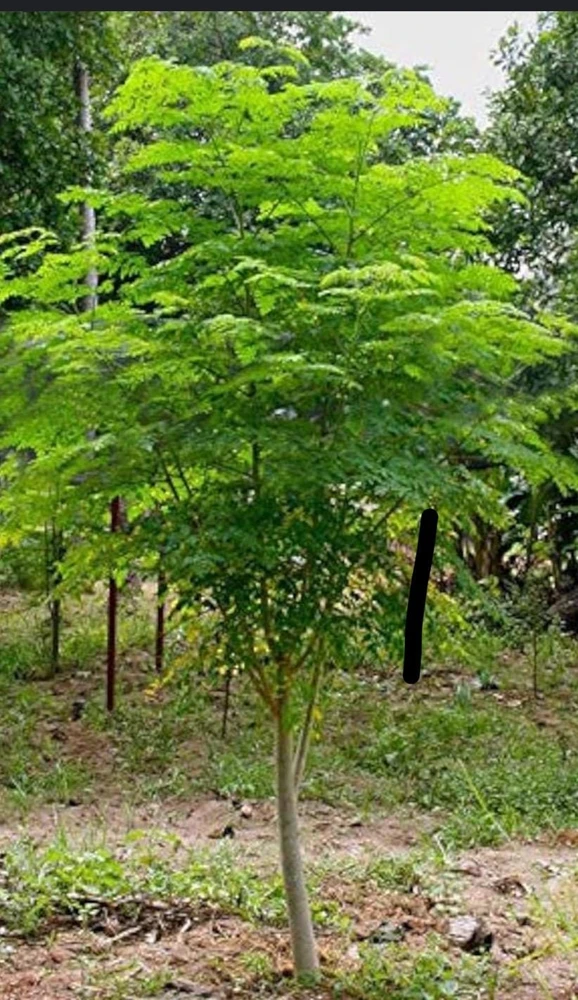
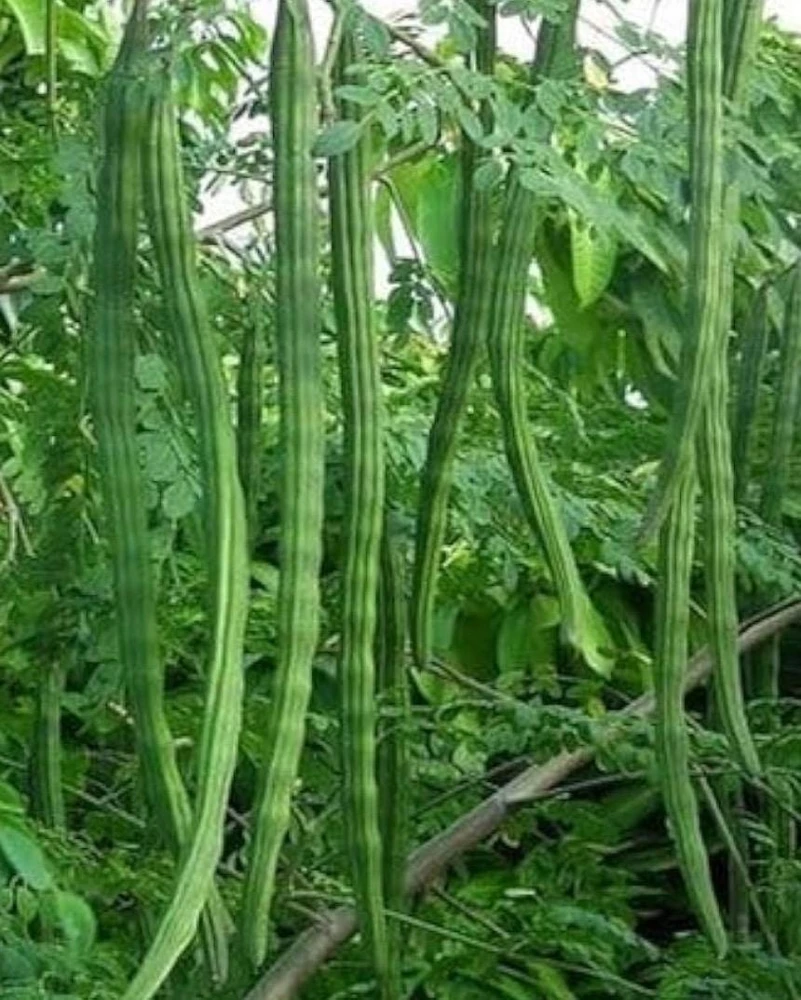
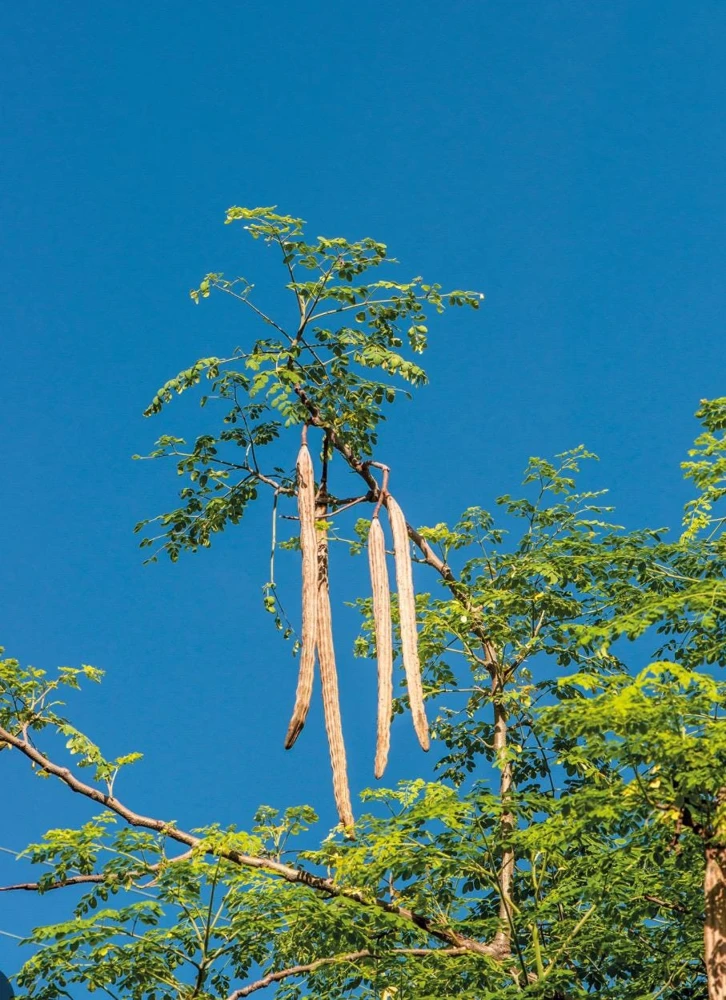
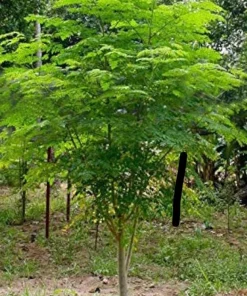
Embark on a journey of wellness by bringing a moringa tree live plant into your home or garden. This offering includes a robust 8-10 inch tall seedling, comfortably nestled in a 4-inch nursery pot, ensuring it arrives healthy and ready for planting. The moringa tree, scientifically known as Moringa oleifera, is often hailed as the “miracle tree” due to its exceptional nutritional profile and rapid growth rate. Originating from India, this deciduous tree has gained global recognition as a superfood, with nearly every part of the plant being edible and highly beneficial. Growing your own moringa tree live plant provides fresh access to its leaves, which can be harvested regularly for culinary and health purposes. Whether you’re an experienced gardener or a beginner, cultivating a moringa tree is a rewarding experience, offering both aesthetic appeal and a continuous supply of nutrient-rich greens.
Our moringa seedling is carefully nurtured to ensure strong root development and vigorous growth, making it an ideal starter plant for anyone looking to grow moringa tree. With its slender trunk and delicate, feathery leaves, it adds a touch of tropical elegance to any setting. This young plant is adaptable and can be grown in various climates, often thriving as an annual in colder regions or as a perennial in warmer zones. Discover the joy of harvesting your own fresh moringa leaves, packed with vitamins, minerals, and antioxidants, right from your backyard or patio.
Key Benefits
Adding a moringa tree live plant to your collection offers a multitude of advantages, making it a truly valuable addition to any home or garden. Its exceptional qualities contribute to both your health and gardening experience.
- Nutritional Powerhouse: Moringa leaves are incredibly nutrient-dense, boasting high levels of vitamins A, C, and E, calcium, potassium, and protein. Incorporating fresh moringa into your diet can significantly boost your daily nutrient intake.
- Rapid Growth: Known for its fast growth rate, your moringa tree live plant will quickly mature, allowing for frequent harvesting of fresh leaves. This ensures a continuous supply of this beneficial superfood.
- Versatile Culinary Use: The fresh leaves can be used in a variety of dishes, from smoothies and salads to soups and stir-fries. They offer a slightly peppery, earthy flavor that complements many cuisines.
- Medicinal Properties: Traditionally, moringa has been used for its anti-inflammatory, antioxidant, and cholesterol-lowering properties. Many people grow moringa tree specifically for its perceived health benefits of moringa.
- Drought Tolerant: Once established, moringa trees are remarkably resilient and can withstand periods of drought, making them a relatively low-maintenance plant for many environments.
- Air Purification: Like many plants, moringa contributes to a healthier indoor environment by converting carbon dioxide into oxygen, improving air quality if grown indoors.
- Sustainable Source: By growing your own moringa seedling, you create a sustainable and organic source of fresh produce, reducing reliance on store-bought alternatives.
Plant Care & Growing Tips
Proper care is essential to ensure your moringa tree live plant thrives and produces an abundance of nutritious leaves. Moringa is generally a resilient plant, but understanding its specific needs will help it reach its full potential. For optimal growth, moringa requires plenty of sunlight. It should receive at least 6-8 hours of direct sunlight daily. If growing indoors, place it near a south-facing window or supplement with a grow light. In outdoor settings, choose a location that gets full sun exposure throughout the day. This sun-loving plant will become leggy and produce fewer leaves if it doesn’t get enough light. The ideal temperature range for moringa is between 70°F and 95°F (21°C to 35°C), making it suitable for warmer climates or as an indoor plant in cooler regions. It is not frost-tolerant, so bring it indoors before the first frost if you live in a colder zone.
When it comes to watering, moringa prefers consistent moisture but is also quite drought-tolerant once established. Water thoroughly when the top inch of soil feels dry to the touch, and allow excess water to drain away. Avoid overwatering, as this can lead to root rot. Well-draining soil is crucial for the health of your moringa tree live plant. A sandy loam soil with a pH between 6.3 and 7.0 is ideal. If planting in a pot, use a high-quality potting mix amended with perlite or sand to improve drainage. Fertilize your moringa every 2-4 weeks during the growing season (spring and summer) with a balanced, organic fertilizer. Pruning is also important; regular pruning encourages bushier growth and more leaf production, especially if you want to keep your moringa plant care manageable in a container. Harvest leaves by pinching off the tips or individual leaflets, which will stimulate new growth.
Common problems to watch out for include aphids and spider mites, especially when grown indoors. Treat these pests with organic insecticidal soap. Yellowing leaves can indicate overwatering or nutrient deficiency. By following these moringa plant care guidelines, you can successfully grow moringa tree and enjoy its many health benefits.
Size & Details
This offering is for one healthy moringa tree live plant, which arrives as a thriving seedling. The plant measures approximately 8-10 inches in height, measured from the base of the pot to the tip of the tallest stem. It is securely rooted in a 4-inch diameter nursery pot, providing a stable environment for its initial growth and ensuring a smooth transition to its new home. Moringa trees are known for their fast growth rate; with proper care, this seedling can quickly grow several feet within its first year. When mature, a moringa tree can reach heights of 15-30 feet in ideal conditions, though it can be kept smaller through regular pruning, especially when grown in containers. The plant will be shipped in its nursery pot, with soil intact, to minimize transplant shock and ensure its vitality upon arrival. Expect a robust, green seedling with well-developed leaves, ready for immediate planting in a larger pot or directly into your garden. This moringa seedling is a fantastic starting point for establishing your own sustainable source of this incredible plant.
Frequently Asked Questions
- Q: How big does this plant get? A: This particular moringa tree live plant arrives as an 8-10 inch seedling in a 4-inch pot. With proper care, moringa trees can grow very quickly, reaching several feet in height within the first year. They can be pruned to maintain a desired size, especially when grown in containers.
- Q: Is this an indoor or outdoor plant? A: Moringa can be grown both indoors and outdoors. In USDA zones 9-11, it can be grown outdoors year-round. In colder climates, it’s best grown in a pot and brought indoors during the winter months, or treated as an annual.
- Q: How much sunlight does it need? A: Your moringa tree live plant thrives in full sun, requiring at least 6-8 hours of direct sunlight daily. If growing indoors, place it in the brightest window available, ideally south-facing, or use a supplemental grow light.
- Q: Is this plant easy to care for? A: Yes, moringa is generally considered an easy-to-care-for plant, making it suitable for beginners. It’s resilient, drought-tolerant once established, and grows quickly, rewarding you with abundant leaves.
- Q: What condition will it arrive in? A: Your moringa seedling will arrive carefully packaged in its 4-inch nursery pot with soil, ensuring minimal disturbance during transit. It will be a healthy, vibrant plant ready for transplanting.
- Q: Can I use moringa leaves in cooking? A: Absolutely! The leaves are the most commonly used part of the moringa tree live plant and are excellent in smoothies, salads, soups, stews, and stir-fries. They have a slightly pungent, earthy flavor.
- Q: When is the best time to plant? A: If planting outdoors, the best time is after the last frost in spring, once soil temperatures have warmed up. If growing indoors, you can plant it any time of year.
- Q: What are the main benefits of moringa? A: The benefits of moringa are extensive, including being a rich source of vitamins (A, C, E), minerals (calcium, potassium), and protein. It’s also known for its antioxidant and anti-inflammatory properties, supporting overall health.
- Q: How often should I water my moringa? A: Water your moringa tree live plant when the top inch of soil feels dry to the touch. Ensure good drainage to prevent waterlogging, as moringa dislikes soggy feet.
- Q: Is this plant safe for pets? A: Moringa is generally considered non-toxic to pets, making it a safe addition to homes with furry friends. However, always monitor pets around new plants.
Be the first to review “Moringa Tree Live Plant – 4 inch Pot, 8-10 inch Tall, Healthy Seedling”
People Also Viewed
Flower Seeds
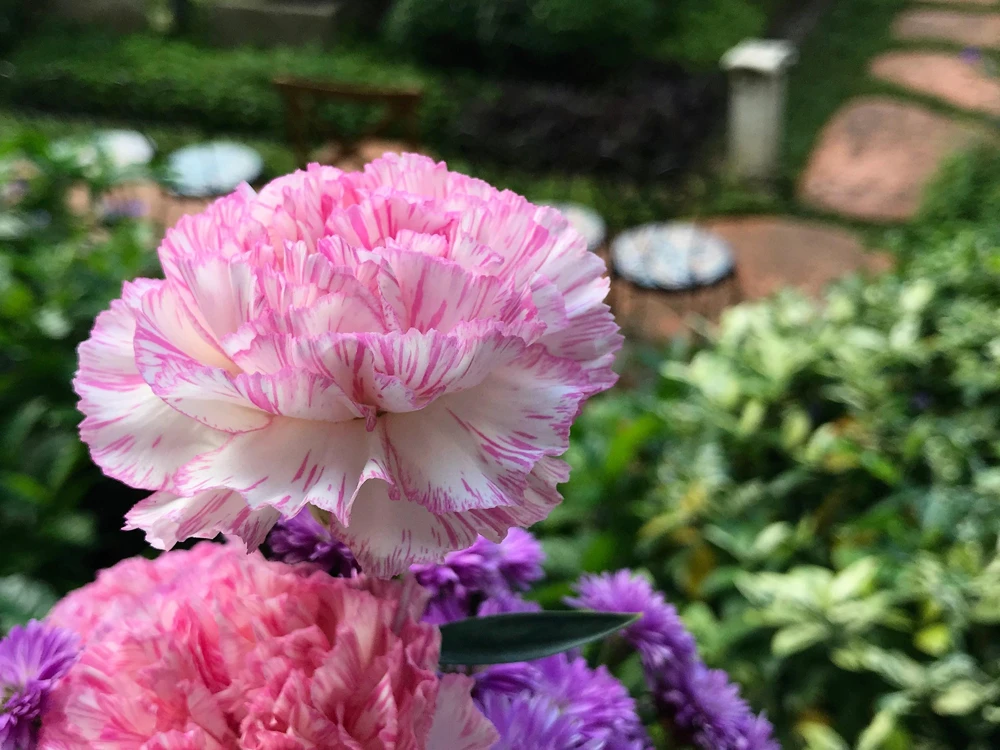
Picotee Mix Carnation Seeds – 50 Count – Double Bicolor Striped Flowers – Dianthus Caryophyllus
Reviews
There are no reviews yet.