
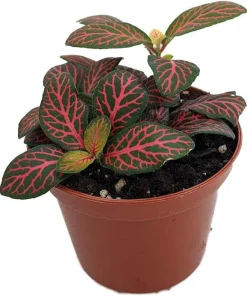
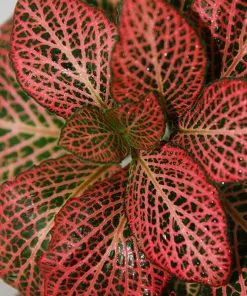
Mini Red Veined Nerve Plant – Fittonia Live Plant – 2.5″ Pot – Indoor
Original price was: $34.99.$24.99Current price is: $24.99.
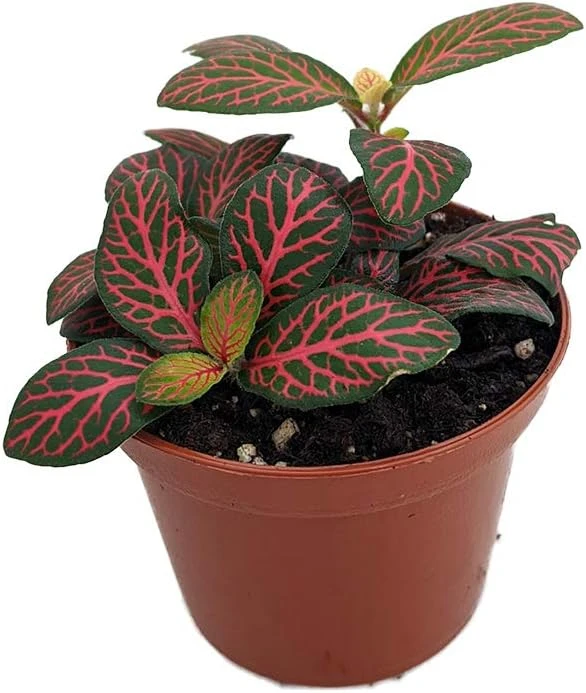
Introduce the captivating mini red veined nerve plant into your home or office. This vibrant fittonia live plant, also known as Fittonia, features striking red veins on lush green leaves. It’s an easy care houseplant, ideal for beginners or terrariums, thriving in bright, indirect light. Perfect for adding a splash of natural beauty to any indoor setting.
Estimated arrival
Sep 29
Oct 04 - Oct 06
Oct 09 - Oct 13
Shop With Confidence
30-Day Plant Health Guarantee
Arrives damaged? We’ll replace it free — see our return policy.
Responsive Support
Email us anytime, we reply within 1 business day.
Expert Packaging
Temperature-controlled shipping to protect your plants in transit.
Secure Checkout
Pay safely with Visa, Mastercard, PayPal.
Plant Specifications
-
USDA Hardiness Zone
USDA zones 11+ (outdoor), generally grown indoors -
Soil Type
Well-draining potting mix -
Sunlight Exposure
Bright indirect light -
Expected Planting Period
Year-round indoors
Overview
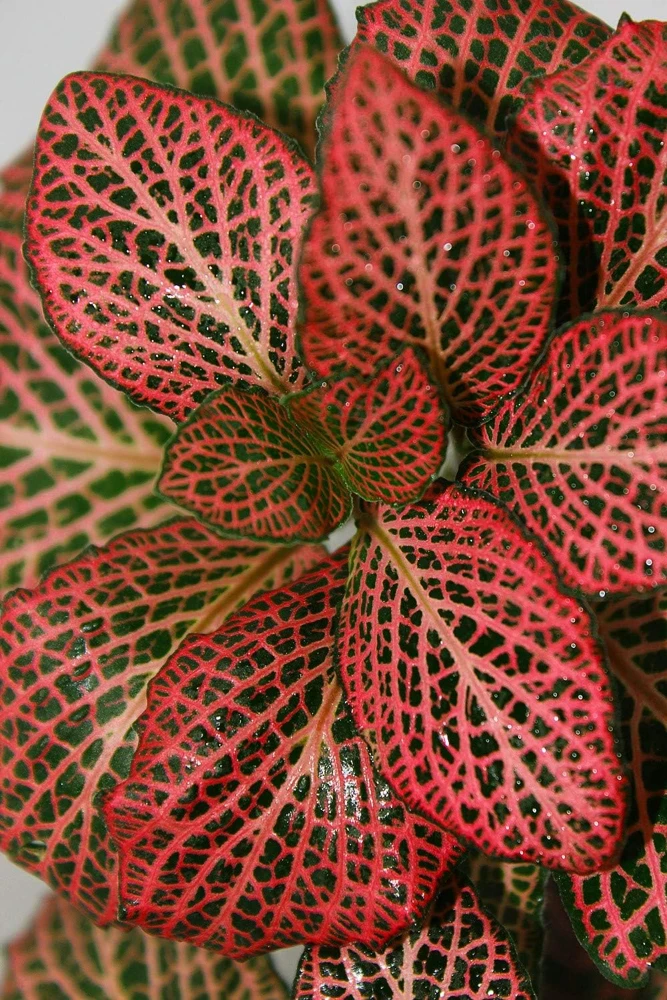
The mini red veined nerve plant, scientifically known as Fittonia albivenis, is a captivating and popular ornamental houseplant renowned for its intricate foliage. This particular variety showcases stunning bright red veins that intricately pattern its deep green leaves, creating a dramatic and eye-catching display. Often called a ‘Nerve Plant’ due to its distinctive leaf venation, this Fittonia live plant is celebrated for its ability to add a vibrant splash of color and texture to any indoor environment. It’s a fantastic choice for those seeking an easy care houseplant that offers consistent visual appeal, making it a favorite for both seasoned plant enthusiasts and new gardeners alike. Its compact size also makes it ideal for desk plants, shelves, or as an underplanting in larger arrangements.
Originating from the tropical rainforests of South America, the Fittonia thrives in warm, humid conditions, mimicking its natural habitat. It’s not just a beautiful plant; it’s also known for its relatively forgiving nature, provided its basic needs are met. The mini red veined nerve plant is a true living artwork, transforming any space into a more vibrant and inviting sanctuary. Whether you’re looking to enhance your home decor or searching for a unique gift, this plant is sure to delight with its striking appearance and manageability.
Key Benefits
Bringing a fittonia live plant into your home offers numerous advantages beyond its undeniable aesthetic appeal. This plant is a fantastic choice for enhancing your living space with minimal fuss.
- Vibrant Aesthetic Appeal: The striking red venation against deep green leaves provides an immediate pop of color and intricate texture, making it a focal point in any room. It instantly brightens up dull corners and adds a touch of tropical elegance.
- Compact & Versatile Size: Its naturally small and trailing growth habit makes it perfect for terrariums, small pots on desks, windowsills, or as part of a mixed plant arrangement. This versatility allows it to fit into various decorative schemes.
- Excellent for Terrariums: The mini red veined nerve plant thrives in high humidity environments, making it an ideal candidate for enclosed terrariums where it can create a lush, miniature ecosystem. This also simplifies its care by creating a self-sustaining humid microclimate.
- Relatively Easy Care: Despite its exotic appearance, this is an easy care houseplant once its specific watering and light preferences are understood. It’s forgiving of minor neglect and can quickly bounce back with proper attention.
- Air Purifying Qualities: Like many houseplants, Fittonia contributes to a healthier indoor environment by helping to filter airborne toxins and improve air quality, creating a fresher and more pleasant atmosphere.
- Boosts Mood & Well-being: Surrounding yourself with vibrant green plants like the fittonia indoor plant has been shown to reduce stress, improve concentration, and enhance overall mood, contributing to a sense of calm and well-being.
- Educational for All Ages: Observing the unique leaf patterns and learning about its care can be an engaging and educational experience for children and adults alike, fostering a deeper connection with nature.
Plant Care & Growing Tips
Caring for your mini red veined nerve plant is straightforward once you understand its preferred conditions. This tropical beauty thrives in environments that mimic its rainforest origins. When it comes to light, Fittonia prefers bright, indirect light. Avoid direct sunlight, as this can scorch its delicate leaves and fade its vibrant colors. An east or north-facing window is ideal, or a spot a few feet away from a south or west-facing window. If the light is too low, the plant’s distinctive red veins may not be as pronounced.
Watering is perhaps the most critical aspect of nerve plant care. Fittonia loves consistent moisture but absolutely detests soggy soil, which can lead to root rot. The key is to keep the soil evenly moist but never waterlogged. Check the soil moisture frequently, and water when the top inch of soil feels slightly dry to the touch. You’ll know it’s thirsty if its leaves start to droop dramatically – this is often called ‘fainting Fittonia,’ but it usually perks up quickly after a good watering. Ensure your pot has drainage holes to prevent water from sitting at the bottom.
High humidity is essential for a thriving fittonia indoor plant. If your home’s air is dry, especially during winter with heating systems, consider misting your plant regularly, placing it on a pebble tray with water, or using a humidifier nearby. A well-draining potting mix, rich in organic matter, is perfect for Fittonia. A standard indoor potting mix with some added perlite or sphagnum moss works well. Fertilize monthly during the active growing season (spring and summer) with a diluted liquid houseplant fertilizer. Reduce feeding in fall and winter. This plant prefers warmer temperatures, ideally between 65-80°F (18-27°C), and is not tolerant of cold drafts. Trim as needed to maintain shape and encourage bushier growth.
Size & Details
This offering is for one mini red veined nerve plant, a live Fittonia albivenis ‘Red Vein’ plant, carefully grown and ready for its new home. Each plant is supplied in a 2.5-inch nursery pot, providing a healthy root system and a compact, established specimen. At this size, the plant typically stands approximately 3-5 inches tall from the soil line, with a spread of 4-6 inches, making it perfectly suited for immediate display on a desk, shelf, or as a vibrant addition to a terrarium. The Fittonia is known for its relatively slow to moderate growth rate, typically reaching a mature height of 6-12 inches indoors with a similar spread, creating a dense, bushy appearance over time. It ships as a well-rooted, potted live plant, ensuring a smooth transition to your environment. Expect the plant to arrive with its characteristic red-veined foliage, ready to bring a touch of the tropics to your indoor space.
Frequently Asked Questions
- Q: How big does this plant get? A: This mini red veined nerve plant is currently in a 2.5-inch pot and typically grows to a mature height of 6-12 inches indoors with a similar spread. Its compact nature makes it ideal for smaller spaces and terrariums.
- Q: Is this an indoor or outdoor plant? A: The Fittonia is primarily an indoor plant, especially in temperate climates. It thrives in warm, humid indoor environments and is not frost-tolerant. It can be grown outdoors in USDA zones 11 and above, but it is most commonly enjoyed as an indoor houseplant.
- Q: How much sunlight does it need? A: This fittonia live plant prefers bright, indirect light. Direct sunlight can scorch its leaves, while too little light can cause the vibrant red veins to fade. An east or north-facing window is usually perfect.
- Q: Is this plant easy to care for? A: Yes, the easy care houseplant Fittonia is considered relatively easy to care for, making it suitable for beginners. Its main requirements are consistent moisture, high humidity, and indirect light. It will visibly droop when thirsty, which serves as a clear indicator for watering.
- Q: What condition will it arrive in? A: Your mini red veined nerve plant will arrive as a healthy, well-established live plant in its 2.5-inch nursery pot, carefully packaged to ensure its safe journey. It will be ready to be placed in your preferred decorative pot upon arrival.
- Q: Is it pet-safe? A: Fittonia is generally considered non-toxic to cats and dogs by the ASPCA, making it a suitable choice for homes with pets. However, it’s always best to discourage pets from ingesting any houseplant.
- Q: What’s the minimum temperature this plant can tolerate? A: This tropical fittonia indoor plant prefers temperatures between 65-80°F (18-27°C). It is sensitive to cold and should not be exposed to temperatures below 55°F (13°C), as this can cause damage or death.
- Q: How often should I water my nerve plant? A: Water your nerve plant care when the top inch of soil feels slightly dry. It prefers consistently moist soil but not soggy. Allowing it to dry out too much will cause it to dramatically wilt, but it often recovers quickly after watering.
- Q: Can I put this plant in a terrarium? A: Absolutely! The high humidity and consistent moisture within a terrarium create an ideal environment for the fittonia indoor plant, making it a very popular and successful choice for enclosed plant arrangements.
Be the first to review “Mini Red Veined Nerve Plant – Fittonia Live Plant – 2.5″ Pot – Indoor”
People Also Viewed
Shrubs
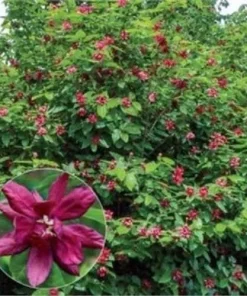
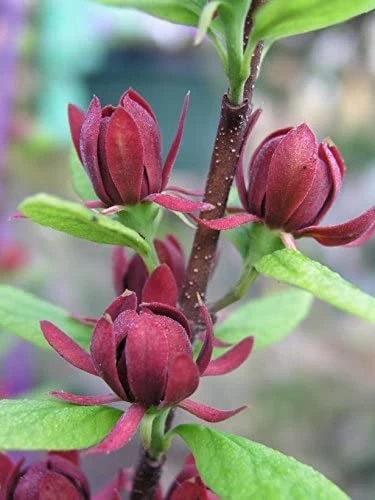
Carolina Allspice Sweet Shrub Live Plant – Calycanthus – Quart Pot – Fragrant Dark Red Blooms
Vegetable Seeds
Chinese Broccoli Kailaan Seeds – 100 Seeds – Fast-Growing Vegetable for Stir-Fries & Salads
Reviews
There are no reviews yet.