

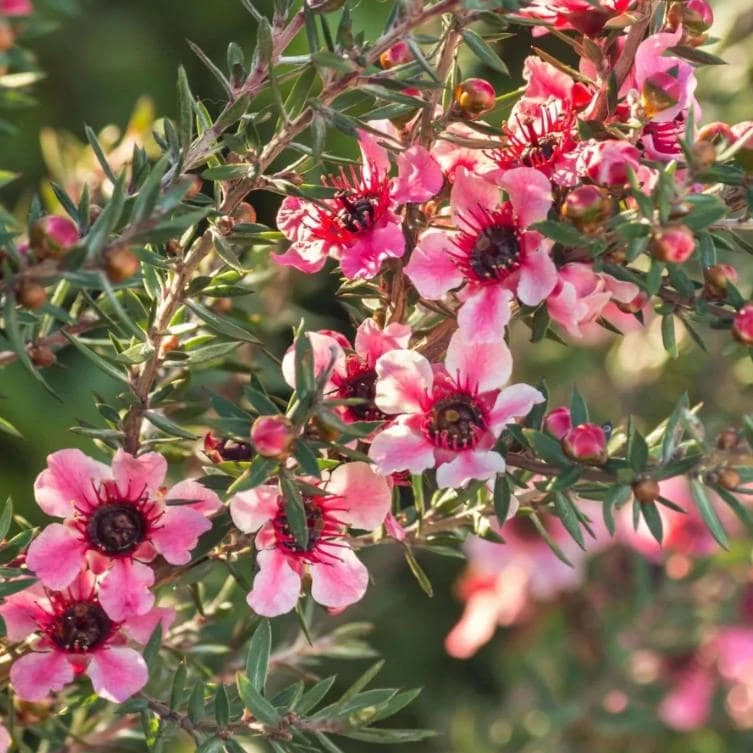
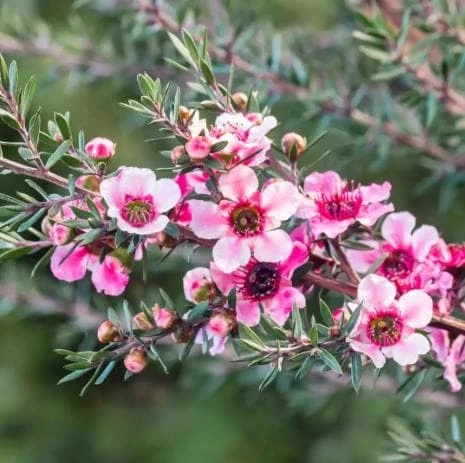
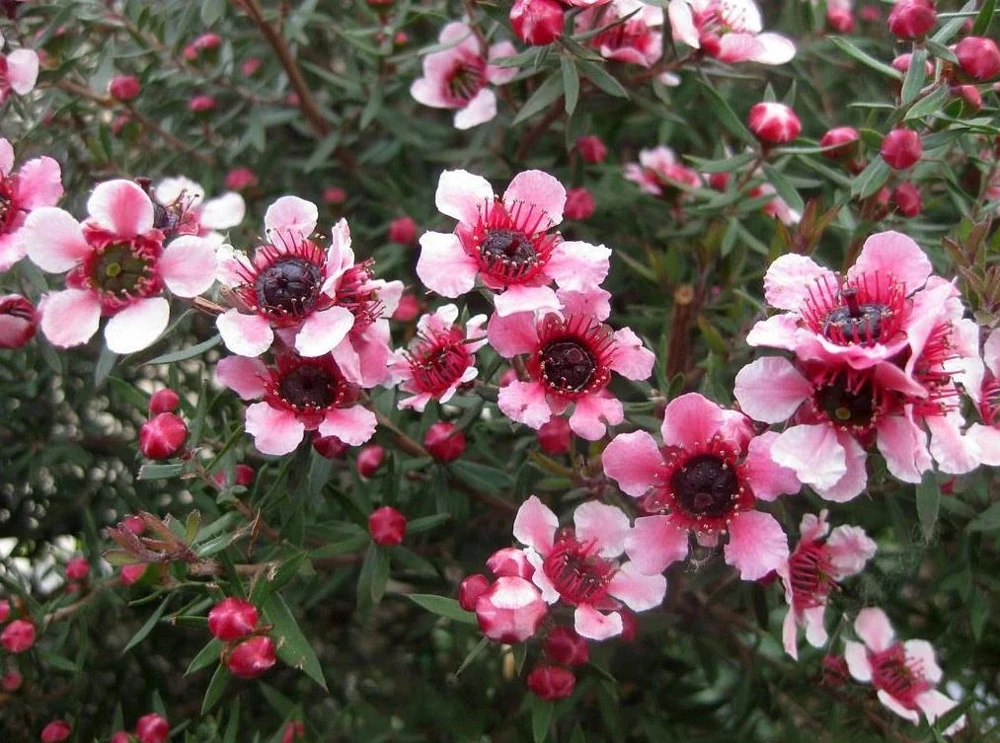
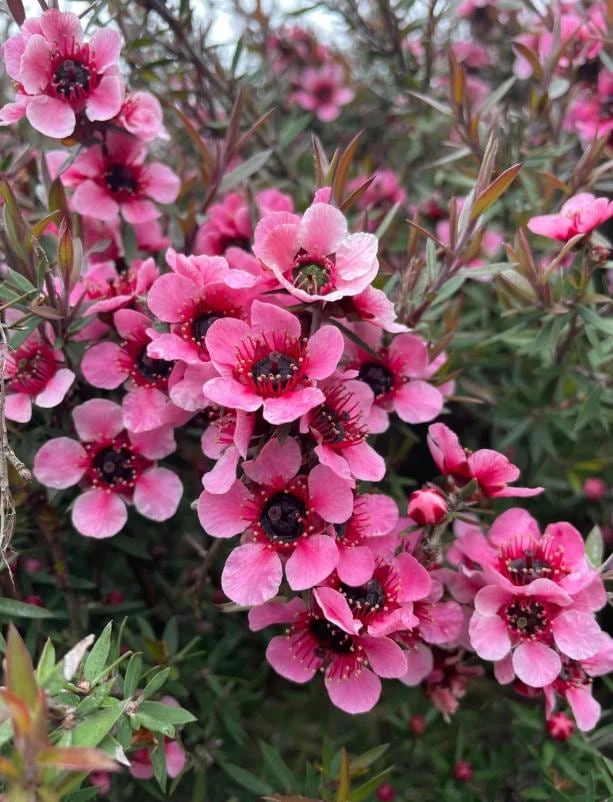
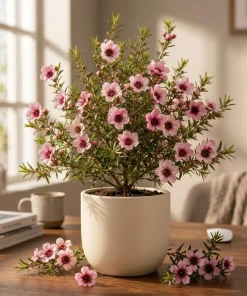
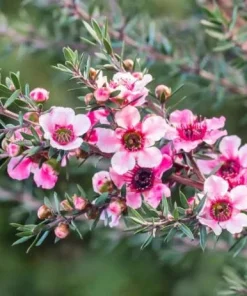
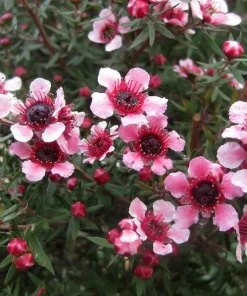
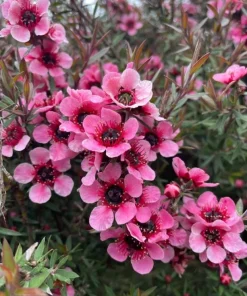
Manuka Tea Tree Live Plant – New Zealand Tea Tree 4 to 6 Inch Tall for Home Garden, Outdoor Shrub
Original price was: $42.99.$17.99Current price is: $17.99.
Bring the beauty of New Zealand to your garden with this Manuka Tea Tree live plant. An evergreen shrub known for its aromatic leaves and showy white to pink flowers. This 4 to 6 inch tall plant is ideal for home gardens in USDA Zones 9 to 11.
Estimated arrival
Oct 14
Oct 19 - Oct 21
Oct 24 - Oct 28
Shop With Confidence
30-Day Plant Health Guarantee
Arrives damaged? We’ll replace it free — see our return policy.
Responsive Support
Email us anytime, we reply within 1 business day.
Expert Packaging
Temperature-controlled shipping to protect your plants in transit.
Secure Checkout
Pay safely with Visa, Mastercard, PayPal.
Plant Specifications
-
USDA Hardiness Zone
USDA Zones 9 to 11 -
Soil Type
Well-draining, sandy or loamy soil -
Sunlight Exposure
Full Sun to Partial Shade -
Expected Planting Period
Spring to summer (blooming season)
Overview
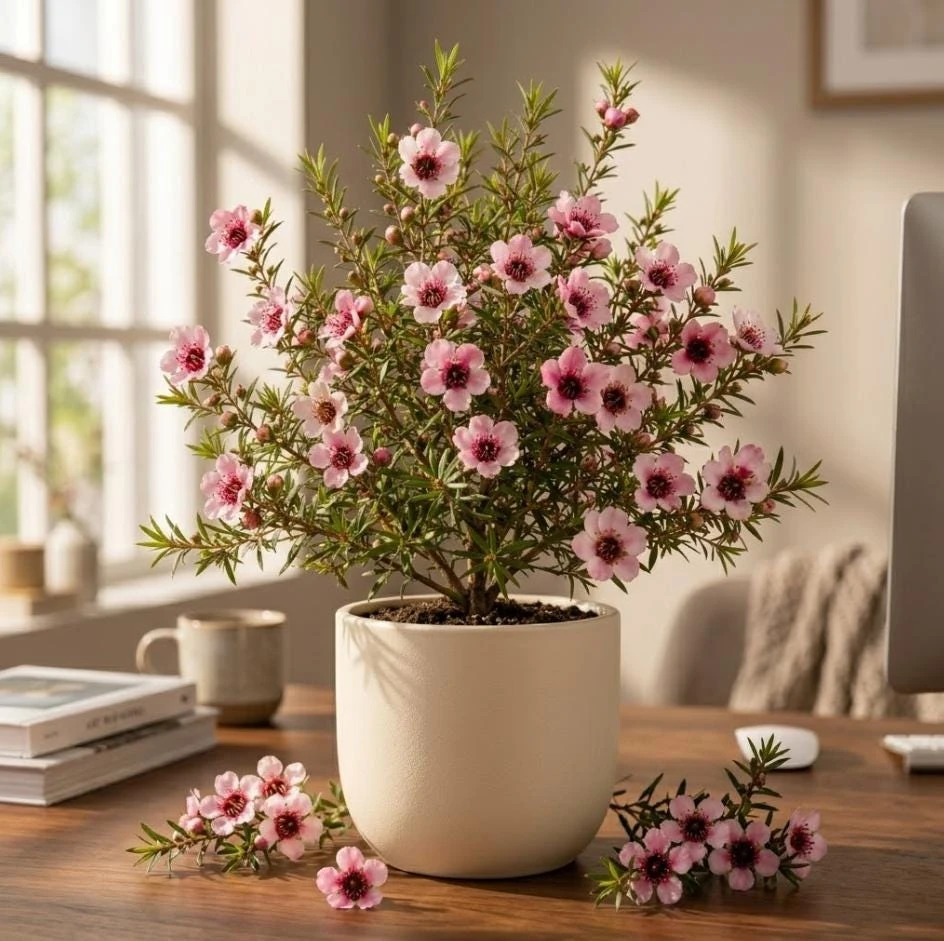
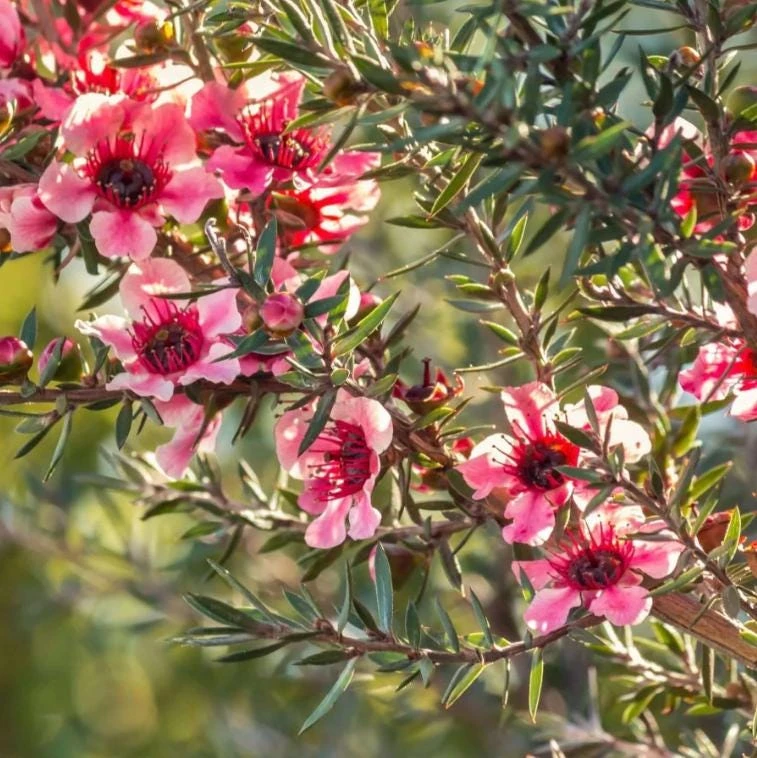
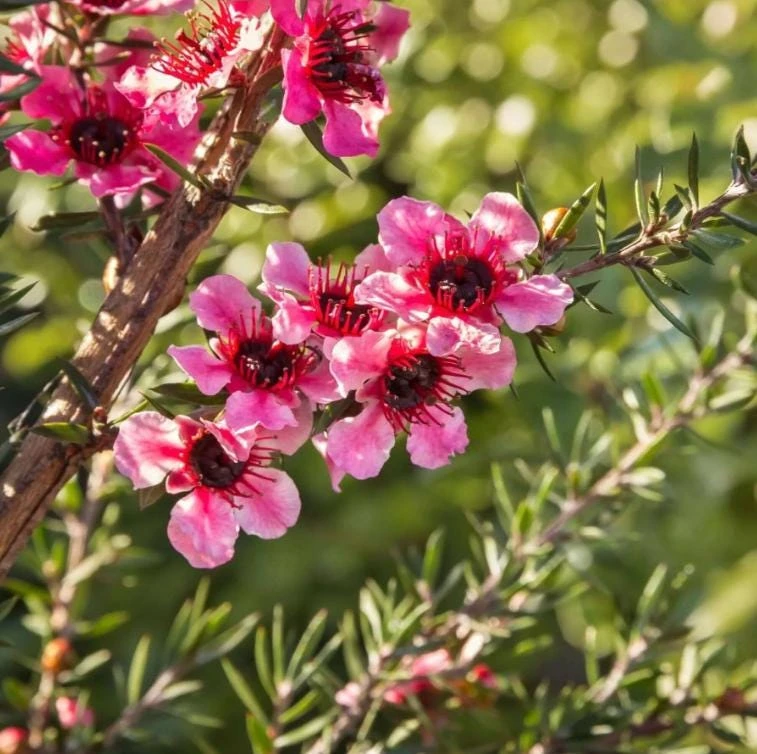
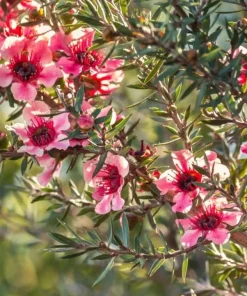
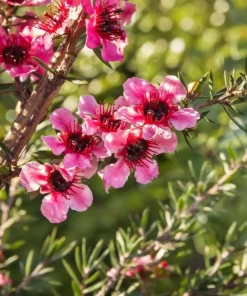
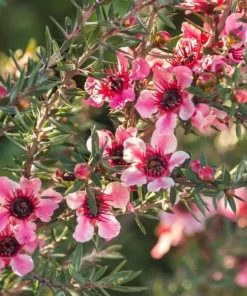
Introduce a touch of exotic beauty to your landscape with the Manuka Tea Tree live plant. Also known as New Zealand Tea Tree or Leptospermum scoparium, this evergreen shrub is a captivating addition to any garden or patio. Celebrated for its fine, aromatic, needle-like leaves and abundant masses of small, showy flowers, the Manuka Tea Tree provides year-round interest. Its blooms, which can range from pure white to delicate pink and even deep rose, create a stunning visual display, attracting pollinators and enhancing the vibrancy of your outdoor space. This particular specimen arrives as a healthy 4 to 6 inch tall plant, ready to establish itself and flourish in its new home.
The New Zealand Tea Tree plant is a versatile and resilient choice, offering both ornamental appeal and a connection to its rich cultural and ecological heritage. Whether you’re an experienced gardener or just starting, this plant offers a rewarding growing experience, transforming your garden into a fragrant and colorful sanctuary. Its compact size at arrival makes it easy to handle and plant, promising robust growth and a spectacular flowering season in the years to come.
Key Benefits
The Manuka Tea Tree live plant offers numerous advantages for the home gardener, blending aesthetic appeal with ecological benefits. Its unique characteristics make it a standout choice for various garden designs.
- Stunning Floral Display: Enjoy masses of small, showy flowers that bloom from spring to summer. These vibrant blossoms, ranging from white to pink and deep rose, create a spectacular visual impact and can brighten any garden corner, making your outdoor space truly come alive.
- Aromatic Foliage: The plant features fine, needle-like leaves that release a pleasant, aromatic scent. This natural fragrance enhances the sensory experience of your garden, providing a refreshing and calming atmosphere for relaxation and enjoyment.
- Attracts Pollinators: The abundant flowers are a magnet for bees, butterflies, and other beneficial pollinators. By planting a Manuka Tea Tree live plant, you contribute to local biodiversity and support the health of your garden ecosystem, leading to better fruit and flower production.
- Evergreen Beauty: As an evergreen shrub, the Manuka Tea Tree retains its foliage throughout the year, providing continuous greenery and structure to your landscape, even during colder months. This ensures your garden always looks vibrant and well-maintained.
- Drought Tolerance: Once established, this plant exhibits good drought tolerance, making it a sustainable choice for water-wise gardening. Its ability to thrive in moderate watering conditions reduces the need for frequent irrigation, saving both time and resources.
- Versatile Landscaping: Ideal for a variety of uses, including hedges, borders, specimen plants, or even container gardening. Its adaptable nature allows it to fit seamlessly into diverse garden styles and spaces, providing flexibility in your landscaping design.
- Low Maintenance: This hardy shrub requires minimal ongoing care once established, making it perfect for busy gardeners. Its resilience and robust nature mean less time spent on upkeep and more time enjoying its beauty.
Plant Care & Growing Tips
Caring for your Manuka Tea Tree live plant is relatively straightforward, ensuring a thriving and beautiful addition to your garden. Understanding its specific needs will help it reach its full potential, producing abundant blooms and healthy foliage. This plant prefers specific environmental conditions to truly flourish.
For optimal growth, the Manuka Tea Tree thrives in a location that receives Full Sun to Partial Shade. This means it should ideally get at least 6 hours of direct sunlight per day, though it can tolerate some afternoon shade, especially in hotter climates. Adequate light exposure is crucial for prolific flowering. When it comes to soil, well-draining conditions are essential. Sandy or loamy soil types are preferred, as they prevent waterlogging, which can be detrimental to the plant’s root system. Ensure the planting site or pot has good drainage to avoid root rot. While establishing, moderate watering is necessary to help the roots settle in. Once established, the plant becomes more drought-tolerant, but consistent moisture during dry spells will promote healthier growth and more abundant blooms.
The ideal temperature range for the New Zealand Tea Tree plant is between 50 degrees Fahrenheit and 75 degrees Fahrenheit. It is hardy in USDA Zones 9 to 11, meaning it can tolerate mild winters but may require protection in colder regions. If you are in a borderline zone, consider planting it in a sheltered location or in a container that can be moved indoors during severe cold snaps. Fertilization is generally not heavily required for this plant. A balanced, slow-release fertilizer can be applied in early spring to support vigorous growth and flowering, but avoid over-fertilizing. Pruning can be done after flowering to maintain shape and encourage bushier growth. Watch out for common pests like scale insects or mealybugs, and treat with horticultural oil or insecticidal soap if necessary to keep your Leptospermum scoparium healthy.
Size & Details
This Manuka Tea Tree live plant arrives ready to plant, standing at a healthy 4 to 6 inches tall. It is shipped as a live, rooted plant, ensuring a strong start in your garden or container. The plant is typically grown as an evergreen shrub, eventually reaching a mature height of 6 to 10 feet and a similar spread, though it can be maintained at a smaller size with regular pruning. Its growth rate is moderate, allowing you to enjoy its development over time. Expect the first significant bloom in the spring to summer season after establishment, with flowers ranging from white to pink and deep rose. This size is perfect for planting directly into the ground or transplanting into a larger pot, providing flexibility for various garden designs. The plant is well-established in its nursery container, making the transition to your garden seamless.
Frequently Asked Questions
- Q: How big does this Manuka Tea Tree live plant get? A: This plant arrives 4 to 6 inches tall. At maturity, the Manuka Tea Tree live plant typically grows into an evergreen shrub reaching 6 to 10 feet in height and spread, but its size can be managed with pruning.
- Q: Is this an indoor or outdoor plant? A: The New Zealand Tea Tree plant is primarily an outdoor shrub suitable for USDA Zones 9 to 11. In colder zones, it can be grown in a container and brought indoors during winter.
- Q: How much sunlight does it need? A: This plant thrives in full sun to partial shade, meaning it prefers at least 6 hours of direct sunlight daily for best flowering.
- Q: Is this plant easy to care for? A: Yes, the Manuka Tea Tree is considered relatively low maintenance once established. It requires well-draining soil and moderate watering during establishment, becoming more drought-tolerant thereafter.
- Q: What condition will it arrive in? A: Your Leptospermum scoparium will arrive as a healthy, live, rooted plant, carefully packaged to ensure its safe journey and readiness for planting.
- Q: How long until it blooms? A: The Manuka Tea Tree typically begins to produce its showy flowers in the spring to summer season after it has had some time to establish itself in its new environment, usually within the first year or two.
- Q: Will it survive winter in my zone? A: This plant is hardy in USDA Zones 9 to 11. If you are outside these zones, it may require winter protection or be grown as a container plant to be moved indoors.
- Q: What type of soil does the Manuka plant care for most? A: For optimal growth, the Manuka plant care requires well-draining soil, with sandy or loamy soil types being preferred to prevent waterlogged roots.
Be the first to review “Manuka Tea Tree Live Plant – New Zealand Tea Tree 4 to 6 Inch Tall for Home Garden, Outdoor Shrub”
People Also Viewed
Reviews
There are no reviews yet.