







Lithops Living Stones Seeds – Rare Succulent Cactus Flower Seeds
Original price was: $41.99.$16.99Current price is: $16.99.
Cultivate your own unique collection with Lithops Living Stones seeds. These rare succulent seeds are perfect for creating a miniature desert landscape or adding an unusual touch to your indoor garden. Known for their stone-like appearance, these flowering succulents are surprisingly easy to grow from seed, offering a rewarding experience for both novice and experienced plant enthusiasts.
Estimated arrival
Oct 15
Oct 20 - Oct 22
Oct 25 - Oct 29
Shop With Confidence
30-Day Plant Health Guarantee
Arrives damaged? We’ll replace it free — see our return policy.
Responsive Support
Email us anytime, we reply within 1 business day.
Expert Packaging
Temperature-controlled shipping to protect your plants in transit.
Secure Checkout
Pay safely with Visa, Mastercard, PayPal.
Plant Specifications
-
USDA Hardiness Zone
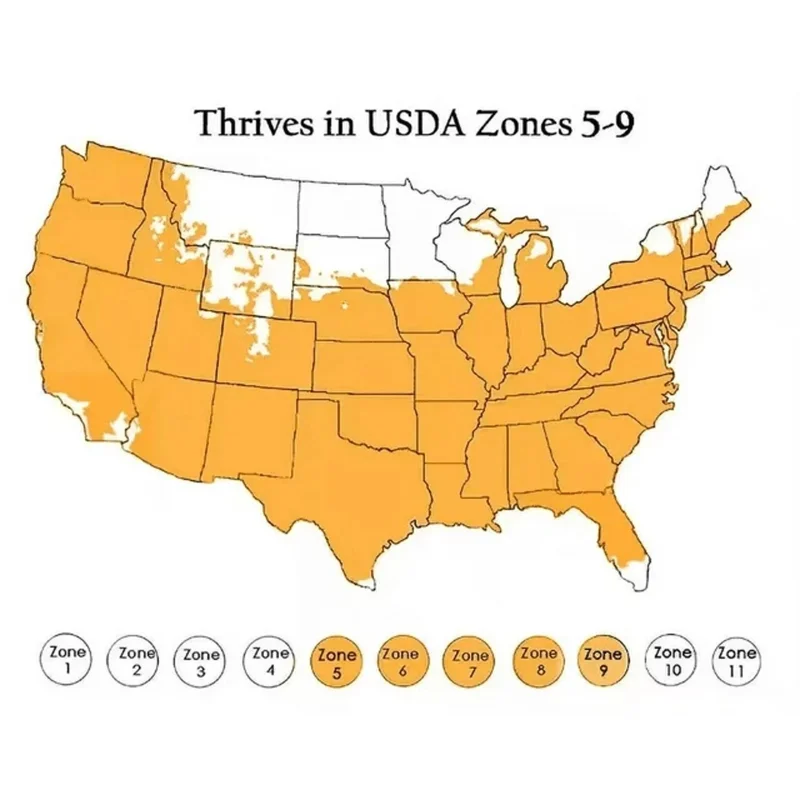
USDA zones 9-11 (outdoors); year-round indoors -
Soil Type
Well-draining succulent/cactus mix -
Sunlight Exposure
Full sun to bright indirect light -
Expected Planting Period
Year-round indoors
Overview
Embark on a fascinating gardening journey with Lithops Living Stones seeds. Often referred to as ‘Living Stones,’ Lithops are incredibly unique and captivating succulent plants that mimic the appearance of pebbles and rocks, providing exceptional camouflage in their natural arid habitats. Growing these botanical wonders from seed offers a deeply satisfying experience, allowing you to witness their slow and deliberate emergence into distinct, colorful forms. Each seed holds the promise of a miniature natural sculpture, making them a popular choice for collectors of rare and unusual plants, or anyone looking to add a touch of desert mystique to their indoor environment. These particular seeds are for the Lithops genus, known for its diverse species and stunning variety of patterns and colors once mature.
These rare succulent seeds are ideal for creating a miniature desert landscape, a unique terrarium, or simply adding an intriguing specimen to your windowsill collection. Their compact size and unusual appearance make them conversation starters and a joy to observe as they slowly develop their characteristic ‘split rock’ form. With proper care and patience, these seeds will germinate and grow into mature Lithops plants, each a tiny masterpiece of nature.
Key Benefits
Growing Lithops Living Stones seeds offers a variety of unique benefits for any plant enthusiast:
-
Unparalleled Aesthetic Appeal: Lithops are renowned for their distinctive, stone-like appearance, blending seamlessly with their environment. They add an exotic and artistic touch to any plant collection, making them a focal point in terrariums, rock gardens, or minimalist displays. Their unique patterns and colors are truly captivating.
-
Low Maintenance Requirements: Once established, Lithops are incredibly drought-tolerant and require minimal watering, making them perfect for busy individuals or those new to succulent care. Their ability to thrive on neglect makes them a highly rewarding plant.
-
Compact and Space-Saving: Due to their small size, Lithops are ideal for growing in small spaces, such as windowsills, desks, or apartments. You can cultivate a diverse collection of living stone plant seeds without needing extensive room.
-
Educational and Rewarding Growth Process: Observing Lithops grow from tiny seeds into mature ‘living stones’ is a fascinating and educational experience. It teaches patience and offers a unique insight into the slow and resilient nature of desert plants.
-
Unique Flowering Display: Despite their unassuming appearance, mature Lithops produce beautiful, daisy-like flowers, often in shades of yellow or white, that emerge from the ‘split’ during specific times of the year, adding an unexpected splash of color.
-
Child and Pet Safe: Lithops are generally considered non-toxic, making them a safer choice for households with pets and children compared to many other houseplants. This makes growing bonsai succulent seeds a worry-free hobby.
-
Conversation Starter: Their unusual form and growth habit make Lithops excellent conversation pieces, often sparking curiosity and admiration from guests.
Plant Care & Growing Tips
Successfully growing Lithops Living Stones seeds requires attention to specific environmental conditions, mimicking their natural desert habitat. Light is paramount; Lithops need abundant bright light, ideally full sun for at least 4-5 hours daily. Indoors, a south-facing window is often best, or you can supplement with a grow light to ensure they receive adequate intensity. Insufficient light will cause them to stretch and lose their compact, stone-like form. When starting from seed, provide consistent but gentle light to avoid scorching delicate seedlings.
Watering is the most critical aspect of Lithops care. They are highly susceptible to overwatering, which can quickly lead to rot. The ‘soak and dry’ method is best: water thoroughly only when the soil is completely dry, typically every 2-4 weeks during their active growth periods (usually spring and fall). During their dormant periods (summer and winter), watering should be drastically reduced or stopped entirely. Pay close attention to the plant’s appearance; if the tops look sunken, it’s time to water. For Lithops seeds, keep the soil consistently moist but not waterlogged until germination, then gradually reduce frequency.
A well-draining soil mix is absolutely essential. A good substrate for Lithops should consist mainly of inorganic materials like pumice, perlite, coarse sand, or akadama, with a small amount of potting soil. A mix of 80-90% inorganic material to 10-20% organic material is often recommended. This ensures rapid drainage and prevents water from sitting around the delicate roots. Lithops thrive in temperatures between 65-80°F (18-27°C) and can tolerate slightly cooler nights. They are not frost-hardy and should be protected from freezing temperatures. Fertilization is rarely needed; if you choose to fertilize, use a highly diluted, low-nitrogen succulent fertilizer once or twice during their active growing season. Common problems include overwatering leading to rot, and etiolation (stretching) from insufficient light. Ensuring proper light and careful watering are key to healthy living stone plant seeds and mature plants.
Size & Details
These bonsai succulent seeds will mature into compact, fascinating plants, typically reaching a height of about 0.5 to 1.5 inches (1.2 to 3.8 cm) and a similar width. Each seed promises to grow into a unique individual, showcasing a variety of patterns and colors characteristic of the Lithops genus. The seeds are small, requiring careful handling and planting. They are shipped in a protective packet, ensuring their viability upon arrival. Germination typically occurs within 1-3 weeks under optimal conditions, though some species may take longer. Full maturity, where the plant develops its iconic ‘split rock’ appearance and produces flowers, can take several years, making the growth of rare succulent seeds a journey of patience and observation.
These seeds are an excellent starting point for cultivating your own collection of these miniature desert gems. They are best started in shallow trays with a specialized gritty soil mix to ensure proper drainage and aeration for young seedlings. With consistent care and the right environment, you can enjoy watching these incredible plants emerge and thrive, adding a truly unique element to your indoor garden. The specific variety of Lithops can vary, offering a delightful surprise as they grow and mature.
Frequently Asked Questions
-
Q: How big do Lithops plants get from these seeds? A: Mature Lithops plants typically grow to be quite small, usually between 0.5 to 1.5 inches in height and width. They maintain a compact, low-growing form, making them perfect for small pots and arrangements. The size can vary slightly depending on the specific Lithops species and growing conditions.
-
Q: Is this an indoor or outdoor plant? A: While Lithops can thrive outdoors in very specific arid climates (USDA zones 9-11 or higher), they are most commonly grown as indoor plants in the US. This allows for better control over their light, temperature, and crucially, their watering schedule, which is vital for their survival. They make excellent windowsill or desk plants.
-
Q: How much sunlight do Lithops seeds and plants need? A: Lithops require a significant amount of bright light, preferably full sun for at least 4-5 hours daily. For seeds, provide bright, indirect light until germination, then gradually increase exposure. Mature plants will appreciate a south-facing window or supplemental grow lights indoors to prevent etiolation (stretching).
-
Q: Is this plant easy to care for? Is it good for beginners? A: Lithops can be considered moderately easy for beginners, provided you understand their specific watering needs. The biggest challenge is resisting the urge to overwater. If you can master the ‘less is more’ approach to watering, growing Lithops Living Stones seeds can be very rewarding for beginners.
-
Q: What condition will the Lithops seeds arrive in? A: The Lithops seeds will arrive in a small, protective packet designed to keep them safe and viable during transit. They are typically very small, so handle them with care upon opening. Instructions for planting are usually included or readily available online.
-
Q: How long until Lithops bloom from seed? A: Lithops grown from seed will take several years to reach maturity and begin flowering. Typically, they will start blooming when they are 3-5 years old, depending on growing conditions and species. The flowers are usually yellow or white and emerge from the split in the plant.
-
Q: What’s the minimum temperature Lithops can tolerate? A: Lithops are not frost-hardy. They prefer temperatures between 65-80°F (18-27°C) during their active growing season. They should be protected from any temperatures below 50°F (10°C) and absolutely from freezing, as cold can quickly damage or kill them. This is why growing rare succulent seeds indoors is often preferred in many climates.
-
Q: Are these Lithops seeds pet-safe? A: Yes, Lithops are generally considered non-toxic to pets, including cats and dogs. This makes them a safe and attractive choice for households with animals, allowing you to enjoy your living stone plant seeds without worry.
-
Q: What type of soil is best for growing Lithops seeds? A: A highly porous and well-draining soil mix is crucial. Use a specialized succulent and cactus mix, or create your own by combining a small amount of potting soil with a large proportion (80-90%) of inorganic materials like pumice, perlite, or coarse sand. This prevents water retention and promotes healthy root development for your bonsai succulent seeds.
-
Q: When is the best time to plant Lithops seeds? A: Lithops seeds can be sown year-round indoors under controlled conditions. However, many growers find success planting in spring or early fall, aligning with their natural growing seasons. Providing consistent warmth and humidity during germination is key, regardless of the season.
Be the first to review “Lithops Living Stones Seeds – Rare Succulent Cactus Flower Seeds”
People Also Viewed
Houseplants
Hoya Silver Pubicalyx Live Plant – 4 Inch Pot, Silver Splash Wax Plant, Trailing Indoor Houseplant
Reviews
There are no reviews yet.