
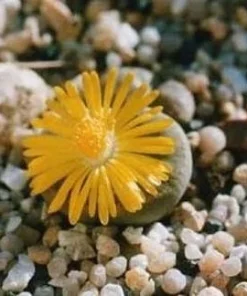
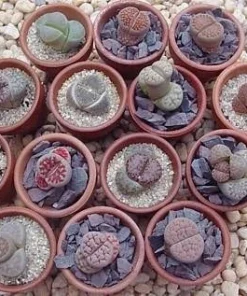
Lithops Live Plant – Living Stone Succulent – 2 inch Pot – Unique Indoor Plant
Original price was: $34.99.$24.99Current price is: $24.99.
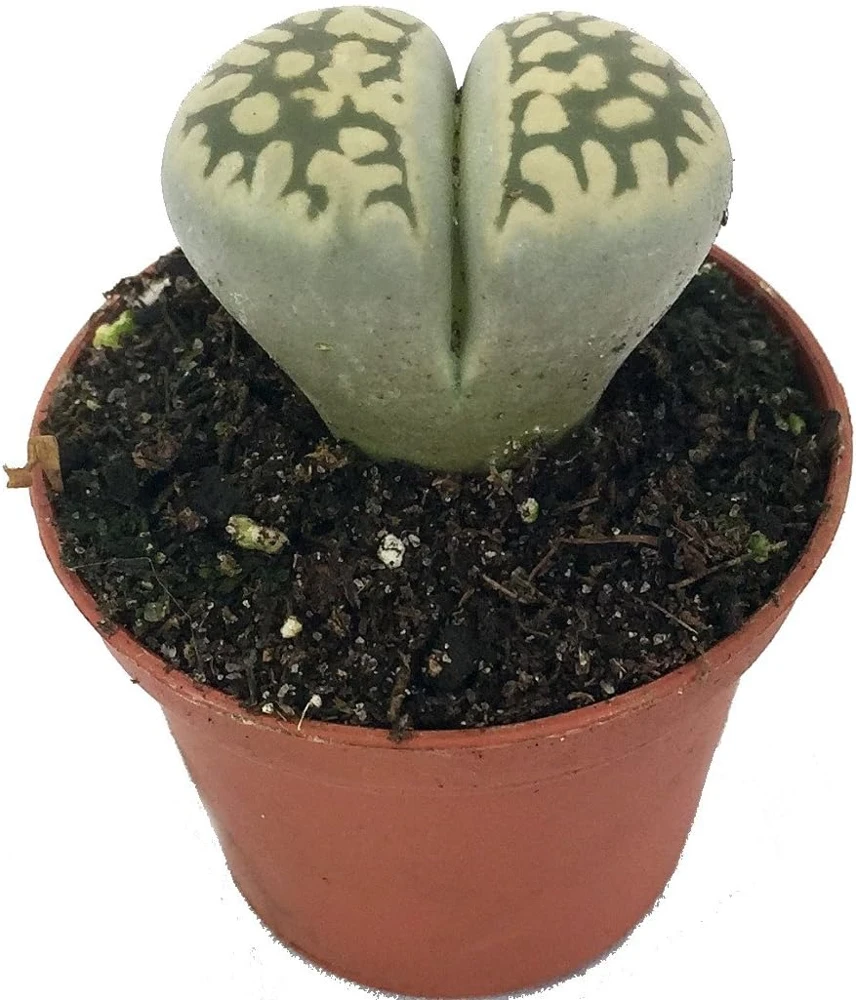
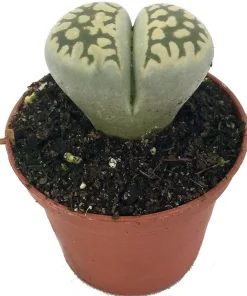
Bring home a fascinating Lithops live plant, also known as a living stone succulent. This unique 2 inch potted specimen is a true mimicry plant, blending seamlessly with its surroundings. Perfect for collectors and anyone seeking a low-maintenance, drought-tolerant addition to their indoor garden.
Estimated arrival
Sep 28
Oct 03 - Oct 05
Oct 08 - Oct 12
Shop With Confidence
30-Day Plant Health Guarantee
Arrives damaged? We’ll replace it free — see our return policy.
Responsive Support
Email us anytime, we reply within 1 business day.
Expert Packaging
Temperature-controlled shipping to protect your plants in transit.
Secure Checkout
Pay safely with Visa, Mastercard, PayPal.
Plant Specifications
-
USDA Hardiness Zone
USDA zones 9–11 (indoors elsewhere) -
Soil Type
Well-draining succulent/cactus mix -
Sunlight Exposure
Full sun to bright direct light -
Expected Planting Period
Year-round indoors
Overview
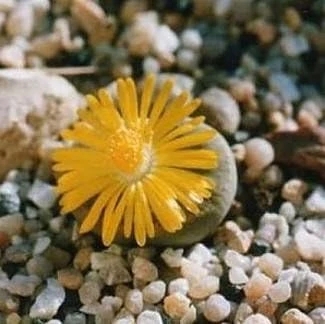
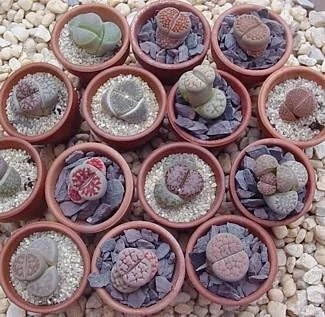
Introduce an extraordinary botanical marvel to your collection with the Lithops live plant. Commonly known as “flowering stones” or “living stones,” these remarkable succulents are true mimicry plants. Their unique shape, size, and color allow them to perfectly resemble small stones in their natural environment, serving as a clever form of protection against grazing animals. Native to the vast, dry regions of southern Africa, Lithops have evolved an incredible capacity to store water, with almost their entire body dedicated to this function. Each plant consists of two succulent leaves fused together in an inverted cone shape, with a fissure at the top marking the division. This fascinating adaptation makes them a captivating and conversation-starting addition to any indoor plant display or succulent collection. If you’re looking for a truly unusual and resilient plant, a living stone succulent is an excellent choice.
These peculiar plants are not only visually intriguing but also surprisingly easy to care for, making them suitable for both seasoned plant enthusiasts and beginners. Their ability to thrive in arid conditions means they require minimal watering and attention, making them an ideal choice for busy individuals or those new to succulent cultivation. The subtle beauty and deceptive camouflage of Lithops offer a unique aesthetic that can enhance any desk, windowsill, or terrarium setup. Explore the world of these intriguing desert dwellers and add a touch of natural wonder to your home with a thriving Lithops live plant.
Key Benefits
The Lithops live plant offers a range of unique benefits that make it a highly desirable addition to any plant collection. Its distinctive appearance and low-maintenance nature contribute to its popularity.
- Unique Aesthetic Appeal: Often called “living stones,” Lithops are true mimicry plants, offering a one-of-a-kind appearance that blends with natural stone. Their unusual form and subtle coloration make them a captivating focal point in any plant arrangement.
- Low Maintenance: These succulents are incredibly drought-tolerant and require minimal watering, making them perfect for busy individuals or those new to plant care. They thrive on neglect, making them one of the easiest plants to keep alive.
- Collector’s Item: Due to their unique appearance and specialized care requirements (though minimal), Lithops are highly sought after by succulent collectors and enthusiasts. Adding a living stone succulent enhances any diverse plant collection.
- Space-Saving Size: Growing to only a few inches in diameter, Lithops are ideal for small spaces, windowsills, or terrariums. Their compact size allows for multiple plants to be displayed without taking up much room.
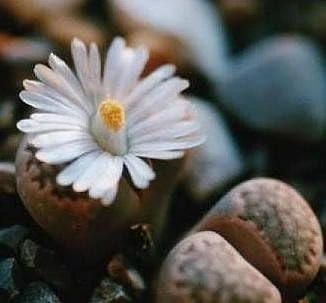
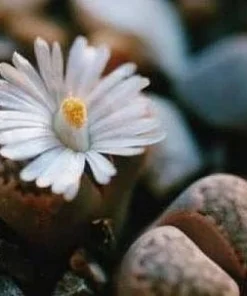
- Fascinating Growth Cycle: Witnessing the unique growth cycle, where new leaves emerge from the fissure of the old ones, is a rewarding experience. They occasionally produce beautiful, daisy-like flowers, adding another layer of interest.
- Drought-Tolerant: Adapted to harsh desert environments, these plants store water efficiently, requiring infrequent watering and making them resilient to dry conditions.
- Educational Value: They provide an excellent opportunity to learn about plant adaptations and mimicry in nature, making them a great educational tool for children and adults alike.
Plant Care & Growing Tips
Caring for your Lithops live plant is straightforward, provided you understand its unique needs as a desert succulent. The key to success lies in mimicking its natural arid habitat. These plants thrive in environments with abundant sunlight. They prefer at least 4-5 hours of direct sun daily, ideally from a south-facing window indoors. If direct sunlight is not possible, a very bright east or west-facing window can suffice, but growth may be slower. Insufficient light can lead to etiolation (stretching), which is detrimental to their compact form. When considering Lithops care, remember that proper light is paramount for their health and unique coloration.
Watering is the most critical aspect of Lithops care, and overwatering is the most common cause of their demise. These plants have distinct dormant and growth periods, and watering should align with these cycles. Generally, water only when the soil is completely dry and the plant shows signs of thirst (slight shrinking or softening). During their main growth period (late summer to early fall), water thoroughly, allowing the soil to dry out completely between waterings. Avoid watering when the old leaves are splitting to form new ones (late winter to spring) or during their summer dormancy, as this can cause rot. The soil should be extremely well-draining, such as a specialized succulent mix with high inorganic content like pumice, perlite, or coarse sand. A good rule of thumb for these strange plant specimens is “when in doubt, don’t water.”
Lithops prefer warm temperatures, ideally between 65-80°F (18-27°C) during their active growing season. They can tolerate cooler temperatures down to 50°F (10°C) during winter dormancy, but should be protected from frost. They are generally suited for USDA zones 9-11 if grown outdoors, but are primarily cultivated as indoor plants in most regions. Fertilization is rarely needed and should be done very sparingly, if at all, with a highly diluted low-nitrogen succulent fertilizer during their active growth phase. Pests are not a significant issue for Lithops, but watch out for mealybugs, which can be treated with rubbing alcohol. Proper ventilation is also beneficial to prevent fungal issues. Understanding these specific requirements will ensure your Lithops live plant thrives.
Size & Details
This Lithops live plant is delivered in a compact 2 inch pot, making it an ideal size for immediate display on windowsills, desks, or as part of a miniature succulent arrangement. Each living stone typically measures between 0.5 to 1 inch in diameter, though individual plants may vary slightly in size and shape, reflecting their natural diversity. Lithops are slow-growing succulents, developing new leaves and occasionally blooming over several years. They are shipped as established, rooted plants, ready to continue their growth in your care. Their small stature and unique form make them perfect for collectors seeking a distinctive addition to their indoor garden. Expect a healthy, well-rooted specimen that encapsulates the charm of a living stone succulent.
The plant’s mature size remains relatively small, generally not exceeding 1.5 to 2 inches in width, even after several years. This makes them a perfect choice for small apartments or offices where space is limited. They are typically shipped in their nursery pot with well-draining soil, ensuring minimal transplant shock upon arrival. While they do not grow tall, their unique patterns and occasional flowering make them a constantly evolving natural art piece. These plants are grown for their foliage and form, with flowers appearing sporadically, usually in the fall. This strange plant is guaranteed to add an element of intrigue to your home.
Frequently Asked Questions
- Q: How big does this Lithops live plant get? A: This Lithops live plant is shipped in a 2 inch pot, and the individual plant typically grows to about 0.5 to 1.5 inches in diameter. They remain compact, making them ideal for small spaces.
- Q: Is this an indoor or outdoor plant? A: Lithops are primarily grown as indoor plants in most climates due to their specific light and watering needs. They can be grown outdoors in very dry, warm climates (USDA zones 9-11) with excellent drainage.
- Q: How much sunlight does a living stone succulent need? A: A living stone succulent thrives in bright, direct sunlight for at least 4-5 hours daily. A south-facing window is usually ideal indoors. Insufficient light can lead to leggy growth.
- Q: Is this plant easy to care for? Is it good for beginners? A: While they have specific care requirements, especially regarding watering, Lithops are considered relatively easy for beginners who are mindful of not overwatering. They are very forgiving of underwatering.
- Q: What condition will the Lithops live plant arrive in? A: Your Lithops live plant will arrive as an established, rooted plant in its nursery pot, carefully packaged to ensure it reaches you in healthy condition, ready for its new home.
- Q: How often should I water my strange plant? A: Watering should be infrequent. Water only when the soil is completely dry and the plant shows signs of thirst, typically during late summer to early fall. Avoid watering during dormancy (winter to spring when new leaves emerge, and peak summer heat).
- Q: What type of soil is best for Lithops care? A: For optimal Lithops care, use an extremely well-draining succulent or cactus mix, ideally with a high percentage of inorganic materials like pumice, perlite, or coarse sand to prevent root rot.
- Q: When is the best time for Lithops for sale to bloom? A: Lithops typically bloom in the late summer or fall, producing small, daisy-like flowers that emerge from the fissure between the leaves. The flowering period can vary depending on growing conditions.
- Q: Will this living stone succulent survive winter in my zone? A: If you live outside USDA zones 9-11, it is best to grow your living stone succulent indoors, protected from frost. They cannot tolerate freezing temperatures.
- Q: How do I know when my Lithops needs water? A: Look for visual cues. If the top of the plant appears slightly sunken or wrinkled, it’s likely thirsty. If it looks plump and firm, it does not need water.
Be the first to review “Lithops Live Plant – Living Stone Succulent – 2 inch Pot – Unique Indoor Plant”
People Also Viewed
Reviews
There are no reviews yet.