






Japanese Maple Bonsai Tree Live Plant or Seeds – Acer palmatum – Indoor/Outdoor
Original price was: $36.99.$11.99Current price is: $11.99.
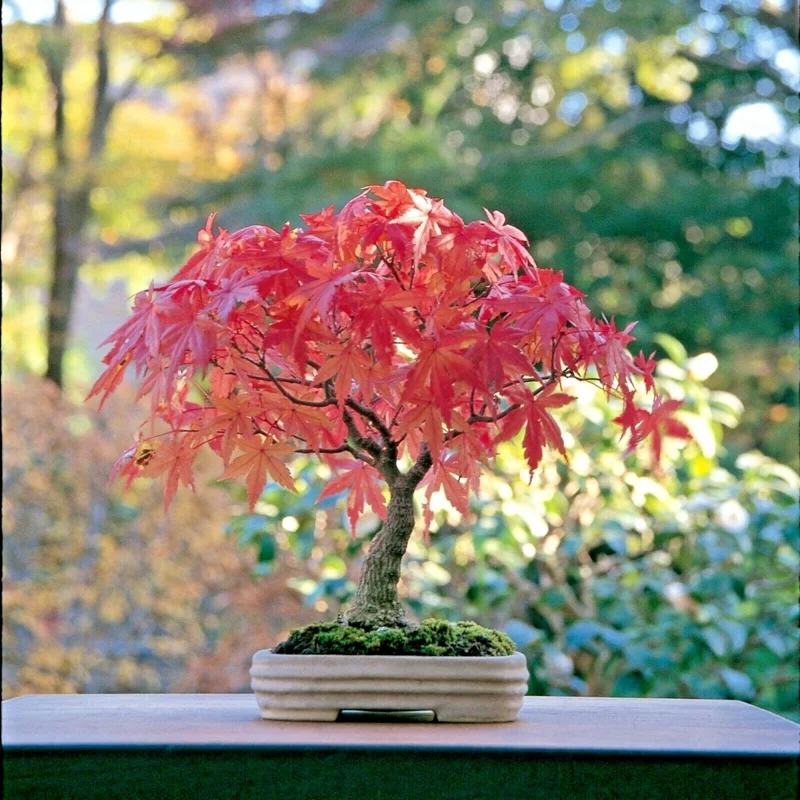
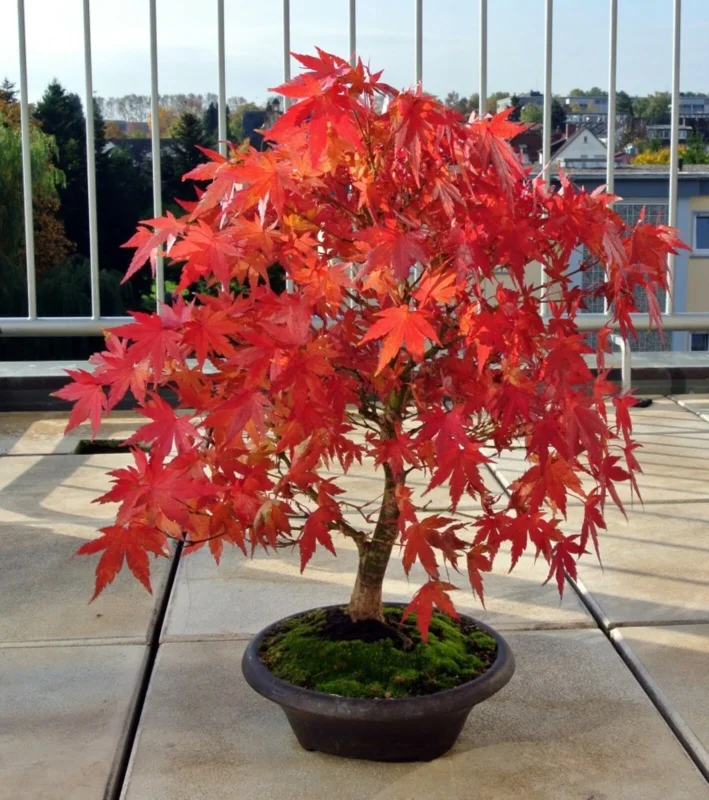
Bring elegance to your home or garden with a Japanese Maple Bonsai. Select either a beautiful Japanese maple live plant or high-quality Japanese maple seeds to begin your cultivation journey. This Acer palmatum bonsai is perfect for both indoor and outdoor settings, offering vibrant foliage and a graceful form.
Estimated arrival
Oct 15
Oct 20 - Oct 22
Oct 25 - Oct 29
Shop With Confidence
30-Day Plant Health Guarantee
Arrives damaged? We’ll replace it free — see our return policy.
Responsive Support
Email us anytime, we reply within 1 business day.
Expert Packaging
Temperature-controlled shipping to protect your plants in transit.
Secure Checkout
Pay safely with Visa, Mastercard, PayPal.
Plant Specifications
-
USDA Hardiness Zone
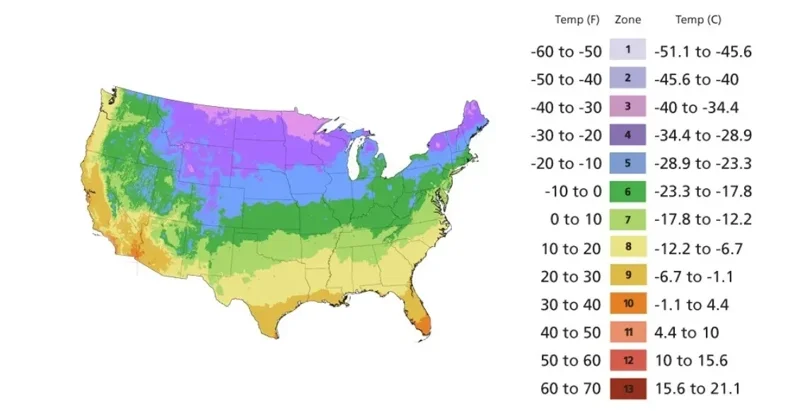
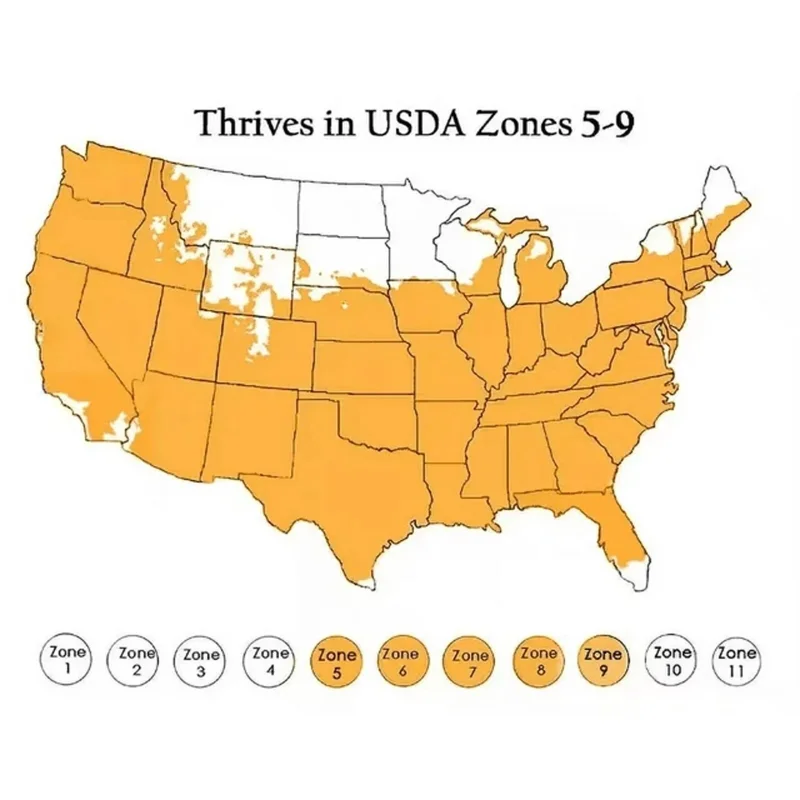
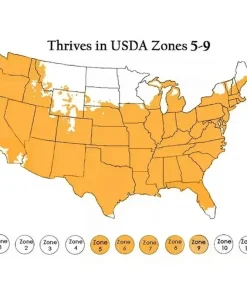
USDA Zones 5-9 -
Soil Type
Well-draining, slightly acidic bonsai soil -
Sunlight Exposure
Partial shade to full sun -
Expected Planting Period
Year-round indoors, Spring/Fall outdoors
Overview
Embark on the rewarding journey of cultivating a miniature masterpiece with our exquisite Japanese Maple Bonsai. This offering allows you to choose between a thriving Japanese maple live plant, ready to be trained and admired, or a packet of premium Japanese maple seeds for those who prefer to nurture their tree from its very beginning. Known scientifically as Acer palmatum, the Japanese Maple is a highly prized species for bonsai due to its naturally small leaves, delicate branching, and stunning seasonal color changes. Whether you’re an experienced bonsai enthusiast or a curious beginner, this beautiful tree promises to be a captivating addition to any indoor or outdoor space.
The allure of the Acer palmatum bonsai lies in its timeless beauty and the meditative practice of its care. Each tree is a living sculpture, reflecting the dedication of its grower. With proper attention, your Japanese Maple can become a focal point, offering serene beauty and a touch of nature’s artistry. The versatility of the Japanese Maple allows it to thrive in various environments, adapting gracefully to both sheltered indoor conditions and the open air of a garden or patio.
Key Benefits
Cultivating a Japanese Maple Bonsai offers a multitude of benefits, from enhancing aesthetic appeal to providing a calming hobby. These trees are not just plants; they are living art forms that bring tranquility and natural beauty into your environment. The specific attributes of the Acer palmatum make it an ideal choice for bonsai.
- Exceptional Aesthetic Appeal: The delicate, deeply lobed leaves and intricate branch structure create a visually stunning miniature tree, perfect for artistic display. The foliage often transitions through brilliant reds, oranges, and yellows in autumn, offering seasonal interest.
- Versatile for Indoor & Outdoor Display: This Japanese Maple Bonsai can be a captivating indoor houseplant in suitable conditions or a charming outdoor specimen, adding elegance to patios, balconies, or garden landscapes.
- Promotes Mindfulness & Relaxation: The art of bonsai cultivation is a meditative practice, encouraging patience, attention to detail, and a deep connection with nature, which can reduce stress and promote well-being.
- Symbolic Significance: Japanese Maples are often associated with peace, serenity, and endurance, making them a meaningful gift or personal emblem.
- Adaptable Growth Habit: The natural growth habit of Acer palmatum lends itself well to bonsai training, allowing for various artistic styles and forms to be achieved with relative ease compared to other tree species.
- Long Lifespan: With proper care, a Japanese Maple Bonsai can live for many decades, becoming a cherished heirloom and a testament to enduring beauty.
- Educational Experience: Starting from Japanese maple seeds or nurturing a young plant provides a hands-on learning experience in horticulture and the specialized techniques of bonsai.
Plant Care & Growing Tips
Proper care is crucial for the health and longevity of your Japanese Maple Bonsai. Whether you have a live plant or are growing from Japanese maple seeds, understanding its needs will ensure a thriving specimen. Japanese Maples generally prefer a balanced environment, avoiding extremes of heat, cold, or dryness.
Sunlight Requirements: Provide your Acer palmatum bonsai with partial shade to full sun. In hotter climates, protect it from intense afternoon sun, which can scorch the delicate leaves. A location that receives morning sun and afternoon shade is often ideal. If kept indoors, place it near a window with bright, indirect light, and consider rotating it periodically for even growth. For outdoor plants, ensure good air circulation to prevent fungal issues.
Watering Schedule: Water thoroughly when the top inch of soil feels dry to the touch. Japanese Maples do not like to dry out completely but also dislike sitting in waterlogged soil. During hot summer months, daily watering might be necessary. Reduce watering in winter as the plant enters dormancy. Use filtered water or rainwater if possible, as tap water can sometimes contain salts that accumulate in the soil over time.
Soil Type and Drainage: A well-draining, slightly acidic soil mix is essential. A good bonsai soil blend typically consists of akadama, pumice, and lava rock, ensuring excellent drainage and aeration while retaining some moisture. Avoid heavy, compact soils that can lead to root rot. Repotting is usually done every 1-2 years in early spring to refresh the soil and prune roots, promoting continuous healthy growth.
Temperature Range & USDA Hardiness Zone: Japanese Maples are deciduous and require a period of dormancy. They are generally hardy in USDA Zones 5-9. If growing outdoors in colder zones, protect the plant from freezing temperatures by moving it to an unheated garage or burying the pot. Indoors, maintain a consistent room temperature, but ensure it experiences a cool period during winter for proper dormancy. The ideal temperature for an Acer palmatum bonsai during its growing season is between 60-80°F (15-27°C).
Fertilization: Fertilize your Japanese Maple Bonsai during the growing season (spring through early autumn) with a balanced liquid bonsai fertilizer. Reduce or stop fertilization during winter dormancy. Follow the product instructions for dilution and frequency, typically every 2-4 weeks. Over-fertilization can harm the delicate roots of the bonsai.
Size & Details
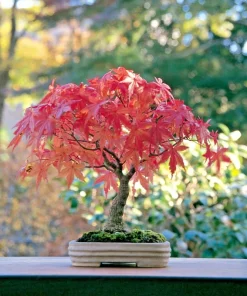
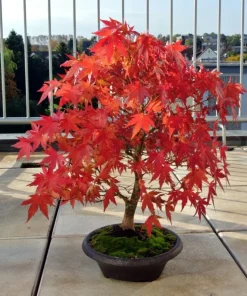
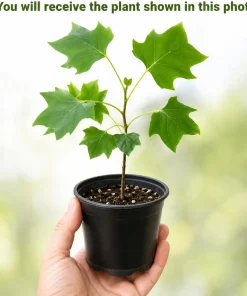
This offering provides flexibility to start your Japanese Maple Bonsai journey as either a live plant or from seeds. A live plant will typically arrive at a height of 5-8 inches for a small plant option, or 1-2 feet for a medium plant, and 3 gallons for a larger plant, ready for immediate training and display. If you choose the Japanese maple seeds option, you will receive a packet of fresh seeds, allowing you to experience the full growth cycle from germination. These trees are known for their relatively fast growth rate in their juvenile stages, making them a rewarding project for enthusiasts. The final size of a bonsai is largely determined by pruning and training, but an untrimmed specimen can reach several feet over many years. The vibrant red leaves, often seen in mature specimens, are a highlight, especially during the fall season.
Frequently Asked Questions
- Q: How big does this plant get? A: The size of a Japanese Maple Bonsai is controlled through pruning and training. While a natural Japanese Maple can grow quite large, a bonsai is maintained at a compact size, typically ranging from 6 inches to 2 feet in height, depending on the desired style and age.
- Q: Is this an indoor or outdoor plant? A: The Acer palmatum bonsai can be grown both indoors and outdoors. It requires a period of dormancy, so if kept indoors year-round, ensure it experiences cooler temperatures during winter. Outdoors, it thrives in partial shade.
- Q: How much sunlight does it need? A: This Japanese Maple Bonsai prefers partial shade to full sun. In hot climates, protect it from intense afternoon sun to prevent leaf scorch. Indoors, a bright, indirect light location is ideal.
- Q: Is this plant easy to care for? A: While bonsai care requires attention and consistency, a Japanese Maple Bonsai is considered moderately easy for beginners willing to learn the basics of watering, pruning, and repotting. It’s a great choice for those interested in bonsai tree care.
- Q: What condition will it arrive in? A: If you order a live plant, it will arrive carefully packaged, either as a small plant (5-8 inches), medium plant (1-2 feet), or large plant (3 gallon), ready for planting or placement. If you order Japanese maple seeds, you’ll receive a packet of viable seeds.
- Q: When is the best time to plant Japanese maple seeds? A: The best time to plant Japanese maple seeds is typically in late fall or early spring after a period of stratification (cold treatment). This mimics their natural germination cycle.
- Q: Will it survive winter in my zone? A: Japanese Maples are deciduous and hardy in USDA Zones 5-9. If you are in a colder zone (below 5), outdoor plants will need winter protection, such as moving them to an unheated garage or burying the pot to prevent root freezing.
- Q: What is the typical growth rate of an Acer palmatum bonsai? A: The growth rate of an Acer palmatum bonsai is moderate to fast when young, especially in its first few years. This makes it responsive to training and shaping, allowing you to quickly see results from your bonsai efforts.
| Options | 1,000 Seeds, 100 Seeds, 25 Seeds, 5,000 Seeds, 50 Seeds, 500 Seeds, Large Plant (3 Gallon), Medium Plant (1-2Ft), Sample Seed Pack (5), Small Plant (5-8 Inches), Starter Seed Pack (10) |
|---|
Be the first to review “Japanese Maple Bonsai Tree Live Plant or Seeds – Acer palmatum – Indoor/Outdoor”
People Also Viewed
Reviews
There are no reviews yet.