


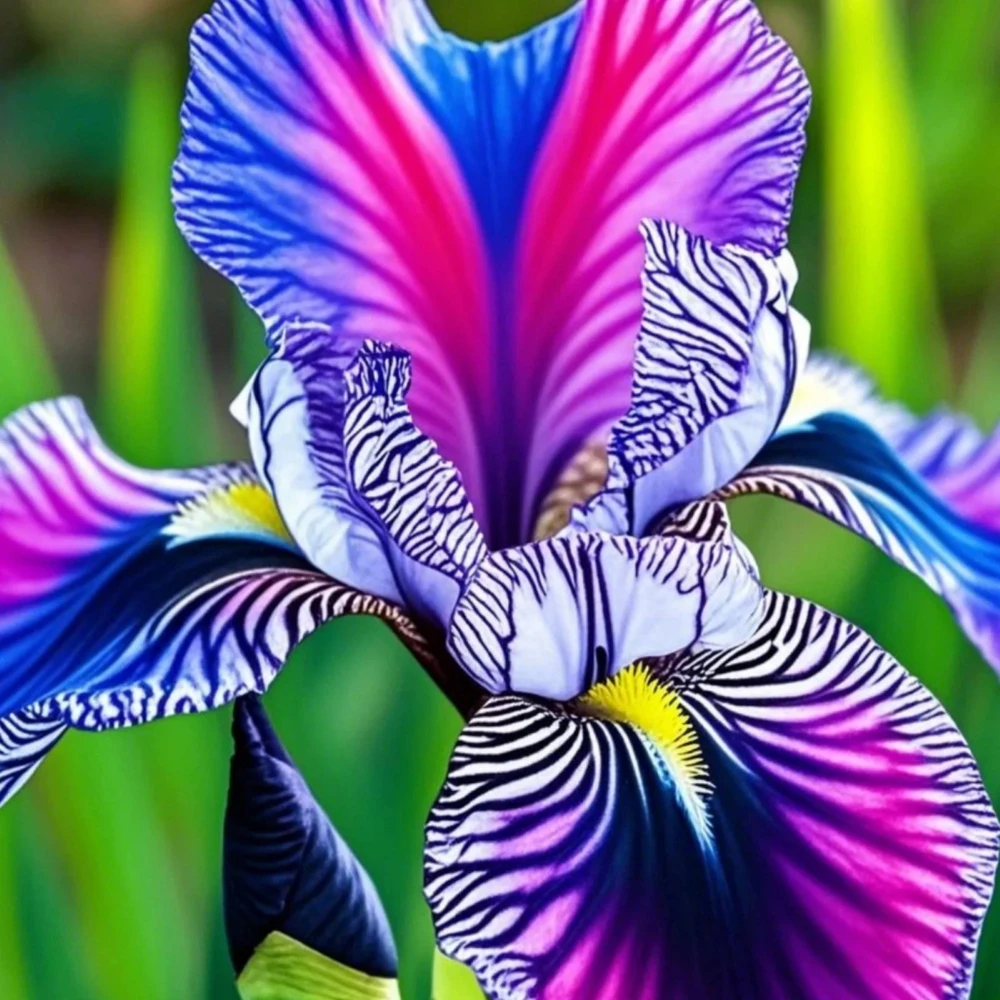
Iris Seeds Zebra Multi-Color – Fresh Flowering Plant Seeds
Original price was: $55.99.$30.99Current price is: $30.99.
Cultivate beautiful, vibrant multi-color iris plants with these premium iris seeds multi-color. Each packet contains fresh seeds ready to sprout into stunning blooms, perfect for enhancing any garden or landscape. Enjoy the unique patterns and easy growth of these lovely flowering plant seeds.
Estimated arrival
Oct 27
Nov 01 - Nov 03
Nov 06 - Nov 10
Shop With Confidence
30-Day Plant Health Guarantee
Arrives damaged? We’ll replace it free — see our return policy.
Responsive Support
Email us anytime, we reply within 1 business day.
Expert Packaging
Temperature-controlled shipping to protect your plants in transit.
Secure Checkout
Pay safely with Visa, Mastercard, PayPal.
Plant Specifications
-
USDA Hardiness Zone
USDA zones 3-9 -
Soil Type
Well-draining soil, slightly acidic to neutral -
Sunlight Exposure
Full sun -
Expected Planting Period
Late summer to early fall (outdoors) or late winter (indoors)
Overview
Embark on a rewarding gardening journey with our premium iris seeds multi-color. These exceptional seeds promise to transform your garden into a kaleidoscope of vibrant hues, featuring unique zebra-like patterns that are sure to captivate. Unlike traditional bulbs, growing iris from seed offers a distinct sense of accomplishment and allows for greater genetic variation, potentially yielding novel color combinations. Our fresh iris seeds multi-color are carefully selected to ensure high germination rates, providing you with the best possible start for cultivating these magnificent flowering plants. Whether you’re a seasoned gardener or just beginning, these seeds offer an accessible and enjoyable way to introduce the timeless elegance and dramatic beauty of iris flowers into your outdoor space.
The allure of the iris lies not only in its striking appearance but also in its historical significance and diverse symbolism. Known for their intricate petals and rich colors, iris flowers have been admired for centuries. With our zebra iris seeds, you can cultivate a truly unique collection of iris, each bloom a testament to nature’s artistry. These seeds are a fantastic option for gardeners looking to expand their plant collection economically and with a personal touch. Prepare to witness the magic as these tiny seeds unfurl into spectacular blossoms, bringing life and color to your garden beds, borders, or containers.
Key Benefits
Growing iris seeds multi-color offers a multitude of advantages, both for the gardener and the garden itself. These benefits extend beyond just the visual appeal, contributing to a more robust and diverse plant ecosystem.
- Stunning Visual Appeal: Our iris seeds multi-color produce breathtaking blooms with a wide spectrum of colors and intricate patterns, including unique zebra-like markings. These vibrant flowers serve as a spectacular focal point in any garden, drawing admiration and enhancing curb appeal.
- Economical Gardening: Starting your iris collection from fresh iris seeds is a cost-effective alternative to purchasing mature plants or bulbs. It allows you to cultivate a larger quantity of plants for a fraction of the price, maximizing your gardening budget.
- Rewarding Growing Experience: There’s immense satisfaction in watching a plant grow from a tiny seed to a magnificent flower. Cultivating flowering plant seeds like iris provides a fulfilling and educational experience, connecting you more deeply with nature’s cycles.
- Genetic Diversity: Growing iris seeds multi-color can result in a broader range of characteristics and unique color variations compared to propagating from bulbs. This genetic diversity can lead to unexpected and delightful surprises in your garden.
- Attracts Pollinators: Iris flowers are known to attract beneficial pollinators such as bees and butterflies, contributing to a healthier and more vibrant garden ecosystem. By planting these beautiful flowers, you’re supporting local wildlife.
- Adaptability and Hardiness: Irises are generally robust and adaptable plants once established. With proper care, these plants grown from iris seeds multi-color can thrive in various climates and soil conditions, offering long-lasting beauty.
- Versatile Landscaping Use: These multi-color irises are perfect for a variety of landscaping applications, including garden beds, borders, rock gardens, and even container planting. Their striking appearance makes them suitable for both formal and informal garden designs.
Plant Care & Growing Tips
Successfully growing iris seeds multi-color requires attention to a few key aspects to ensure robust growth and abundant blooms. Understanding the specific needs of iris plants will help you cultivate healthy and vibrant specimens from your fresh iris seeds. Proper site selection and soil preparation are paramount for these flowering plant seeds to thrive.
For optimal growth, iris plants prefer a location that receives at least 6 hours of full sun daily. While they can tolerate partial shade, too little sun may result in fewer blooms. The soil should be well-draining, as irises are susceptible to rot in waterlogged conditions. A slightly acidic to neutral pH (6.0-7.0) is ideal. Amend heavy clay soils with organic matter like compost or sand to improve drainage. When planting your iris seeds multi-color, sow them about 1/4 inch deep and space them a few inches apart. Keep the soil consistently moist but not waterlogged during the germination period, which can take several weeks to a few months. Once established, irises are relatively drought-tolerant but will benefit from regular watering during dry spells, especially when they are actively growing or flowering. Avoid overhead watering to reduce the risk of fungal diseases.
Fertilization should be done sparingly; an all-purpose balanced fertilizer applied in early spring can promote vigorous growth and blooming. Avoid high-nitrogen fertilizers, which can encourage foliage at the expense of flowers. Iris plants are generally hardy and can withstand a range of temperatures, typically thriving in USDA zones 3-9, though specific varieties may have different tolerances. Protect young seedlings from extreme cold. Common problems include iris borer, which can be managed by removing infested leaves, and fungal diseases like leaf spot, which can be prevented by ensuring good air circulation and avoiding overwatering. Regular weeding around your iris plants will reduce competition for nutrients and water, ensuring your zebra iris seeds develop into strong, beautiful plants. For those new to gardening, learning how to grow iris from seed can be a deeply satisfying experience.
Size & Details
Our iris seeds multi-color are supplied as fresh, viable seeds, ready for planting. Each seed packet contains a generous quantity, typically 50 seeds, offering a great opportunity to cultivate a substantial display of these beautiful flowers. When mature, iris plants grown from these seeds typically reach a height of 18-36 inches (45-90 cm) with a similar spread, depending on the specific variety and growing conditions. The growth rate is moderate, with plants usually blooming in their second year after sowing. These flowering plant seeds are best sown in late summer or early fall for natural stratification, or indoors in late winter for a head start on the growing season. The vibrant blooms, showcasing a stunning array of colors and patterns, typically appear in late spring to early summer, creating an eye-catching spectacle in your garden. Our fresh iris seeds are selected for their quality and potential to produce vigorous and floriferous plants.
Frequently Asked Questions
- Q: How big do iris plants grown from these seeds get? A: Iris plants from these iris seeds multi-color typically grow to a height of 18-36 inches (45-90 cm) with a similar spread. The exact size can vary based on growing conditions and specific genetic variations from the seeds.
- Q: Is this an indoor or outdoor plant? How much sunlight does it need? A: Iris plants are primarily outdoor plants. They thrive in locations that receive at least 6 hours of full sun per day. While they can tolerate some partial shade, abundant sunlight is crucial for robust blooming.
- Q: Is this plant easy to care for? Is it good for beginners? A: Growing iris from seed can be a rewarding experience for both beginners and experienced gardeners. While germination can take time, once established, iris plants are relatively low-maintenance and hardy, making them a good choice for those looking to expand their gardening skills.
- Q: What condition will the seeds arrive in? A: Our fresh iris seeds are carefully packaged to ensure they arrive in excellent, viable condition, ready for planting. We prioritize the quality and freshness of our zebra iris seeds to give you the best chance of success.
- Q: When is the best time to plant these iris seeds? A: For best results, sow these flowering plant seeds in late summer or early fall for natural cold stratification over winter, leading to spring germination. Alternatively, you can start them indoors in late winter after a period of artificial stratification.
- Q: What kind of soil do these iris seeds prefer? A: Iris plants prefer well-draining soil with a slightly acidic to neutral pH (6.0-7.0). Amending heavy soils with organic matter will improve drainage, which is crucial for healthy root development and preventing rot.
- Q: Will these multi-color iris seeds produce fragrant flowers? A: While not all iris varieties are strongly fragrant, many produce a delicate, pleasing scent. The fragrance can vary among the diverse blooms that emerge from your iris seeds multi-color.
- Q: How long until the plants bloom after planting the seeds? A: Iris plants grown from these seeds typically begin to flower in their second year after sowing. The first year is primarily dedicated to establishing a strong root system and foliage.
- Q: Are these iris plants drought-tolerant? A: Once established, iris plants are moderately drought-tolerant. However, they benefit from consistent moisture during active growth and flowering periods. Avoid prolonged dry spells, especially for young plants.
- Q: Can I grow these iris in containers? A: Yes, these iris seeds multi-color can be successfully grown in containers, provided the containers are large enough to accommodate the plant’s mature size and have excellent drainage. Container growing allows for greater flexibility in placement.
Be the first to review “Iris Seeds Zebra Multi-Color – Fresh Flowering Plant Seeds”
People Also Viewed

Vegetables
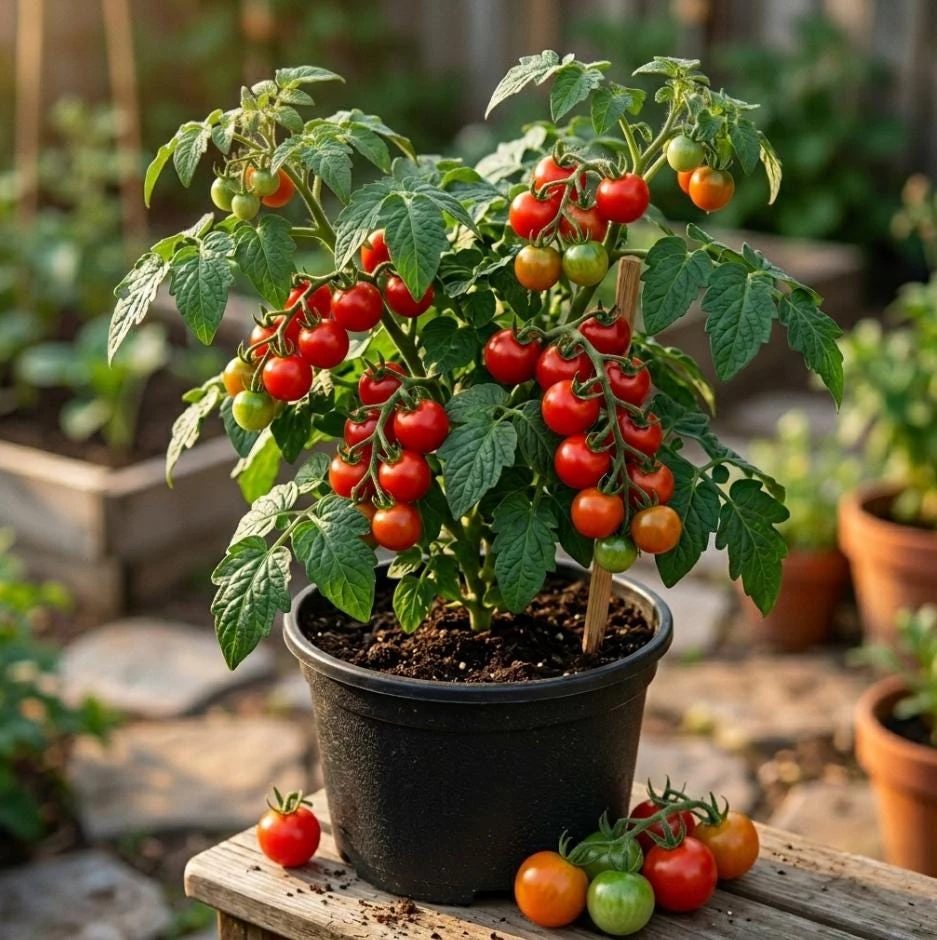
Cherry Tomato Plants Live – Set of 2, 3-5 Inch Tall in 4-Inch Pot, Sweet Edible Garden Vegetables
Reviews
There are no reviews yet.