


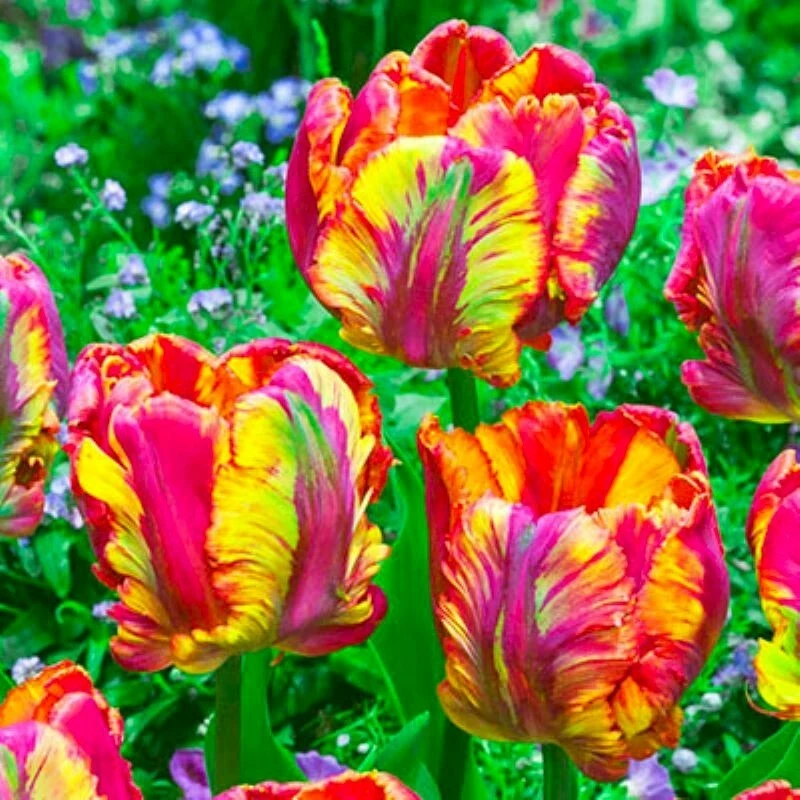
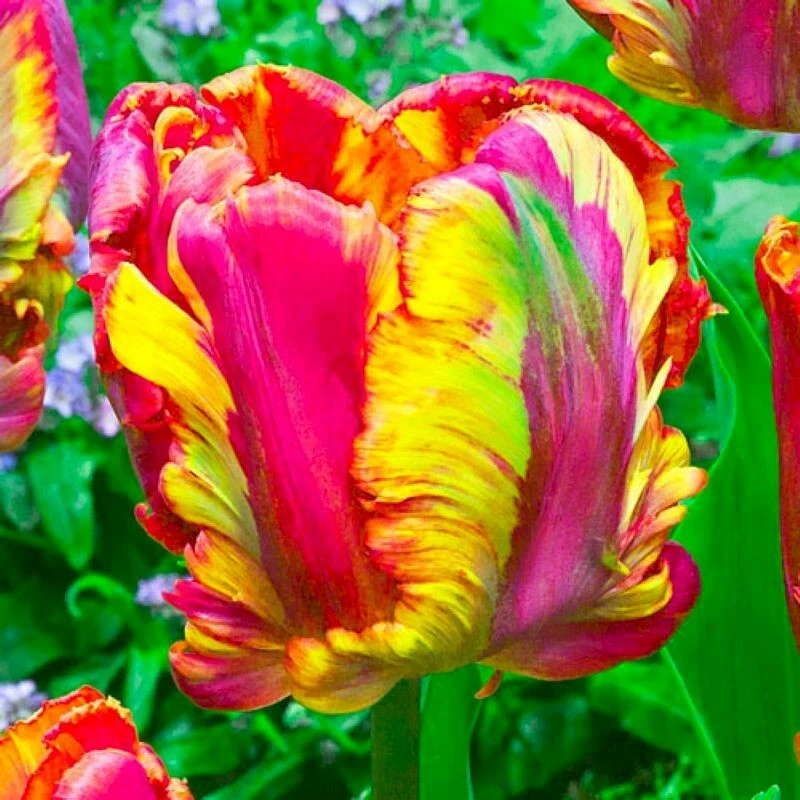
100 Tulip Flower Seeds – Grow Vibrant Blooms
Original price was: $55.99.$30.99Current price is: $30.99.
Cultivate a breathtaking display of color with these 100 Tulip Flower Seeds. Perfect for gardens, borders, or containers, these seeds promise vibrant spring blooms. Enjoy the beauty of tulips from seed, a rewarding gardening experience for all skill levels.
Estimated arrival
Oct 27
Nov 01 - Nov 03
Nov 06 - Nov 10
Shop With Confidence
30-Day Plant Health Guarantee
Arrives damaged? We’ll replace it free — see our return policy.
Responsive Support
Email us anytime, we reply within 1 business day.
Expert Packaging
Temperature-controlled shipping to protect your plants in transit.
Secure Checkout
Pay safely with Visa, Mastercard, PayPal.
Plant Specifications
-
USDA Hardiness Zone
USDA zones 3-8 (for mature plants after bulb development) -
Soil Type
Well-draining sandy loam -
Sunlight Exposure
Full sun -
Expected Planting Period
Fall
Overview
Unleash the beauty of spring in your garden with our premium tulip flower seeds. This generous pack contains 100 Tulip Flower Seeds, offering an economical and rewarding way to cultivate a vibrant display of one of the world’s most beloved flowers. Tulips, scientifically known as Tulipa, are renowned for their striking cup-shaped blooms and a vast array of colors, making them a quintessential symbol of renewal and beauty. Growing tulips from seed allows for a unique gardening journey, offering the satisfaction of nurturing these magnificent plants from their very beginning. While often associated with bulbs, starting tulips from seed provides an opportunity to observe their full life cycle and potentially discover new variations. These fresh seeds are ready to grow, promising a delightful addition to any garden landscape, transforming your outdoor space into a canvas of spectacular hues.
Our tulip flower seeds are selected for their quality, ensuring a higher chance of successful germination and robust plant growth. Imagine rows of elegant tulips gracing your flower beds, creating stunning focal points, or adding a touch of sophistication to your patio containers. This method of growing tulips is particularly appealing for gardeners who enjoy the process of cultivation and wish to experience the full journey of a plant’s development. Whether you’re an experienced horticulturist or just beginning your gardening adventure, these seeds offer an accessible path to achieving a garden filled with the timeless charm of tulips. Prepare to be enchanted by the delicate unfolding of petals and the rich colors that will emerge from these promising seeds.
Key Benefits
Cultivating tulips from seed brings a multitude of benefits to your garden and your gardening experience. These tulip flower seeds offer an accessible and engaging way to introduce these iconic blooms into your landscape.
- Economical Beauty: Starting with 100 Tulip Flower Seeds is a cost-effective way to achieve a large, stunning tulip display compared to purchasing mature bulbs. You get more blooms for your buck, allowing for extensive planting.
- Rewarding Gardening Experience: Nurturing tulips from seed to flower is an incredibly satisfying journey. Witnessing the plant’s full life cycle, from tiny seed to magnificent bloom, offers a profound connection to nature and a sense of accomplishment.
- Diverse Color Palette: While specific colors may vary from seed, tulips are famous for their incredible range of vibrant hues, including reds, yellows, pinks, purples, and whites, ensuring your garden will be bursting with diverse and vibrant tulip blooms.
- Adaptability for Various Settings: These tulips are versatile and can thrive in various garden settings, including flower beds, borders, rock gardens, and even containers, allowing you to personalize your landscape design.
- Potential for Unique Varieties: Growing from seed can sometimes lead to interesting genetic variations, potentially resulting in unique color combinations or patterns that are truly one-of-a-kind, adding an element of surprise to your garden.
- Long-Lasting Spring Display: Once established, these tulips will provide a beautiful and long-lasting floral show in the spring, enhancing your garden’s aesthetic appeal for weeks.
- Attracts Pollinators: While not the primary draw, tulips can attract early spring pollinators like bees, contributing to the biodiversity of your garden ecosystem.
Plant Care & Growing Tips
Successfully growing tulip flower seeds requires a bit of patience and attention to detail, but the results are incredibly rewarding. Tulips generally prefer a temperate climate with distinct seasons, including a cold winter period for proper development. It is crucial to understand the ideal conditions to ensure your seeds germinate and flourish into beautiful flowers. For optimal growth, plant your tulip flower seeds in a location that receives full sun, meaning at least 6 hours of direct sunlight per day. Adequate sunlight is vital for strong stem development and vibrant coloration of the vibrant tulip blooms.
The soil should be well-draining to prevent rot, as tulips are sensitive to excessively wet conditions. A sandy loam soil enriched with compost is ideal. Ensure the pH is neutral to slightly acidic (6.0-7.0). After planting, water thoroughly but avoid overwatering. Keep the soil consistently moist but not waterlogged during the germination period. Once established, tulips are relatively drought-tolerant but will benefit from consistent moisture during dry spells, especially when they are actively growing and blooming. Fertilize sparingly with a balanced, slow-release fertilizer in the fall or early spring to support healthy growth. Understanding a detailed tulip planting guide will significantly enhance your success. Protect young seedlings from pests and diseases by ensuring good air circulation and removing any diseased foliage promptly. Learning how to grow tulip seeds successfully will provide years of enjoyment.
Size & Details
This package contains 100 Tulip Flower Seeds, providing ample opportunity to cultivate a beautiful and extensive tulip garden. When mature, tulips typically grow to a height of 12 to 24 inches (30-60 cm) depending on the specific variety, with blooms ranging from 2 to 4 inches (5-10 cm) in diameter. The growth rate from seed to flowering plant can take several years, as tulips grown from seed will first establish a bulb before producing their iconic flowers. This process is part of the charm of growing tulips this way, offering a long-term gardening project. These seeds are suitable for planting in various container sizes or directly into garden beds. The freshest seeds are provided, ready for sowing according to your local climate and preferred planting season. Expect the first few years to be dedicated to bulb development, with stunning vibrant tulip blooms appearing thereafter.
Frequently Asked Questions
- Q: How long does it take to grow tulips from seed? A: Growing tulips from seed can take several years to reach flowering maturity, as the plant first needs to develop a mature bulb. Patience is key when you grow tulip seeds.
- Q: When is the best time to plant tulip seeds? A: The best time to plant tulip flower seeds is typically in the fall, allowing them to undergo a period of cold stratification over winter, which aids germination in the spring. Refer to a comprehensive tulip planting guide for regional specifics.
- Q: What kind of soil is best for tulip seeds? A: Tulips thrive in well-draining soil, preferably a sandy loam that is rich in organic matter. Avoid heavy clay soils that retain too much moisture, which can lead to rot.
- Q: How much sunlight do tulip plants need? A: Mature tulip plants require full sun, meaning at least 6 hours of direct sunlight per day, to produce the most beautiful and vibrant tulip blooms. Young seedlings also benefit from bright light.
- Q: Are these perennial tulip seeds? A: Yes, most tulips are perennial, meaning they can return year after year if conditions are favorable. Growing them from seed initiates this perennial cycle.
- Q: Can I grow tulips from these seeds indoors? A: While it’s possible to start seeds indoors, tulips typically require a cold dormancy period to flower successfully. It’s often more practical to grow them outdoors where they can experience natural seasonal changes.
- Q: How deep should I plant the tulip seeds? A: Plant tulip flower seeds about 1/4 inch deep (0.6 cm) in well-prepared soil, gently covering them with a thin layer of soil after planting.
- Q: Do tulip seeds need special care during germination? A: Keep the soil consistently moist but not waterlogged during the germination phase. Providing a cold stratification period (either naturally outdoors or artificially) is crucial for successful germination of tulip flower seeds.
- Q: What will the flowers look like from these seeds? A: While specific colors can vary when growing from seed, you can expect a beautiful mix of colors typical of garden tulips, leading to a display of vibrant tulip blooms.
- Q: How often should I water my tulip seedlings? A: Water regularly to keep the soil moist but allow the top inch of soil to dry out slightly between waterings to prevent fungal issues.
Be the first to review “100 Tulip Flower Seeds – Grow Vibrant Blooms”
People Also Viewed

Flower Seeds


Vegetable Seeds
Pink Grapefruit Tomato Seeds – 15 Seeds – Yellow Skin, Low Acid


Uncategorized
Reviews
There are no reviews yet.