
Hydrangea Paniculata Live Plant – Starter Shrub 4-6 Inch Tall in 2×4 Inch Pot
Original price was: $50.99.$20.99Current price is: $20.99.
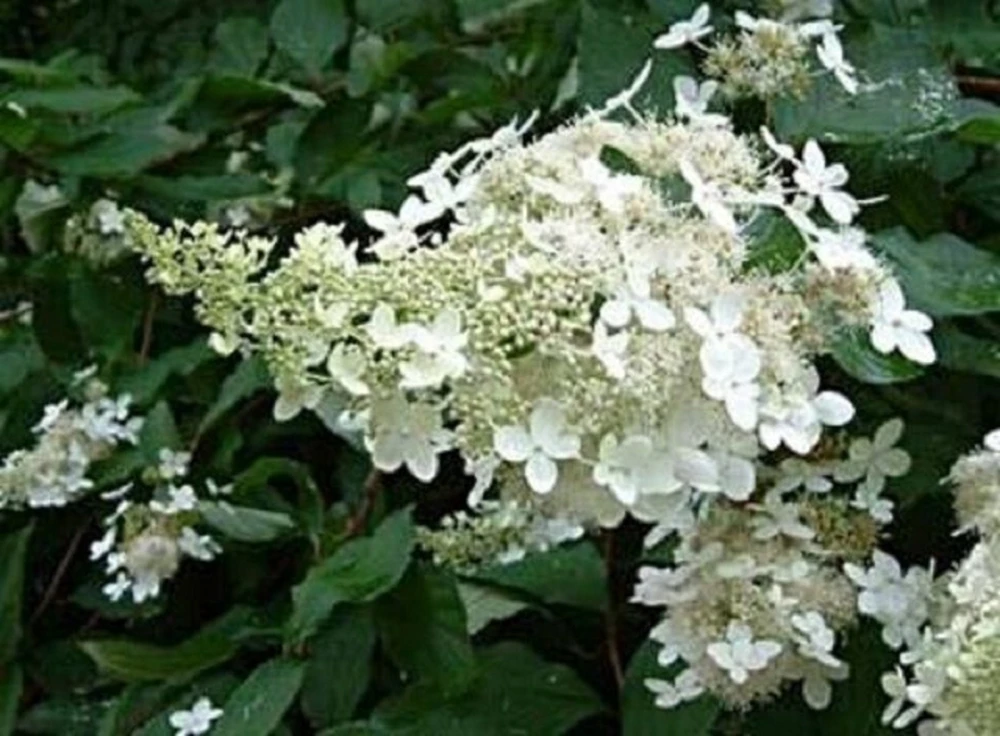
Bring elegant beauty to your garden with this Hydrangea Paniculata live plant. This well-rooted starter shrub, approximately 4-6 inches tall, is delivered in a 2×4 inch pot. Known for its winter hardiness and beautiful cream-colored summer blooms, it’s a perfect addition for zones 4-9.
Estimated arrival
Nov 07
Nov 12 - Nov 14
Nov 17 - Nov 21
Shop With Confidence
30-Day Plant Health Guarantee
Arrives damaged? We’ll replace it free — see our return policy.
Responsive Support
Email us anytime, we reply within 1 business day.
Expert Packaging
Temperature-controlled shipping to protect your plants in transit.
Secure Checkout
Pay safely with Visa, Mastercard, PayPal.
Plant Specifications
-
USDA Hardiness Zone
4-9 -
Soil Type
Rich, well-draining, consistently moist soil -
Sunlight Exposure
Full sun to partial shade -
Expected Planting Period
Spring to early summer
Overview
Introduce timeless elegance to your landscape with the Hydrangea Paniculata live plant. This offering is for a well-rooted starter plant, approximately 4-6 inches in height, carefully cultivated and ready for planting in your garden. The Panicle Hydrangea shrub, as it’s commonly known, is a beloved deciduous shrub celebrated for its stunning, cone-shaped flower clusters that emerge in summer. These beautiful blooms typically begin as a creamy white and often mature to lovely shades of pink or red as the season progresses, providing extended visual interest. This robust and winter-hardy shrub is an excellent choice for a wide range of garden designs, from mixed borders to accent plantings, promising a spectacular display of flowers year after year. Its adaptability and showy nature make it a favorite among gardeners seeking reliable beauty.
The botanical name, Hydrangea paniculata, refers to its distinctive panicle-shaped flower clusters. This particular variety is known for its vigorous growth and ability to thrive in various conditions, making it a versatile choice for many climates. Even when dormant or leafless, as starter plants often are, it possesses a strong root system ready to establish itself and flourish. Expect a rewarding experience as this small plant grows into a magnificent shrub, gracing your outdoor space with its charming floral presence and enduring appeal. The transformation from a modest starter to a full-sized, flowering specimen is a true joy for any plant enthusiast.
Key Benefits
The Hydrangea Paniculata live plant offers numerous advantages, making it a highly desirable addition to any garden. Its hardiness and striking appearance contribute significantly to its appeal and value.
- Spectacular Summer Blooms: Enjoy abundant clusters of creamy white, lace-like flowers throughout the summer months. These blooms provide long-lasting color and textural interest, transforming your garden into a vibrant sanctuary. The flowers are perfect for cutting and bringing indoors.
- Color-Changing Foliage: Witness a fascinating color transformation as the blooms age, often shifting from cream to beautiful pink or reddish hues. This extended visual appeal ensures your garden remains dynamic and engaging for a longer period.
- Exceptional Winter Hardiness: This hardy Hydrangea plant is incredibly resilient, thriving in USDA Zones 4-9. It can withstand cold temperatures and harsh winters, making it a reliable choice for gardeners in diverse climates and ensuring a robust return each spring.
- Versatile Landscape Use: Ideal for various garden applications, including hedges, borders, mass plantings, or as a striking specimen plant. Its adaptable nature allows it to fit seamlessly into both formal and informal garden designs, enhancing any outdoor space.
- Low Maintenance Shrub: Once established, the Panicle Hydrangea shrub is relatively low-maintenance, requiring minimal fuss to produce its impressive floral display. It’s an excellent choice for both experienced gardeners and those new to shrub care, offering maximum beauty with minimal effort.
- Attracts Pollinators: The abundant flowers are a magnet for beneficial pollinators like bees and butterflies, contributing to the biodiversity and health of your garden ecosystem.
- Drought Tolerance: While it prefers consistently moist soil, established plants exhibit a good degree of drought tolerance, making it a more forgiving option during drier periods compared to some other Hydrangea varieties.
Plant Care & Growing Tips
Caring for your Hydrangea Paniculata live plant is straightforward, ensuring a beautiful and thriving shrub for years to come. Understanding its basic needs for sunlight, water, and soil will lead to a robust and floriferous specimen. This cream flowering shrub is quite adaptable, but optimal conditions will encourage the best growth and bloom production.
For sunlight, the Panicle Hydrangea shrub performs best in full sun to partial shade. In northern climates, full sun (at least 6 hours of direct sunlight per day) will encourage the most abundant flowering. In hotter, southern regions, some afternoon shade is beneficial to protect the plant from intense heat and prevent scorching of leaves and flowers. Consistent moisture is key, especially during the establishment phase. Water regularly, ensuring the soil remains consistently moist but not waterlogged. Deep watering is preferred to encourage a strong root system. Once established, it becomes more tolerant of short dry spells, but regular watering during dry periods will support continuous blooming.
The ideal soil for your Hydrangea Paniculata care should be rich, well-draining, and slightly acidic to neutral (pH 6.0-7.0). Amend heavy clay soils with organic matter like compost to improve drainage and aeration. Sandy soils can also benefit from organic matter to help retain moisture and nutrients. Fertilize in early spring with a balanced, slow-release granular fertilizer formulated for flowering shrubs. Avoid excessive nitrogen, which can promote leafy growth at the expense of flowers. Pruning is best done in late winter or early spring while the plant is dormant, as Hydrangea paniculata blooms on new wood. Remove any dead, damaged, or weak branches, and shape the plant as desired. You can also prune to control size or encourage a bushier habit. This hardy Hydrangea plant is generally pest and disease resistant, but monitor for common issues like aphids or powdery mildew and treat with appropriate organic or chemical controls if necessary.
Size & Details
This offering is for a healthy Hydrangea Paniculata live plant, supplied as a well-rooted starter specimen. Each plant is approximately 4-6 inches tall, measured from the soil line, and comes securely planted in a 2 x 4 inch nursery pot. This size is ideal for easy transplanting and allows the plant to quickly establish itself in your garden. As a fast-growing shrub, you can expect significant growth within the first few seasons after planting, eventually reaching a mature height of up to 6 feet tall and a similar spread, depending on variety and growing conditions. The plant will be shipped dormant or leafless during cooler months, which is a normal and healthy state for deciduous shrubs and ensures a stress-free transition.
The root system is robust and ready to take hold in its new environment. While the plant may appear small upon arrival, its inherent vigor ensures it will develop into a substantial and beautiful cream flowering shrub. Expect the first significant bloom production within 1-2 years of planting, with increasing floriferousness as the plant matures. This starter plant provides an economical and satisfying way to introduce this magnificent Panicle Hydrangea shrub to your landscape, offering the joy of watching it grow and flourish from its early stages.
Frequently Asked Questions
- Q: How big does this Hydrangea Paniculata live plant get? A: This starter plant is approximately 4-6 inches tall upon arrival. Mature Hydrangea Paniculata shrubs can typically grow up to 6 feet tall and wide, depending on the specific cultivar and growing conditions in your garden.
- Q: Is this an indoor or outdoor plant? A: The Hydrangea Paniculata live plant is primarily an outdoor shrub. It is winter hardy in USDA Zones 4-9 and requires outdoor conditions to thrive and produce its signature blooms.
- Q: How much sunlight does this hardy Hydrangea plant need? A: This plant prefers full sun to partial shade. In cooler climates, full sun (6+ hours) is ideal for best flowering. In hotter regions, it benefits from some afternoon shade to protect it from intense heat.
- Q: What condition will the plant arrive in? A: Your Hydrangea Paniculata live plant will arrive as a well-rooted starter plant in a 2 x 4 inch pot. During colder months, it may arrive dormant and leafless, which is normal for this deciduous shrub and indicates a healthy, resting plant ready to sprout in spring.
- Q: Is this plant easy to care for? Is it good for beginners? A: Yes, the Panicle Hydrangea shrub is considered relatively easy to care for, making it an excellent choice for both experienced and beginner gardeners. It’s quite forgiving and resilient once established.
- Q: How long until this cream flowering shrub blooms? A: With proper care, you can expect your Hydrangea Paniculata live plant to begin producing its characteristic cream-colored flowers within 1-2 years of planting. Bloom production will increase as the plant matures.
- Q: What is the best time to plant this Hydrangea Paniculata? A: The best time to plant your Hydrangea Paniculata live plant is in spring or early fall, allowing the roots ample time to establish before extreme summer heat or winter cold.
- Q: Will it survive winter in my zone? A: This hardy Hydrangea plant is suitable for USDA Hardiness Zones 4-9, meaning it is well-equipped to survive typical winter conditions within these zones.
- Q: What kind of soil does this plant prefer? A: It thrives in rich, consistently moist, well-draining soil with a slightly acidic to neutral pH. Amending the soil with organic matter will greatly benefit its growth.
- Q: Can I prune my Hydrangea Paniculata? A: Yes, pruning should be done in late winter or early spring while the plant is dormant, as it flowers on new wood. This helps maintain shape, size, and promotes vigorous blooming.
Be the first to review “Hydrangea Paniculata Live Plant – Starter Shrub 4-6 Inch Tall in 2×4 Inch Pot”
People Also Viewed



Houseplants
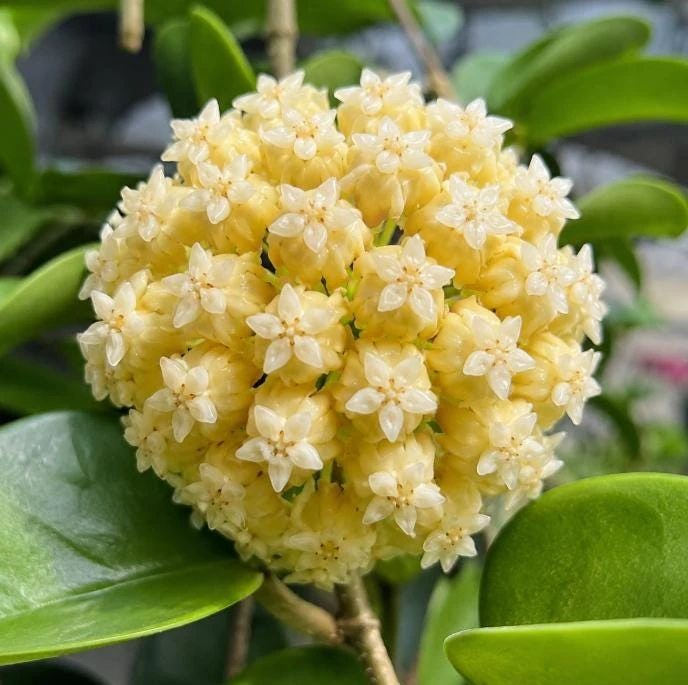
Hoya Incrassata Live Plant – Tropical Wax Plant – 4 Inch Pot – Indoor Trailing Houseplant

Reviews
There are no reviews yet.