
Honey Queen Everbearing Raspberry Live Plant – Sweet Yellow Gold Berries, Zones 3-8
Original price was: $62.99.$47.99Current price is: $47.99.
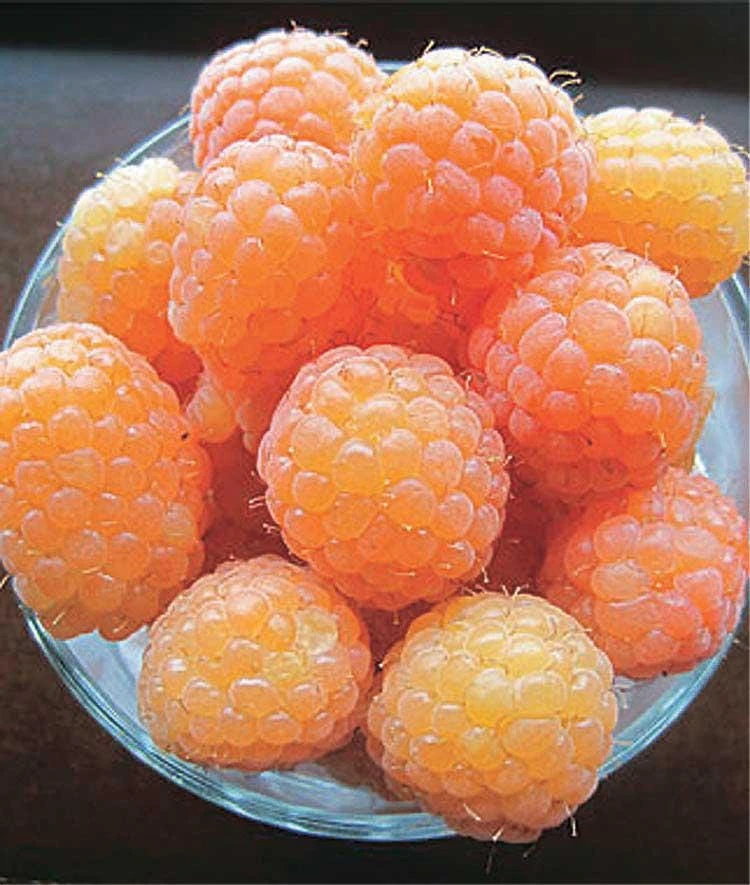
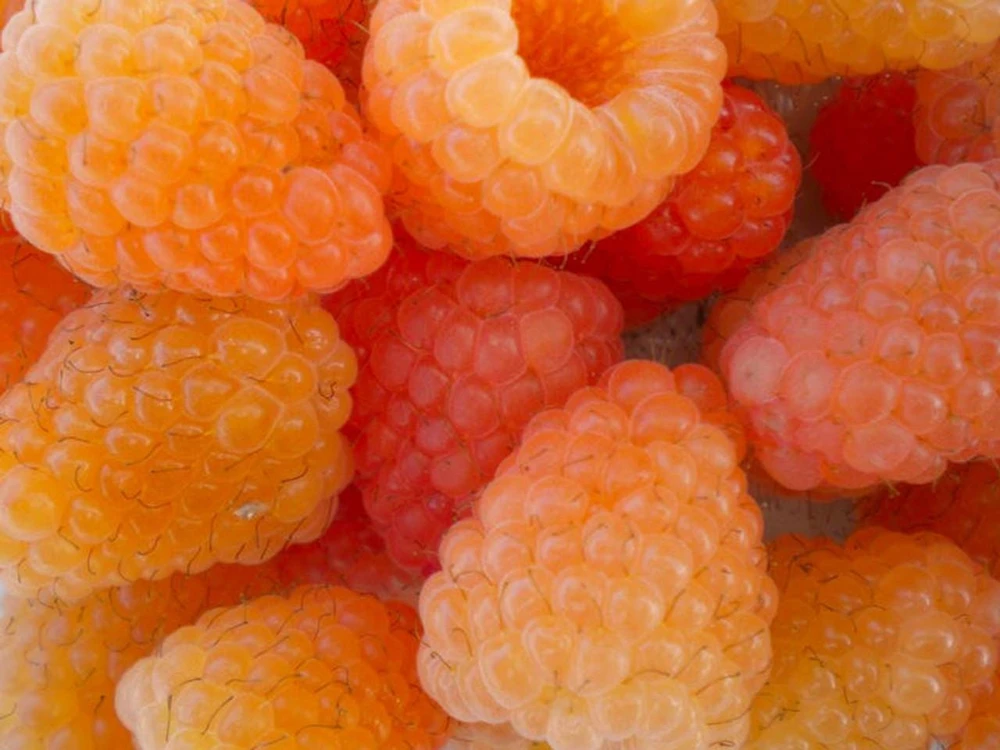
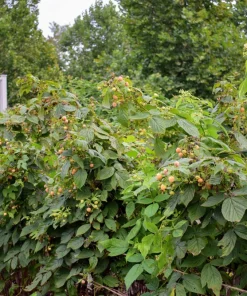
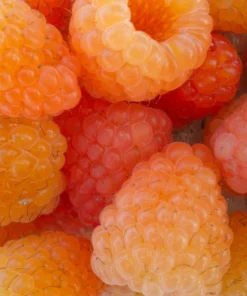
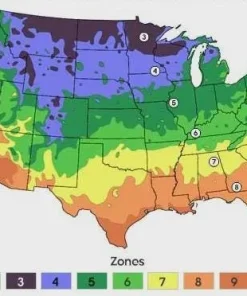
Cultivate your own delightful honey queen raspberry live plant. This everbearing raspberry plant produces delicious, sweet yellow-gold berries with a distinct honey flavor. It’s a self-pollinating raspberry, perfect for home gardens in USDA Zones 3-8, offering fruit from mid to late summer.
Estimated arrival
Sep 17
Sep 22 - Sep 24
Sep 27 - Oct 01
Shop With Confidence
30-Day Plant Health Guarantee
Arrives damaged? We’ll replace it free — see our return policy.
Responsive Support
Email us anytime, we reply within 1 business day.
Expert Packaging
Temperature-controlled shipping to protect your plants in transit.
Secure Checkout
Pay safely with Visa, Mastercard, PayPal.
Plant Specifications
-
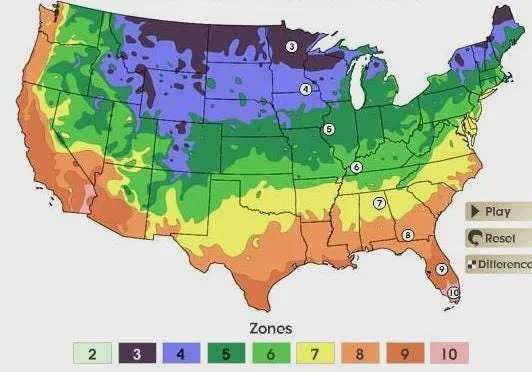
USDA Hardiness Zone
USDA Zones 3-8 -
Soil Type
Well-draining, rich in organic matter -
Sunlight Exposure
Full sun to partial shade -
Expected Planting Period
Early spring or early fall
Overview
Bring the joy of fresh, homegrown fruit to your garden with the honey queen raspberry live plant. This exceptional variety, scientifically known as Rubus idaeus, is celebrated for its incredibly sweet, honey-flavored yellow-gold berries. Unlike traditional red raspberries, the ‘Honey Queen’ offers a unique, less tart taste that is truly a gourmet experience. As an everbearing raspberry plant, it provides a continuous harvest through the summer and into the fall, ensuring a bountiful supply for eating fresh, cooking, freezing, or canning. Developed in Alberta, Canada, this robust plant is well-suited for a wide range of climates, thriving particularly well in USDA Zones 3-8. It’s an excellent choice for both novice and experienced gardeners looking to add a distinctive and productive fruiting plant to their landscape.
Key Benefits
The honey queen raspberry live plant offers numerous advantages for the home gardener, combining ease of care with a high yield of delicious fruit. Its unique characteristics make it a standout choice:
- Exceptional Flavor: Enjoy uniquely sweet, honey-flavored yellow-gold berries that are less tart than red varieties. This gourmet taste makes them perfect for fresh eating, desserts, or preserves.
- Everbearing Harvest: As an everbearing raspberry plant, it produces fruit on second-year canes from mid to late summer, offering a prolonged harvesting period throughout the season.
- Self-Pollinating Convenience: This variety is a self-pollinating raspberry, meaning you only need one plant to produce fruit. This simplifies planting and ensures a reliable yield.
- Adaptable Growing Conditions: The ‘Honey Queen’ is remarkably adaptable, performing well in full sun and even tolerating partial shade, especially in hotter climates where afternoon shade can be beneficial. It’s suitable for a broad range of USDA Hardiness Zones.
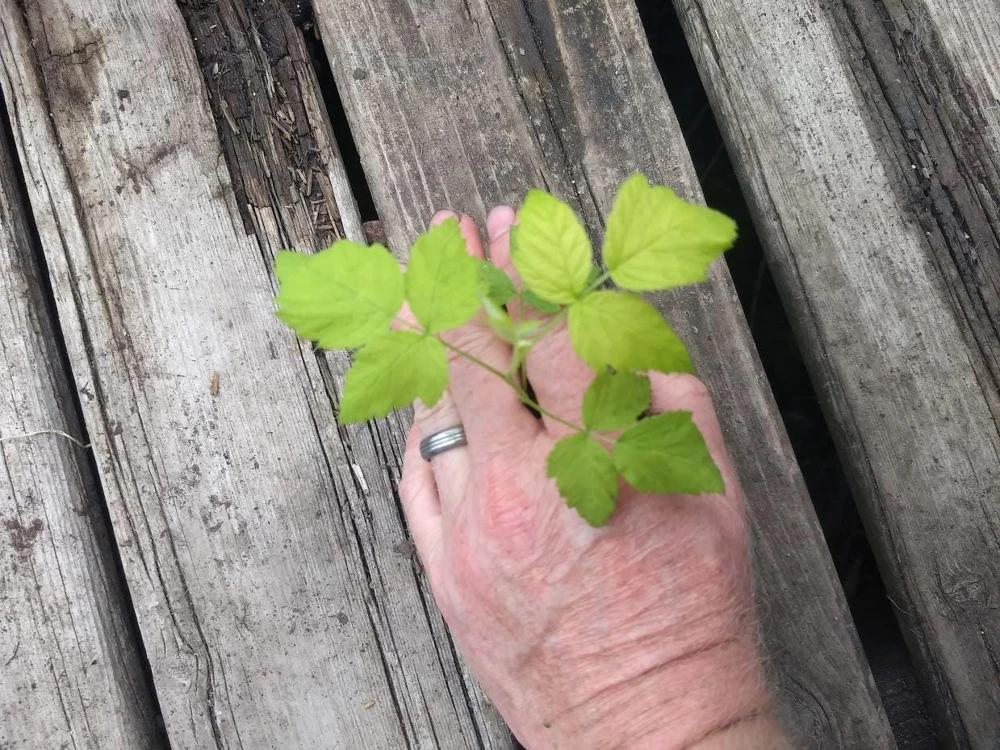
- Thornless Characteristics: While technically having small bumps, this plant is considered virtually thornless, making harvesting a much more pleasant experience and reducing the risk of scratches.
- Versatile Culinary Uses: The delicious yellow raspberries are perfect for a variety of culinary applications, including fresh eating, baking, making jams and jellies, juicing, and freezing for later use.
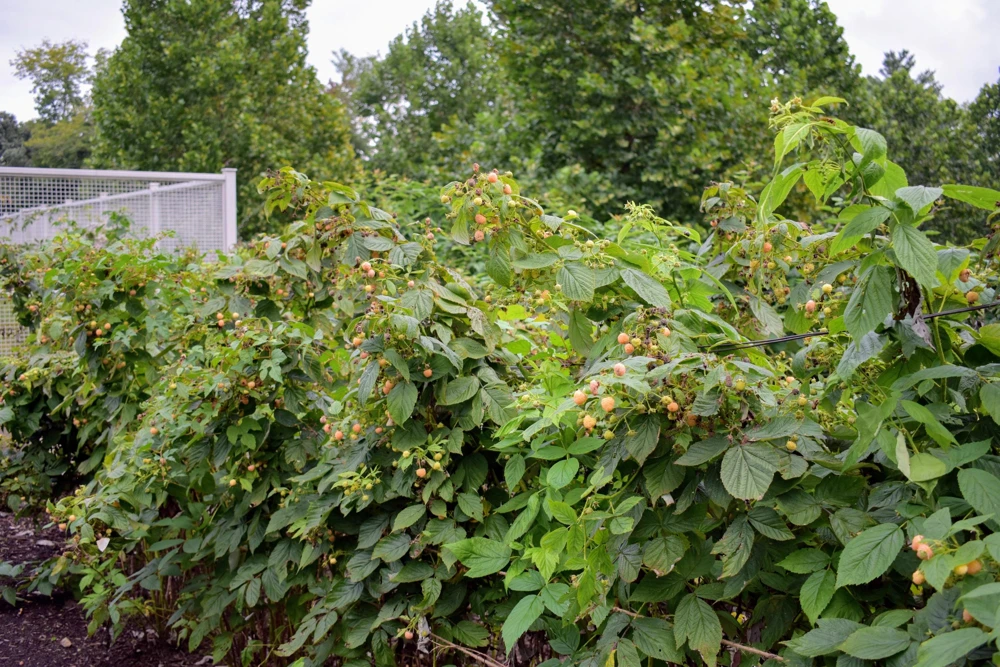
- Robust Growth: Vines can reach an impressive 6-8 feet tall, providing ample space for fruit production. This vigorous growth ensures a healthy, productive plant for years to come.
Plant Care & Growing Tips
Caring for your honey queen raspberry live plant is straightforward, ensuring a rewarding harvest of sweet berries. These plants prefer a location with full sun, meaning at least 6-8 hours of direct sunlight per day. In regions with intense summer heat, providing some afternoon shade can prevent scorching and improve fruit quality. The ideal soil for a yellow raspberry plant is well-draining, rich in organic matter, with a slightly acidic to neutral pH (6.0-7.0). Amend heavy clay soils with compost to improve drainage and aeration. Regular watering is crucial, especially during dry spells and when the plant is fruiting. Aim to keep the soil consistently moist but not waterlogged. Deep watering is better than frequent shallow watering.
Fertilize your honey queen raspberry live plant in early spring with a balanced granular fertilizer or a slow-release organic option. Avoid excessive nitrogen, which can promote leafy growth at the expense of fruit production. Pruning is essential for everbearing varieties like ‘Honey Queen’. After the first year’s summer crop, prune back the canes that have fruited to the ground. New canes will emerge for the next season’s crop. For the fall crop, you can prune the tips of the canes that fruited in summer or remove them entirely to encourage more vigorous new growth. The plant is hardy in USDA Zones 3-8. Protecting the canes in colder zones with mulch during winter can be beneficial. Watch out for common pests like aphids and spider mites, treating them with organic insecticidal soaps if necessary. Ensuring good air circulation can help prevent fungal diseases.
Size & Details
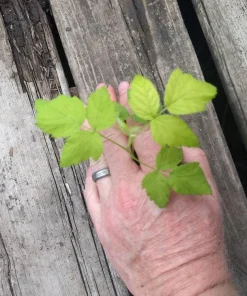
Each order includes one rooted starter plant of the honey queen raspberry live plant, ready for planting in your garden. These plants are typically sent in a dormant or actively growing state, depending on the season, and are carefully packaged to ensure safe arrival. Upon planting, these vigorous vines will grow to an impressive height of 6-8 feet, providing a substantial framework for abundant fruit production. The plants are known for their medium to large, golden-yellow berries that ripen from mid to late summer. While they may produce some fruit in their first year if planted early, a full harvest is typically expected from the second year onwards. The everbearing nature ensures a continuous supply of delicious berries, making this a highly productive addition to any home orchard or garden.
Frequently Asked Questions
- Q: How big does this honey queen raspberry live plant get? A: These raspberry vines can reach a height of 6-8 feet tall, providing a good amount of space for berry production. They are vigorous growers and will establish quickly in suitable conditions.
- Q: Is this an indoor or outdoor plant? A: The honey queen raspberry live plant is an outdoor plant, best suited for garden cultivation where it can receive adequate sunlight and space to grow. It thrives in various outdoor garden settings.
- Q: How much sunlight does the yellow raspberry plant need? A: This plant prefers full sun, ideally 6-8 hours of direct sunlight per day. In very hot climates, providing some afternoon shade can be beneficial to protect the berries from scorching.
- Q: Is this plant easy to care for? A: Yes, the ‘Honey Queen’ raspberry is relatively easy to care for, making it suitable for gardeners of all experience levels. With proper sunlight, water, and occasional pruning, it will yield delicious fruit.
- Q: What condition will the everbearing raspberry plant arrive in? A: Your plant will arrive as a rooted starter plant, carefully packaged to protect it during transit. Depending on the season, it may be dormant or actively growing, ready for you to plant.
- Q: When is the best time to plant a rubus idaeus plant? A: The best time to plant is typically in early spring after the last frost, or in early fall. This allows the plant to establish its root system before extreme temperatures.
- Q: Will this self-pollinating raspberry survive winter in my zone? A: The ‘Honey Queen’ raspberry is hardy in USDA Zones 3-8. In colder zones, mulching around the base can provide extra winter protection for the canes.
- Q: Can I use these yellow raspberries for canning or freezing? A: Absolutely! The sweet, honey-flavored berries from your honey queen raspberry live plant are excellent for fresh eating, and also perfect for canning, freezing, making jams, jellies, and desserts.
Be the first to review “Honey Queen Everbearing Raspberry Live Plant – Sweet Yellow Gold Berries, Zones 3-8”
People Also Viewed
Fruits
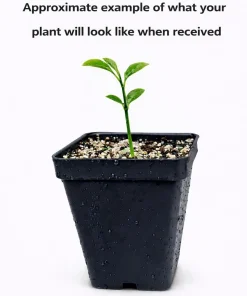
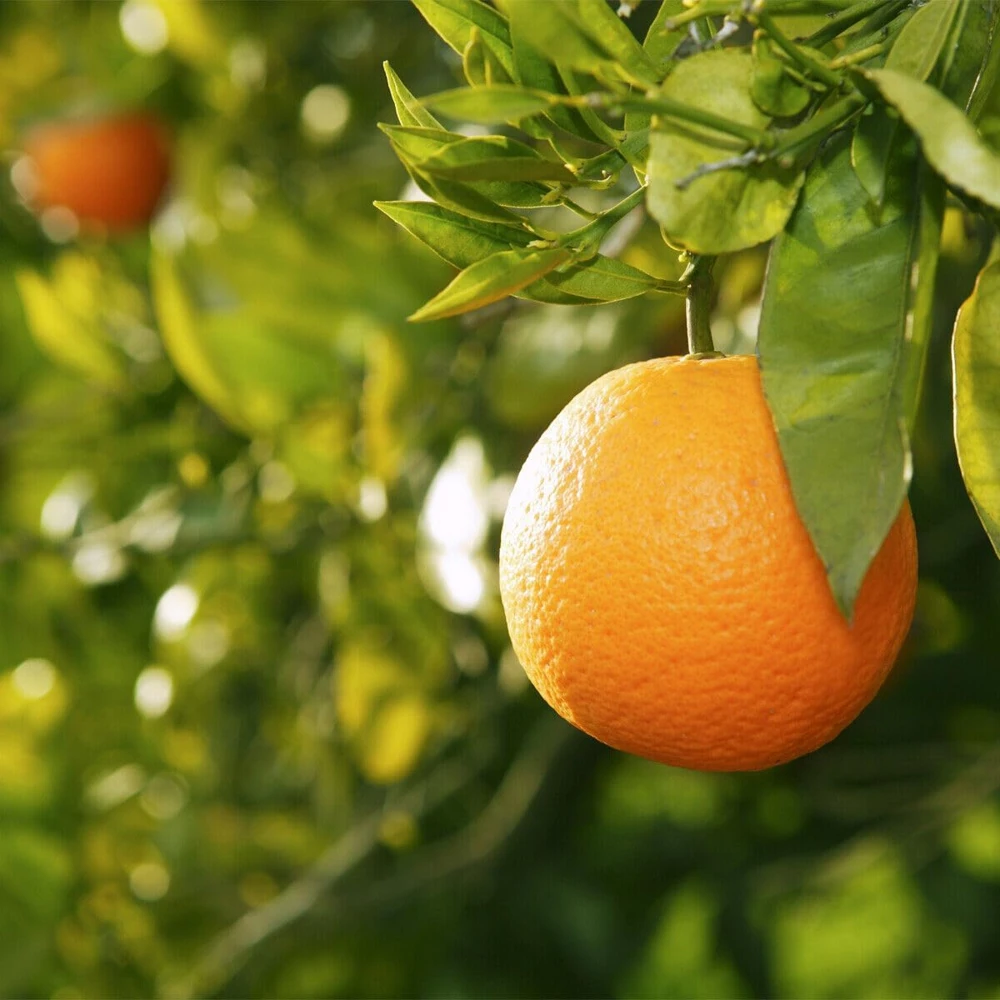
Valencia Orange Live Plant – 2-5 Inch Tall Potted Fruit Tree – Indoor/Outdoor Citrus sinensis
Flower Seeds
Madagascar Hibiscus Moscheutos Rose of Sharon Starter Seeds – Pink Flowers, Indoor & Outdoor
Flower Plants
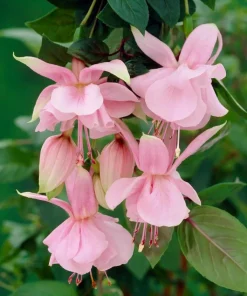
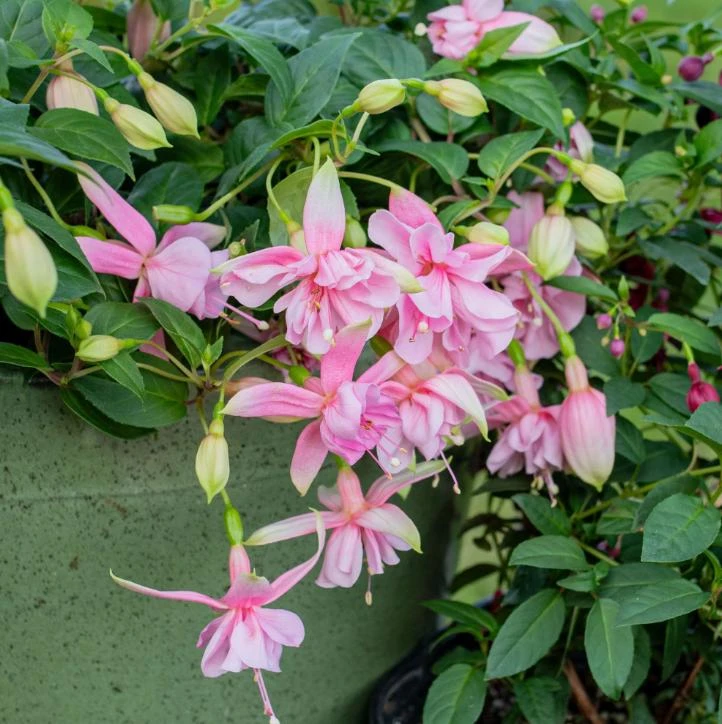
Pink Galore Fuchsia Live Plant – 6″ Pot – Vibrant Pink Flowers – Shade-Loving Ornamental
Reviews
There are no reviews yet.