
Hibiscus Syriacus Live Plant – Rose of Sharon Shrub – 7-10 Inches Tall – Lavender Flowers
Original price was: $55.99.$25.99Current price is: $25.99.
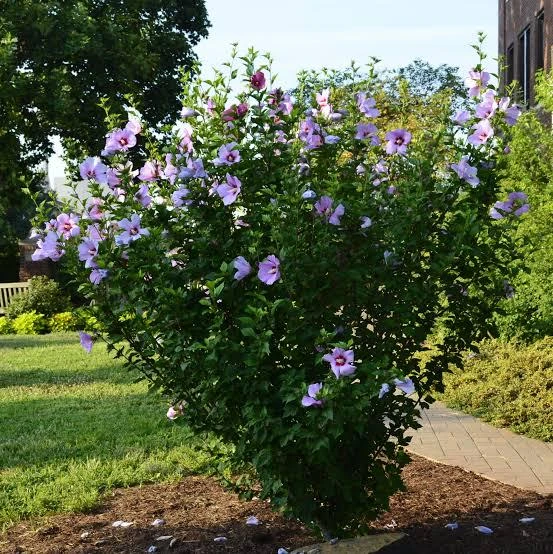
Enhance your garden with a vibrant hibiscus syriacus live plant, also known as Rose of Sharon shrub. This deciduous shrub or small tree, approximately 7-10 inches tall, produces stunning lavender flowers with a distinct dark red eye. Ideal for USDA Zones 5-8, it offers an extended bloom period from summer into fall, thriving in full sun to partial shade.
Estimated arrival
Nov 07
Nov 12 - Nov 14
Nov 17 - Nov 21
Shop With Confidence
30-Day Plant Health Guarantee
Arrives damaged? We’ll replace it free — see our return policy.
Responsive Support
Email us anytime, we reply within 1 business day.
Expert Packaging
Temperature-controlled shipping to protect your plants in transit.
Secure Checkout
Pay safely with Visa, Mastercard, PayPal.
Plant Specifications
-
USDA Hardiness Zone
USDA Zones 5-8 -
Soil Type
Moist, organically rich, well-draining soil -
Sunlight Exposure
Full sun to partial shade -
Expected Planting Period
Spring to early summer (or fall in milder climates)
Overview
Introduce a touch of elegance and vibrant color to your outdoor space with the stunning hibiscus syriacus live plant. Also widely known as the Rose of Sharon shrub, this beautiful deciduous plant is a popular choice for gardeners seeking a low-maintenance yet spectacular flowering specimen. Our young plants are approximately 7-10 inches tall, well-rooted, and ready to establish themselves in your landscape. The Hibiscus Syriacus live plant is celebrated for its vigorous growth and remarkable tolerance to various conditions, making it an excellent addition to borders, hedges, or as a standalone focal point. Its showy blooms provide a continuous display of color when many other plants are fading, ensuring your garden remains captivating throughout the warmer months.
The Rose of Sharon shrub is a versatile plant that can be grown as a large shrub or trained into a small, multi-stemmed tree. It’s a fantastic option for adding vertical interest and a burst of color to gardens in USDA Zones 5-8. This particular variety features enchanting lavender flowers, each graced with a distinctive dark red eye spot, creating a striking contrast that is sure to draw admiration. Whether you’re an experienced gardener or just starting, the resilience and beauty of this deciduous hibiscus tree make it a rewarding plant to cultivate.
Key Benefits
Adding a hibiscus syriacus live plant to your garden offers numerous advantages, from aesthetic appeal to ecological benefits. This resilient plant is a true garden workhorse, providing continuous beauty and supporting local wildlife.
- Extended Bloom Period: Enjoy a prolonged display of beautiful lavender flowers from summer well into fall, ensuring your garden remains colorful and lively when many other plants are past their prime. This extended bloom makes the Rose of Sharon shrub a valuable asset for seasonal interest.
- Attracts Pollinators: The vibrant flowers are a magnet for bees, butterflies, and hummingbirds, contributing to the biodiversity and health of your garden ecosystem. Creating a pollinator-friendly environment is easy with this plant.
- Hardy and Resilient: Highly tolerant of summer heat and humidity, this plant is an excellent choice for a wide range of climates within USDA Zones 5-8. Its robustness makes it a forgiving plant for various growing conditions.
- Low Maintenance: Once established, the hibiscus syriacus live plant requires minimal care, making it perfect for busy gardeners. It’s not fussy about soil type as long as it’s well-drained.
- Versatile Landscape Use: Can be grown as an attractive specimen shrub, a vibrant hedge, or even trained into a small, ornamental tree, offering flexibility in garden design. This adaptability makes it a great choice for various garden styles.
- Drought Tolerance: While it prefers moist soil, established plants show good drought tolerance, reducing the need for constant watering during dry spells.
- Visually Stunning Flowers: The unique lavender flowers with deep red eye spots provide a captivating visual element, adding depth and beauty to any garden setting.
Plant Care & Growing Tips
Caring for your hibiscus syriacus live plant is relatively straightforward, and with the right conditions, it will thrive and reward you with an abundance of beautiful blooms. This plant is known for its adaptability, but understanding its basic needs will ensure optimal growth and flowering. The hardy hibiscus care requirements are generally minimal, making it a favorite among gardeners.
For optimal growth, plant your Rose of Sharon shrub in a location that receives full sun to partial shade. Full sun (at least 6 hours of direct sunlight daily) will encourage the most prolific flowering. While it tolerates partial shade, flowering may be less abundant. It prefers moist, organically rich soils but is quite tolerant of various soil types as long as they are well-drained. Avoid planting in areas where water tends to stand, as this can lead to root rot. During its first growing season, ensure consistent moisture to help the plant establish a strong root system. Once established, it becomes more drought-tolerant, though regular watering during dry periods will promote better flowering.
The deciduous hibiscus tree is hardy in USDA Zones 5-8. In colder zones, some winter dieback may occur, but the plant typically recovers from the roots in spring. Pruning can be done in late winter or early spring to shape the plant, remove dead or damaged branches, and encourage more blooms, as it flowers on new wood. Fertilize in spring with a balanced slow-release fertilizer to support healthy growth and flowering. Watch out for common pests like aphids, which can be managed with insecticidal soap. Providing adequate spacing for air circulation can help prevent fungal issues.
Size & Details
This offering is for a young, well-rooted hibiscus syriacus live plant, typically shipped in a 2 1/2 x 3 1/2 inch pot. The plant will arrive approximately 7-10 inches tall, ready for planting upon arrival. While young, these plants are vigorous growers and will quickly establish themselves in your garden. The Rose of Sharon shrub is a deciduous plant, meaning it will lose its leaves in the fall and enter dormancy, with new foliage emerging in the spring. Plants shipped during dormant periods may arrive leafless, which is completely normal and healthy.
When mature, this variety of lavender hibiscus plant can reach heights of 5 feet or more, developing into a substantial shrub or small tree depending on pruning and growing conditions. Its spread can be similar to its height, creating a full and attractive specimen. Expect an extended bloom throughout summer into fall, providing continuous color. The growth rate is moderate to fast, allowing you to enjoy a mature plant within a few years of planting. Ensure you provide ample space for its eventual size when choosing a planting location.
Frequently Asked Questions
- Q: How big does this hibiscus syriacus live plant get? A: This young plant is approximately 7-10 inches tall upon arrival. When mature, the Rose of Sharon shrub can grow to 5 feet or more in height and spread, depending on growing conditions and pruning.
- Q: Is this an indoor or outdoor plant? A: The hibiscus syriacus live plant is primarily an outdoor plant, hardy in USDA Zones 5-8. It thrives in garden beds, as a hedge, or as a specimen plant in the landscape.
- Q: How much sunlight does the Rose of Sharon shrub need? A: This plant prefers full sun to partial shade. For the best flowering display, aim for at least 6 hours of direct sunlight per day.
- Q: What condition will the plant arrive in? A: Your hibiscus syriacus live plant will arrive as a well-rooted plant in a 2 1/2 x 3 1/2 inch pot. During dormant seasons (fall/winter), it may arrive leafless, which is normal for deciduous plants and indicates it’s healthy and ready for spring re-leafing.
- Q: Is this plant easy to care for? A: Yes, the deciduous hibiscus tree is known for its ease of care and resilience. It’s tolerant of various soil types (as long as they’re well-drained) and can handle summer heat and humidity, making it suitable for beginners.
- Q: When is the best time to plant this lavender hibiscus plant? A: Spring is generally the best time to plant, allowing the plant to establish its roots before the peak summer heat. However, it can also be planted in early fall in milder climates.
- Q: Will it survive winter in my zone? A: This hardy hibiscus care is designed for USDA Zones 5-8. It is a deciduous plant and will lose its leaves in winter, but it is cold-hardy and will return with new growth in spring within these zones.
- Q: What kind of soil does it prefer? A: The hibiscus syriacus live plant prefers moist, organically rich soils with good drainage. It can tolerate a range of soil types, but heavy, waterlogged soils should be avoided.
- Q: How often should I water my Rose of Sharon shrub? A: During its first growing season, keep the soil consistently moist. Once established, it becomes more drought-tolerant, but regular watering during dry periods will promote better flowering.
- Q: Do I need to prune this deciduous hibiscus tree? A: Pruning is not strictly necessary but can be done in late winter or early spring to shape the plant, control its size, or encourage more blooms, as it flowers on new wood.
Be the first to review “Hibiscus Syriacus Live Plant – Rose of Sharon Shrub – 7-10 Inches Tall – Lavender Flowers”
People Also Viewed


Reviews
There are no reviews yet.