
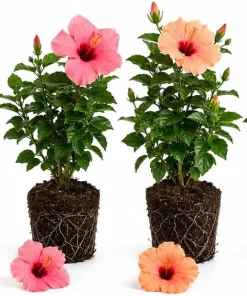
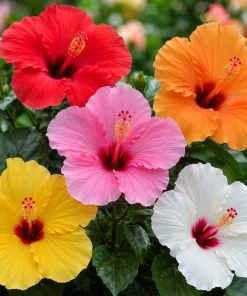
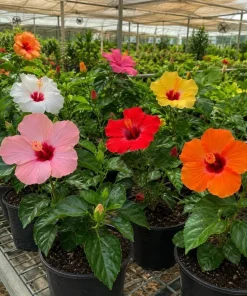
Hardy Mixed Hibiscus Live Plant 4 Pack – 4-7 Inches Tall Blooming Shrubs for Outdoor
Original price was: $47.99.$22.99Current price is: $22.99.
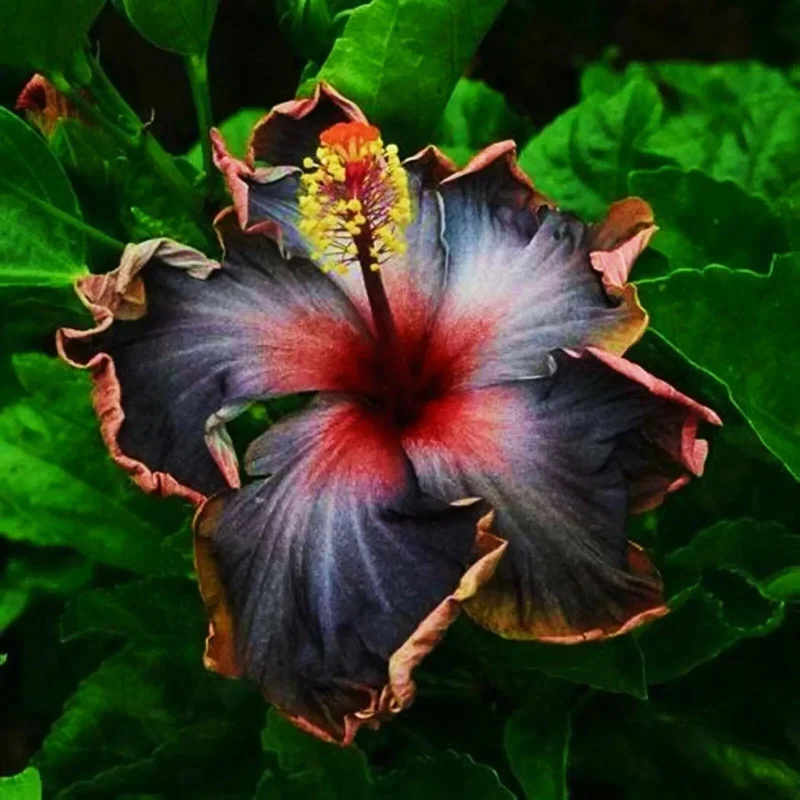
Add vibrant color to your outdoor spaces with this hardy hibiscus live plant 4-pack. Each plant is 4-7 inches tall, perfect for garden beds, patios, and containers. Enjoy beautiful, assorted blooming flowers year after year.
Estimated arrival
Oct 27
Nov 01 - Nov 03
Nov 06 - Nov 10
Shop With Confidence
30-Day Plant Health Guarantee
Arrives damaged? We’ll replace it free — see our return policy.
Responsive Support
Email us anytime, we reply within 1 business day.
Expert Packaging
Temperature-controlled shipping to protect your plants in transit.
Secure Checkout
Pay safely with Visa, Mastercard, PayPal.
Plant Specifications
-
USDA Hardiness Zone
USDA Zones 4-9 -
Soil Type
Well-draining, fertile soil -
Sunlight Exposure
Full sun -
Expected Planting Period
Spring to early summer
Overview
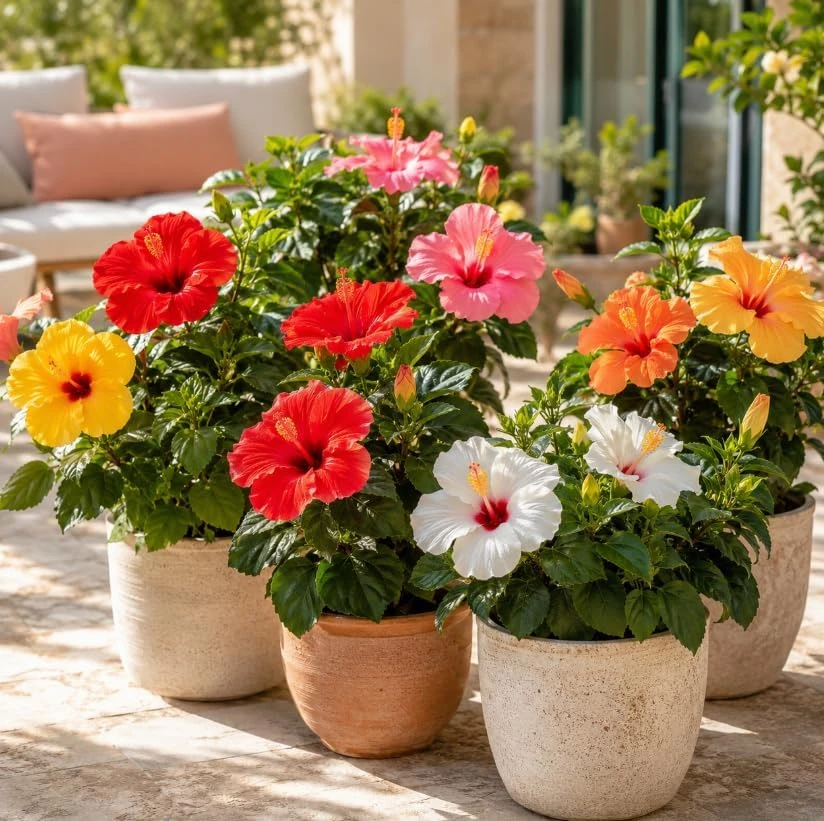
Introduce a burst of tropical charm to your garden with this hardy hibiscus live plant 4-pack. Each collection includes four vibrant starter plants, approximately 4-7 inches tall, ready to thrive in your outdoor landscape. These robust flowering shrubs are known for their spectacular, large blooms that add dramatic flair from summer into fall. Perfect for garden beds, borders, patio containers, or as a focal point, the hardy hibiscus (often from the Hibiscus moscheutos or Hibiscus syriacus family, though specific varieties may vary) is a reliable performer, bringing continuous color and lush green foliage to any sunny location. Their vigorous growth and showy flowers make them an excellent choice for both novice and experienced gardeners looking to create a stunning visual impact.
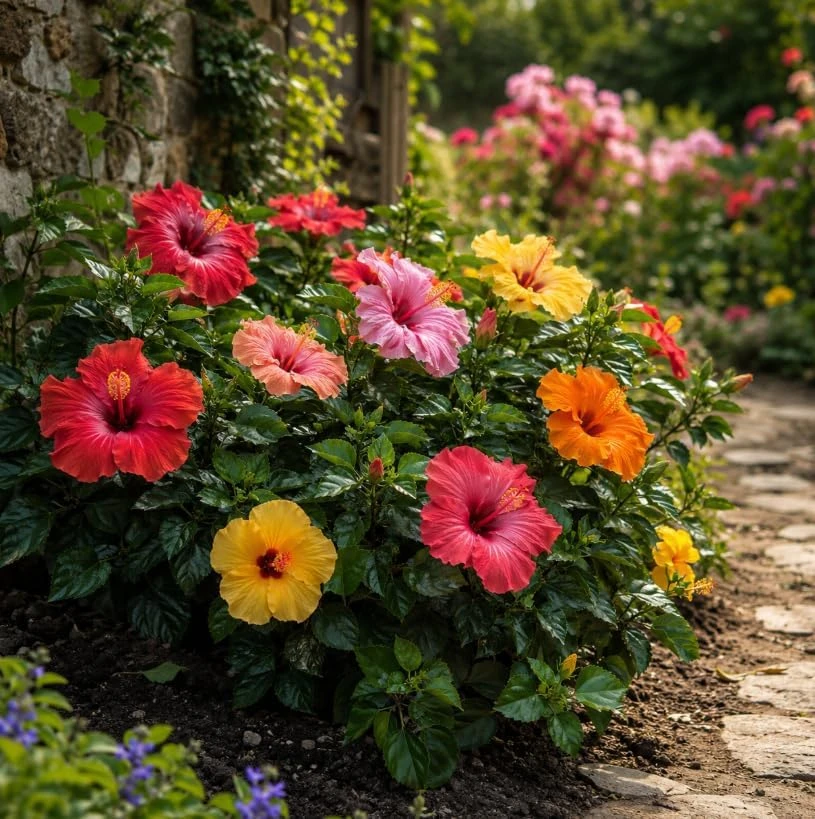
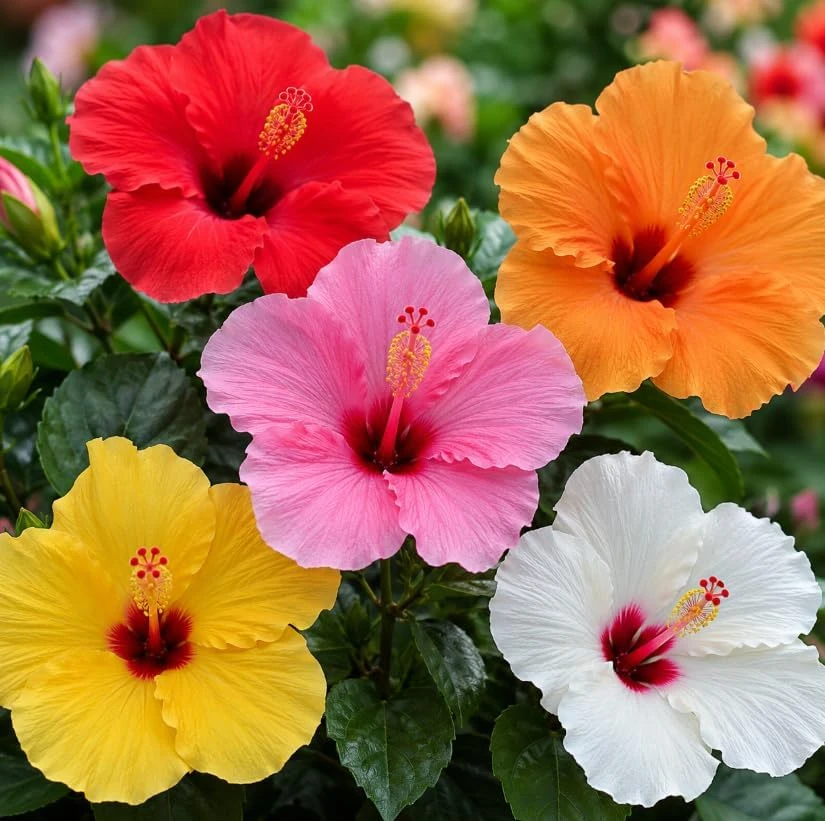
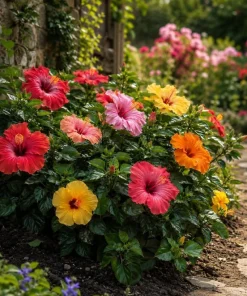
Unlike their tropical counterparts, hardy hibiscus live plant varieties are bred to withstand colder temperatures, returning year after year with increasing vigor. This mixed pack offers an exciting surprise, as bloom colors and specific plant varieties will vary, ensuring a unique and diverse display in your garden. Imagine a kaleidoscope of pinks, reds, whites, and purples creating a captivating backdrop or a welcoming entrance. These plants establish quickly, offering a relatively fast way to achieve a mature, floriferous look in your outdoor living areas.
Key Benefits
Investing in a hardy hibiscus live plant collection brings numerous advantages to your garden and outdoor living spaces:
-
Spectacular Blooms: Enjoy an abundance of large, showy flowers throughout the summer and fall. These vibrant blooms are often dinner-plate sized, creating an undeniable focal point in any setting.
-
Long Blooming Season: Unlike many plants with fleeting flowers, hardy hibiscus provides continuous color for several months, ensuring your garden remains lively and attractive for an extended period.
-
Low Maintenance: Once established, these flowering shrubs outdoor require minimal care, making them ideal for busy gardeners. They are relatively drought-tolerant and pest-resistant.
-
Versatile Landscaping: Perfect for a variety of uses, including garden beds, mixed borders, foundation plantings, privacy screens, or as stunning specimens in large patio containers. Their adaptability makes them a valuable addition to diverse garden designs.
-
Attracts Pollinators: The large, colorful flowers are a magnet for hummingbirds, butterflies, and other beneficial pollinators, contributing to a healthy and vibrant ecosystem in your yard.
-
Winter Hardiness: As the name suggests, hardy hibiscus plants are designed to survive colder temperatures and return reliably each spring, providing years of enjoyment without the need for annual replanting in many zones.
-
Rapid Growth: These starter plants quickly grow into substantial shrubs, offering a relatively fast way to fill out garden spaces and achieve a lush, established look.
Plant Care & Growing Tips
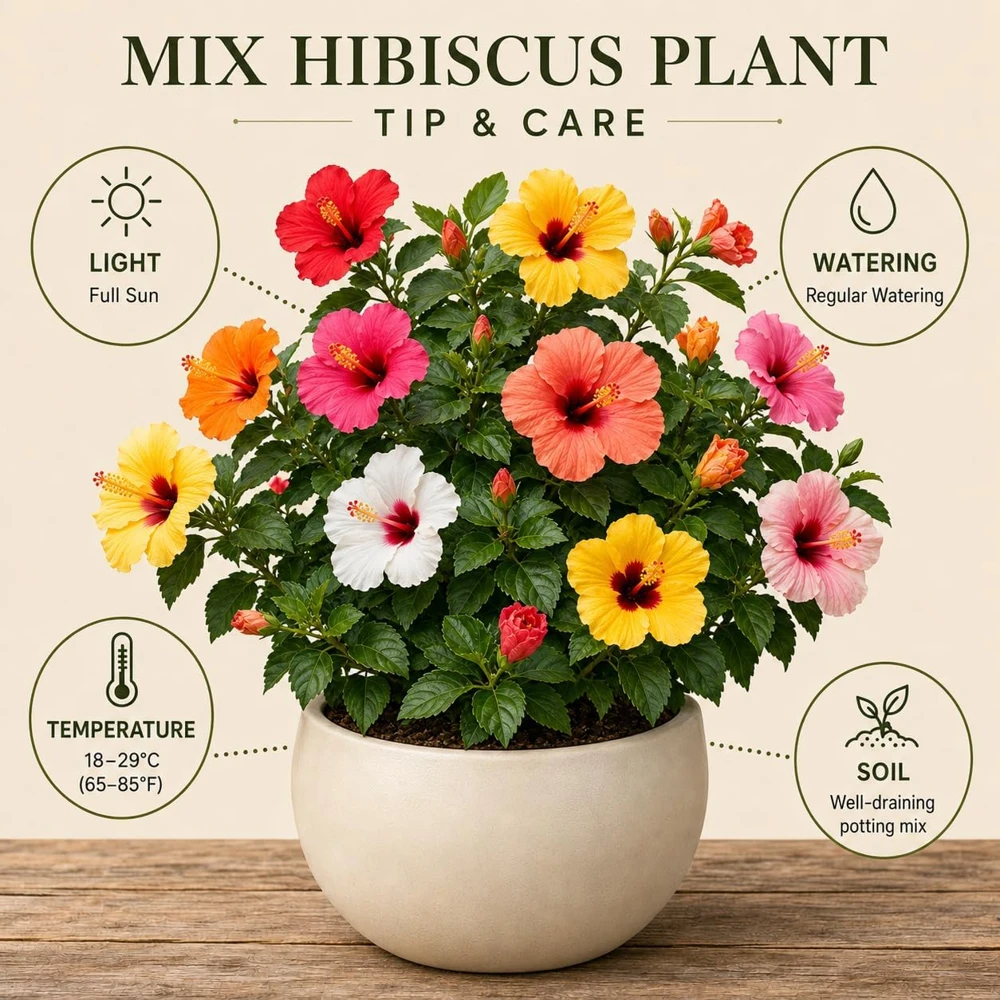
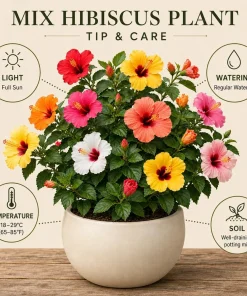
Caring for your hardy hibiscus live plant is straightforward, ensuring a spectacular display of blooms season after season. These plants thrive in conditions that mimic their natural habitat. For optimal growth and flowering, select a location that receives full sun, meaning at least 6-8 hours of direct sunlight per day. Adequate sunlight is crucial for prolific blooming and strong stem development. While they can tolerate partial shade, flowering may be reduced.
When it comes to soil, hardy hibiscus prefers well-draining soil. A rich, loamy soil amended with compost or other organic matter will provide the best environment. Avoid heavy clay soils that retain too much moisture, as this can lead to root rot. Good drainage is key to preventing waterlogged roots. Once planted, water regularly, especially during dry spells and in their first growing season, to help establish a strong root system. Aim for consistently moist, but not soggy, soil. As the plants mature, they become more tolerant of drier conditions.
These flowering shrubs outdoor are hardy in a wide range of USDA zones, typically thriving in zones 4-9. In colder zones, apply a thick layer of mulch around the base of the plant in late fall to provide insulation and protect the roots. Fertilize in spring with a balanced slow-release fertilizer or a fertilizer formulated for flowering plants to encourage vigorous growth and abundant blooms. Pruning is best done in late winter or early spring before new growth begins. Remove any dead or damaged branches and shape the plant as desired. You can also prune back vigorously to encourage a bushier growth habit. Keep an eye out for common garden pests like aphids, though healthy plants are generally quite resilient. Proper care will ensure your hibiscus plant care routine is minimal and rewarding.
Size & Details
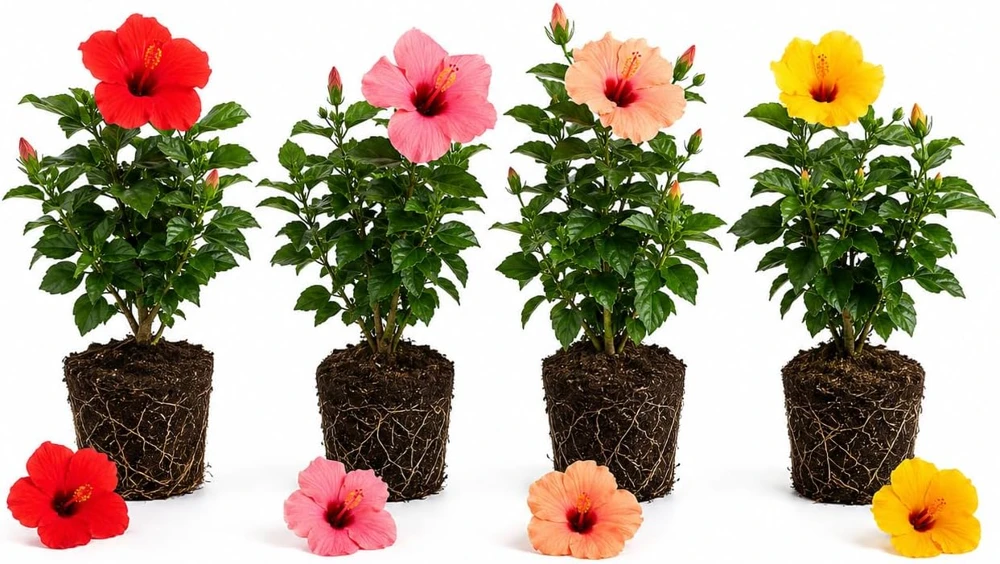
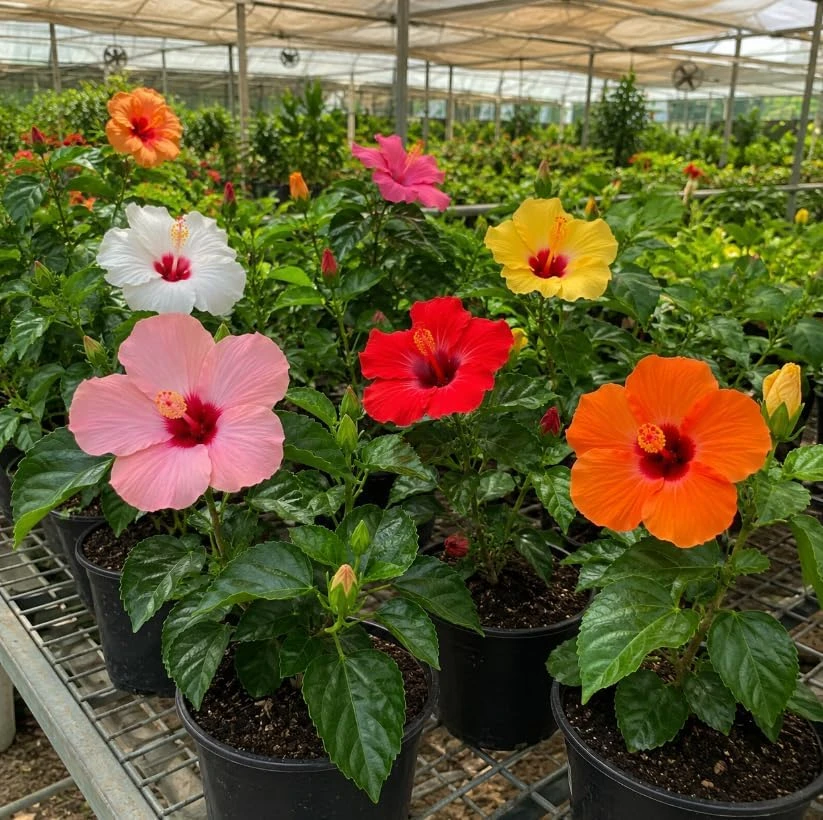
This offering includes a 4 pack hardy hibiscus live plant collection, with each individual plant standing approximately 4-7 inches tall upon arrival. These are starter plants, carefully cultivated to ensure healthy root development, ready for transplanting into your garden or larger containers. While specific varieties and bloom colors will be mixed and may vary, each plant is selected for its robust nature and potential for vibrant flowering. Expect these young shrubs to grow rapidly, reaching mature heights of 3-7 feet and widths of 2-5 feet, depending on the specific variety and growing conditions. They are typically shipped in a small nursery pot with soil, ensuring minimal shock during transit and easy planting upon arrival. With proper care, you can anticipate beautiful blooms starting in their first or second growing season.
Frequently Asked Questions
-
Q: How big will these hardy hibiscus plants get? A: These starter plants are 4-7 inches tall upon arrival. With proper care, hardy hibiscus live plant varieties typically grow to a mature height of 3-7 feet and a width of 2-5 feet, depending on the specific variety and your local growing conditions.
-
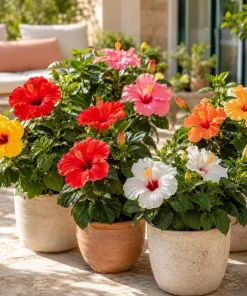
Q: Are these plants suitable for containers? A: Yes, these hardy hibiscus plants are excellent for large patio containers. Ensure the container has good drainage holes and is large enough to accommodate the plant’s mature size. You can also plant them directly in garden beds.
-
Q: How much sun do these flowering shrubs outdoor need? A: Hardy hibiscus thrives in full sun, requiring at least 6-8 hours of direct sunlight per day for the best flowering performance. While they can tolerate some partial shade, too little sun may result in fewer blooms.
-
Q: What is the best time to plant these shrubs? A: The best time to plant your buy hibiscus plants is in spring after the last frost, allowing them ample time to establish roots before the heat of summer. They can also be planted in early fall in milder climates.
-
Q: Will these plants survive winter in my area? A: These are hardy hibiscus plants, meaning they are perennial and designed to withstand colder temperatures, typically in USDA Zones 4-9. In colder zones, they will die back to the ground in winter and re-emerge in spring.
-
Q: What kind of soil is best for hibiscus plant care? A: Hardy hibiscus prefers well-draining, fertile soil rich in organic matter. Avoid heavy clay soils that retain too much water. Good drainage is crucial to prevent root issues.
-
Q: What bloom colors can I expect from the mixed hibiscus varieties? A: This is a mixed pack, so bloom colors will vary. You can expect a beautiful assortment of colors, which may include shades of pink, red, white, and purple, providing a delightful surprise for your garden.
-
Q: How often should I water my hardy hibiscus? A: Water regularly to keep the soil consistently moist, especially during dry periods and in their first year of establishment. Once mature, they are more tolerant of brief dry spells but perform best with consistent moisture.
-
Q: Are these plants deer resistant? A: While no plant is entirely deer-proof, hardy hibiscus is generally considered to be moderately deer resistant. Deer tend to prefer other plants over hibiscus, though hungry deer may nibble on new growth.
-
Q: When do these hardy hibiscus plants typically bloom? A: Hardy hibiscus live plant varieties typically begin blooming in mid-summer and continue producing flowers through early fall, providing a long season of vibrant color in your garden.
Be the first to review “Hardy Mixed Hibiscus Live Plant 4 Pack – 4-7 Inches Tall Blooming Shrubs for Outdoor”
People Also Viewed
Flower Seeds
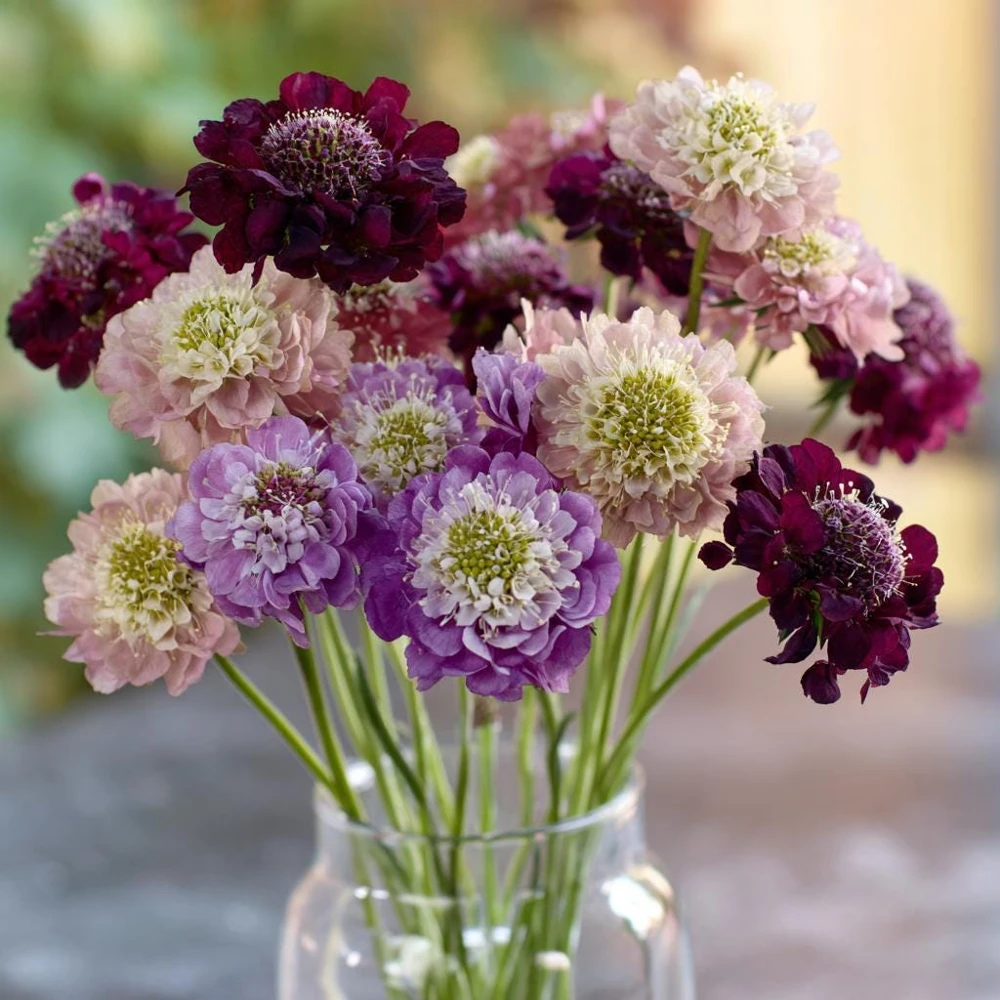
Imperial Pincushion Flower Seeds – 50 Heirloom Scabiosa atropurpurea for Gardens & Cut Flowers
Reviews
There are no reviews yet.