
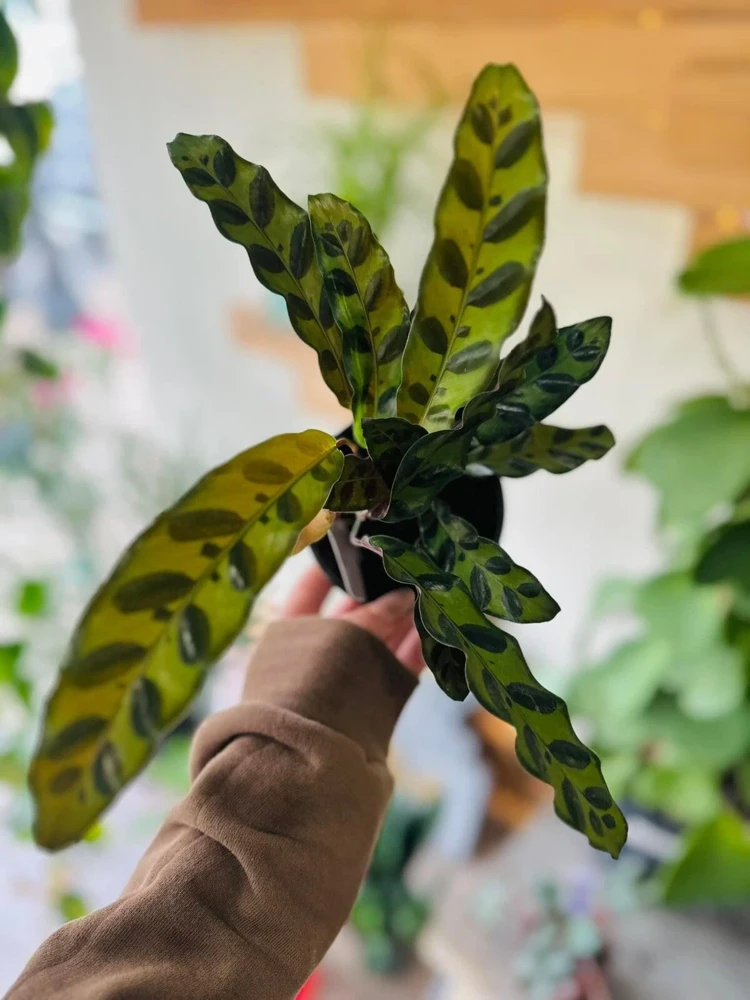
Peacock Plant Live Calathea makoyana Prayer Plant Indoor Houseplant
Original price was: $34.99.$27.99Current price is: $27.99.
Enhance your indoor space with a beautiful peacock plant live (Calathea makoyana). Known for its striking foliage and air-purifying qualities, this prayer plant indoor beauty adds a tropical touch. Ideal for bright, indirect light.
Estimated arrival
Oct 27
Nov 01 - Nov 03
Nov 06 - Nov 10
Shop With Confidence
30-Day Plant Health Guarantee
Arrives damaged? We’ll replace it free — see our return policy.
Responsive Support
Email us anytime, we reply within 1 business day.
Expert Packaging
Temperature-controlled shipping to protect your plants in transit.
Secure Checkout
Pay safely with Visa, Mastercard, PayPal.
Plant Specifications
-
USDA Hardiness Zone
unknown (indoor plant) -
Soil Type
well-draining, peat-based potting mix -
Sunlight Exposure
bright indirect light -
Expected Planting Period
year-round indoors
Overview
Introduce a splash of vibrant color and intricate patterns to your home with the stunning peacock plant live. Scientifically known as Calathea makoyana, this captivating houseplant is often referred to as the ‘Peacock Plant’ due to its distinctively marked leaves that resemble the feathers of a peacock. It is also commonly called a ‘Prayer Plant’ because its leaves fold upwards at night, much like hands in prayer, and then unfurl again with the morning light. Native to the tropical rainforests of Brazil, this plant thrives in warm, humid environments, making it an excellent choice for indoor cultivation. Its lush, glossy leaves feature dark green blotches and veins on a lighter green background, with a rich purple-red underside, creating a dramatic visual appeal that instantly elevates any interior decor.
The peacock plant live is not just a feast for the eyes; it’s also a fantastic addition for those looking to improve their indoor air quality. As a member of the Marantaceae family, it’s known for its air-purifying capabilities, helping to filter out common household toxins. This makes it a popular choice for bedrooms, living rooms, and offices, contributing to a healthier and more serene living space. Its unique leaf movements are a constant source of fascination, adding a dynamic element to your plant collection. Whether you’re a seasoned plant enthusiast or a beginner looking for an exotic yet manageable houseplant, the peacock plant live offers both beauty and a touch of the tropics.
Key Benefits
The peacock plant live offers a multitude of benefits beyond its striking appearance, making it a highly desirable indoor plant:
-
Exquisite Ornamental Value: The primary appeal of the Calathea makoyana lies in its breathtaking foliage. Each leaf is a natural work of art, with intricate patterns and contrasting colors that can transform any room into a tropical oasis. Its dynamic leaf movements, folding up at night and opening during the day, add an engaging, living element to your decor.
-
Natural Air Purifier: Like many houseplants, the peacock plant live contributes to a healthier indoor environment by actively filtering out airborne toxins. It helps to remove pollutants, leading to cleaner, fresher air in your home or office, which can improve overall well-being.
-
Pet-Friendly Choice: Unlike some popular houseplants, the Calathea makoyana is non-toxic to cats and dogs. This makes it a safe and worry-free option for pet owners who want to enjoy the beauty of indoor plants without concerns for their furry friends.
-
Humidifying Properties: As a tropical plant, the Peacock Plant releases moisture into the air through transpiration, naturally increasing humidity levels around it. This can be beneficial in dry indoor environments, especially during winter months when heating systems can significantly reduce air moisture.
-
Unique Conversation Starter: The ‘Prayer Plant’ movement of its leaves is a fascinating biological phenomenon that is sure to capture attention and spark conversations. Its distinctive appearance and behavior make it a standout addition to any plant collection.
-
Stress Reduction: Surrounding yourself with lush greenery, especially plants as beautiful as the peacock plant live, has been shown to reduce stress, improve mood, and increase feelings of tranquility and focus. It brings a piece of nature’s calm indoors.
Plant Care & Growing Tips
Caring for your peacock plant live (Calathea makoyana) can be a rewarding experience, as it responds well to consistent attention. The key to healthy growth is replicating its native tropical environment as closely as possible. For optimal growth, understanding calathea light requirements is crucial. This plant thrives in bright, indirect light. Direct sunlight can scorch its delicate leaves, causing them to fade or develop crispy edges. An east-facing window or a spot several feet away from a south or west-facing window, where it receives filtered light, is ideal. Low light conditions can cause the vibrant leaf patterns to dull, so aim for a balance.
When it comes to watering, consistency is vital for your prayer plant indoor. Keep the soil consistently moist but never waterlogged. Allow the top inch of soil to dry out slightly between waterings, then water thoroughly until water drains from the bottom of the pot. Reduce watering slightly during the cooler, darker winter months. High humidity is essential for Calatheas. Consider placing your plant near a humidifier, grouping it with other plants, or setting its pot on a pebble tray filled with water to increase ambient moisture. Brown, crispy leaf edges are often a sign of insufficient humidity.
The ideal soil for a peacock plant live is a well-draining, peat-based potting mix that retains some moisture. A mix designed for African violets or general houseplants with added perlite or coco coir works well. Maintain a consistent room temperature between 65-80°F (18-27°C) and avoid sudden temperature fluctuations or cold drafts. Fertilize every 2-4 weeks during the growing season (spring and summer) with a balanced liquid houseplant fertilizer diluted to half strength. Reduce or stop fertilizing in fall and winter. Regularly inspect your plant for common pests like spider mites or mealybugs, and treat promptly with insecticidal soap if necessary. Understanding calathea makoyana care ensures a thriving and beautiful plant.
Size & Details
The peacock plant live typically arrives as a well-rooted, established plant, ready to be placed in your home. When mature, it can reach an average height of 1-2 feet (30-60 cm) and spread to a similar width, creating a lush, bushy appearance. The leaves themselves can grow quite large, often up to 10 inches (25 cm) in length, showcasing their intricate patterns prominently. Your plant will likely be shipped in a nursery pot, ready for you to transplant into a decorative container of your choice, ensuring it has adequate drainage. Expect a moderate growth rate under ideal conditions, with new leaves unfurling regularly during the warmer months. This plant is primarily grown for its stunning foliage, and while it can produce small, insignificant flowers, these are not its main ornamental feature. Its vibrant patterns and unique leaf movements are the star of the show. We ensure careful packaging to protect the delicate foliage during transit, so your plant arrives healthy and ready to flourish.
Frequently Asked Questions
-
Q: How big does a peacock plant live get? A: A mature Peacock Plant (Calathea makoyana) typically reaches a height and spread of 1 to 2 feet indoors. Its leaves can grow up to 10 inches long, contributing to its lush, full appearance.
-
Q: What size pot does it come in? A: The plant will arrive in a standard nursery pot, usually between 4 to 6 inches in diameter, depending on its maturity. We recommend transplanting it into a decorative pot of similar or slightly larger size with good drainage.
-
Q: Is this an indoor or outdoor plant? A: The Calathea makoyana is primarily an indoor houseplant in most climates. It thrives in the consistent temperatures and humidity of an indoor environment, making it a perfect prayer plant indoor choice.
-
Q: How much sunlight does it need? A: It requires bright, indirect light. Direct sunlight can scorch its leaves. A spot near an east-facing window or a few feet from a south or west-facing window with sheer curtains is ideal to meet calathea light requirements.
-
Q: Is this plant easy to care for? A: While not the easiest, it’s manageable for intermediate plant owners. Consistent watering, high humidity, and proper lighting are key to successful calathea makoyana care.
-
Q: What condition will it arrive in? A: Your peacock plant live will be carefully packaged to ensure it arrives healthy and vibrant. It will be a well-rooted plant, ready to thrive in its new home.
-
Q: Is it pet-safe? A: Yes, Calathea makoyana is non-toxic to pets, making it a safe choice for homes with cats and dogs. You can enjoy its beauty without worrying about your furry friends.
-
Q: How often should I water my Peacock Plant? A: Keep the soil consistently moist but not soggy. Water when the top inch of soil feels dry to the touch. This helps prevent issues related to over or under-watering.
-
Q: What are some peacock plant benefits? A: Beyond its striking beauty, the Peacock Plant purifies indoor air, is pet-friendly, and its unique leaf movements provide a dynamic visual interest, contributing to a calming environment.
-
Q: Why are the leaves of my Calathea curling? A: Curling leaves are often a sign of low humidity or underwatering. Increase humidity around the plant and ensure consistent soil moisture to help the leaves unfurl.
Be the first to review “Peacock Plant Live Calathea makoyana Prayer Plant Indoor Houseplant”
People Also Viewed
Tree Seeds
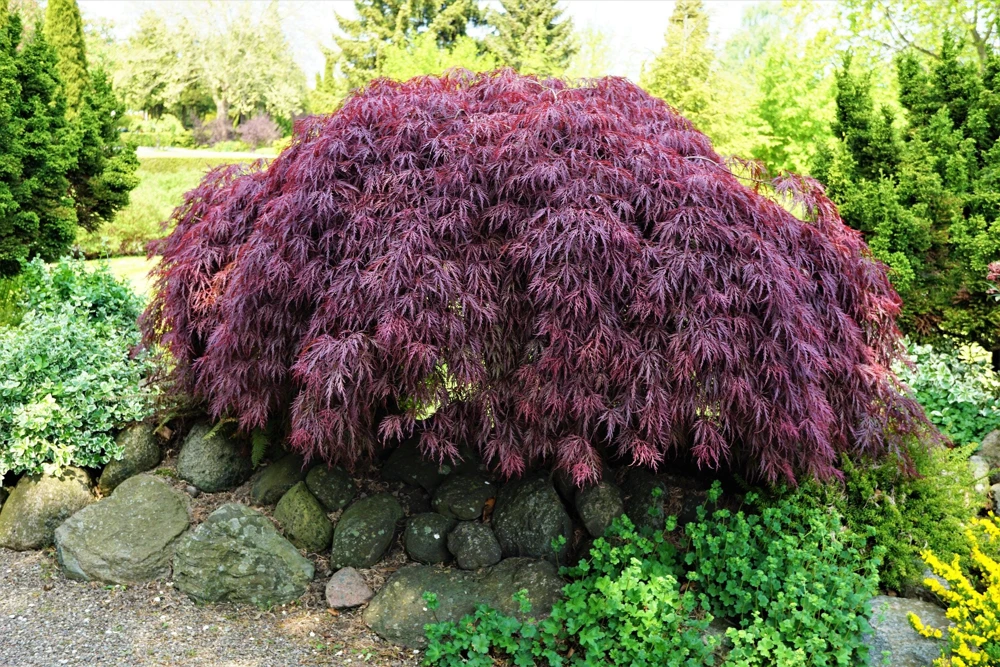
Inaba Shidare Japanese Maple Tree Seeds – Weeping Red Laceleaf Acer Palmatum Dissectum – 10 Seeds



Reviews
There are no reviews yet.