













Gladiator Allium Bulbs – Giant Ornamental Flower Onion for Gardens – 1 Bulb
Original price was: $41.99.$16.99Current price is: $16.99.
Cultivate a breathtaking garden display with Gladiator Allium bulbs. These fast-growing, giant ornamental flower onions produce impressive spherical blooms, perfect for adding dramatic height and texture to any outdoor space.
Estimated arrival
Oct 15
Oct 20 - Oct 22
Oct 25 - Oct 29
Shop With Confidence
30-Day Plant Health Guarantee
Arrives damaged? We’ll replace it free — see our return policy.
Responsive Support
Email us anytime, we reply within 1 business day.
Expert Packaging
Temperature-controlled shipping to protect your plants in transit.
Secure Checkout
Pay safely with Visa, Mastercard, PayPal.
Plant Specifications
-
USDA Hardiness Zone
USDA Zones 4-9 -
Soil Type
Well-draining, loamy soil -
Sunlight Exposure
Full sun -
Expected Planting Period
Fall
Overview
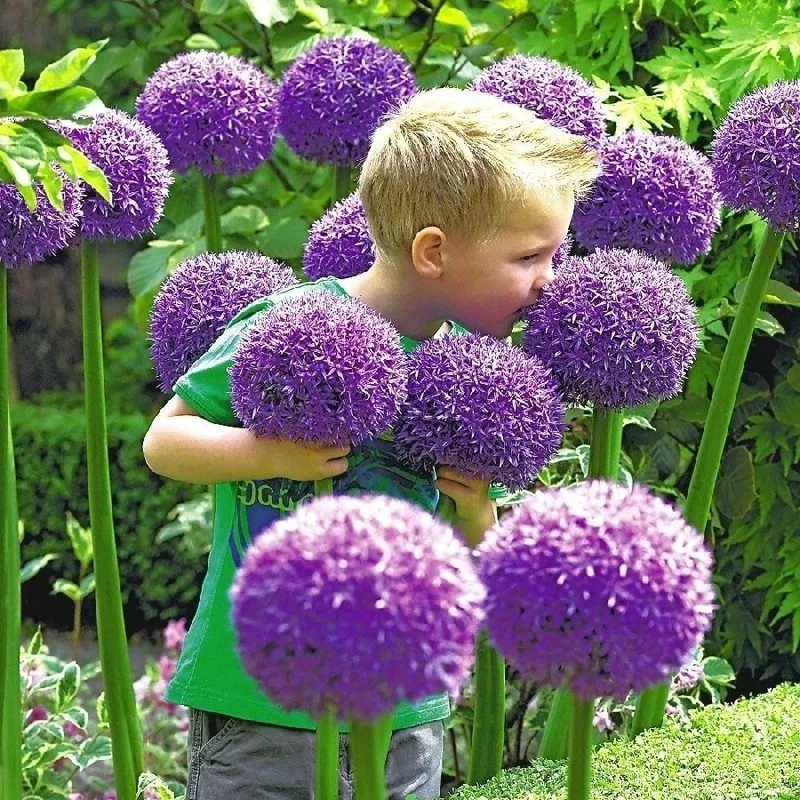
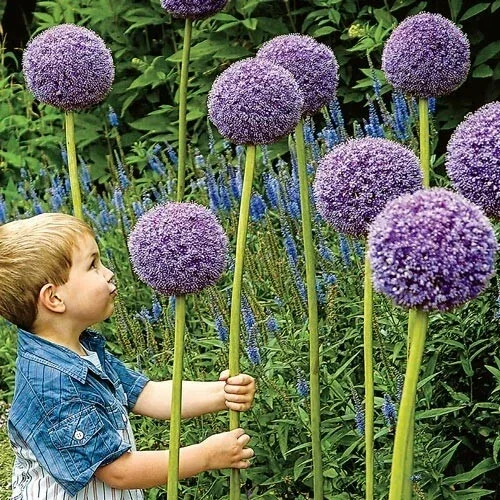
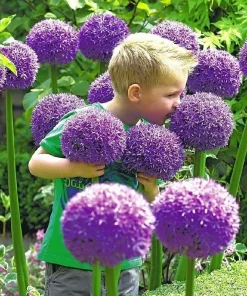
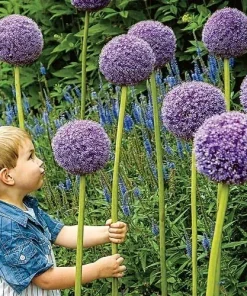
Introduce a touch of grandeur to your garden with Gladiator Allium bulbs. These impressive ornamental flower onions are renowned for their towering stems and perfectly spherical, vibrant purple flower heads that can reach up to 6-8 inches in diameter. Originating from Central Asia, Allium ‘Gladiator’ is a hybrid cultivar known for its robust nature and striking presence, making it a favorite among gardeners seeking a dramatic focal point. Each bulb promises a spectacular display, transforming ordinary garden beds into extraordinary botanical showcases. Whether planted in groups for a mass effect or as individual specimens, the ‘Gladiator’ Allium provides unparalleled visual impact. These bulbs are designed for fast growth, ensuring a rewarding and relatively quick journey from planting to bloom. Embrace the beauty and architectural form of these magnificent plants and elevate your garden’s aesthetic to new heights.
The botanical name for this stunning plant is Allium ‘Gladiator’, a cultivar of the species Allium giganteum. Commonly known as the giant allium bulbs or ornamental onion, it is cherished for its majestic blooms and ease of care. These bulbs are a fantastic choice for gardeners of all experience levels, offering reliable performance and a truly spectacular floral show.
Key Benefits
The Gladiator Allium bulbs offer a multitude of benefits that make them an indispensable addition to any garden:
- Dramatic Visual Impact: Produces large, globe-shaped purple flowers atop tall, sturdy stalks, creating an eye-catching display that stands out in any landscape. The sheer size and vibrant color make them a natural focal point.
- Attracts Pollinators: The nectar-rich flowers are a magnet for bees, butterflies, and other beneficial pollinators, contributing to a healthy and biodiverse garden ecosystem. Enjoy watching your garden come alive with activity.
- Deer and Rodent Resistant: Alliums are naturally unpalatable to deer, rabbits, and other common garden pests, ensuring your beautiful blooms remain untouched and vibrant throughout the season. This makes them a worry-free choice for many gardeners.
- Long-Lasting Blooms: The impressive flower heads maintain their beauty for several weeks in late spring to early summer, providing extended periods of color and interest. They also make excellent cut flowers for indoor arrangements.
- Low Maintenance: Once established, these ornamental onion bulbs require minimal care, thriving with basic watering and occasional feeding. They are drought-tolerant and generally disease-free, making them ideal for busy gardeners.
- Architectural Form: Even after the flowers fade, the dried seed heads retain their sculptural form, adding continued interest to the garden well into the autumn and winter months. These can also be spray-painted for unique indoor decor.
- Versatile Planting: Suitable for borders, rock gardens, cottage gardens, or container planting, these bulbs adapt well to various garden designs and settings. Their vertical interest complements lower-growing plants beautifully.
Plant Care & Growing Tips
Caring for your Gladiator Allium bulbs is relatively straightforward, ensuring a stunning display with minimal effort. These hardy bulbs thrive in a variety of conditions, making them a great choice for many gardeners. For optimal growth and flowering, plant your bulbs in the fall, typically 6-8 inches deep and 6-8 inches apart, with the pointed end facing upwards. This allows the root system to establish well before the spring growing season. Remember to handle the bulbs gently to avoid damage.
Sunlight Requirements: Allium ‘Gladiator’ performs best in full sun, meaning it needs at least 6 hours of direct sunlight per day. While it can tolerate partial shade, too little light may result in fewer or smaller blooms. When choosing a location, consider areas that receive ample morning and afternoon sun. Watering: Once established, these bulbs are quite drought-tolerant. Water regularly during dry spells, especially during their active growth and flowering period in spring. The soil should be kept consistently moist but never waterlogged. Reduce watering after the foliage begins to yellow and die back, as the bulbs enter dormancy. Soil Type: Well-draining soil is crucial to prevent bulb rot. A rich, loamy soil with a neutral to slightly acidic pH (6.0-7.0) is ideal. If your soil is heavy clay, amend it with organic matter like compost or sand to improve drainage. Fertilization: A balanced granular fertilizer can be applied in early spring as new growth emerges, and again after flowering to replenish nutrients. Avoid high-nitrogen fertilizers, which can promote leafy growth at the expense of flowers. Temperature and USDA Hardiness Zone: These bulbs are cold-hardy and generally thrive in USDA Zones 4-9. They require a period of cold dormancy to flower effectively. Protecting bulbs in colder zones with a layer of mulch can be beneficial. Common Problems: Alliums are generally pest and disease resistant. Occasionally, slugs or snails may feed on young foliage, which can be managed with organic baits. Ensure good air circulation to prevent fungal issues in humid conditions.
Size & Details
Each purchase typically includes one healthy, ready-to-plant Gladiator Allium bulb. These bulbs are of premium quality, ensuring vigorous growth and spectacular blooms. When mature, the ‘Gladiator’ Allium can reach an impressive height of 3-4 feet, with its sturdy flower stalks holding aloft magnificent purple globes measuring 6-8 inches in diameter. The foliage forms a basal clump of broad, strap-like leaves that typically appear in early spring and begin to yellow as the plant prepares to flower.
These bulbs are shipped in a bare-root form, carefully packaged to maintain their viability during transit. They are designed for planting in the fall for a stunning late spring to early summer bloom. Expect the plant to reach its full flowering potential within the first year after planting, providing a reliable and breathtaking display year after year. The fast-growing nature of this ornamental onion flower means you won’t have to wait long to enjoy its beauty.
Frequently Asked Questions
- Q: How big does this plant get? A: The Gladiator Allium bulbs typically produce plants that grow 3 to 4 feet tall, with impressive flower heads measuring 6 to 8 inches in diameter. This makes them a striking vertical element in any garden design.
- Q: Is this an indoor or outdoor plant? A: Allium ‘Gladiator’ is primarily an outdoor plant, best suited for garden beds and borders where it can receive adequate sunlight and undergo its necessary cold dormancy period. While some alliums can be forced indoors, ‘Gladiator’ truly shines in the landscape.
- Q: How much sunlight does it need? A: These giant allium bulbs thrive in full sun, requiring at least 6 hours of direct sunlight per day for the best flowering performance. Partial shade can be tolerated, but may result in fewer or smaller blooms.
- Q: Is this plant easy to care for? A: Yes, Allium ‘Gladiator’ is considered a low-maintenance plant. Once established, it is drought-tolerant and generally resistant to pests and diseases, making it suitable for gardeners of all skill levels.
- Q: What condition will it arrive in? A: Your ornamental onion bulbs will arrive as healthy, dormant bare roots, carefully packaged to ensure their safe journey and readiness for planting. They are prime for fall planting.
- Q: When is the best time to plant? A: The ideal time to plant ‘Gladiator’ Allium bulbs is in the fall, several weeks before the ground freezes. This allows the root system to develop before winter and ensures a spectacular bloom in late spring to early summer.
- Q: Will it survive winter in my zone? A: Allium ‘Gladiator’ is cold-hardy and can survive winters in USDA Zones 4-9. In colder zones, a layer of mulch can provide additional protection.
- Q: What type of soil is best for these bulbs? A: Well-draining, fertile soil is crucial for these ornamental onion bulbs. Amend heavy clay soils with compost or sand to improve drainage and prevent bulb rot.
- Q: Do these plants attract pests? A: No, alliums are generally deer and rodent resistant due to their natural compounds, making them a good choice for gardens where these pests are a concern. They do attract beneficial pollinators like bees and butterflies.
- Q: Can I use these flowers in arrangements? A: Absolutely! The long-lasting blooms of the wild onion flower make excellent cut flowers for fresh arrangements, and their dried seed heads can also be used for unique floral decor.
Be the first to review “Gladiator Allium Bulbs – Giant Ornamental Flower Onion for Gardens – 1 Bulb”
People Also Viewed

Reviews
There are no reviews yet.