
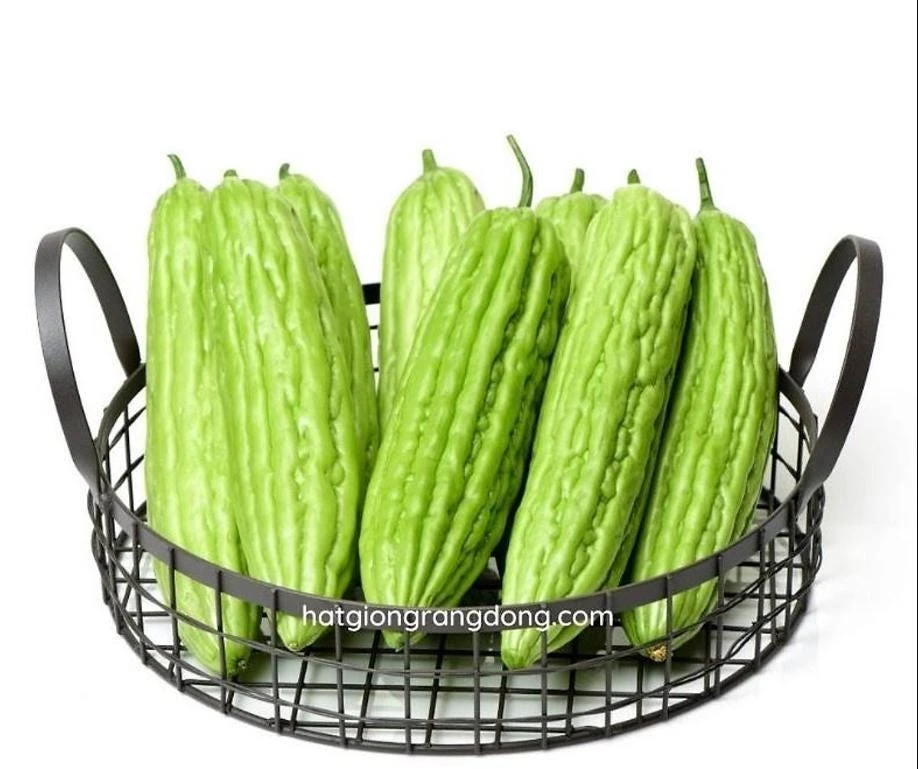
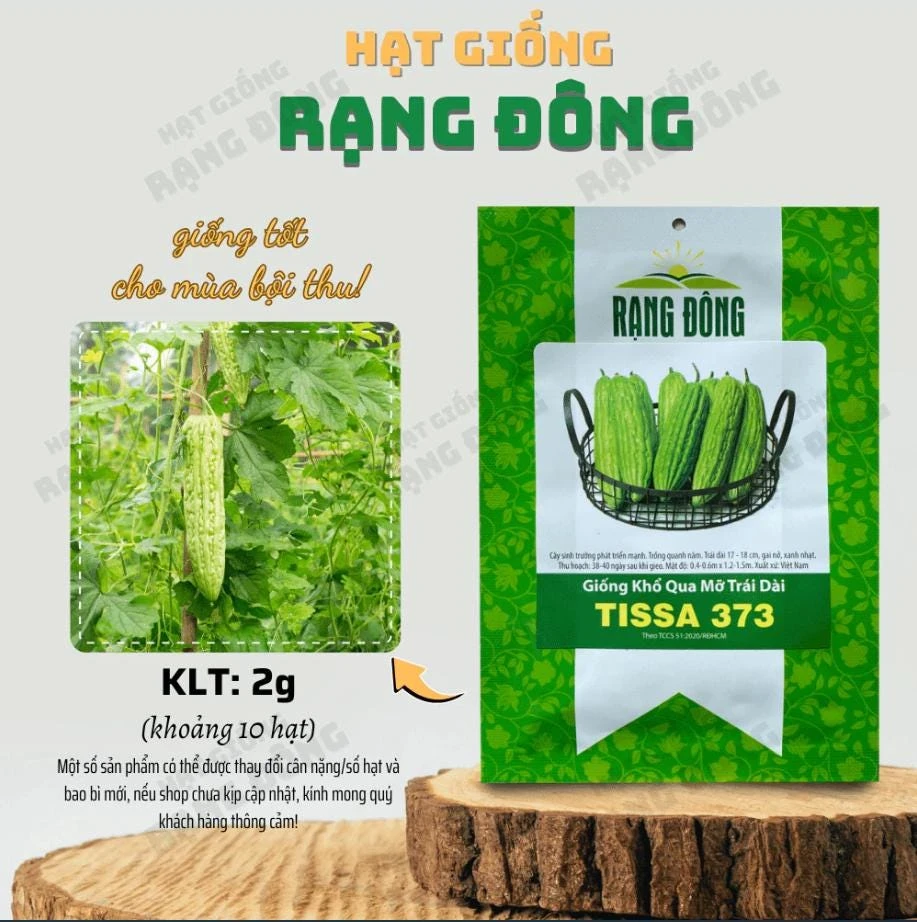
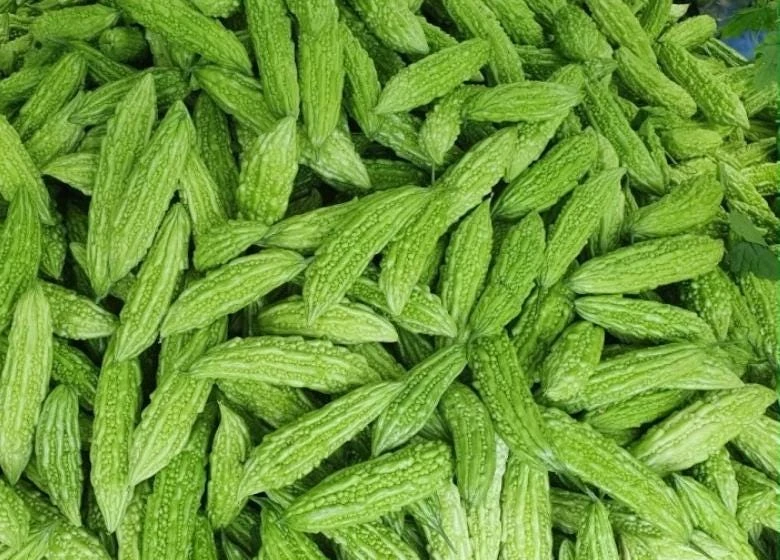
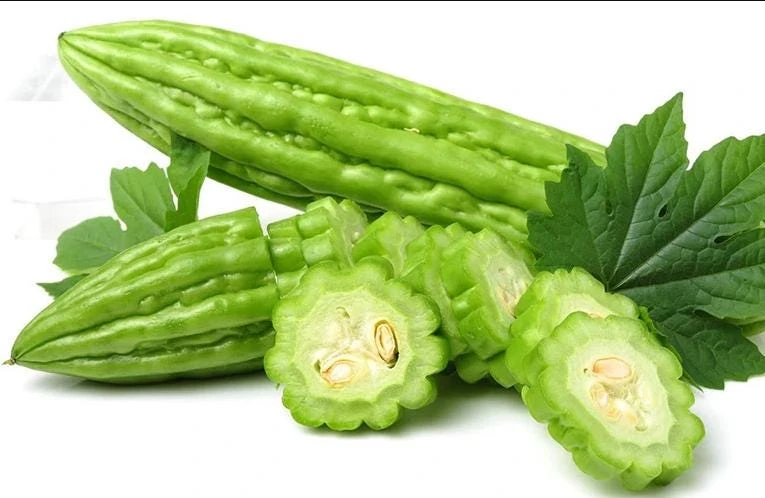
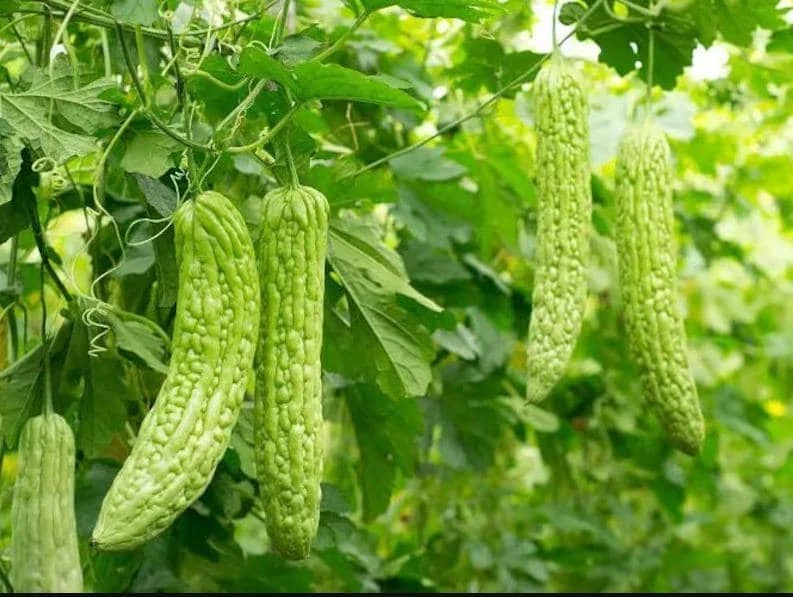
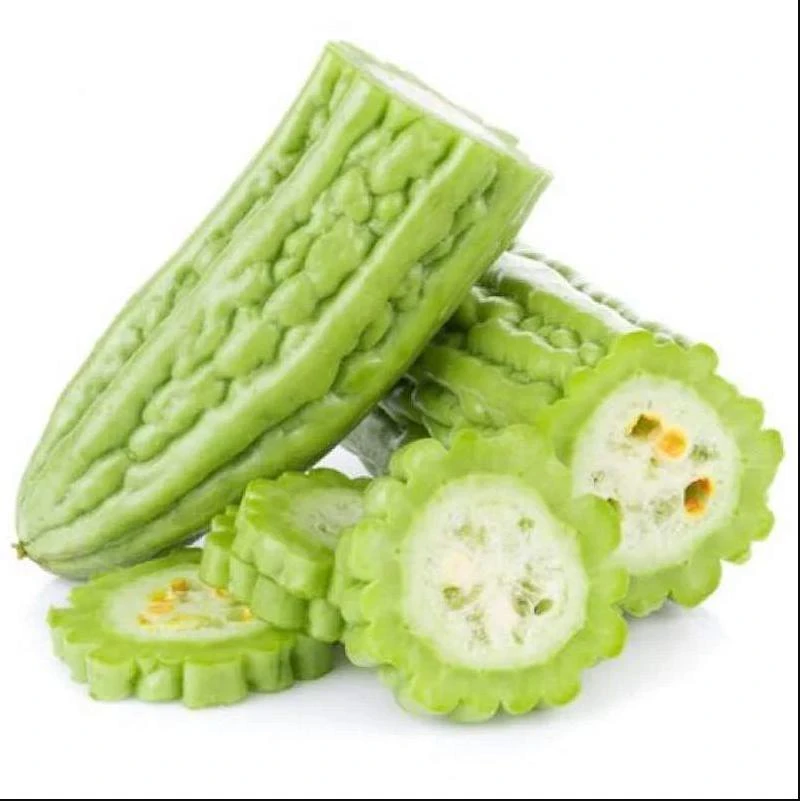
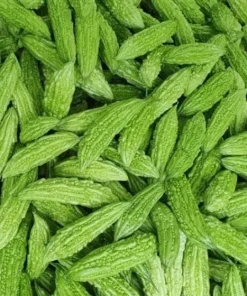
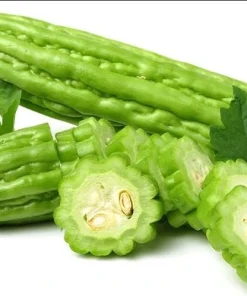
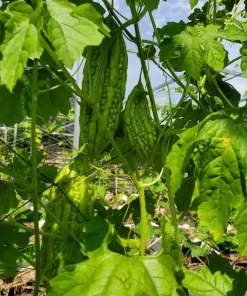
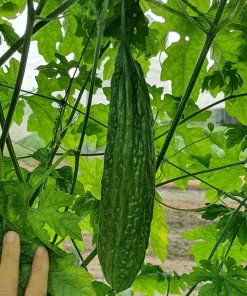
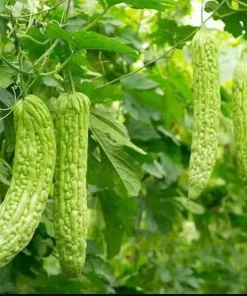
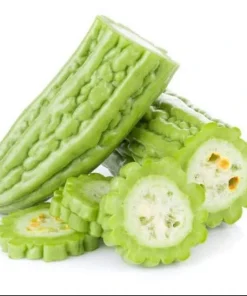
Bitter Melon Seeds – 10 Seeds for Planting – Bitter Gourd Vegetable
Original price was: $38.99.$13.99Current price is: $13.99.
Cultivate your own healthy produce with these premium bitter melon seeds. Each packet contains 10 high-quality seeds, perfect for growing delicious and nutritious bitter gourd seeds in your home garden. Enjoy fresh, homegrown bitter melon with ease.
Estimated arrival
Oct 14
Oct 19 - Oct 21
Oct 24 - Oct 28
Shop With Confidence
30-Day Plant Health Guarantee
Arrives damaged? We’ll replace it free — see our return policy.
Responsive Support
Email us anytime, we reply within 1 business day.
Expert Packaging
Temperature-controlled shipping to protect your plants in transit.
Secure Checkout
Pay safely with Visa, Mastercard, PayPal.
Plant Specifications
-
USDA Hardiness Zone
USDA zones 9-11 (can be grown as an annual in cooler zones) -
Soil Type
Fertile, well-draining soil -
Sunlight Exposure
Full sun (6-8+ hours daily) -
Expected Planting Period
Spring to early summer
Overview
Embark on a rewarding gardening journey with our premium bitter melon seeds. Also known as bitter gourd seeds, these seeds allow you to cultivate your own supply of this unique and highly nutritious vegetable right in your backyard. Bitter melon (Momordica charantia) is a tropical vine widely appreciated for its distinctive taste and impressive health benefits. Growing your own bitter melon ensures you have access to fresh, organic produce, free from pesticides and chemicals. This packet provides 10 viable seeds, offering a great start for both novice and experienced gardeners looking to add an exotic and healthful crop to their garden.
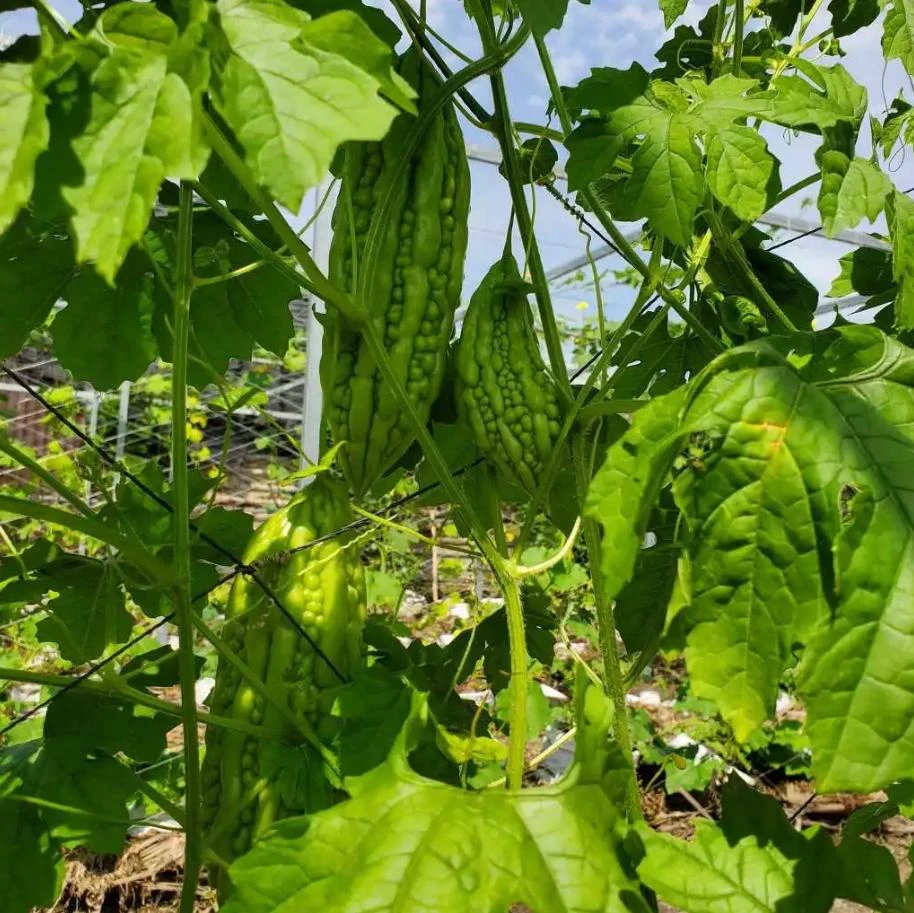
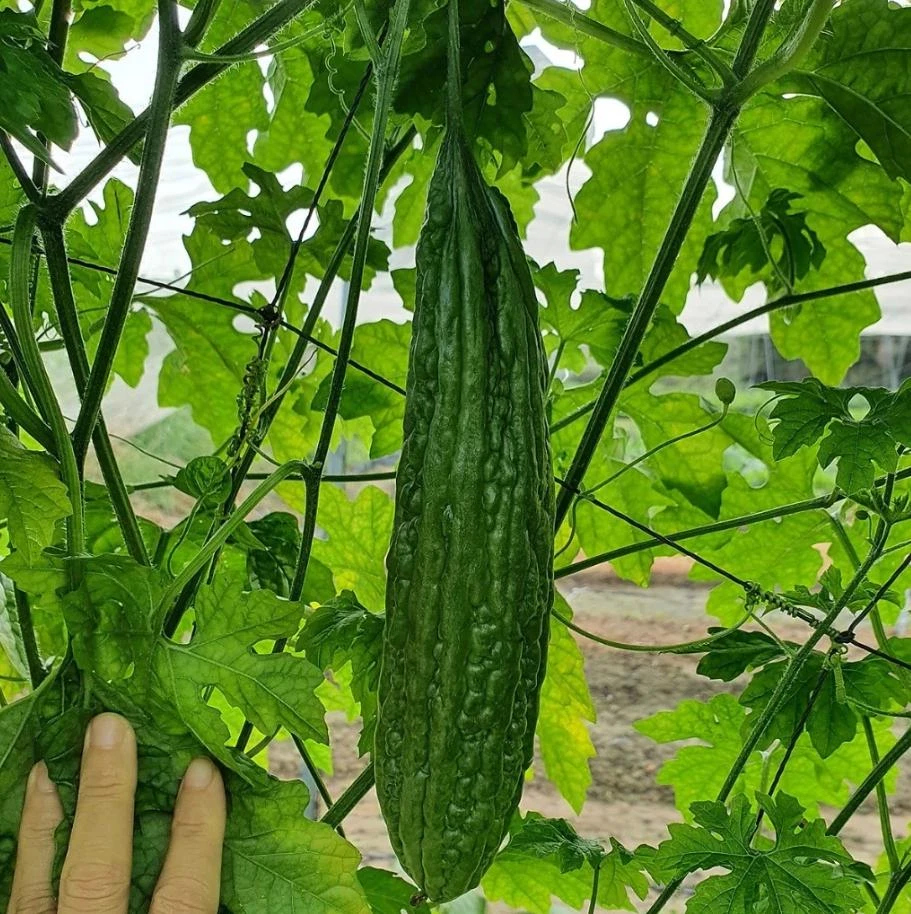
The bitter melon plant is a fast-growing, climbing vine that produces elongated, warty fruits, typically green before ripening to yellow or orange. It thrives in warm, humid climates and is a prolific producer when given the right conditions. Our seeds are carefully selected for high germination rates, making your journey to grow bitter melon a successful one. Whether you’re interested in its culinary uses or its traditional medicinal properties, cultivating bitter melon from seed is a fulfilling experience that connects you directly to your food source.
Key Benefits
Growing bitter melon from seeds offers numerous advantages, from fresh produce to a beautiful garden addition. These seeds provide an excellent opportunity to enjoy the many benefits associated with this remarkable plant.
- Nutritional Powerhouse:Bitter melon seeds grow into plants that produce fruits packed with vitamins A and C, folate, and essential minerals like potassium and zinc. Incorporating fresh bitter melon into your diet can contribute to overall well-being.
- Culinary Versatility: The harvested bitter melon can be used in a wide array of dishes, from stir-fries and curries to juices and teas. Its unique bitter flavor adds depth and character to various cuisines, making it a favorite in many cultures.
- Homegrown Freshness: Enjoy the unparalleled taste and quality of produce grown in your own garden. You control the growing environment, ensuring your bitter melon is fresh, organic, and harvested at its peak.
- Rewarding Gardening Experience: Watching the vining plant grow, flower, and produce fruit is incredibly satisfying. It’s an engaging project that yields tangible, delicious results.
- Supports Healthy Living: Bitter melon is traditionally recognized for its potential health benefits, including blood sugar support and antioxidant properties. Cultivating your own allows you to easily incorporate this beneficial vegetable into your lifestyle.
- Economic & Sustainable: Starting from bitter gourd seeds is a cost-effective way to produce a significant amount of this vegetable, reducing your grocery bill and promoting sustainable living practices.
- Garden Aesthetics: The lush green vines and unique fruits of the bitter melon plant add an interesting visual element to your garden, especially when trained on a trellis or fence.
Plant Care & Growing Tips
Successful bitter melon cultivation begins with proper seed preparation and consistent care. To ensure optimal germination, soak your bitter melon seeds in warm water for 24 hours prior to planting. This helps to soften the hard seed coat and encourages quicker sprouting. Alternatively, you can carefully nick the seed coat before soaking. Choose a sunny location in your garden that receives at least 6-8 hours of direct sunlight daily. Bitter melon thrives in fertile, well-draining soil with a pH between 6.0 and 7.0. Amend your soil with compost or aged manure to enrich it with essential nutrients before planting.
Sow the seeds approximately 2.5 cm (1 inch) deep, spacing them 50-75 cm (20-30 inches) apart in rows that are 1.2-1.5 meters (4-5 feet) apart. Maintain consistent soil moisture, especially during germination and throughout the flowering and fruiting stages. Avoid waterlogging, as this can lead to root rot. Provide a sturdy trellis, fence, or stakes for the vines to climb, as bitter melon is a vigorous climber and requires support for healthy growth and fruit development. Fertilize every 3-4 weeks with a balanced organic fertilizer or compost tea to support continuous fruiting. Mulching around the base of the plants will help retain soil moisture and suppress weeds, reducing the need for frequent watering and weeding.
Monitor your plants regularly for common pests like aphids and whiteflies, and diseases such as powdery mildew. Use organic pest control methods like neem oil or insecticidal soap if necessary. Harvest fruits when they are young and green, typically 12-18 cm (5-7 inches) long, which is usually 60-80 days after planting. Regular harvesting encourages the plant to produce more fruits. Bitter melon prefers warm, humid climates, so consider starting seeds indoors 2-3 weeks before the last frost date if you live in a cooler region. Avoid planting too early in cold soil, as this can hinder germination and early plant development. Following these tips will help you successfully grow bitter melon and enjoy a bountiful harvest.
Size & Details
This product includes 10 high-quality bitter melon seeds, carefully packaged to ensure viability. Each seed has the potential to grow into a vigorous vining plant, typically reaching lengths of 10 to 20 feet when provided with adequate support. The fruits usually mature to a length of 12-18 cm (5-7 inches) and are best harvested when young and green, approximately 60-80 days after planting. The seeds are suitable for direct sowing outdoors after the danger of frost has passed, or they can be started indoors for a head start in cooler climates. These seeds are perfect for home gardeners seeking to cultivate their own fresh produce. The package provides sufficient quantity to start a small to medium-sized patch of bitter gourd, allowing for continuous harvest throughout the growing season. Expect healthy, productive plants that will yield numerous bitter melons for culinary use.
Frequently Asked Questions
- Q: How many bitter melon seeds are included in this packet? A: This packet contains 10 premium bitter melon seeds, providing a great starting point for your home garden. We ensure high viability for successful germination.
- Q: What is the best time to plant bitter melon seeds? A: The ideal time to plant bitter gourd seeds is after the last frost date in your region, when soil temperatures have warmed. For a head start, you can begin seeds indoors 2-3 weeks before the last expected frost.
- Q: How much sun does a bitter melon plant need? A: Bitter melon plants thrive in full sun, requiring at least 6-8 hours of direct sunlight per day for optimal growth and fruit production.
- Q: Is bitter melon cultivation difficult for beginners? A: While bitter melon has specific needs, with proper care and attention to the growing instructions, it can be successfully grown by beginners. Providing a trellis and consistent watering are key.
- Q: What kind of soil is best for growing bitter melon? A: Bitter melon prefers fertile, well-draining soil rich in organic matter. Amending your garden soil with compost or aged manure before planting is highly recommended.
- Q: How long does it take for bitter melon to produce fruit? A: Typically, bitter melon plants will start producing fruits about 60-80 days after planting the seeds. Regular harvesting encourages more fruit development.
- Q: Do I need a trellis or support for my bitter melon plant? A: Yes, bitter melon is a vining plant and requires a sturdy trellis, fence, or stakes to climb. This promotes better air circulation and easier harvesting.
- Q: Can I grow bitter melon in a container? A: Yes, you can grow bitter melon in large containers (at least 5-gallon capacity) if you provide adequate support for the vines and ensure consistent watering and feeding.
- Q: How often should I water my bitter melon plants? A: Maintain consistent moisture in the soil, especially during flowering and fruiting. Water deeply when the top inch of soil feels dry, but avoid waterlogging.
- Q: What are some common uses for bitter melon? A: Bitter melon is widely used in various cuisines, including stir-fries, curries, and soups. It’s also popular in juices and traditional remedies for its potential health benefits.
Be the first to review “Bitter Melon Seeds – 10 Seeds for Planting – Bitter Gourd Vegetable”
People Also Viewed
Flower Plants
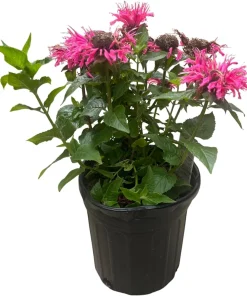
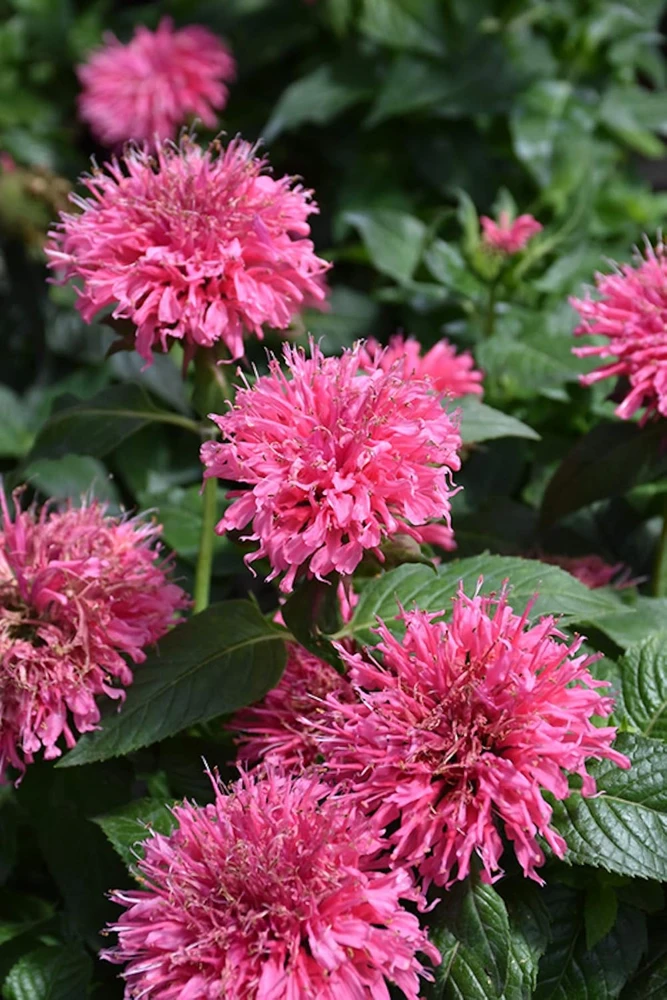
Bubble Gum Blast Bee Balm Live Plant – Pink Monarda in Gallon Pot, Attracts Pollinators
Flower Plants
Pentas Pink Profusion Live Plants – 2 Pack, 5-9 inch Tall Egyptian Starcluster for Outdoor Gardens
Reviews
There are no reviews yet.