
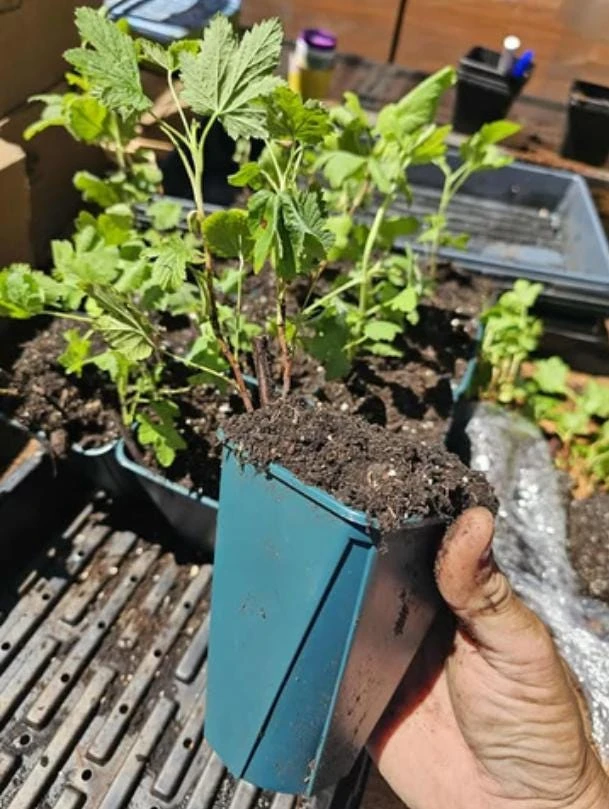
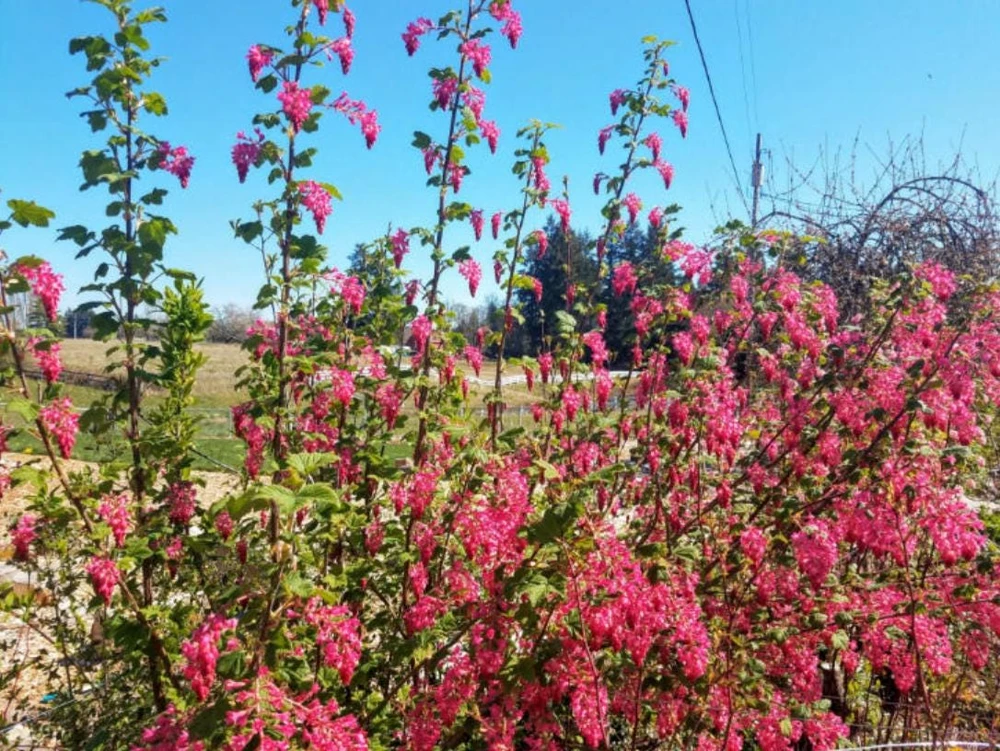
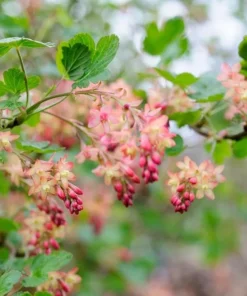
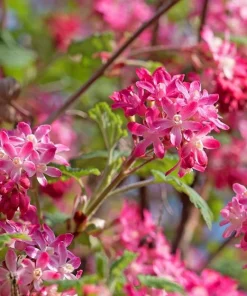
Flowering Currant Live Plant – 2-4″ Tall Shrub – Pink to Red Blooms – 3-4″ Pot
Original price was: $52.99.$32.99Current price is: $32.99.
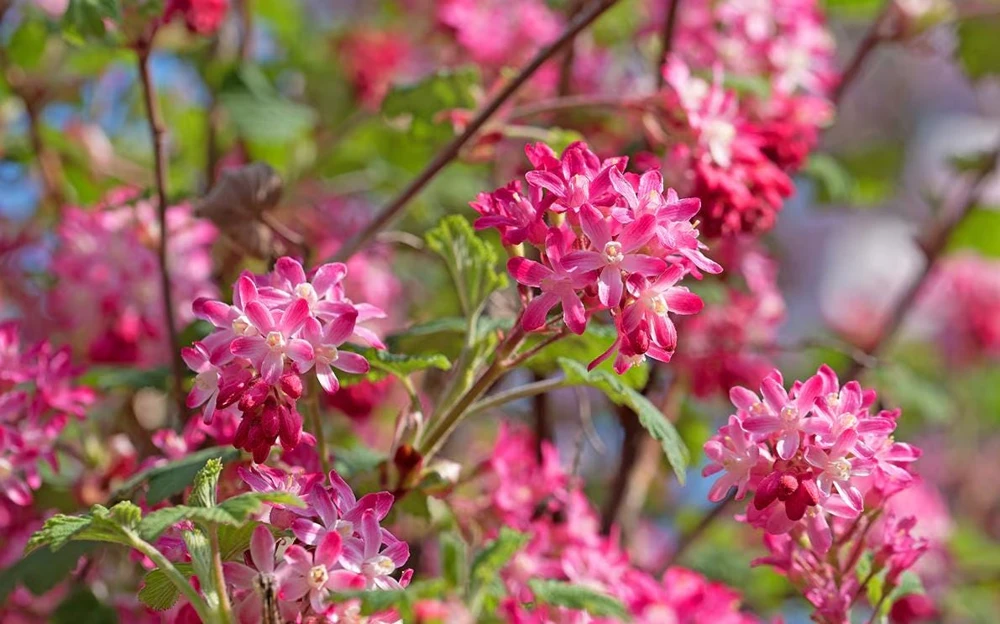
Bring early spring color to your garden with this flowering currant live plant. A deciduous hardy spring shrub, it features stunning pink to deep red blooms that attract hummingbirds and bees. Perfect for borders, cottage gardens, and creating a pollinator friendly plant environment.
Estimated arrival
Sep 29
Oct 04 - Oct 06
Oct 09 - Oct 13
Shop With Confidence
30-Day Plant Health Guarantee
Arrives damaged? We’ll replace it free — see our return policy.
Responsive Support
Email us anytime, we reply within 1 business day.
Expert Packaging
Temperature-controlled shipping to protect your plants in transit.
Secure Checkout
Pay safely with Visa, Mastercard, PayPal.
Plant Specifications
-
USDA Hardiness Zone
USDA Zones 5–9 -
Soil Type
Well-drained, moderately fertile soil -
Sunlight Exposure
Full sun to partial shade -
Expected Planting Period
Early spring or fall
Overview
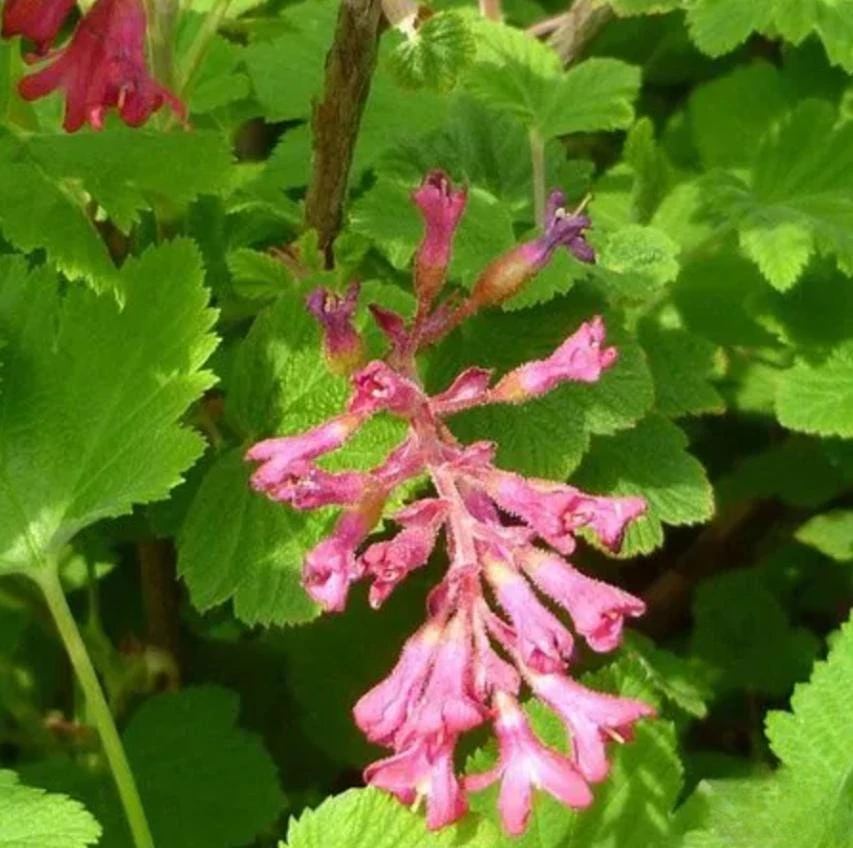
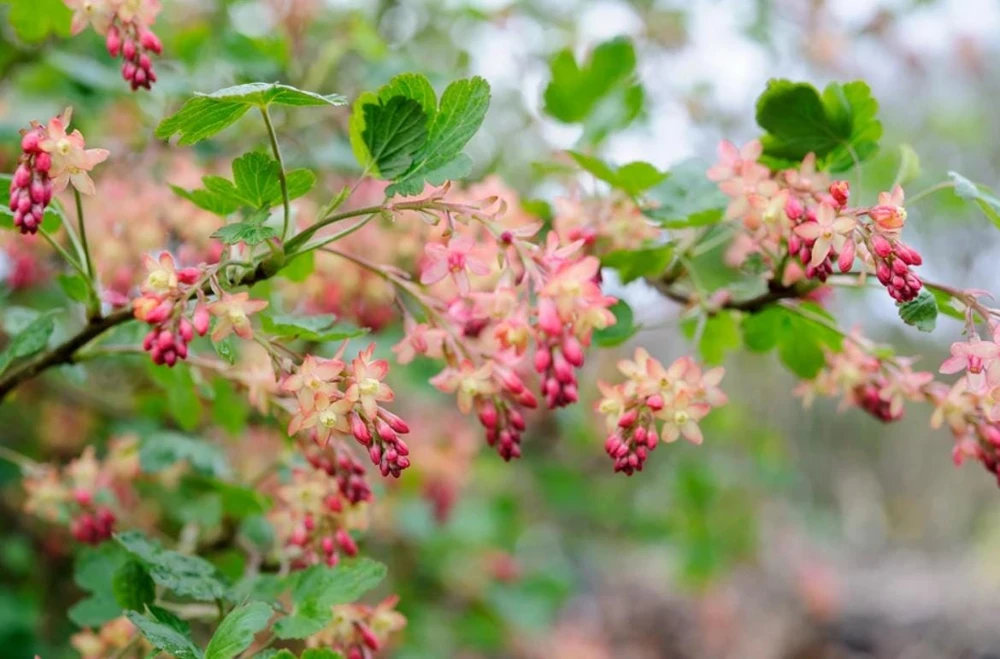
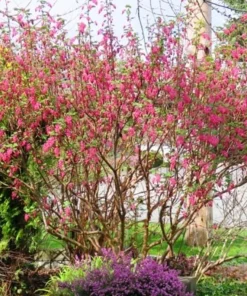
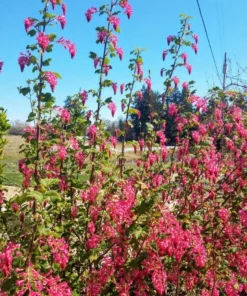
Introduce vibrant early spring beauty to your landscape with the flowering currant live plant (Ribes sanguineum). This remarkable deciduous shrub is celebrated for its spectacular clusters of pink to deep red flowers that emerge before its leaves, providing a crucial early nectar source for pollinators. Native to parts of North America, the flowering currant live plant is a resilient and low-maintenance addition to any garden, thriving in various conditions and offering year-round interest. Its aromatic, lobed green foliage adds texture even after the bloom season, and mature plants may produce small, dark berries that serve as a food source for birds and other wildlife, making it an excellent choice for a pollinator friendly plant and wildlife garden.
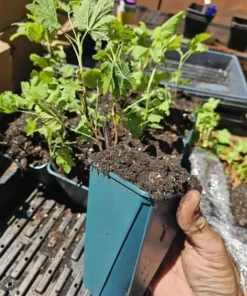
This listing provides one healthy, actively growing plant, approximately 2–4 inches tall, contained in a 3–4-inch pot, ready for transplanting into your garden. Whether you’re looking to create a stunning border, enhance a woodland edge, or add a splash of naturalized color, the flowering currant is an ideal selection. Its robust nature and captivating blooms make it a cherished favorite among gardeners seeking both aesthetic appeal and ecological benefit.
Key Benefits
The flowering currant live plant offers a multitude of advantages for your garden and local ecosystem. Its striking beauty combined with its ecological contributions makes it a truly valuable addition.
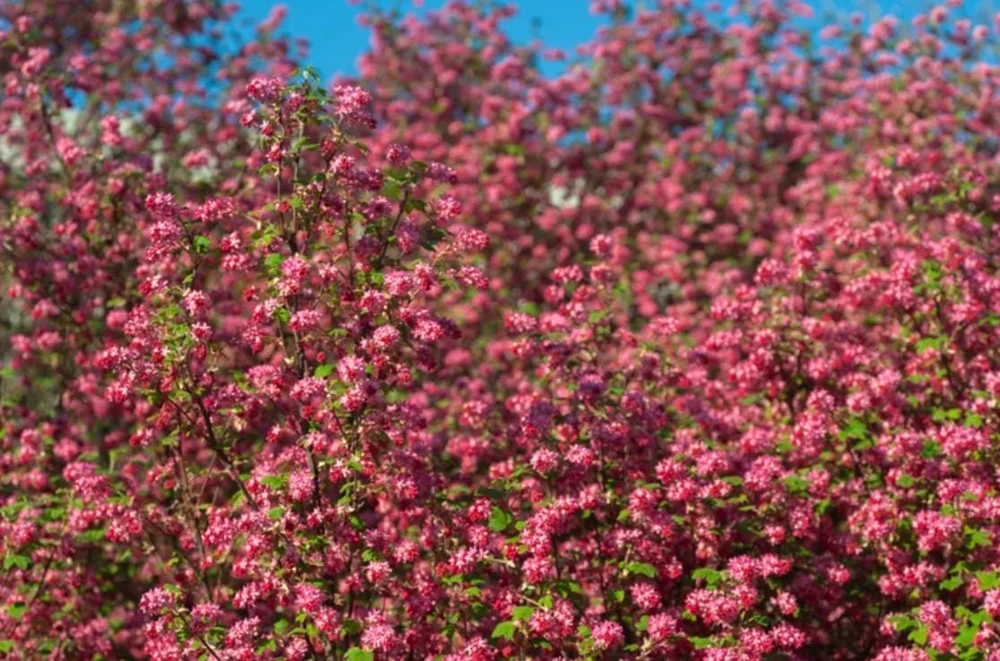
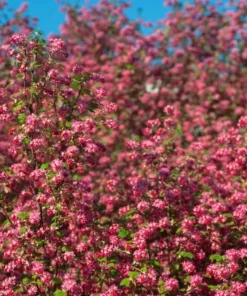
- Spectacular Early Spring Blooms: Enjoy a burst of vibrant pink to deep red flowers in early to mid-spring, often before other plants have begun to leaf out. These showy clusters create a dramatic visual impact and signal the arrival of warmer weather.
- Attracts Pollinators and Wildlife: As a premier pollinator friendly plant, it draws in hummingbirds, bees, and butterflies with its nectar-rich flowers. Later, its small berries provide a natural food source for birds, enhancing biodiversity in your garden.
- Hardy and Low Maintenance: This hardy spring shrub is known for its resilience and adaptability. Once established, it requires minimal care, tolerating a range of soil types and moderate drought, making it perfect for busy gardeners.
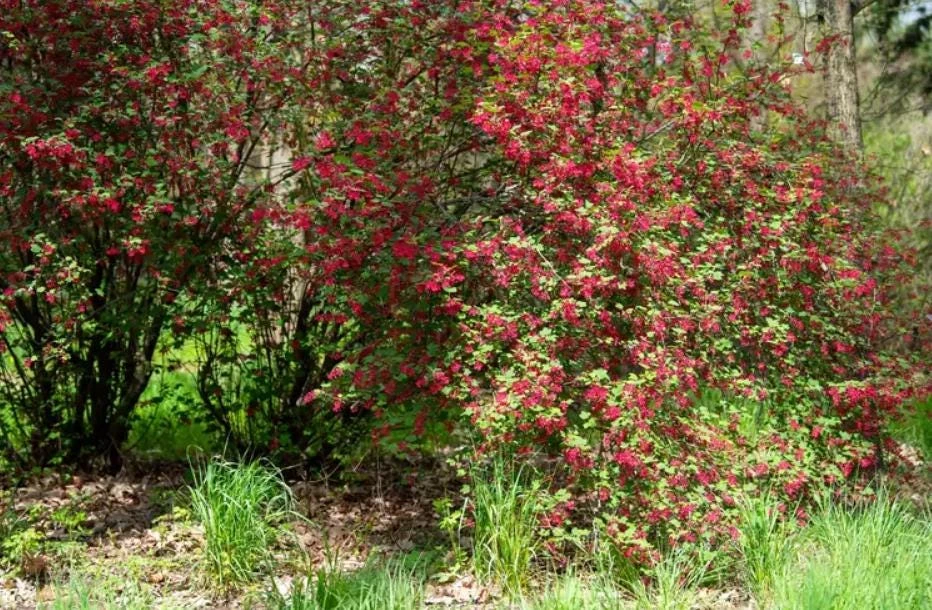
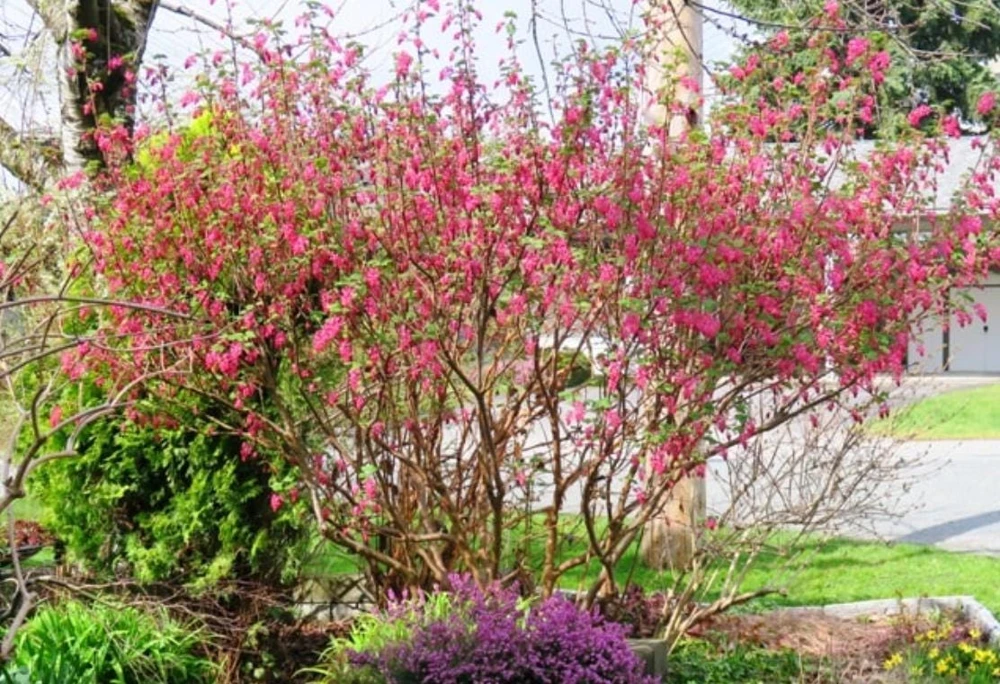
- Versatile Landscape Use: Ideal for a variety of garden settings including mixed borders, woodland gardens, cottage gardens, or naturalized areas. Its upright, bushy growth habit provides structure and year-round interest.
- Aromatic Foliage: Beyond its flowers, the lobed green leaves of the flowering currant live plant release a pleasant aroma when brushed, adding another sensory dimension to your outdoor space.
- Deer Resistant: Generally considered deer resistant, this plant is a good choice for areas where deer browsing can be an issue, allowing its beauty to remain undisturbed.
- Long-Lasting Interest: From its early spring flowers to its attractive foliage and potential berries, the plant offers visual appeal throughout multiple seasons, providing continuous enjoyment.
Plant Care & Growing Tips
Caring for your flowering currant live plant is straightforward, ensuring a healthy and flourishing specimen with minimal effort. This hardy spring shrub thrives in conditions that mimic its native habitat, making it an excellent choice for a wide range of gardeners.
Sunlight Requirements: The flowering currant live plant performs best in full sun to partial shade. Full sun (at least 6 hours of direct sunlight daily) will encourage the most abundant flowering, while partial shade (2-4 hours of direct sun, or bright indirect light all day) is tolerated, especially in hotter climates where it can protect the foliage from scorching. Ensure it receives adequate light for optimal bloom production.
Watering: During its establishment period (the first year after planting), water your flowering currant live plant regularly to keep the soil consistently moist but not waterlogged. Once established, it becomes moderately drought-tolerant, requiring less frequent watering. However, during prolonged dry spells, occasional deep watering will benefit its overall health and bloom quality. Avoid overly wet or heavy clay soils, as good drainage is crucial to prevent root rot.
Soil Type and Drainage: This shrub is adaptable to a range of soil types but prefers well-drained, moderately fertile soil. It can tolerate sandy, loamy, or clay soils as long as they do not retain too much moisture. Amending heavy clay soils with organic matter like compost can improve drainage and aeration. A slightly acidic to neutral pH is ideal. Proper soil preparation is key for a healthy pink flowering currant.
Temperature Range and USDA Hardiness Zone: The flowering currant live plant is remarkably cold hardy, thriving in USDA Zones 5–9. It can withstand winter temperatures well within this range. In colder zones, ensure it has adequate mulch around the base for winter protection. It is well-suited for temperate climates and can handle typical seasonal temperature fluctuations.
Fertilization: Generally, the flowering currant live plant does not require heavy fertilization. If your soil is poor or you notice slow growth, a balanced, slow-release granular fertilizer applied in early spring before new growth emerges can be beneficial. Follow package instructions carefully to avoid over-fertilizing. Over-fertilization can promote lush foliage at the expense of flowers.
Pruning: Pruning is best done immediately after flowering in late spring or early summer. This allows the plant to set new flower buds for the following year. Remove any dead, damaged, or crossing branches. You can also prune to maintain a desired shape and size, or to rejuvenate an older shrub by removing one-third of the oldest stems at ground level. This practice helps maintain a vigorous and attractive Ribes sanguineum.
Common Problems and Solutions: While generally robust, watch for common shrub pests like aphids, which can be treated with insecticidal soap. Powdery mildew can occur in humid conditions; ensure good air circulation and consider a fungicide if severe. Providing optimal growing conditions, such as proper light and drainage, is the best defense against most issues for your pollinator friendly plant.
Size & Details
This offering includes one robust flowering currant live plant, carefully cultivated and shipped in prime condition. Each plant is approximately 2–4 inches tall from the top of the soil, housed within a sturdy 3–4-inch nursery pot. This size ensures the plant has a well-developed root system, making it ready for successful transplanting into your garden or a larger container upon arrival. The plant’s height and pot size are approximate and may vary slightly based on individual growth patterns and seasonal availability, but all plants are guaranteed to be healthy and viable.
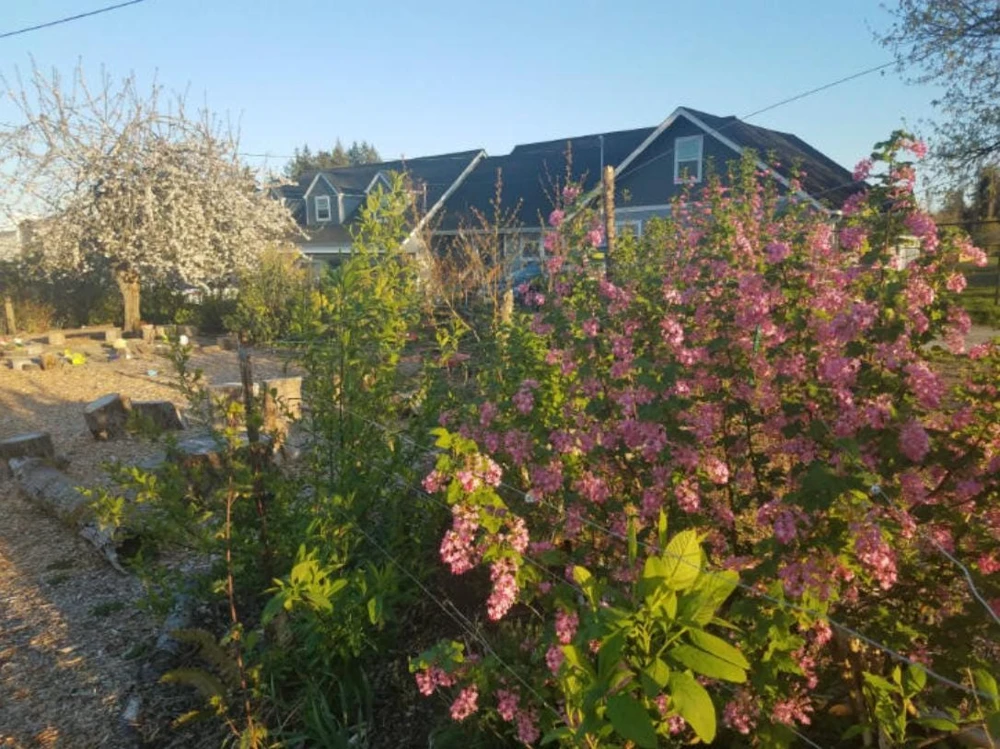
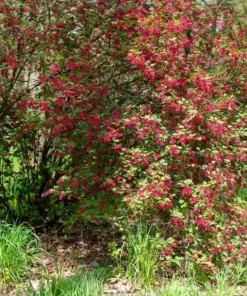
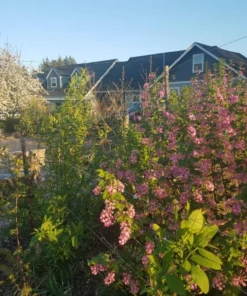
The flowering currant live plant typically grows into an upright, bushy shrub, reaching a mature height of 6–10 feet and a similar spread, depending on conditions and pruning. It has a moderate growth rate, establishing itself well within the first year and beginning to produce abundant blooms within its first few seasons. This hardy spring shrub is delivered in its nursery pot, providing protection during transit and making the planting process straightforward. Expect stunning pink to deep red blooms in early to mid-spring, transforming your garden into a vibrant haven for pollinators.
Frequently Asked Questions
- Q: How big does this flowering currant live plant get? A: A: This hardy spring shrub typically reaches a mature height and spread of 6–10 feet. Its ultimate size can be influenced by growing conditions and how it is pruned.
- Q: What size pot does it come in? A: Each flowering currant live plant is shipped in a 3–4-inch nursery pot, and the plant itself is approximately 2–4 inches tall from the soil line, ready for transplanting.
- Q: Is this an indoor or outdoor plant? A: The flowering currant live plant is an outdoor shrub, best suited for planting directly in the garden where it can thrive and bloom. It is not recommended as an indoor houseplant.
- Q: How much sunlight does it need? A: This plant thrives in full sun (at least 6 hours direct sunlight) to partial shade (2-4 hours direct sunlight). More sun generally leads to more abundant flowering.
- Q: Is this plant easy to care for? A: Yes, the flowering currant live plant is considered low-maintenance. Once established, it is quite hardy and tolerant of various conditions, making it suitable for gardeners of all experience levels.
- Q: What condition will it arrive in? A: Your flowering currant live plant will arrive as a healthy, actively growing specimen in its nursery pot, carefully packaged to ensure its safe journey.
- Q: When is the best time to plant a pink flowering currant? A: The best times to plant are in early spring or fall, allowing the plant to establish its root system before extreme temperatures.
- Q: Will it survive winter in my zone? A: This hardy spring shrub is cold hardy in USDA Zones 5–9. If you are within these zones, it should successfully overwinter outdoors.
- Q: Is Ribes sanguineum a good choice for attracting wildlife? A: Absolutely! It’s an excellent pollinator friendly plant, attracting hummingbirds, bees, and butterflies with its flowers, and birds with its berries.
- Q: Does this plant produce edible fruit? A: The berries of the flowering currant live plant are generally not considered palatable for human consumption and are primarily for ornamental and wildlife value.
Be the first to review “Flowering Currant Live Plant – 2-4″ Tall Shrub – Pink to Red Blooms – 3-4″ Pot”
People Also Viewed
Vegetable Seeds
100 Lady Cowpea Seeds – White Lady Finger Bean Vegetable Seeds
Reviews
There are no reviews yet.