
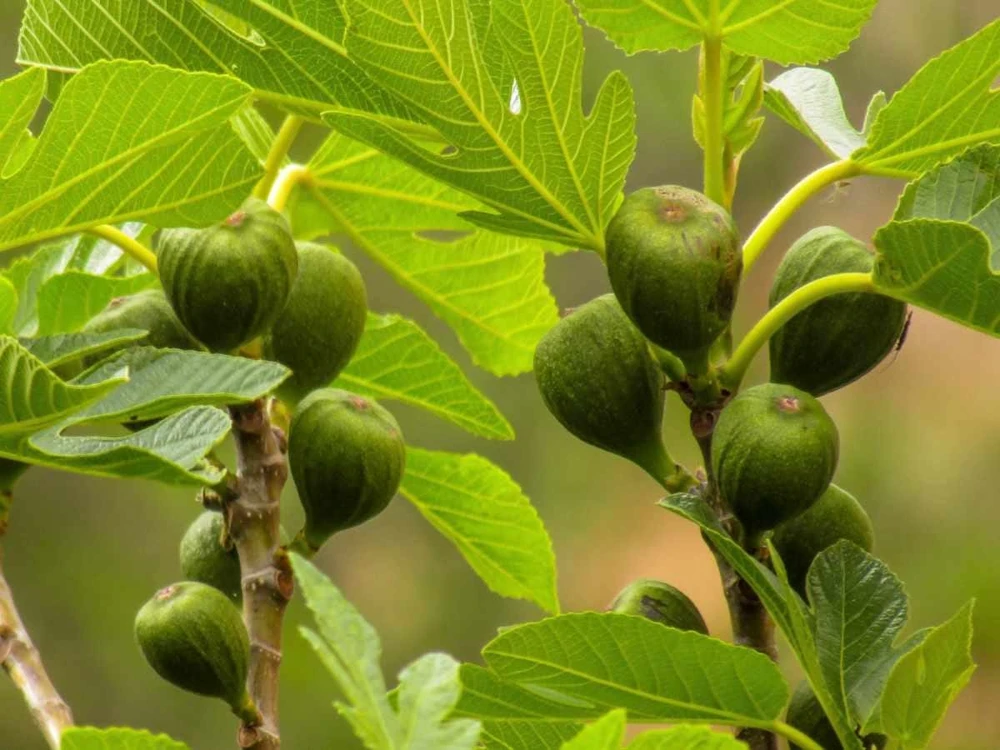
Fig Tree Live Plant – Ficus Carica Edible Fruit Shrub – 15-25 cm Tall
Original price was: $50.99.$20.99Current price is: $20.99.
Cultivate your own delicious fruit with a fig tree live plant. This Ficus Carica plant is a winter-hardy, deciduous shrub, perfect for growing outdoors in USDA Zones 6-10. It produces sweet, edible fruits in the fall, adding both beauty and bounty to your garden.
Estimated arrival
Nov 07
Nov 12 - Nov 14
Nov 17 - Nov 21
Shop With Confidence
30-Day Plant Health Guarantee
Arrives damaged? We’ll replace it free — see our return policy.
Responsive Support
Email us anytime, we reply within 1 business day.
Expert Packaging
Temperature-controlled shipping to protect your plants in transit.
Secure Checkout
Pay safely with Visa, Mastercard, PayPal.
Plant Specifications
-
USDA Hardiness Zone
USDA Zones 6-10 -
Soil Type
Well-draining, moist soil -
Sunlight Exposure
Full sun -
Expected Planting Period
Spring to early summer
Overview
Bring the joy of home-grown fruit to your garden with this beautiful fig tree live plant. Scientifically known as Ficus carica, this deciduous shrub is renowned for its delicious, sweet fruits and attractive foliage. Originating from the Mediterranean and Western Asia, the common fig has been cultivated for thousands of years, cherished for its culinary versatility and relatively easy care. This particular offering provides a healthy, well-rooted specimen, ready to establish itself in your landscape and begin producing its delectable harvest. Whether you’re an experienced gardener or just starting your edible landscaping journey, a ficus carica plant is a rewarding addition.
Our edible fig plant is specifically selected for its vigor and potential to thrive in a wide range of climates, particularly within its recommended hardiness zones. While the exact cultivar may be generic, the inherent qualities of the Ficus carica species ensure you’ll receive a plant capable of yielding succulent fruit. Figs are not only tasty but also offer a unique aesthetic, with their large, lobed leaves and distinctive fruit development. Prepare to enjoy fresh figs right from your backyard, a true testament to the simple pleasures of gardening.
Key Benefits
Adding a fig tree live plant to your garden offers numerous advantages, from fresh produce to ornamental appeal. This versatile shrub provides a bounty of benefits for any home gardener:
- Fresh, Edible Fruit: The primary benefit is the production of sweet, juicy figs in the fall. These can be enjoyed fresh, dried, or used in various culinary applications like jams, desserts, and savory dishes. Growing your own ensures the freshest, most flavorful figs possible.
- Attractive Landscape Addition: With its distinctive, deeply lobed leaves and charming growth habit, the ficus carica plant makes an attractive ornamental shrub or small tree, adding a touch of Mediterranean flair to your garden.
- Winter Hardy: Known for being a winter hardy fig, this plant can withstand colder temperatures, thriving in USDA Zones 6-10, making it suitable for many regions across the US.
- Adaptable Growth: Figs can be grown as a large shrub or trained as a small tree, allowing flexibility in garden design. They can also be grown in large containers in colder climates and brought indoors during winter.
- Relatively Low Maintenance: Once established, fig trees are fairly drought-tolerant and require minimal care, making them an excellent choice for gardeners seeking a productive yet easy-to-manage fruit tree.
- Health Benefits: Figs are rich in fiber, vitamins, and minerals, contributing to a healthy diet. Enjoying them fresh from your own garden maximizes their nutritional value.
- Supports Local Wildlife: The fruits can also attract birds and other small wildlife, adding biodiversity to your backyard ecosystem.
Plant Care & Growing Tips
Caring for your fig tree live plant is straightforward, ensuring a bountiful harvest with proper attention. Figs thrive in sunny locations, requiring at least 6-8 hours of direct sunlight per day to produce the best fruit. When planting, choose a spot with well-drained soil. They prefer a moist, but not waterlogged, environment. Amend heavy clay soils with organic matter to improve drainage, or sandy soils to improve water retention. For potted figs, use a high-quality potting mix designed for edible plants or fruits.
Watering is crucial, especially during dry spells and when the plant is establishing. Keep the soil consistently moist but avoid overwatering, which can lead to root rot. Fertilize your edible fig plant in early spring with a balanced slow-release fertilizer or an organic compost. Established trees generally need less fertilization. Pruning should be done in late winter or early spring while the plant is dormant. Remove any dead, damaged, or crossing branches to improve air circulation and sunlight penetration, which helps with fruit production. Training your fig as a single-stem tree or a multi-stemmed shrub depends on your aesthetic preference and space availability.
Protection in winter for younger plants, especially in Zone 6, might involve mulching heavily around the base or wrapping the plant. While this is a winter hardy fig, extreme cold snaps can damage young growth. Common pests include fig rust and fig mosaic virus, though figs are generally quite resilient. Good air circulation and proper watering practices can help prevent most issues. Learning how to grow figs successfully involves understanding these basic needs and providing consistent care.
Size & Details
This fig tree live plant is shipped as a well-rooted specimen, typically measuring approximately 15-25 cm (6-10 inches) in height from the top of the soil. It comes planted in a 2 1/2 x 3 1/2 inch pot, ensuring a healthy root system ready for transplanting. As a deciduous shrub, the plant may arrive dormant or soon to be dormant, especially during fall and winter months, meaning it could be leafless or have trimmed/yellowed leaves. This is a natural part of its life cycle and does not impact the plant’s health or future growth; new leaves will emerge vigorously in spring.
The ficus carica plant is a relatively fast-growing species once established, quickly reaching heights of 6 feet or more, depending on pruning and growing conditions. It is expected to produce its first fruits within 1-3 years of planting, with increasing yields as it matures. This generic fig cultivar offers the classic qualities of the species, providing reliable growth and delicious fruit. It’s an excellent choice for those looking to establish a productive and long-lived edible fig plant in their garden or a large container.
Frequently Asked Questions
- Q: How big does this fig tree get? A: A fig tree live plant can grow to 6 feet tall or more as a shrub, or can be trained into a small tree, depending on pruning and growing conditions. Its mature size will vary based on your climate and care.
- Q: What size pot does it come in? A: This ficus carica plant is shipped in a 2 1/2 x 3 1/2 inch pot, providing a sturdy root ball ready for transplanting into a larger container or directly into your garden.
- Q: Is this an indoor or outdoor plant? A: The edible fig plant is primarily an outdoor plant, thriving in full sun. In colder climates (USDA Zone 6), it can be grown outdoors with winter protection or kept in a large container and moved indoors during the coldest months.
- Q: How much sunlight does it need? A: For optimal fruit production, your fig tree live plant requires a location that receives at least 6-8 hours of direct sunlight per day. Full sun exposure is key for sweet, abundant figs.
- Q: Is this plant easy to care for? A: Yes, once established, fig trees are relatively easy to care for. They are quite resilient and drought-tolerant, making them a good choice for gardeners of varying experience levels. Learning how to grow figs successfully mainly involves providing adequate sun and well-drained soil.
- Q: What condition will it arrive in? A: As a deciduous shrub, the plant may arrive dormant, leafless, or with trimmed/yellowed leaves, especially during fall and winter. This is normal for a winter hardy fig and indicates the plant is healthy and preparing for new growth in spring.
- Q: Can I use figs from this plant in cooking? A: Absolutely! This edible fig plant is specifically grown for its delicious fruits, which are perfect for eating fresh, drying, making jams, or incorporating into various savory and sweet dishes.
- Q: How long until it blooms or fruits? A: Your fig tree live plant typically begins to produce fruit within 1-3 years after planting. The yield will increase as the plant matures and establishes itself in your garden.
- Q: What’s the minimum temperature this plant can tolerate? A: This winter hardy fig is suitable for USDA Zones 6-10. In Zone 6, it may require some winter protection to help it survive colder temperatures, especially when young.
- Q: What type of soil does a fig tree prefer? A: Fig trees prefer well-draining, moist soil. They can tolerate a variety of soil types but perform best in loamy soils enriched with organic matter. Avoid heavy, waterlogged soils.
Be the first to review “Fig Tree Live Plant – Ficus Carica Edible Fruit Shrub – 15-25 cm Tall”
People Also Viewed
Houseplants
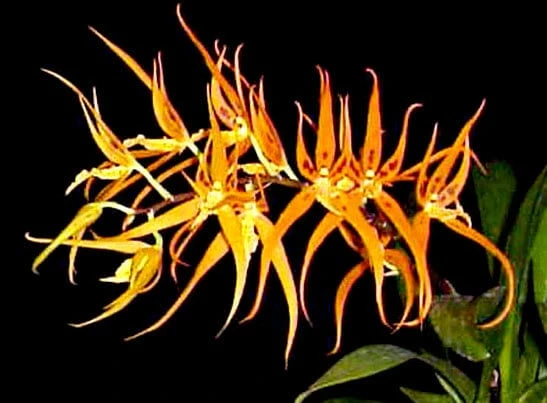
Brassia Orange Delight ‘Hilo Sunrise’ Orchid Live Plant – 2.5″ Pot – Yellow-Orange Flowers


Flower Seeds
250 Persian White Poppy Seeds – Papaver Somniferum Flower Seeds, 36-48″ Tall, White Blooms

Flower Plants
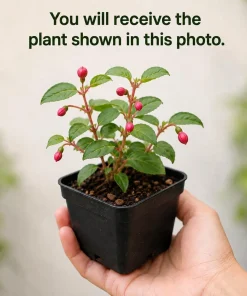
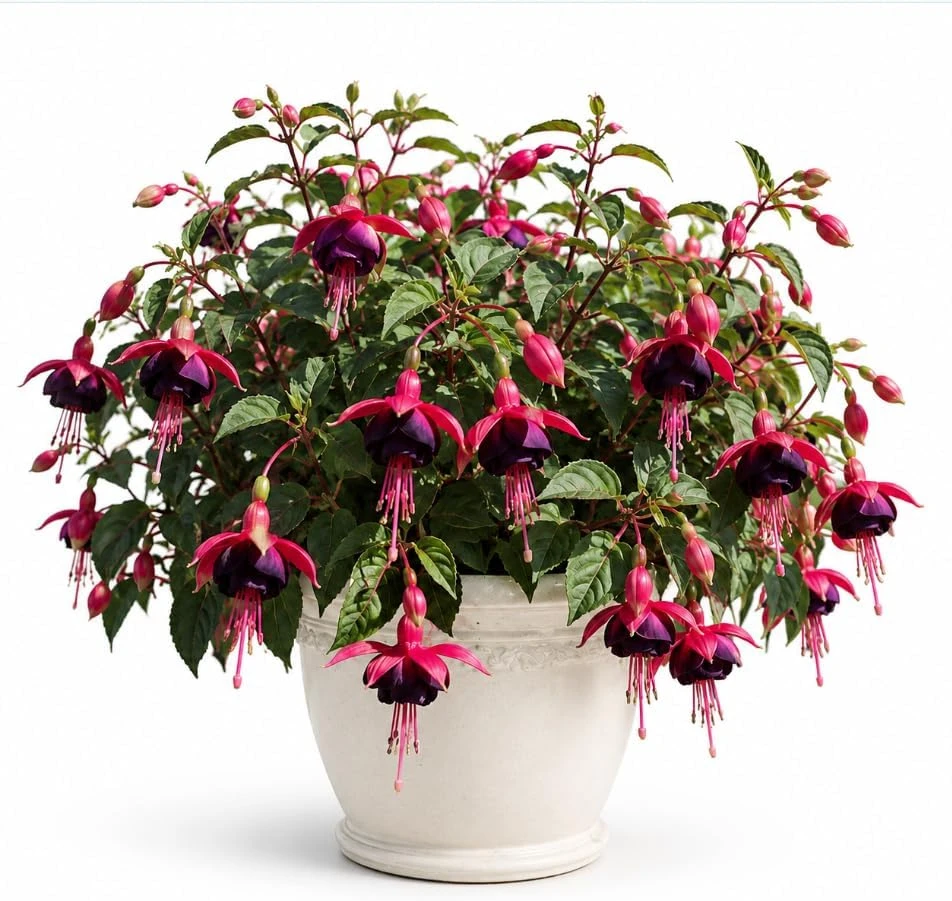
Black Fuchsia Live Plant – Dark Flower Fuchsia – 4-6 inch Tall – 5 Inch Pot – Indoor/Outdoor
Reviews
There are no reviews yet.