
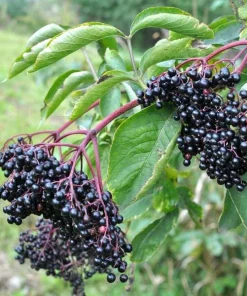
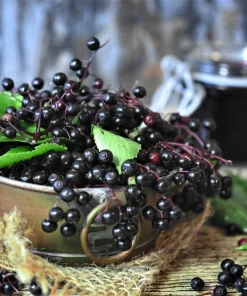
Elderberry Live Plant – Rooted Edible Shrub – Outdoor Fruit Bush
Original price was: $85.99.$65.99Current price is: $65.99.
Cultivate your own healthy supply of berries with this elderberry live plant. This rooted, edible shrub is an excellent addition to any outdoor garden, offering both ornamental beauty and delicious fruit. Perfect for creating a natural landscape or for those interested in foraging from their own backyard.
Out of stock
Estimated arrival
Oct 25
Oct 30 - Nov 01
Nov 04 - Nov 08
Shop With Confidence
30-Day Plant Health Guarantee
Arrives damaged? We’ll replace it free — see our return policy.
Responsive Support
Email us anytime, we reply within 1 business day.
Expert Packaging
Temperature-controlled shipping to protect your plants in transit.
Secure Checkout
Pay safely with Visa, Mastercard, PayPal.
Plant Specifications
-
USDA Hardiness Zone
USDA Zones 3-9 -
Soil Type
Well-draining, slightly acidic to neutral soil -
Sunlight Exposure
Full Sun to Partial Sun -
Expected Planting Period
Early spring or early fall
Overview
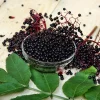
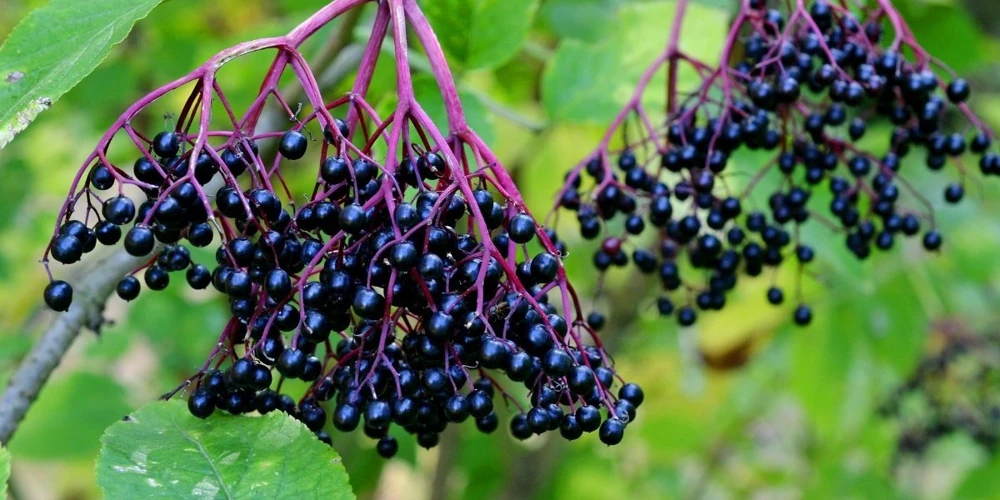
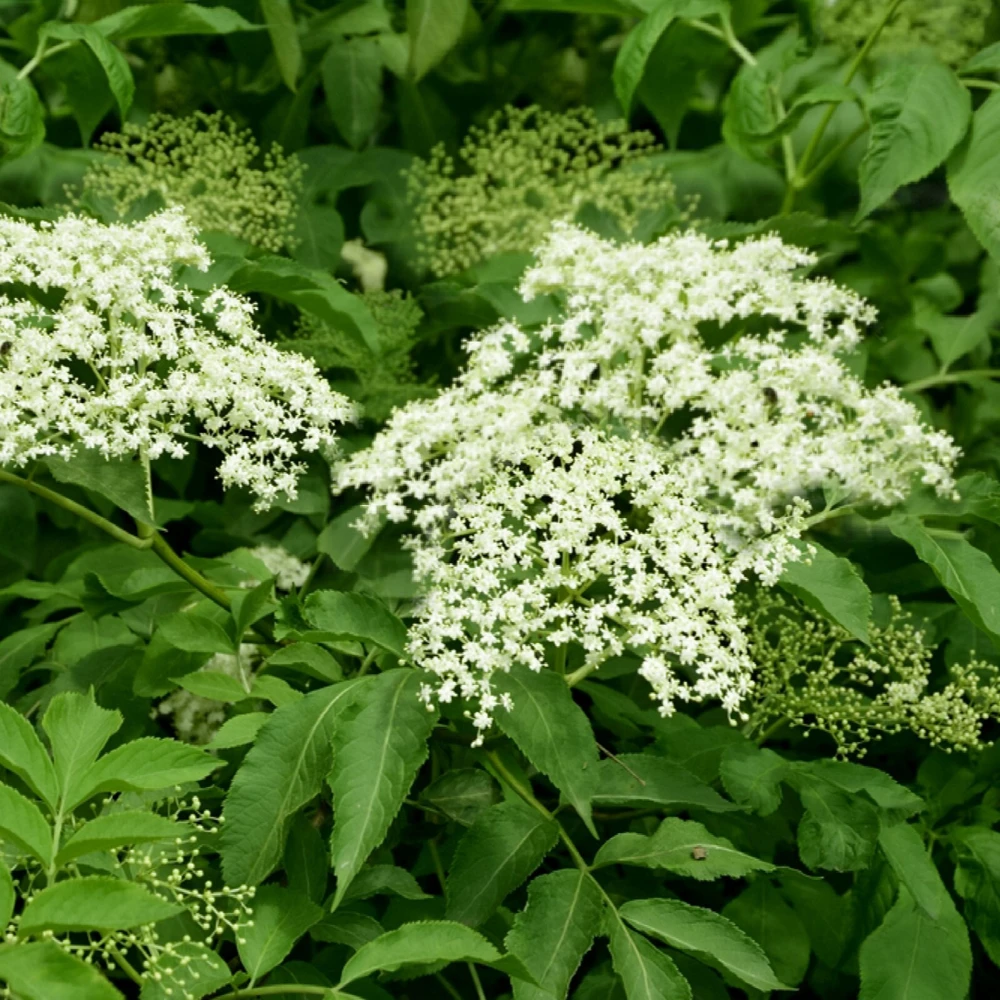
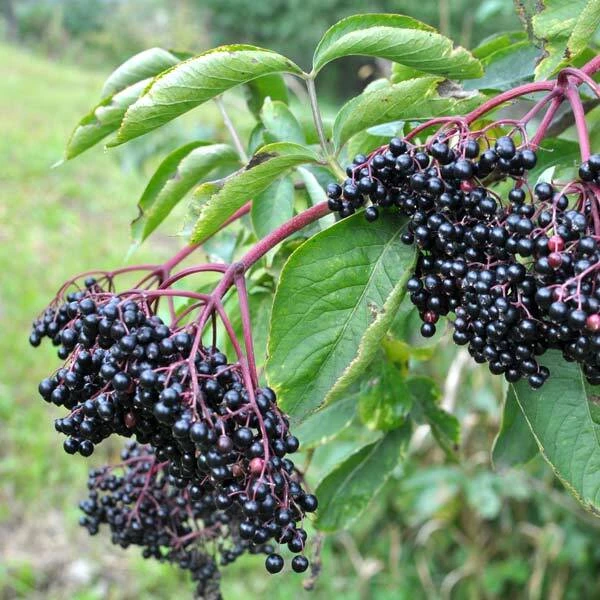
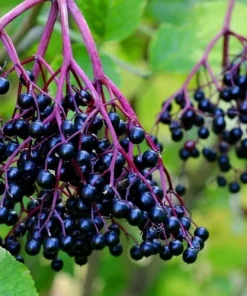
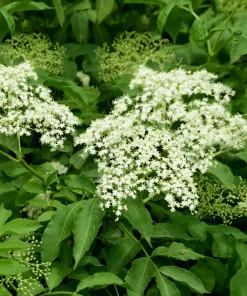
Bring the timeless charm and beneficial fruits of the elderberry live plant to your garden. This robust, rooted plant offers an opportunity to grow your own edible elderberries, a traditional favorite for centuries. Elderberry, scientifically known as Sambucus, is a versatile and attractive shrub that thrives in various outdoor settings. Known for its clusters of white flowers in spring and dark purple berries in late summer, this plant is not only a beautiful addition to your landscape but also a source of nutritious fruit. Growing an edible elderberry shrub provides a sustainable way to enjoy fresh berries, perfect for pies, jams, syrups, and more. This hardy plant is suitable for gardeners of all experience levels, promising a rewarding harvest with proper care.
Our elderberry live plant is a healthy, established specimen, ready to be planted in your garden. It is a deciduous shrub, meaning it will lose its leaves in the colder months and burst back to life each spring, offering seasonal interest. The plant’s vigorous growth habit makes it an excellent choice for creating natural hedges, providing privacy, or simply adding a touch of rustic beauty to your outdoor space. Discover the joy of cultivating your own elderberries and enjoy the many uses this incredible plant offers.
Key Benefits
Adding an elderberry live plant to your garden provides numerous advantages, from its edible yield to its ecological contributions. Here are some of the key benefits:
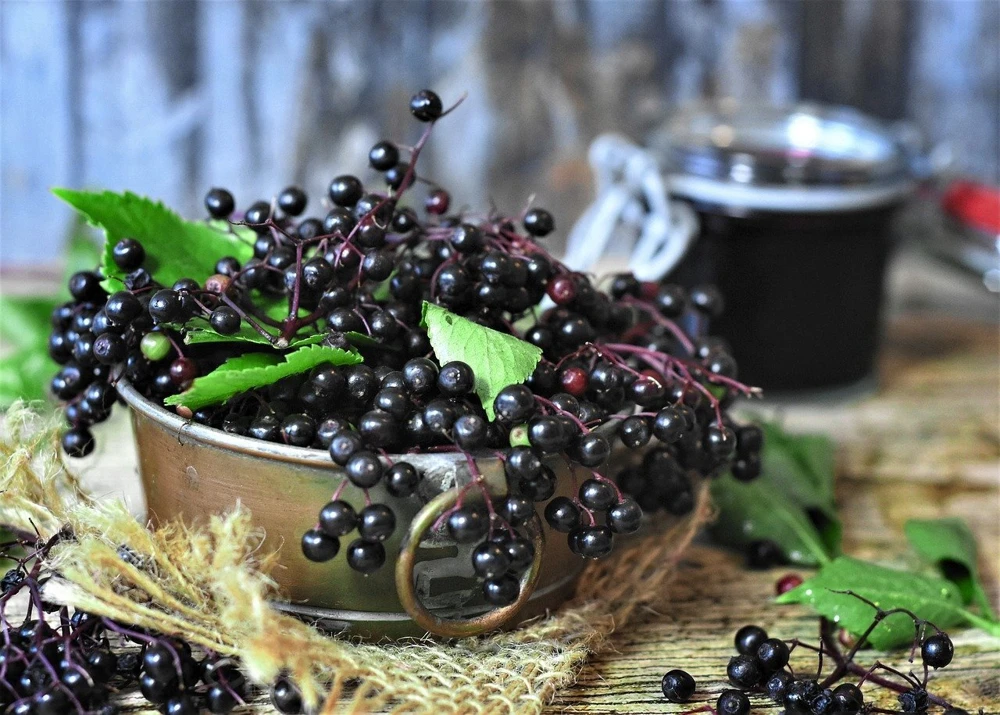
- Abundant Edible Berries: This plant produces a generous crop of dark, nutrient-rich berries that are perfect for making delicious jams, jellies, pies, and elderberry syrup. The berries are known for their distinctive flavor and are a popular ingredient in traditional recipes.
- Attractive Seasonal Interest: Enjoy beautiful clusters of creamy white flowers in late spring, followed by vibrant green foliage throughout the summer, and then striking dark berries. The plant also offers appealing fall foliage, adding visual appeal to your garden for multiple seasons.
- Wildlife Attraction: The flowers attract pollinators like bees and butterflies, while the berries provide a valuable food source for birds, enriching your garden’s biodiversity. This makes it an ideal choice for a wildlife-friendly garden.
- Easy to Grow and Maintain: Elderberry plants are known for their hardiness and adaptability, making them relatively low-maintenance once established. They tolerate a range of soil conditions and are generally resistant to many common pests and diseases, simplifying elderberry plant care.
- Traditional Uses: Beyond their culinary appeal, elderberries have a long history of use in traditional remedies, particularly for supporting immune health. Growing your own provides a fresh source for these traditional preparations.
- Versatile Landscape Plant: Whether you’re looking for a specimen plant, a natural hedge, or part of a food forest, the elderberry for home garden fits many landscape designs. Its robust growth can help create a sense of privacy or define garden spaces.
Plant Care & Growing Tips
Successful growing elderberry bush starts with understanding its basic needs. Elderberries thrive in a location that receives ample sunlight. They prefer at least 6 hours of full sun per day for optimal berry production, though they can tolerate partial sun. Ensure the planting site has well-draining soil, as elderberries do not like wet feet. A slightly acidic to neutral pH (5.5-6.5) is ideal. When planting, dig a hole twice as wide as the root ball and just as deep. Place the plant in the hole, ensuring the top of the root ball is level with the ground, then backfill with soil and water thoroughly.
Regular watering is crucial, especially during dry spells and in the first year after planting to help establish the root system. Aim for consistently moist, but not waterlogged, soil. Once established, elderberries are relatively drought-tolerant but will produce more fruit with consistent moisture. Fertilize in early spring with a balanced all-purpose fertilizer or compost to encourage vigorous growth and berry development. Pruning is best done in late winter or early spring while the plant is dormant. Remove any dead, damaged, or weak canes, and thin out older canes to encourage new growth and better fruit production. This essential elderberry plant care step helps maintain plant health and productivity.
Elderberries are generally hardy plants, typically suitable for USDA Zones 3-9, depending on the specific variety. They can tolerate a wide range of temperatures, but protecting young plants from harsh winter winds in colder zones can be beneficial. Keep an eye out for common pests like aphids or diseases like powdery mildew, though they are rarely severe on elderberries. Good air circulation and proper spacing between plants can help prevent most issues. With these simple care practices, your elderberry live plant will flourish and provide a bountiful harvest for years to come, making it a valuable addition to your elderberry for home garden.
Size & Details
This offering is for one elderberry live plant, which is a rooted specimen, ensuring a robust start in your garden. The plant is typically 1-2 years old, establishing a strong root system before shipment. Elderberries are fast-growing shrubs that can reach heights of 6 to 12 feet tall and spread 6 to 8 feet wide at maturity, depending on growing conditions and pruning. The plant will arrive ready for transplanting into your chosen outdoor location. It is shipped as a bare root or in a small nursery pot, depending on the season, with careful packaging to ensure its health upon arrival. Expect vigorous growth once planted and established, with berries typically appearing within 1-3 years of planting.
Frequently Asked Questions
- Q: How big does this elderberry live plant get? A: At maturity, this elderberry live plant can typically reach heights of 6 to 12 feet tall and spread 6 to 8 feet wide, depending on growing conditions and how it is pruned. Proper pruning can help manage its size and shape.
- Q: Is this an indoor or outdoor plant? A: This elderberry is an outdoor plant. It is a deciduous shrub that requires outdoor conditions to thrive and produce fruit, making it ideal for a garden, yard, or homestead.
- Q: How much sunlight does an elderberry bush need? A: For optimal growth and fruit production, an edible elderberry shrub needs at least 6 hours of full sun per day. It can tolerate partial shade, but berry yields may be reduced.
- Q: What condition will the elderberry plant arrive in? A: Your elderberry live plant will arrive as a healthy, rooted specimen, carefully packaged to ensure its well-being during transit. It will be ready for immediate planting upon arrival.
- Q: Is this elderberry plant easy to care for? A: Yes, elderberries are known for being relatively easy to care for. They are hardy plants that tolerate a range of conditions, making elderberry plant care manageable for most gardeners.
- Q: When is the best time to plant this elderberry for home garden? A: The best time to plant elderberry is in early spring after the last frost, or in early fall before the ground freezes. This allows the plant to establish its roots before extreme temperatures.
- Q: Will it survive winter in my zone? A: Elderberry plants are generally very hardy and can survive winters in USDA Zones 3-9. Check your specific zone to ensure it’s suitable for your local climate.
- Q: Can I use the berries from this elderberry bush? A: Yes, the berries from this elderberry live plant are edible and can be used for making various culinary delights like jams, jellies, pies, and syrups. Always ensure berries are cooked before consumption.
Be the first to review “Elderberry Live Plant – Rooted Edible Shrub – Outdoor Fruit Bush”
People Also Viewed
Flower Plants
Reviews
There are no reviews yet.