

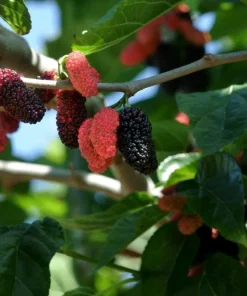
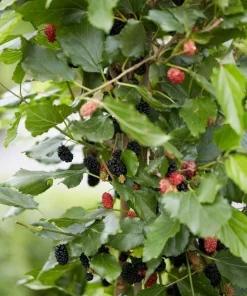
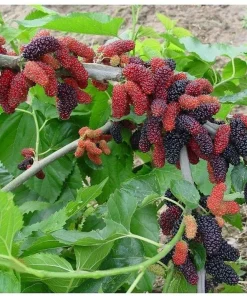
Dwarf Everbearing Mulberry Live Plant – Starter Tree for Edible Fruit
Original price was: $62.80.$37.80Current price is: $37.80.
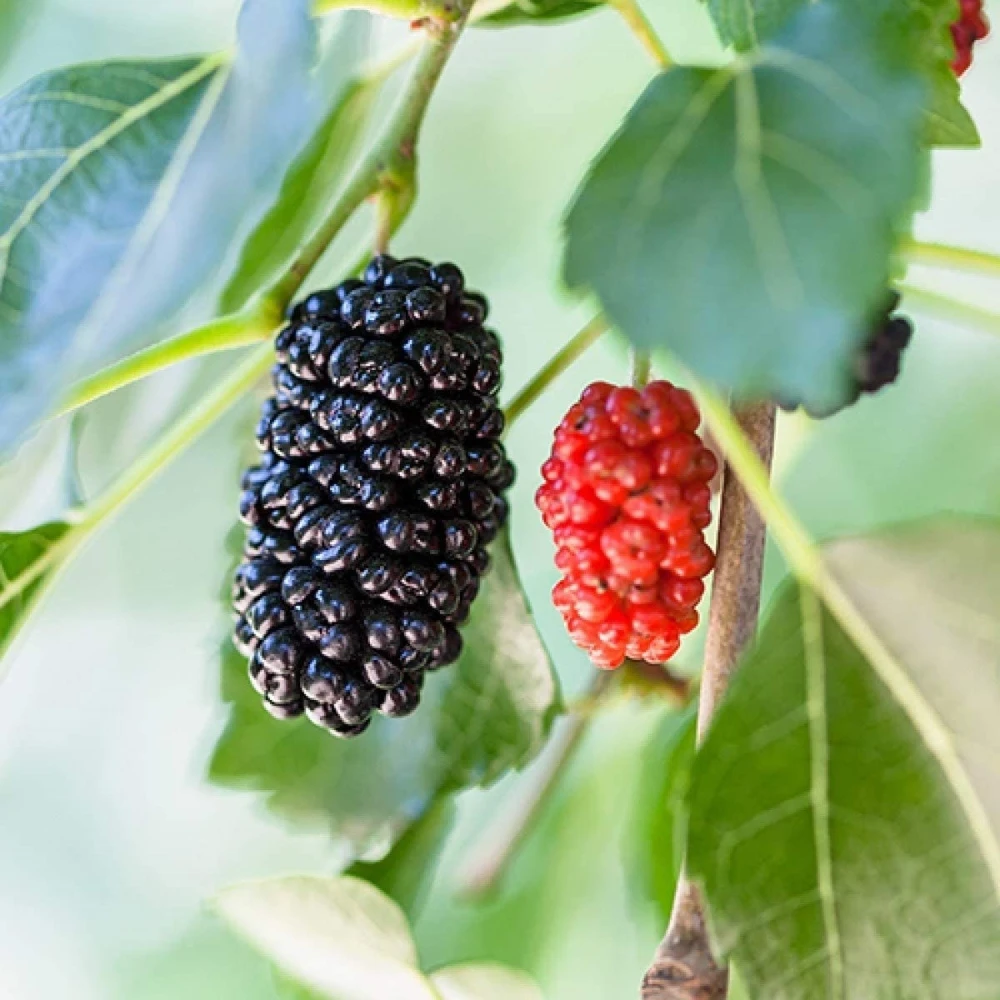
Cultivate your own sweet harvest with a dwarf everbearing mulberry live plant. This self-pollinating variety offers juicy, reddish-black berries without the need for picking, and is naturally pest-resistant mulberry. Ideal as a mulberry tree starter plant for any garden.
Estimated arrival
Oct 25
Oct 30 - Nov 01
Nov 04 - Nov 08
Shop With Confidence
30-Day Plant Health Guarantee
Arrives damaged? We’ll replace it free — see our return policy.
Responsive Support
Email us anytime, we reply within 1 business day.
Expert Packaging
Temperature-controlled shipping to protect your plants in transit.
Secure Checkout
Pay safely with Visa, Mastercard, PayPal.
Plant Specifications
-
USDA Hardiness Zone
USDA Zones 5-9 -
Soil Type
Well-draining soil, slightly acidic to neutral pH -
Sunlight Exposure
Full sun (6-8+ hours daily) -
Expected Planting Period
Spring to early summer
Overview
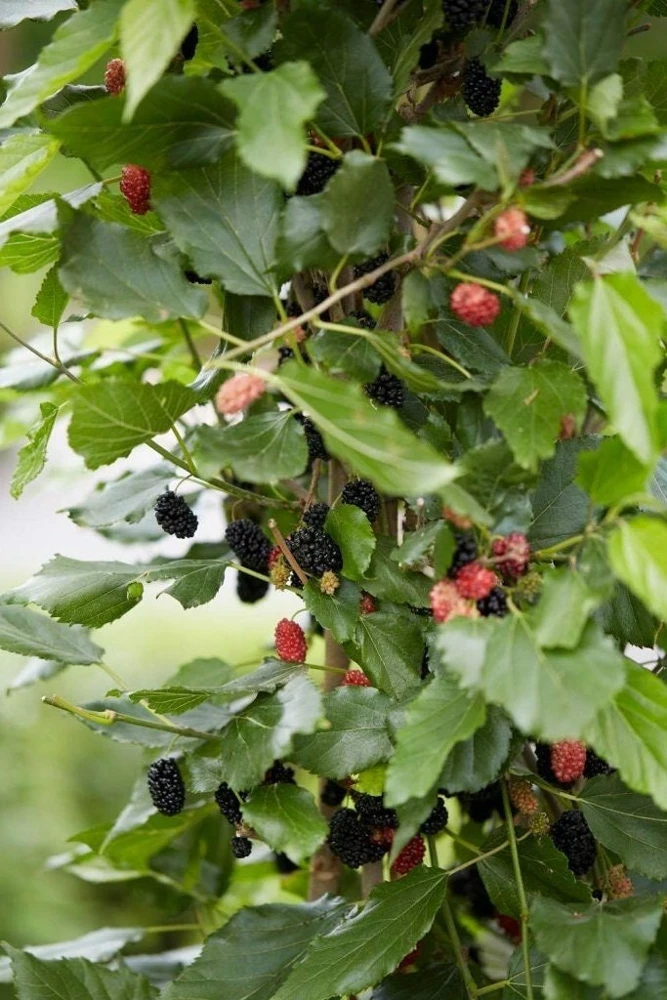
Bring the joy of fresh, homegrown fruit to your garden with this exceptional dwarf everbearing mulberry live plant. Known for its prolific and extended fruiting season, this variety is a fantastic choice for both novice and experienced gardeners. Unlike traditional mulberries, the Dwarf Everbearing type produces a continuous harvest of sweet, juicy, reddish-black berries from late spring through fall. This particular offering is a healthy starter plant, ready to establish itself in your landscape and provide years of delicious fruit. The dwarf everbearing mulberry live plant is also celebrated for its adaptability, thriving in various conditions and offering a relatively low-maintenance option for edible landscaping.
The botanical name for the Dwarf Everbearing Mulberry is Morus nigra ‘Everbearing’, though it’s often a hybrid of Morus alba and Morus rubra selected for its continuous fruiting habit. This amazing plant is self-pollinating, meaning you only need one tree to enjoy a bounty of berries. It’s an excellent addition to a home orchard, a permaculture garden, or even as a unique specimen tree in a large container. The vibrant green foliage provides attractive summer interest before the leaves fall in winter, making way for the subsequent season’s fruit production.
Key Benefits
Investing in a dwarf everbearing mulberry live plant brings numerous advantages to your garden and your table. This resilient and productive tree offers a rewarding growing experience with a wealth of delicious outcomes. Here are some of the standout benefits:
-
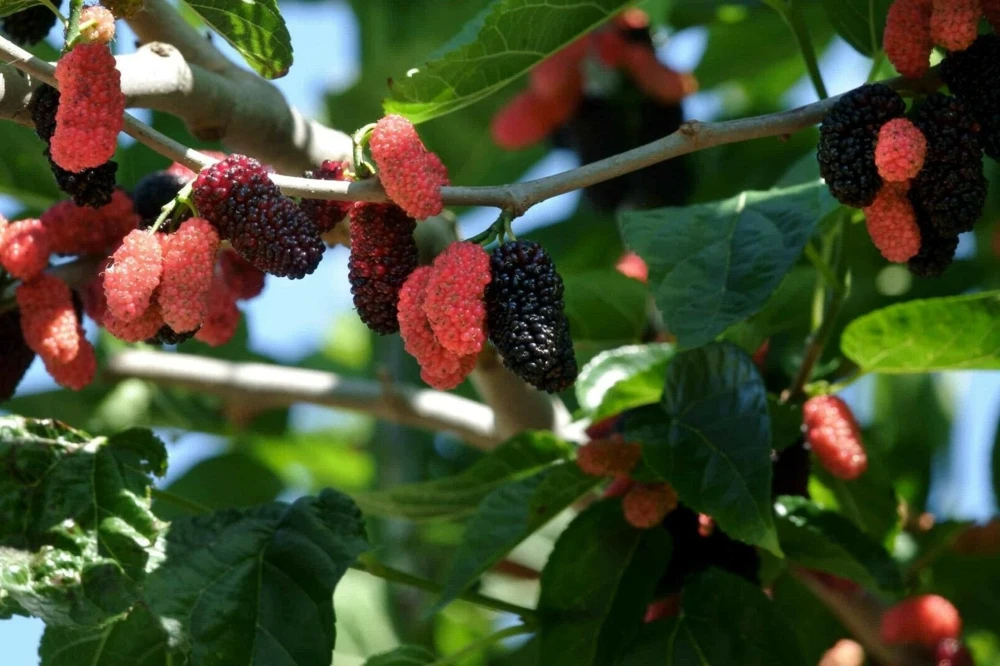
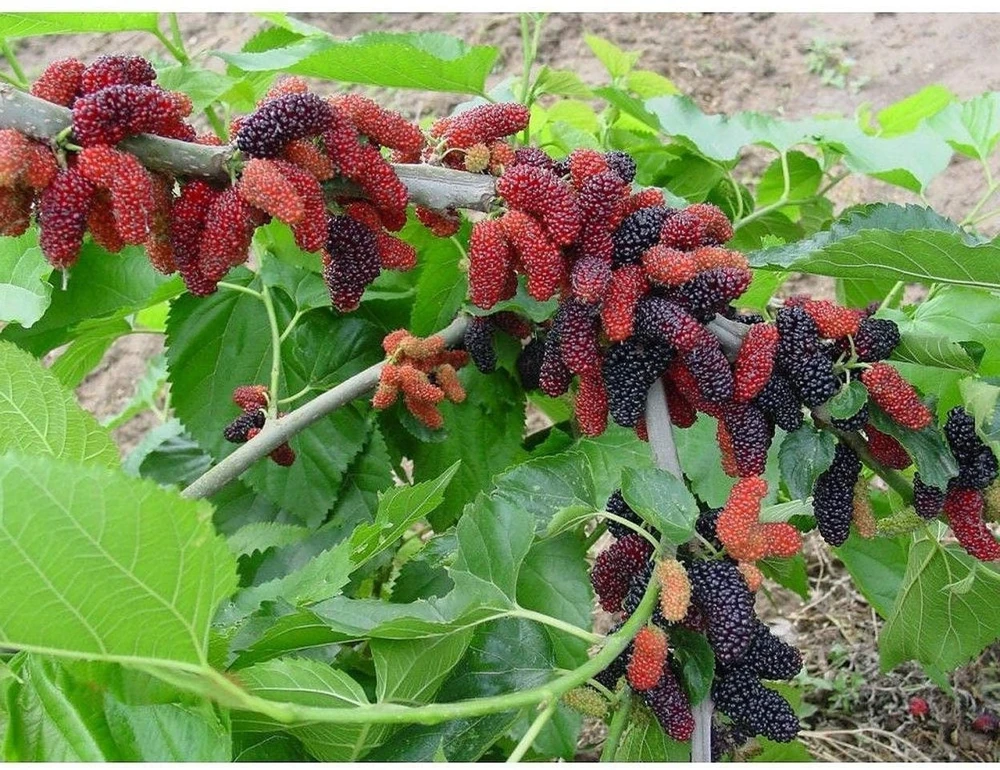
Abundant, Extended Harvest: Enjoy a continuous supply of sweet, juicy, reddish-black berries from late June through early fall, providing fresh fruit for an extended period. The ‘everbearing’ characteristic truly delivers on its promise, unlike many other fruit trees with short harvest windows.
-
Self-Pollinating: You only need one dwarf everbearing mulberry live plant to produce fruit. This eliminates the need for companion planting, simplifying your garden design and ensuring a successful yield even with limited space.
-
Low Maintenance & Pest-Resistant: This variety is notably robust and relatively free from common pests and diseases, making it a low-hassle option for fruit production. Its natural resilience means less time spent on treatments and more time enjoying your harvest.
-
Versatile Growth Habit: The dwarf everbearing mulberry live plant can be trained as a single-stemmed tree or allowed to grow as a multi-stemmed shrub, offering flexibility in how you incorporate it into your landscape design. This adaptability makes it suitable for various garden styles and spaces.
-
Early Fruiting: Many growers report that this mulberry can begin bearing fruit within its first 1-3 years after planting, providing a relatively quick return on your gardening efforts. You won’t have to wait long to taste your first homegrown berries.
-
No Picking Required: The ripe berries naturally drop from the tree when ready, making harvesting effortless. Simply place a tarp or sheet beneath the tree and gently shake the branches for an easy collection of fresh fruit.
-
Compact Size: As a dwarf variety, this mulberry tree reaches a manageable height of 10-15 feet, with a spread of 15-20 feet. This makes it suitable for smaller gardens or even large container planting where space is a consideration, allowing more people to grow dwarf mulberry tree.
Plant Care & Growing Tips
Caring for your dwarf everbearing mulberry live plant is straightforward, ensuring a bountiful harvest with proper attention. These resilient trees are quite forgiving, but providing optimal conditions will lead to the best growth and fruit production. Understanding the needs of your mulberry tree starter plant is key to its long-term success.
Sunlight Requirements: The Dwarf Everbearing Mulberry thrives in full sun, meaning it needs at least 6-8 hours of direct sunlight per day. While it can tolerate some partial shade, especially in hotter climates, ample sunlight is crucial for maximizing fruit production and ensuring vigorous growth. Plant it in an area of your garden that receives consistent sun throughout the day.
Watering Schedule and Soil Moisture: During its establishment phase (the first year), consistent watering is vital. Keep the soil consistently moist but not waterlogged. Once established, mulberries are surprisingly drought-tolerant, but regular watering during dry spells and while fruiting will promote better berry development. Allow the top inch or two of soil to dry out slightly between waterings. Overwatering can lead to root issues, so good drainage is essential.
Soil Type and Drainage: This mulberry prefers well-draining soil with a slightly acidic to neutral pH (6.0-7.0). It adapts to a variety of soil types, including sandy, loamy, or clay soils, as long as they are well-drained. Amend heavy clay soils with organic matter like compost to improve drainage and aeration. For containers, use a high-quality potting mix designed for trees or shrubs.
Temperature Range and USDA Hardiness Zone: The Dwarf Everbearing Mulberry is generally hardy in USDA Zones 5-9. It can withstand winter temperatures down to -20°F (-29°C) once established. In colder zones, provide winter protection or grow in a container that can be moved indoors. In very hot climates, ensure adequate watering and consider some afternoon shade to prevent stress.
Fertilization Schedule and Type: Fertilize your young dwarf everbearing mulberry live plant in early spring with a balanced, slow-release fertilizer designed for fruit trees or general-purpose use. Follow the product instructions for application rates. Once established, an annual feeding in spring is usually sufficient. Avoid over-fertilizing, which can promote leafy growth at the expense of fruit. A layer of compost around the base of the tree in spring can also provide a slow release of nutrients.
Pruning: Prune in late winter or early spring while the tree is dormant. Remove any dead, damaged, or crossing branches. You can also prune to shape the tree, maintain a manageable size, or encourage a more open canopy for better air circulation and light penetration. Mulberries can be quite vigorous growers, so regular pruning helps manage their size and promotes fruit production. If you want to grow dwarf mulberry tree in a specific shape, consistent training is key.
Size & Details
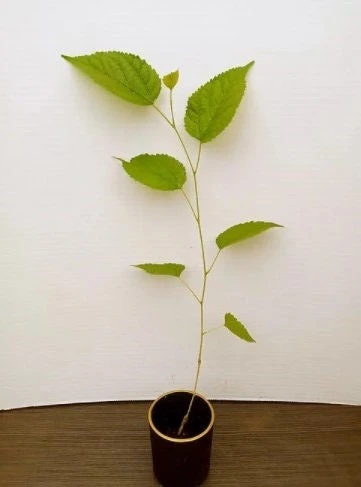
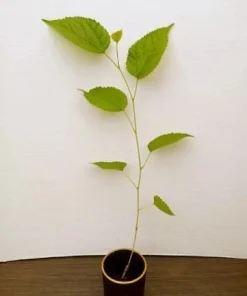
This offering is for a healthy mulberry tree starter plant, typically shipped in a nursery pot or bare-root, depending on the season and supplier. The plant you receive will be well-rooted and ready for transplanting into your garden or a larger container. While specific dimensions vary, a starter plant is generally between 6-18 inches tall, with a robust root system developed for successful establishment. It represents the initial stage of growth for a productive fruit tree.
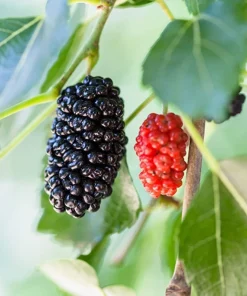
The dwarf everbearing mulberry live plant is known for its manageable size at maturity, reaching a maximum height of 10-15 feet with a spread of 15-20 feet. This makes it considerably smaller than other mulberry varieties like the Illinois Everbearing, which can grow to 30-35 feet. This compact stature is a significant advantage for home gardeners with limited space or those who prefer easier harvesting. With good care, your starter plant can begin bearing fruit within its first 1-3 years, and will continue to produce abundantly for many decades. The fruit itself is dark reddish-black, juicy, and approximately 1.5 inches long, ripening from late June to early fall.
Frequently Asked Questions
-
Q: How big does this dwarf everbearing mulberry live plant get? A: The Dwarf Everbearing Mulberry typically reaches a mature height of 10-15 feet and a spread of 15-20 feet. Its compact size makes it suitable for many home gardens, especially when compared to larger mulberry varieties.
-
Q: Is this an indoor or outdoor plant? A: This is an outdoor plant that thrives in full sun. While young plants can be temporarily housed indoors in bright light, for optimal growth and fruit production, it should be planted outdoors in the ground or a very large container.
-
Q: How much sunlight does it need? A: The Dwarf Everbearing Mulberry requires at least 6-8 hours of direct sunlight daily for the best fruit production and overall health. Full sun exposure is highly recommended to help you grow dwarf mulberry tree successfully.
-
Q: Is this plant easy to care for? A: Yes, the Dwarf Everbearing Mulberry is considered relatively easy to care for. It’s known for its resilience, adaptability, and natural resistance to many common pests, making it a good choice for beginners looking for a productive fruit tree.
-
Q: What condition will the mulberry tree starter plant arrive in? A: You will receive a healthy, well-rooted starter plant, typically shipped in a nursery pot or as a bare-root specimen, depending on the season. It will be carefully packaged to ensure its safe arrival and readiness for planting.
-
Q: How long until it bears fruit? A: Many Dwarf Everbearing Mulberry trees can begin to bear fruit within 1-3 years after planting, especially when provided with optimal growing conditions. You’ll likely enjoy your first harvests relatively quickly.
-
Q: What’s the best time to plant a dwarf everbearing mulberry live plant? A: The best time to plant is typically in spring after the last frost, or in early fall in warmer climates. This allows the plant to establish its root system before extreme temperatures set in.
-
Q: What are the berries like? A: The berries are juicy, dark reddish-black, and about 1.5 inches long. They are known for their sweet flavor and are excellent for fresh eating, jams, pies, or drying. The continuous fruiting ensures a steady supply.
-
Q: Is this mulberry variety pest-resistant mulberry? A: Yes, the Dwarf Everbearing Mulberry is generally considered quite pest-resistant, making it a lower-maintenance option compared to many other fruit trees. This inherent resilience helps reduce the need for chemical interventions.
-
Q: Can I grow this in a container? A: Yes, due to its dwarf size, the Dwarf Everbearing Mulberry can be successfully grown in a large container (20-gallon or larger) with good drainage. This is an excellent option for patios, smaller spaces, or for gardeners in colder zones who wish to move the plant indoors during winter.
Be the first to review “Dwarf Everbearing Mulberry Live Plant – Starter Tree for Edible Fruit”
People Also Viewed
Flower Seeds
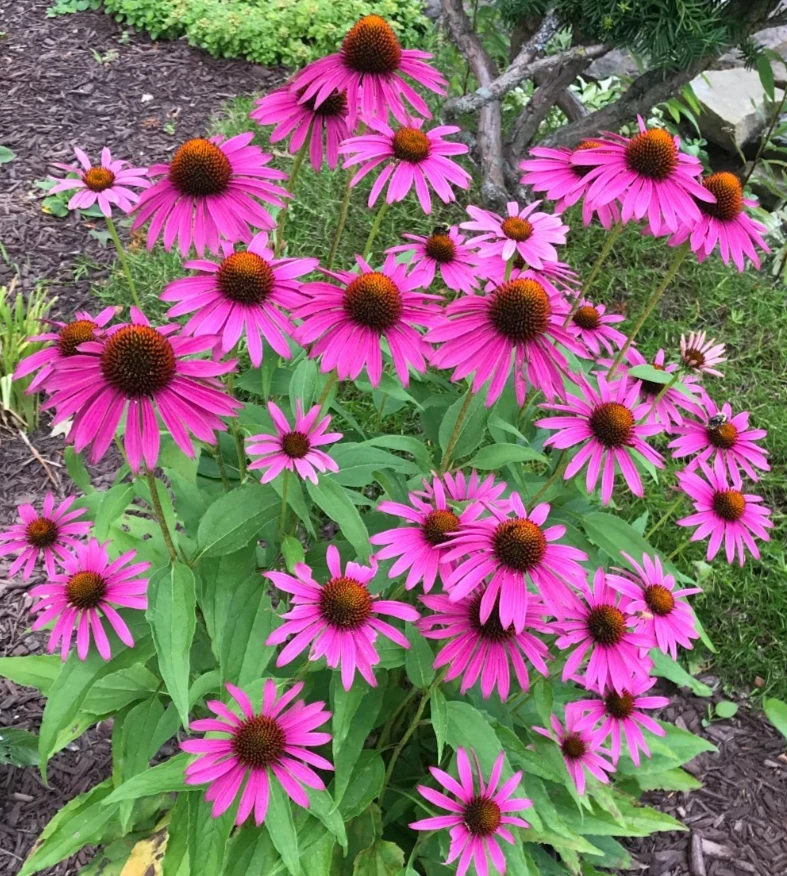
Purple Coneflower Seeds – 1000 Pack, Echinacea Purpurea, Perennial Flower Seeds, Outdoor

Grass Seeds
Organic Cat Grass Seeds Mix – Wheat, Barley, Oats & Rye – Easy Grow Pet Treat – Annual Grain Seed
Reviews
There are no reviews yet.