


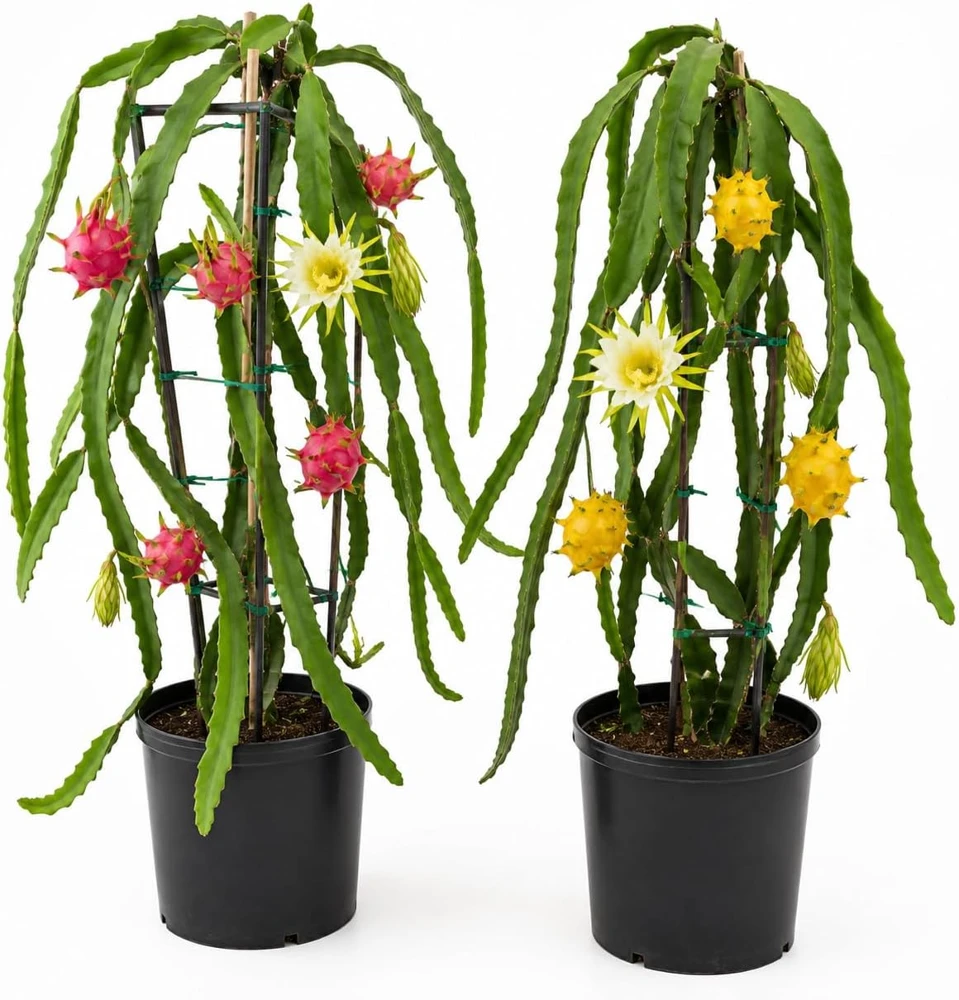
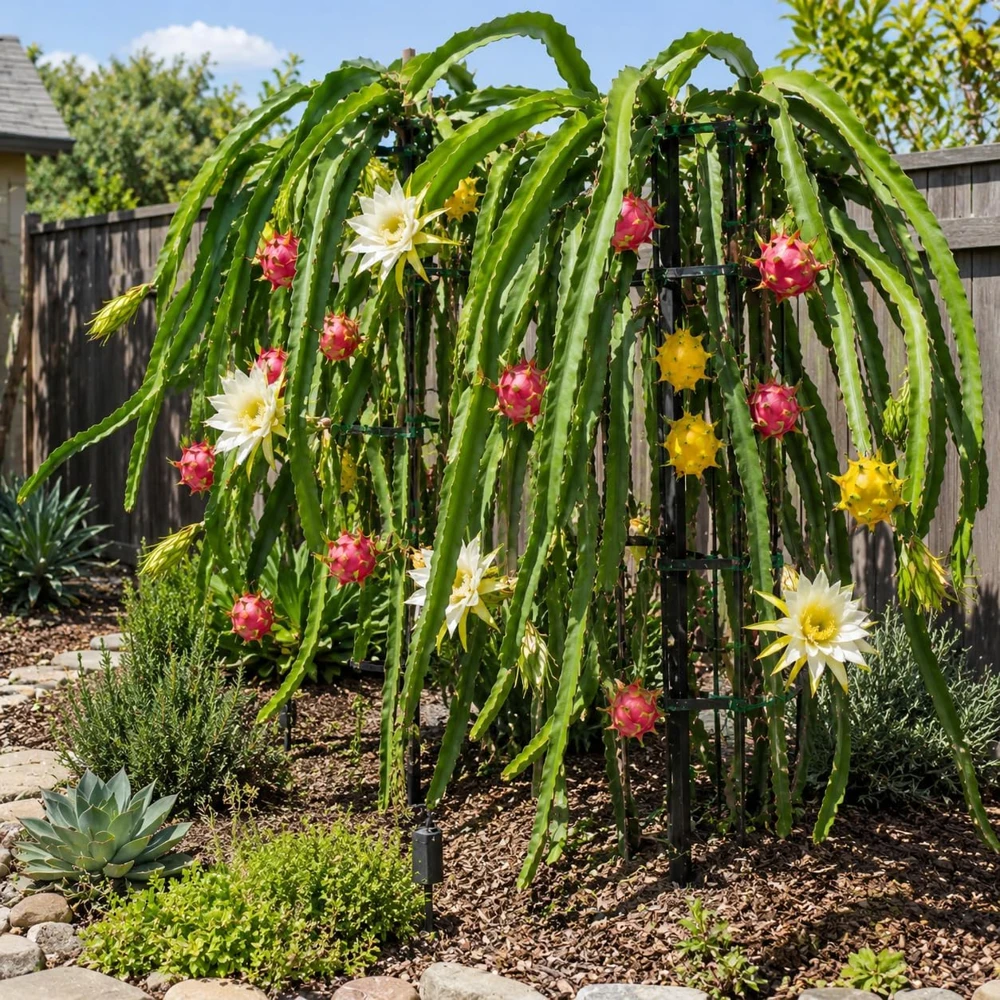
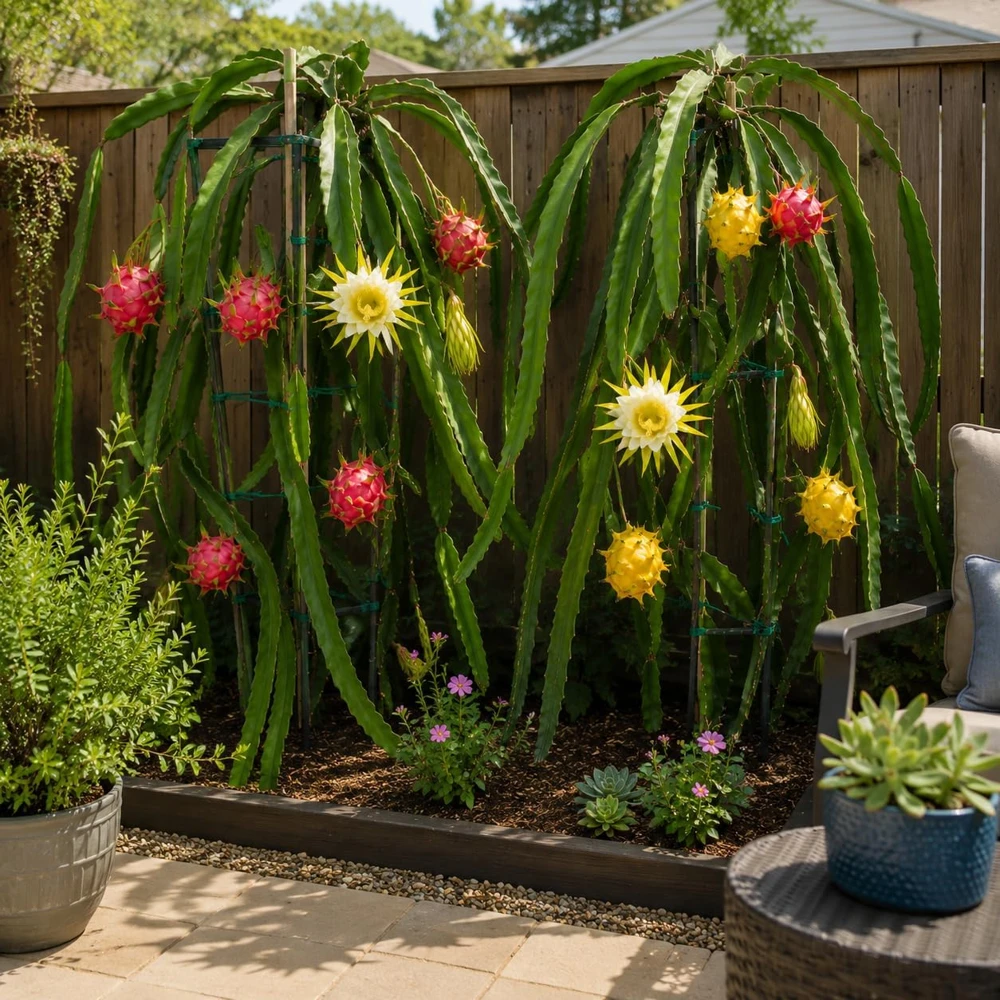
Dragon Fruit Live Plants, Set of 2, 3-6 Inch Tropical Cactus Starters
Original price was: $67.99.$42.99Current price is: $42.99.
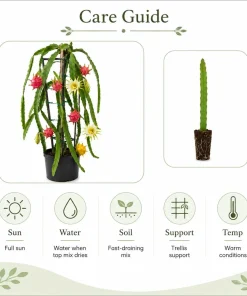
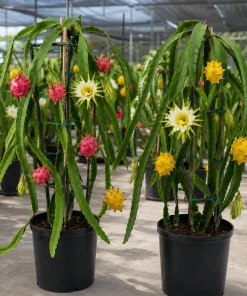
Cultivate exotic dragon fruit live plant starters for your garden or patio. This set includes two 3-6 inch well-rooted tropical cactus plants, perfect for adding a unique look and potential fruit harvest to your outdoor space. Suitable for containers or in-ground planting.
Estimated arrival
Oct 27
Nov 01 - Nov 03
Nov 06 - Nov 10
Shop With Confidence
30-Day Plant Health Guarantee
Arrives damaged? We’ll replace it free — see our return policy.
Responsive Support
Email us anytime, we reply within 1 business day.
Expert Packaging
Temperature-controlled shipping to protect your plants in transit.
Secure Checkout
Pay safely with Visa, Mastercard, PayPal.
Plant Specifications
-
USDA Hardiness Zone
USDA Zones 9-11 (outdoors); suitable for containers in cooler zones -
Soil Type
Well-draining, sandy loam soil -
Sunlight Exposure
Full sun to partial shade -
Expected Planting Period
Spring to early summer
Overview
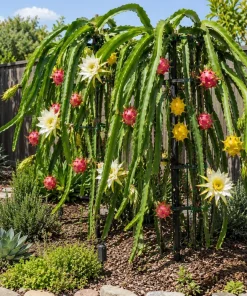
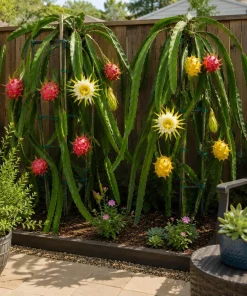
Embark on an exciting gardening journey with these vibrant dragon fruit live plant starters. Also known as Pitaya, these unique tropical cactus plants are renowned for their striking appearance and delicious, nutrient-rich fruit. Each order includes two well-rooted plant starters, measuring between 3 to 6 inches tall, ready to be transplanted into your garden, patio containers, or raised beds. These young plants offer a fantastic opportunity to grow your own exotic fruit, bringing a touch of the tropics to your outdoor living space. The dragon fruit plant is not only productive but also highly ornamental, featuring distinctive segmented stems that create an architectural focal point in any landscape.
The dragon fruit live plant is a fascinating specimen for both novice and experienced gardeners. Its relatively fast growth rate and adaptability make it a rewarding project. Originating from Central and South America, these plants thrive in warm climates and can be successfully cultivated in USDA Zones 9-11 outdoors. For those in cooler regions, growing them in containers allows for easy relocation indoors during colder months. Get ready to enjoy the beauty of its nocturnal blooms and the eventual harvest of its sweet, juicy fruit.
Key Benefits
Growing your own dragon fruit live plant offers a multitude of advantages beyond just fresh fruit. These tropical beauties provide significant aesthetic and practical benefits for any gardener:
- Exotic Appeal: Adds a dramatic, tropical aesthetic to gardens, patios, or outdoor spaces with its unique cactus form. The vibrant green stems are a conversation starter.
- Delicious & Nutritious Fruit: Enjoy the sweet, subtly flavored fruit known for its high vitamin C, fiber, and antioxidant content. Harvesting your own fresh dragon fruit is incredibly satisfying.
- Adaptable Growth: Thrives in various settings, from large patio containers to backyard gardens and raised beds, making it versatile for different garden layouts.
- Pollinator Attractor: Its large, fragrant, nocturnal flowers attract beneficial pollinators, contributing to a healthier garden ecosystem.
- Relatively Low Maintenance: Once established, these cactus plants are quite resilient and require less frequent watering than many other fruit-bearing plants, especially in appropriate climates.
- Unique Culinary Ingredient: The fruit can be enjoyed fresh, in smoothies, salads, desserts, or even as a vibrant garnish, offering a unique flavor profile.
- Educational Opportunity: A great plant for teaching children about where food comes from and the fascinating life cycle of a tropical fruit.
Plant Care & Growing Tips
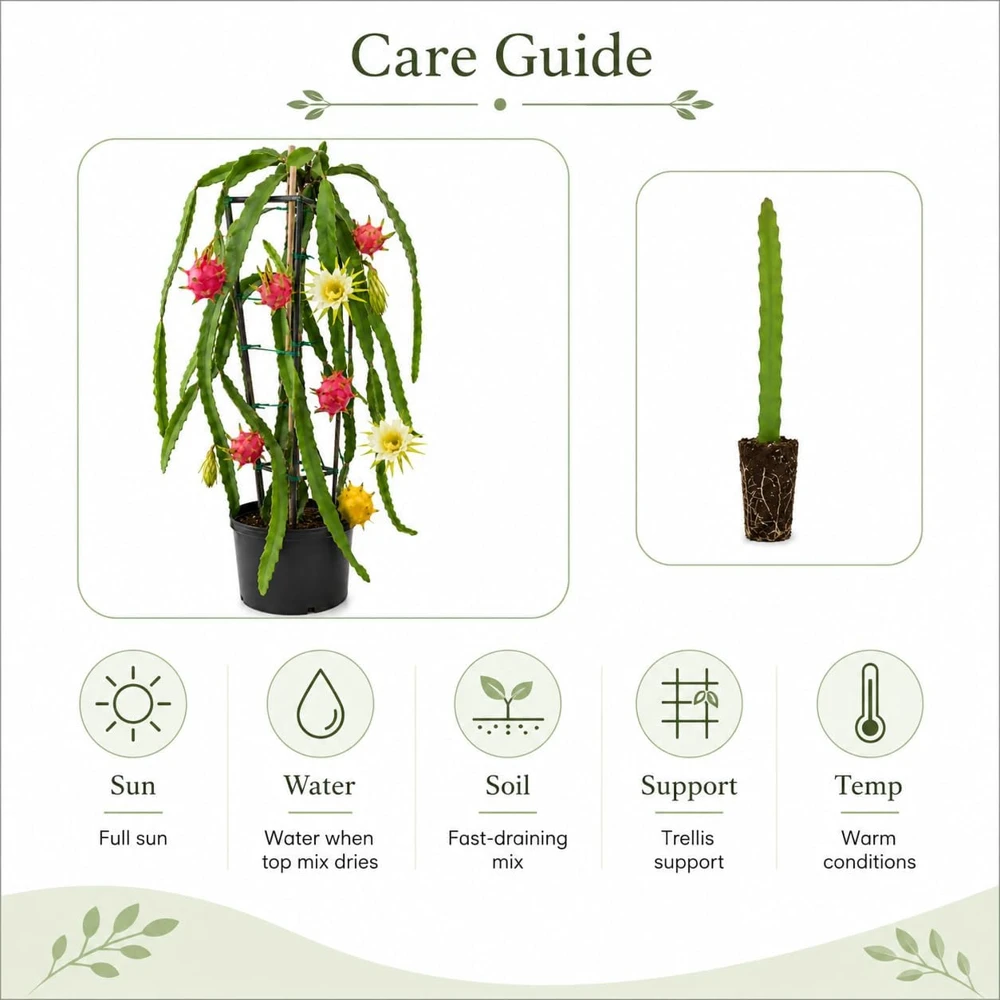
Caring for your dragon fruit live plant involves understanding its tropical cactus nature. These plants prefer warm conditions and can be quite resilient when their basic needs are met. For optimal growth and fruit production, ensure they receive plenty of sunlight. They thrive in full sun to partial shade, ideally with at least 6-8 hours of direct sunlight per day in a warm location. In extremely hot climates, some afternoon shade can prevent scorching. When growing in containers in cooler areas, ensure they are moved indoors before the first frost, as they are not frost-tolerant.
Watering should be consistent but not excessive. As a cactus, the pitaya plant care routine requires well-draining soil to prevent root rot. Allow the top few inches of soil to dry out completely between waterings, then water thoroughly until it drains from the bottom of the pot. Reduce watering significantly during cooler, dormant periods. A sandy loam soil mix, amended with compost for nutrients and good drainage, is ideal. Fertilize every 2-3 months during the growing season (spring to fall) with a balanced, slow-release fertilizer or a fertilizer specifically formulated for cacti or tropical fruit, following product instructions. Provide a sturdy trellis or support structure for the plant to climb as it grows, as dragon fruit is a vining cactus.
Protect your young tropical cactus starters from pests and diseases by regularly inspecting the plants. While generally robust, they can occasionally be affected by mealybugs or scale insects. Address these promptly with organic pest control methods if necessary. Pruning is beneficial to encourage branching and fruit production; remove old or damaged stems and thin out overcrowded areas. Understanding these dragon fruit growing tips will set you up for success in cultivating your own delicious harvest.
Size & Details
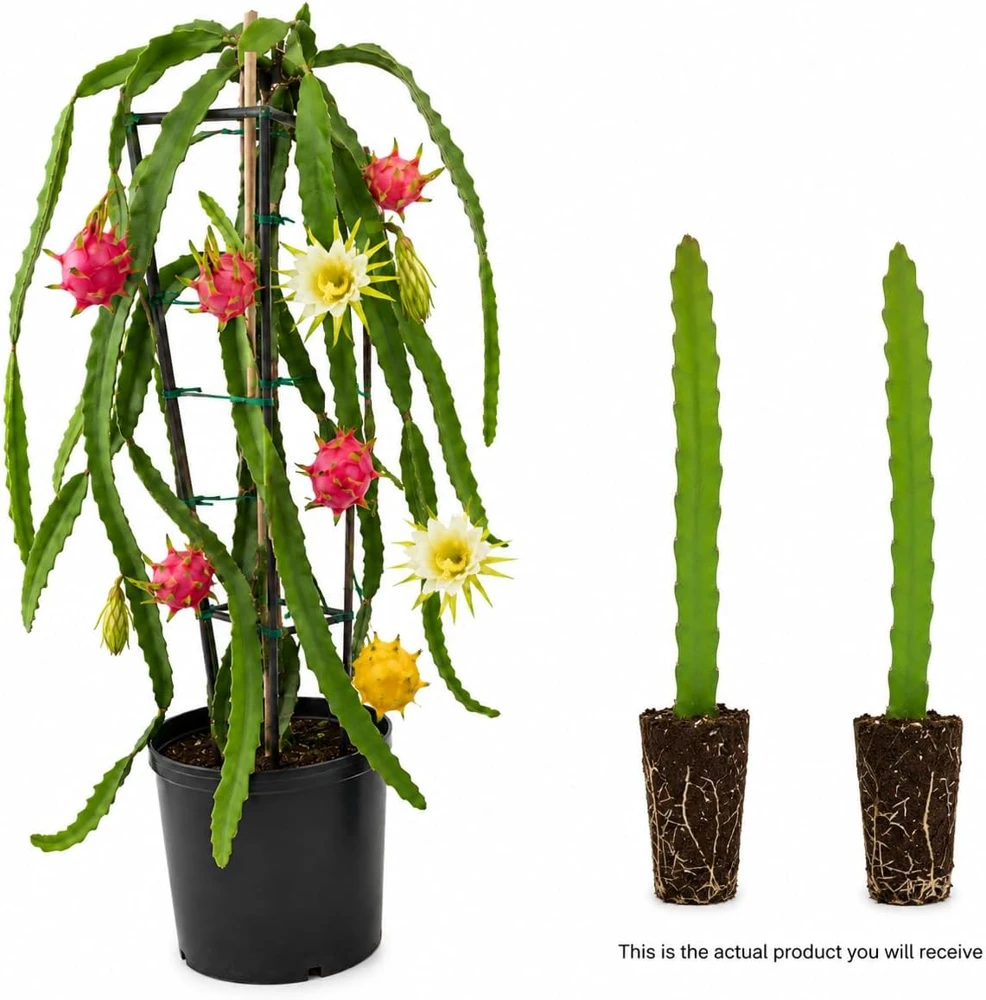
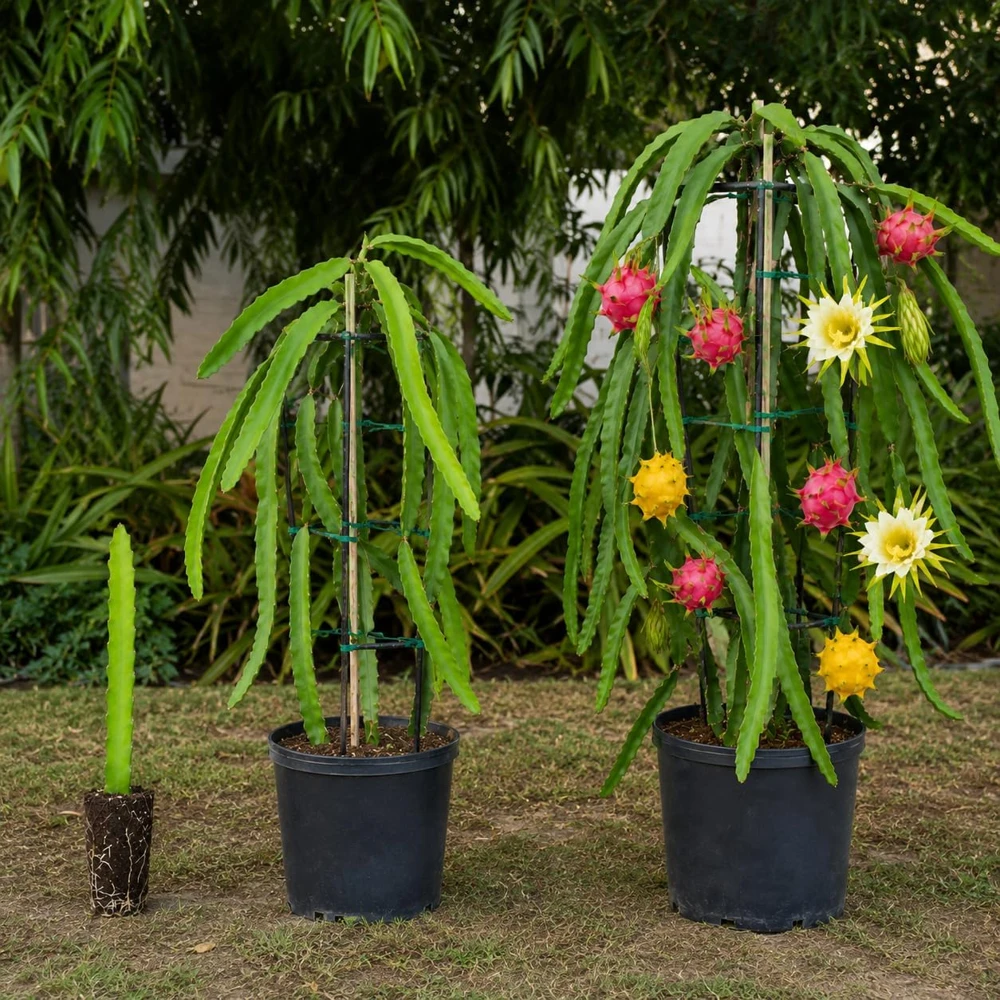
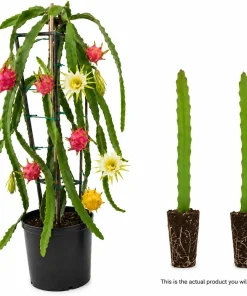
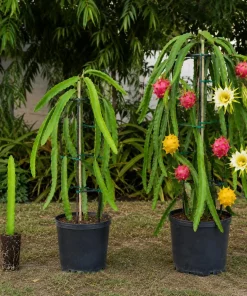
This offering includes two individual dragon fruit live plant starters, each approximately 3 to 6 inches tall at the time of shipment. These are well-rooted cuttings, meaning they have established root systems and are ready for transplanting into larger pots or directly into your garden. They are shipped without pots to facilitate safe and economical transport, allowing you to choose the best container or planting location upon arrival. Dragon fruit plants are known for their vigorous growth once established, often reaching maturity and producing fruit within 1-3 years under ideal conditions. They are vining cacti that can grow quite large, often up to 20 feet if left unsupported, making a strong trellis or arbor essential for mature plants. The growth rate is considered medium to fast, quickly developing into a substantial plant with proper care.
Frequently Asked Questions
- Q: What size pot does a dragon fruit plant need? A: For these dragon fruit live plant starters, begin with a 1-gallon pot. As the plant grows, you’ll need to re-pot it into progressively larger containers, eventually requiring a 15-25 gallon pot or planting directly in the ground for mature growth.
- Q: Is this an indoor or outdoor plant? A: Dragon fruit is primarily an outdoor plant in warm climates (USDA Zones 9-11). In cooler regions, it can be grown outdoors during warm months and brought indoors as a container plant for winter.
- Q: How much sunlight does a dragon fruit plant need? A: These plants thrive in full sun to partial shade, requiring at least 6-8 hours of direct sunlight daily for best fruit production. Ensure they are in a warm, bright location.
- Q: Is this plant easy to care for? A: Dragon fruit plants are relatively easy to care for, especially for those familiar with cactus care. They require good drainage, plenty of sun, and support for their vining stems. Following pitaya plant care guidelines will ensure success.
- Q: What condition will the plant arrive in? A: Your tropical cactus starters will arrive as well-rooted cuttings, typically 3-6 inches tall, without a pot. They will be carefully packaged to ensure their health during transit, ready for immediate planting.
- Q: When is the best time to plant dragon fruit? A: The best time to plant dragon fruit is in the spring or early summer, once all danger of frost has passed and temperatures are consistently warm. This allows the plant ample time to establish before cooler weather.
- Q: How long until it blooms and produces fruit? A: With proper care and ideal conditions, your dragon fruit plant can begin blooming and producing fruit within 1 to 3 years from planting these starters. Patience is key for these rewarding plants.
- Q: Will it survive winter in my zone? A: If you are in USDA Zones 9-11, your dragon fruit plant can survive winter outdoors. In colder zones, it is crucial to grow it in a container and bring it indoors to a warm, bright location before temperatures drop below 40°F (4°C).
- Q: What are some good dragon fruit growing tips for beginners? A: Start with well-draining soil, provide a strong support structure for climbing, give it plenty of sun, and be mindful not to overwater. Researching specific local conditions will also help.
- Q: Can I grow dragon fruit in a small space? A: While dragon fruit is a vining plant that can grow large, it can be managed in containers on patios or balconies with regular pruning and proper support.
Be the first to review “Dragon Fruit Live Plants, Set of 2, 3-6 Inch Tropical Cactus Starters”
People Also Viewed


Reviews
There are no reviews yet.