
Dominican Plantain Tree Live Plant – Tropical Banana Fruit Tree
Original price was: $72.99.$59.99Current price is: $59.99.
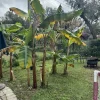
Cultivate your own exotic fruit with a Dominican Plantain Tree live plant. This tropical specimen thrives in warm climates, offering delicious plantains for culinary use. An excellent addition to any home garden or landscape aiming for an edible and ornamental appeal.
Estimated arrival
Oct 27
Nov 01 - Nov 03
Nov 06 - Nov 10
Shop With Confidence
30-Day Plant Health Guarantee
Arrives damaged? We’ll replace it free — see our return policy.
Responsive Support
Email us anytime, we reply within 1 business day.
Expert Packaging
Temperature-controlled shipping to protect your plants in transit.
Secure Checkout
Pay safely with Visa, Mastercard, PayPal.
Plant Specifications
-
USDA Hardiness Zone
USDA zones 9-11 -
Soil Type
Rich, well-draining, slightly acidic to neutral soil -
Sunlight Exposure
Full sun (6-8+ hours direct sunlight) -
Expected Planting Period
Year-round in warm climates; spring after last frost in temperate zones
Overview
Embark on a tropical gardening adventure with the Dominican Plantain Tree live plant. This magnificent specimen allows you to grow your own fresh, delicious plantains right in your backyard or a suitable container. Known for its robust growth and abundant fruit production, this particular variety originates from the Dominican Republic, bringing an authentic taste of the Caribbean to your home. Plantain trees, botanically classified as Musa paradisiaca, are closely related to bananas but are typically cooked before eating, offering a versatile ingredient for countless savory and sweet dishes. Not only does this tree provide a bountiful harvest, but its large, lush leaves also add a stunning, exotic visual appeal to any landscape or patio.
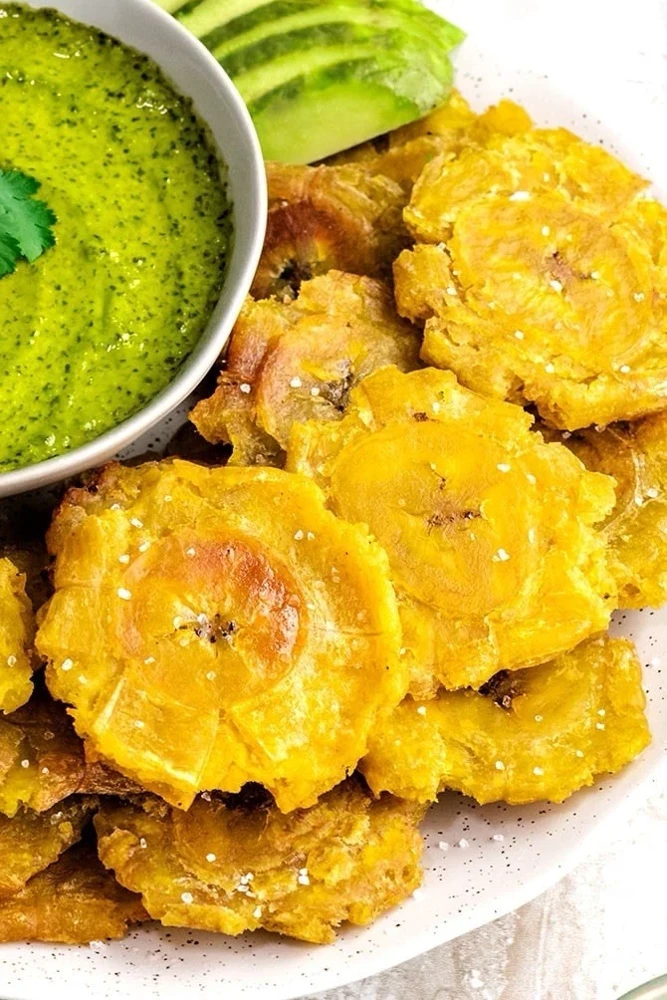
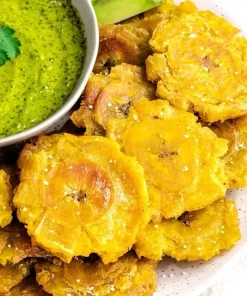
Cultivating a tropical banana tree like the plantain is a rewarding experience, transforming your garden into a vibrant, food-producing oasis. This live plant is carefully nurtured to ensure it arrives healthy and ready to thrive in its new environment. Whether you’re an experienced gardener or just starting your journey into edible landscaping, this plantain tree offers an exciting opportunity to enjoy homegrown tropical fruit. Imagine harvesting your own green plantains for crispy tostones or sweet, ripe ones for a decadent dessert. The joy of growing plantains is truly unparalleled.
Key Benefits
Bringing a Dominican Plantain Tree live plant into your home garden offers a multitude of benefits, from aesthetic appeal to culinary delight:
- Fresh, Homegrown Produce: Enjoy the unparalleled taste of freshly picked plantains, free from pesticides and ripened naturally on the tree. You’ll have a steady supply for all your culinary needs.
- Exotic Landscape Addition: The large, paddle-shaped leaves and impressive stature of the plantain tree create a stunning focal point, transforming your garden into a tropical paradise. It adds a lush, vibrant green to any setting.
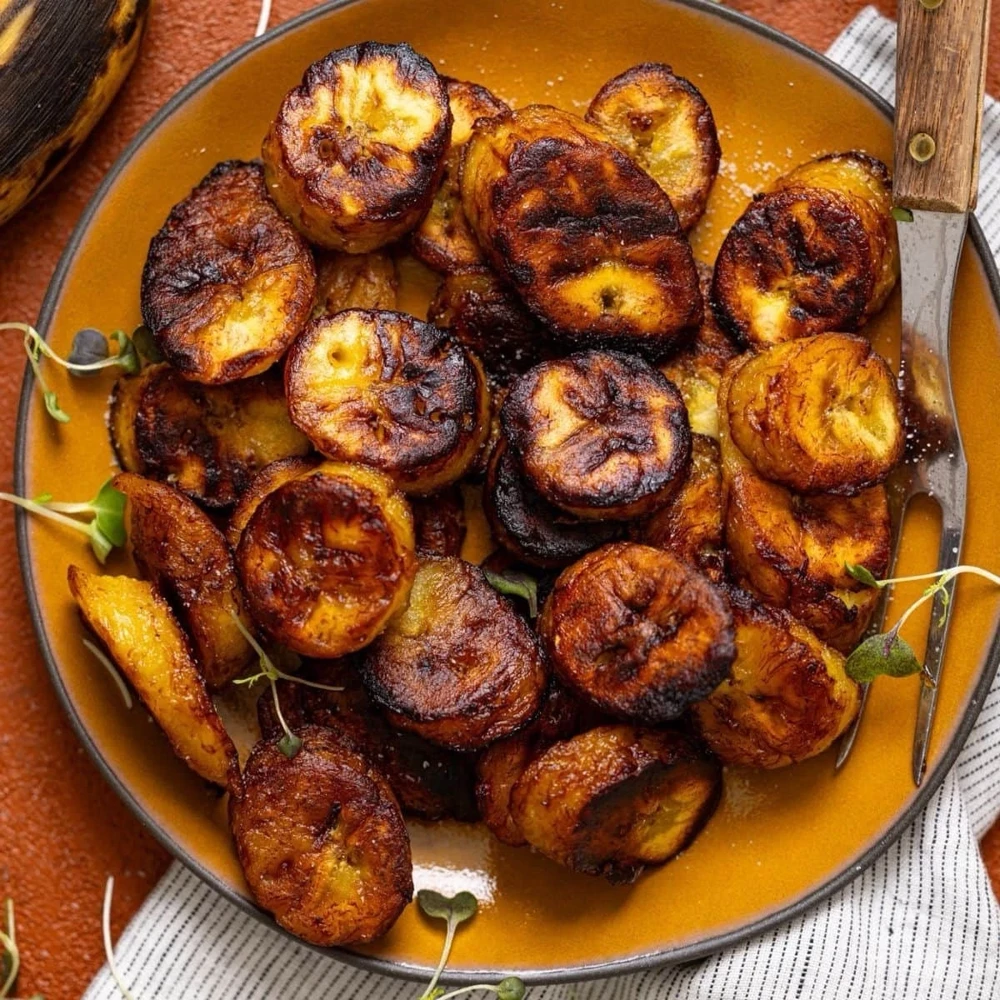
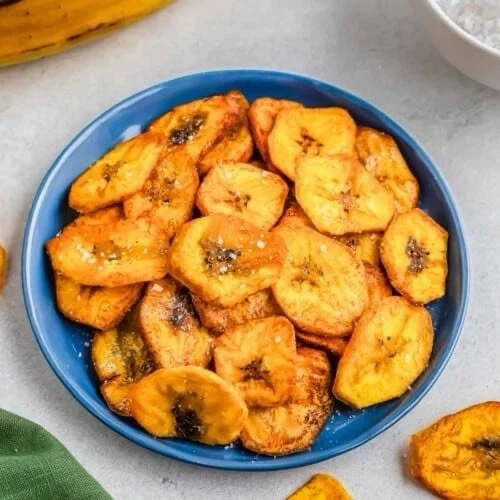
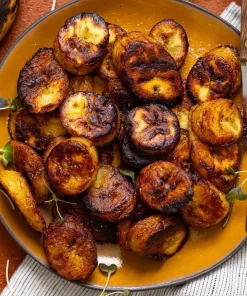
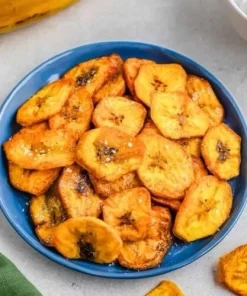
- Versatile Culinary Ingredient: Plantains are incredibly versatile, used in dishes worldwide. From savory fried plantains (tostones, maduros) to sweet desserts and stews, having your own supply opens up a world of culinary exploration.
- Educational Experience: Growing plantains provides an excellent educational opportunity for families, teaching about tropical agriculture, plant life cycles, and sustainable food production.
- Air Purification: Like many large-leaved plants, the plantain tree contributes to air purification, absorbing carbon dioxide and releasing oxygen, improving the air quality around your home.
- Sustainable Food Source: Once established, a tropical banana tree can produce fruit for many years, offering a sustainable and renewable food source for your household.
- Unique Garden Feature: Stand out from typical gardens by cultivating an unusual and productive fruit tree that is sure to draw admiration and curiosity from visitors.
Plant Care & Growing Tips
Proper plantain plant care is essential for a thriving and productive Dominican Plantain Tree live plant. These tropical giants require specific conditions to flourish. For sunlight, plantain trees need at least 6-8 hours of direct sunlight per day to produce fruit. In very hot climates, some afternoon shade can be beneficial to prevent leaf scorch, but generally, full sun is preferred. If growing indoors or in a greenhouse, ensure it receives ample bright light, possibly supplemented with grow lights.
Watering is crucial for plantain trees. They are thirsty plants and prefer consistently moist soil, but never waterlogged. During warm, active growing periods, you may need to water daily, especially if planted in well-draining soil or containers. Reduce watering in cooler months or during dormancy. The soil type should be rich, well-draining, and slightly acidic to neutral (pH 6.0-7.0). Amend heavy clay soils with organic matter like compost to improve drainage and aeration. For fertilization, feed your plantain tree regularly during the growing season (spring through fall) with a balanced, slow-release fertilizer or a liquid feed high in potassium to promote fruit development. Follow package instructions for application rates.
Plantain trees are tropical and susceptible to cold. They thrive in USDA zones 9-11, preferring temperatures above 60°F (15°C). Protect them from frost, or bring container-grown plants indoors when temperatures drop. Common problems include nutrient deficiencies (yellowing leaves), which can be addressed with proper fertilization, and occasional pests like spider mites or aphids, which can be managed with insecticidal soap or horticultural oil. Adequate air circulation also helps prevent fungal issues. Regular pruning of dead or damaged leaves will keep your growing plantains healthy and vigorous.
Size & Details
This Dominican Plantain Tree live plant is shipped as a healthy, young specimen, typically ready to establish quickly in your garden or a large container. While exact dimensions upon arrival may vary, it is generally a robust plant with a well-developed root system. Plantain trees are fast-growing and can reach heights of 10-20 feet (3-6 meters) in ideal conditions, though container growing can keep them more compact. They are known for their rapid growth rate, with fruit production often beginning within 1-2 years after planting, given proper care. The plants will typically produce a single large bunch of plantains before the main stem dies back, making way for new suckers (pups) to emerge from the base, ensuring continuous production.
The form it ships in is a potted plant, carefully packed to ensure minimal stress during transit. Once planted, whether in the ground or a large pot (minimum 15-gallon for mature plants), it will quickly acclimate and begin its vigorous growth. Expect large, vibrant green leaves that can reach several feet in length, providing ample shade and a true tropical feel. The plantains themselves will vary in size depending on variety and growing conditions, but are generally substantial and perfect for growing plantains for culinary use.
Frequently Asked Questions
- Q: How big does this plant get? A: A Dominican Plantain Tree live plant can grow 10-20 feet tall in optimal outdoor conditions. When grown in a large container, its size can be managed to remain more compact, typically 6-10 feet.
- Q: What size pot does it come in? A: The plant arrives in a nursery pot, typically 4-6 inches in diameter, ready for immediate transplanting into a larger container or your garden.
- Q: Is this an indoor or outdoor plant? A: While primarily an outdoor plant in USDA zones 9-11, it can be grown in containers and brought indoors during colder months, performing well as a large indoor plant with adequate light.
- Q: How much sunlight does it need? A: Plantain trees require at least 6-8 hours of direct sunlight daily for best growth and fruit production. More sun generally leads to a healthier and more productive tree.
- Q: Is this plant easy to care for? A: With consistent watering, feeding, and protection from cold, plantain plant care is moderately easy. It’s suitable for gardeners with some experience or enthusiastic beginners willing to learn.
- Q: What condition will it arrive in? A: Your tropical banana tree will arrive as a healthy, well-rooted live plant, carefully packaged to minimize stress during shipping. Some minor leaf yellowing may occur due to transit, which is normal.
- Q: Is it shipped in soil? A: Yes, the plant is shipped in its nursery pot with soil, ensuring its roots remain moist and protected during transit.
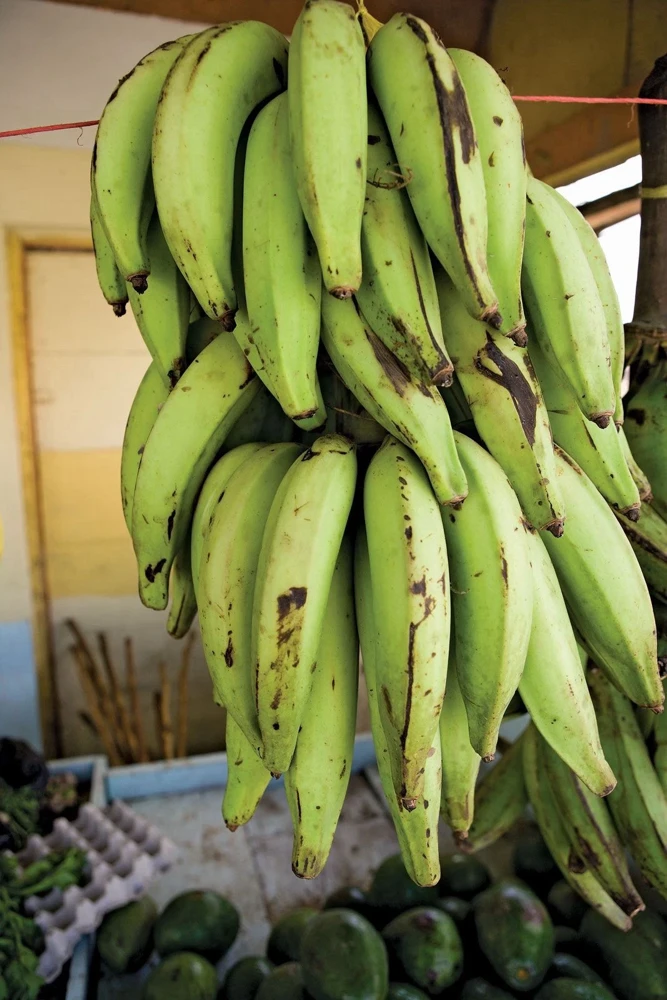
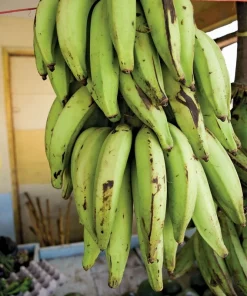
- Q: Can I use plantain in cooking? A: Absolutely! Plantains are a staple in many cuisines. Green plantains are starchy and used for savory dishes like tostones, while ripe, yellow plantains are sweeter and can be used in desserts or fried as maduros.
- Q: How long until it blooms? A: Under optimal conditions, your plantain tree can begin to flower and set fruit within 12-24 months of planting.
- Q: Will it survive winter in my zone? A: Plantain trees are tropical and are only hardy in USDA zones 9-11. In colder zones, they must be protected from frost or grown in containers and brought indoors for winter.
Be the first to review “Dominican Plantain Tree Live Plant – Tropical Banana Fruit Tree”
People Also Viewed


Reviews
There are no reviews yet.