
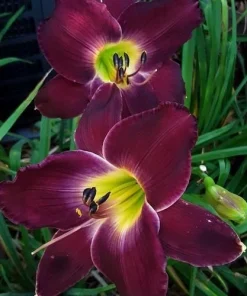
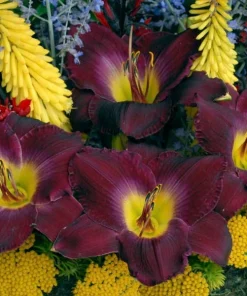
Daylily Strutter’s Ball Bare Root Plant – Perennial Reblooming Hemerocallis
Original price was: $85.99.$65.99Current price is: $65.99.
Bring vibrant color to your garden with the Daylily Strutter’s Ball bare root plant. This beautiful reblooming Daylily plant (Hemerocallis) is a robust perennial, offering gorgeous blooms and requiring minimal care for a stunning display all season long.
Out of stock
Estimated arrival
Oct 25
Oct 30 - Nov 01
Nov 04 - Nov 08
Shop With Confidence
30-Day Plant Health Guarantee
Arrives damaged? We’ll replace it free — see our return policy.
Responsive Support
Email us anytime, we reply within 1 business day.
Expert Packaging
Temperature-controlled shipping to protect your plants in transit.
Secure Checkout
Pay safely with Visa, Mastercard, PayPal.
Plant Specifications
-
USDA Hardiness Zone
unknown -
Soil Type
well-draining soil -
Sunlight Exposure
Full Sun -
Expected Planting Period
spring to fall
Overview
Transform your landscape with the stunning beauty of the Daylily Strutter’s Ball bare root plant. This exquisite perennial, scientifically known as Hemerocallis, is a favorite among gardeners for its vibrant, multi-colored blooms and exceptional hardiness. Arriving as a healthy bare root, this plant is ready to establish quickly in your garden, promising a spectacular show of purple, white, yellow, and dark red flowers. The ‘Strutter’s Ball’ variety is celebrated for its reblooming capability, ensuring a continuous display of color from late spring through summer, and often into fall. Ideal for borders, mass plantings, or as a focal point, this Hemerocallis perennial is a true garden workhorse, combining beauty with incredible resilience.
Daylilies are not true lilies but belong to the genus Hemerocallis, meaning ‘beauty for a day,’ referring to the individual flowers that typically last for just one day. However, each plant produces numerous buds on tall scapes, ensuring a succession of blooms that can last for weeks or even months. The ‘Strutter’s Ball’ is a particularly vigorous and floriferous cultivar, known for its large, ruffled petals and striking color combinations. Planting a reblooming Daylily plant like this ensures your garden remains alive with color throughout the warmer months, making it an excellent investment for both novice and experienced gardeners.
Key Benefits
Choosing the Daylily Strutter’s Ball bare root for your garden brings a multitude of advantages, enhancing both aesthetics and ease of maintenance. This robust perennial is an ideal choice for creating a dynamic and colorful landscape with minimal effort.
-
Prolific Reblooming: One of the most cherished features of the ‘Strutter’s Ball’ Daylily is its ability to rebloom. Unlike many other flowering plants that offer a single flush of blooms, this reblooming Daylily plant provides successive waves of flowers throughout the growing season, guaranteeing extended periods of vibrant color in your garden.
-
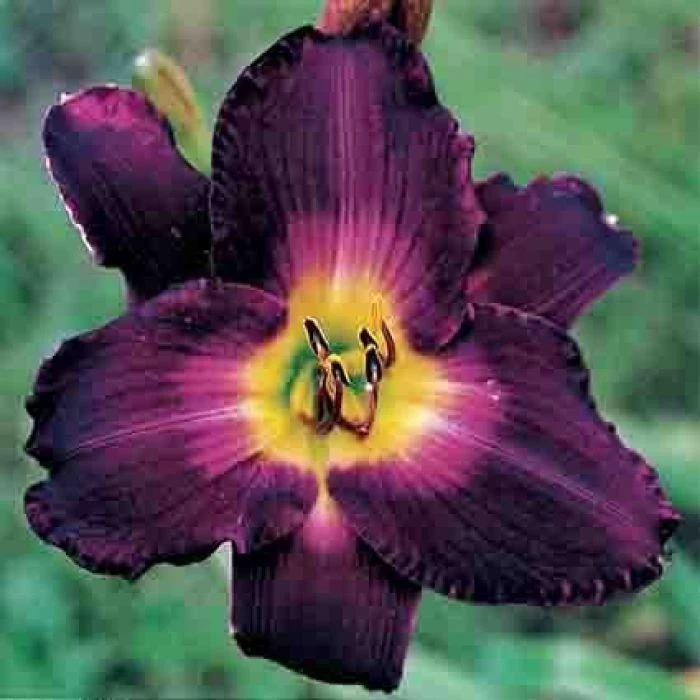
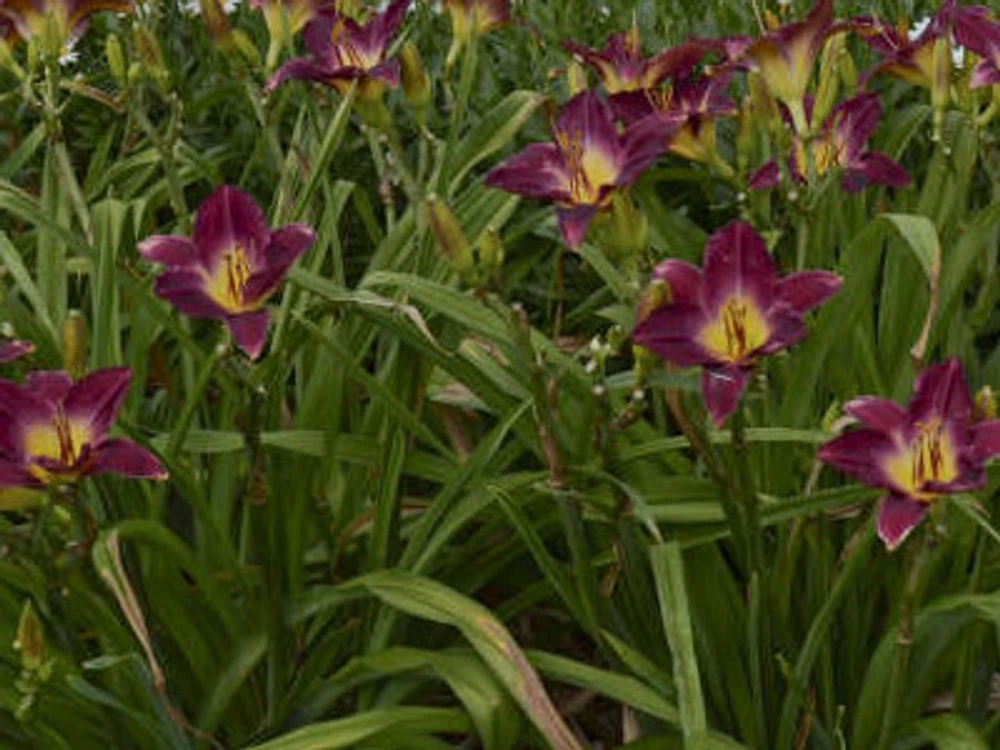
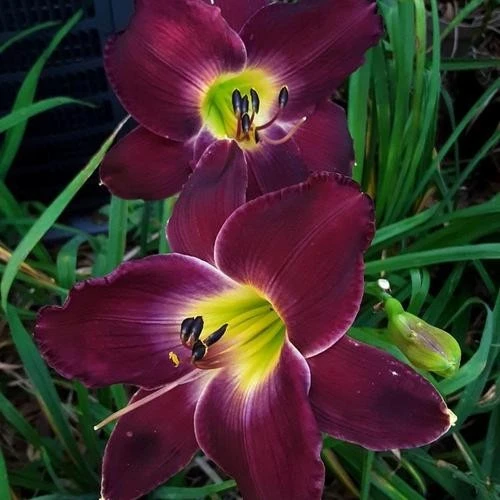
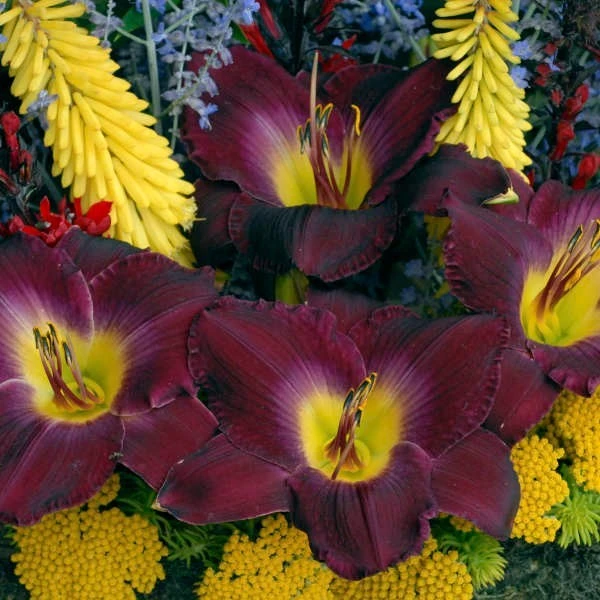
Stunning Multi-Color Blooms: The flowers of the Strutter’s Ball are a captivating blend of purple, white, yellow, and dark red. These rich, contrasting hues create a dramatic visual impact, making it a standout addition to any garden bed or border. Each bloom is a work of art, adding elegance and charm.
-
Extremely Low Maintenance: This easy-care Daylily is remarkably tolerant of various conditions and requires very little attention once established. It’s an excellent choice for busy gardeners or those new to gardening, providing spectacular results without demanding constant fuss.
-
Drought Tolerant & Hardy: Once mature, Daylilies are highly drought-tolerant, making them suitable for regions with less consistent rainfall. They are also incredibly hardy, able to withstand a wide range of temperatures and soil types, ensuring longevity and consistent performance.
-
Versatile Garden Use: Whether you’re designing a perennial border, creating a mass planting for a bold statement, or using it as a groundcover on a slope, the ‘Strutter’s Ball’ Daylily fits seamlessly into various garden designs. Its upright foliage and striking blooms make it a versatile addition to any landscape.
-
Attracts Pollinators: The vibrant and abundant flowers of this colorful garden flowers cultivar act as a magnet for beneficial pollinators like butterflies and bees, contributing to a healthier and more biodiverse garden ecosystem.
-
Erosion Control: Due to its fibrous root system, planting Daylilies, including this Hemerocallis perennial, can help stabilize soil on slopes and prevent erosion, making it a practical choice for challenging garden areas.
Plant Care & Growing Tips
Caring for your Daylily Strutter’s Ball bare root is straightforward, ensuring a bountiful display of its beautiful multi-colored blooms. Daylilies are renowned for their adaptability, making them a top choice for gardeners seeking both beauty and ease. For optimal growth and flowering, select a location that receives full sun, meaning at least 6 hours of direct sunlight per day. While Daylilies can tolerate partial shade, too little sun may result in fewer blooms. When planting your bare root, dig a hole wide enough to spread the roots out and deep enough so that the crown (where the roots meet the foliage) is just at soil level. Backfill with well-draining soil, gently firming it around the roots, and water thoroughly.
Watering is crucial during the establishment phase. Keep the soil consistently moist but not waterlogged for the first few weeks after planting. Once established, this easy-care Daylily becomes quite drought-tolerant, though regular watering during dry spells will encourage more prolific blooming. Good drainage is key; avoid heavy, water-retentive clays. A slightly acidic to neutral soil pH (6.0-7.0) is ideal. Fertilize in early spring with a balanced slow-release granular fertilizer to support vigorous growth and flowering. Deadhead spent blooms regularly to encourage reblooming and maintain a tidy appearance. Division every 3-5 years can help rejuvenate older clumps and prevent overcrowding, ensuring your reblooming Daylily plant continues to thrive.
This Hemerocallis perennial is generally pest and disease resistant. However, keep an eye out for common garden pests like aphids or thrips, which can be managed with insecticidal soap if necessary. Rust can occasionally be an issue in humid conditions; ensure good air circulation around plants to minimize risk. With proper care, your ‘Strutter’s Ball’ Daylily will be a reliable source of vibrant color and an impressive display of colorful garden flowers for many years.
Size & Details
The Daylily Strutter’s Ball bare root plant is delivered as a dormant, ready-to-plant bare root, ensuring a strong start for your garden. Once established, this vigorous perennial typically grows to a height of 24-30 inches with a similar spread, creating a substantial and impactful presence in the landscape. Its robust growth habit allows it to form dense clumps of foliage, effectively suppressing weeds and providing a lush backdrop for its striking blooms. Expect a moderate to fast growth rate, with the plant reaching its mature size within 2-3 years. Flowering generally begins in late spring to early summer and continues in impressive reblooming cycles, offering extended periods of vibrant color.
The ‘Strutter’s Ball’ cultivar is recognized for its large, showy flowers, which can measure several inches across, showcasing its intricate blend of purple, white, yellow, and dark red. This Hemerocallis perennial is a reliable performer, providing consistent bloom quality year after year. As a bare root, it is shipped without soil or a pot, which minimizes transplant shock and allows the plant to adapt quickly to its new environment. With its impressive stature and continuous floral display, the Daylily Strutter’s Ball bare root is an excellent choice for adding lasting beauty and structure to your garden.
Frequently Asked Questions
- Q: How big does the Daylily Strutter’s Ball get? A: The Daylily Strutter’s Ball bare root typically grows to a mature height of 24-30 inches with a similar spread. It forms an attractive clump that fills out well in garden beds.
- Q: Is this an indoor or outdoor plant? A: This reblooming Daylily plant is an outdoor perennial. It thrives in garden beds, borders, and can also be grown in large outdoor containers.
- Q: How much sunlight does it need? A: For the best flowering performance, the ‘Strutter’s Ball’ Daylily requires full sun, meaning at least 6 hours of direct sunlight per day. It can tolerate partial shade, but blooming may be reduced.
- Q: Is this plant easy to care for? A: Yes, this is an incredibly easy-care Daylily. Once established, it is very low maintenance, tolerant of various conditions, and relatively pest and disease-free, making it perfect for beginners.
- Q: What condition will it arrive in? A: Your Daylily will arrive as a dormant, healthy Daylily Strutter’s Ball bare root. This is the ideal form for planting, ensuring the plant establishes quickly and robustly in your garden.
- Q: When is the best time to plant this bare root? A: The best time to plant Daylily bare roots is in spring or fall when the weather is mild. This allows the plant to establish its root system before extreme temperatures.
- Q: Will it survive winter in my zone? A: Daylilies are very hardy perennials. While specific USDA zones are unknown for this product, Daylilies in general are known to be hardy across a broad range of climates, tolerating cold winters and hot summers.
- Q: What type of soil does this Hemerocallis perennial prefer? A: This Hemerocallis perennial prefers well-draining soil. It can adapt to a variety of soil types, from sandy to clay, as long as drainage is adequate. Adding organic matter can improve soil structure.
- Q: How often does this Daylily rebloom? A: The ‘Strutter’s Ball’ is a reblooming variety, meaning it will produce multiple flushes of its colorful garden flowers throughout the summer, often extending into the fall, after its initial bloom period.
- Q: Can I grow this Daylily in a container? A: Yes, you can grow this Daylily in a large container, ensuring it has adequate drainage and enough space for its root system to develop. Container-grown plants may require more frequent watering.
Be the first to review “Daylily Strutter’s Ball Bare Root Plant – Perennial Reblooming Hemerocallis”
People Also Viewed
Reviews
There are no reviews yet.