

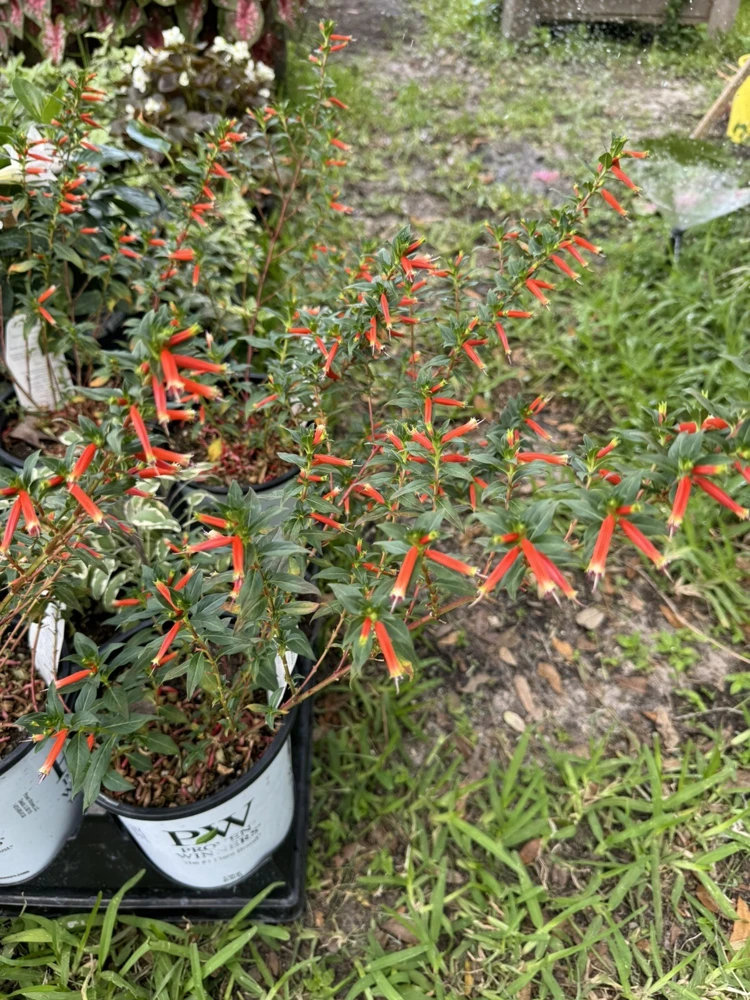
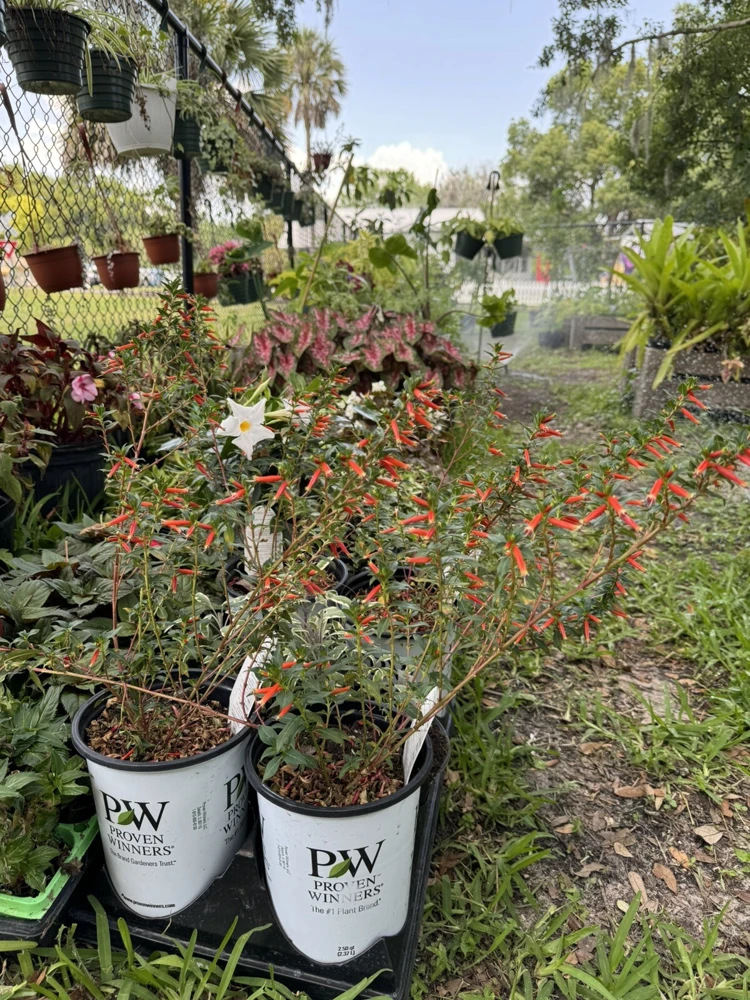
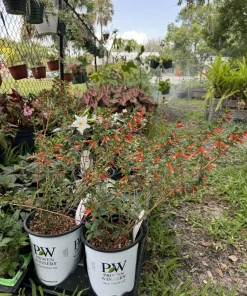
Cuphea Live Plant – Indoor & Outdoor Flowering Shrub
Original price was: $56.99.$36.99Current price is: $36.99.
Bring vibrant color and life to your space with a beautiful cuphea live plant. Known for its unique, tubular flowers, this plant is perfect for both indoor enjoyment and outdoor garden beds, attracting hummingbirds and butterflies. A delightful and relatively low-maintenance addition to any plant collection.
Estimated arrival
Sep 12
Sep 17 - Sep 19
Sep 22 - Sep 26
Shop With Confidence
30-Day Plant Health Guarantee
Arrives damaged? We’ll replace it free — see our return policy.
Responsive Support
Email us anytime, we reply within 1 business day.
Expert Packaging
Temperature-controlled shipping to protect your plants in transit.
Secure Checkout
Pay safely with Visa, Mastercard, PayPal.
Plant Specifications
-
USDA Hardiness Zone
USDA Zones 9-11 (as perennial), all zones (as annual) -
Soil Type
Well-draining potting mix or garden soil -
Sunlight Exposure
Full sun to partial shade -
Expected Planting Period
Year-round indoors, spring to early summer outdoors
Overview
Introducing the captivating cuphea live plant, a versatile and charming addition to any plant enthusiast’s collection. Often referred to as the Cigar Plant, Firecracker Plant, or Bat-Faced Cuphea due to the distinctive shapes and colors of its blooms, Cuphea is a genus of flowering plants in the family Lythraceae. These delightful plants are cherished for their continuous display of unique, tubular flowers that can brighten up any garden or indoor setting. This particular cuphea live plant offers an exceptional opportunity to cultivate a specimen known for its resilience and beauty. Whether you’re an experienced gardener or just starting, a Cuphea plant provides a rewarding growing experience with its relatively easy care requirements and prolonged blooming period. Its vibrant flowers are not only visually appealing but also serve as a magnet for pollinators like hummingbirds and butterflies, bringing your garden to life.
The Cuphea genus encompasses a wide variety of species, each with its own charm. This live plant is carefully selected to ensure a robust and healthy specimen arrives at your door, ready to thrive in its new environment. Its compact growth habit makes it suitable for various applications, from container gardening on patios and balconies to mass plantings in garden beds. The rich green foliage provides a lush backdrop for the colorful blossoms, which can range from fiery reds and oranges to delicate purples and pinks, depending on the specific cultivar. Enjoy the continuous beauty and ecological benefits of this wonderful cuphea live plant.
Key Benefits
The cuphea live plant offers a multitude of benefits, making it a highly desirable choice for gardeners and plant lovers alike. Its appealing aesthetics are just one of many reasons to welcome this plant into your home or garden.
- Continuous Blooming: Enjoy a prolonged display of unique, tubular flowers from spring through fall, providing consistent color and interest to your space. This extended blooming period ensures your garden or indoor area remains vibrant for months.
- Attracts Pollinators: The distinctive flowers of the cuphea live plant are a favorite of hummingbirds and butterflies, helping to support local ecosystems and bringing dynamic life to your garden. Watching these beautiful creatures interact with your plants is truly a delight.
- Versatile Growth Habit: Suitable for a variety of uses, including container planting, hanging baskets, garden beds, and even as an indoor potted plant. Its adaptable nature allows you to incorporate it into diverse landscape designs and living spaces.
- Low Maintenance: Generally easy to care for, making it an excellent choice for both novice and experienced gardeners. It requires minimal pruning and is relatively tolerant of various growing conditions once established.
- Heat Tolerant: Many Cuphea varieties are known for their ability to withstand warm temperatures, making them a reliable choice for summer gardens in many regions. This resilience ensures they continue to perform even in challenging climates.
- Unique Flower Forms: The intricate and often whimsically shaped flowers, like those of the bat-faced cuphea, provide an interesting focal point and conversation starter. Their unusual appearance adds an exotic touch to any plant collection.
Plant Care & Growing Tips
Caring for your cuphea live plant is a straightforward process that will reward you with an abundance of beautiful blooms. Understanding its basic needs will ensure a healthy and thriving plant.
Sunlight Requirements: Cuphea plants thrive in full sun to partial shade. For optimal flowering, aim for at least 6 hours of direct sunlight per day. In hotter climates, some afternoon shade can protect the plant from scorching. When grown indoors, place your cuphea live plant near a bright window that receives ample light, preferably a south or west-facing exposure.
Watering Schedule and Soil Moisture: These plants prefer consistently moist soil but do not like to sit in water. Water thoroughly when the top inch of soil feels dry to the touch. During hot, dry periods, daily watering may be necessary, especially for plants in containers. Ensure good drainage to prevent root rot. Proper watering is crucial for healthy growth and continuous blooms. Understanding how to grow cuphea successfully largely depends on consistent moisture.
Soil Type and Drainage: A well-draining potting mix is essential for container-grown Cuphea. For garden beds, amend heavy clay soils with organic matter to improve drainage. A slightly acidic to neutral soil pH (6.0-7.0) is ideal. Good air circulation around the roots is also beneficial. This plant is not overly particular about soil, but excellent drainage is non-negotiable.
Temperature Range and USDA Hardiness Zone: Most Cuphea varieties are tender perennials, typically grown as annuals in cooler climates. They are generally hardy in USDA Zones 9-11, where they can survive winters outdoors. In colder zones, they can be overwintered indoors or treated as annuals. They prefer temperatures between 60-85°F (15-29°C) and should be protected from frost.
Fertilization Schedule and Type: Fertilize your cuphea live plant every 2-4 weeks during the growing season (spring and summer) with a balanced liquid fertilizer diluted to half strength. For potted plants, a slow-release granular fertilizer can also be incorporated at the beginning of the season. Reduce or stop fertilizing in fall and winter when growth slows.
Common Problems and Solutions: Cuphea plants are generally pest-resistant, but occasionally may encounter aphids or whiteflies. These can typically be controlled with insecticidal soap. Overwatering can lead to root rot, so ensure proper drainage. Yellowing leaves can indicate either overwatering or nutrient deficiency, requiring an adjustment to your care routine. Learning about cuphea plant care helps prevent these common issues.
Size & Details
This cuphea live plant comes as a healthy, actively growing specimen, ready to be transplanted. Typically, it will arrive in a 4-inch nursery pot, carefully packaged to ensure its safe journey. The plant’s height generally ranges from 6 to 10 inches at the time of shipment, with a similar spread, depending on the specific variety. Cuphea plants are known for their moderate to fast growth rate, quickly filling out containers or garden spaces.
When mature, most Cuphea varieties can reach a height and width of 1 to 2 feet, creating a dense, bushy display of foliage and flowers. The exact size will depend on growing conditions, climate, and specific cultivar. Expect your plant to establish quickly and begin producing its charming blooms within a few weeks of planting in its new home. This robust cuphea live plant is designed to provide immediate visual impact and long-term enjoyment.
Frequently Asked Questions
- Q: How big does this Cuphea plant get? A: This cuphea live plant typically grows to an mature size of 1 to 2 feet in both height and width, creating a lovely bushy form. Its ultimate size can vary slightly based on growing conditions and specific variety.
- Q: What size pot does it come in? A: Your Cuphea plant will arrive in a standard 4-inch nursery pot, providing a healthy root system and a sturdy start for your new plant. It’s ready for immediate transplanting into a larger container or garden bed.
- Q: Is this an indoor or outdoor plant? A: The cuphea live plant is highly versatile and can be grown both indoors as a potted plant or outdoors in garden beds and containers. In USDA Zones 9-11, it can be a perennial outdoors; in colder zones, it’s often grown as an annual or overwintered indoors.
- Q: How much sunlight does it need? A: For the best flowering performance, Cuphea plants require at least 6 hours of direct sunlight per day. They can tolerate partial shade, especially in very hot climates, but full sun is generally preferred for abundant blooms.
- Q: Is this plant easy to care for? A: Yes, the cuphea live plant is considered relatively easy to care for, making it suitable for gardeners of all experience levels. It primarily needs consistent watering, good drainage, and ample sunlight to thrive.
- Q: What condition will it arrive in? A: Your plant will arrive as a healthy, actively growing specimen, carefully packaged to minimize stress during transit. We ensure it’s well-hydrated and protected to reach you in excellent condition.
- Q: How long until it blooms? A: Cuphea plants are known for their prolific blooming. Your plant may already be in bloom upon arrival, or it will typically begin to produce flowers within a few weeks of being settled into its new environment, continuing through the growing season.
- Q: Will it survive winter in my zone? A: If you are in USDA Zones 9-11, your Cuphea plant can likely survive winter outdoors as a perennial. In colder zones, it should be brought indoors before the first frost or treated as an annual. Proper cuphea plant care during winter is key.
- Q: Does this plant attract hummingbirds? A: Absolutely! The tubular flowers of the cigar plant (a common name for Cuphea) are highly attractive to hummingbirds, making it a wonderful addition to a pollinator garden. You’ll often see them flitting around the blooms.
- Q: What’s the best soil for a Cuphea plant? A: A well-draining potting mix is ideal for container-grown Cuphea. For garden beds, ensure the soil is rich in organic matter and drains well. A slightly acidic to neutral pH is preferred for optimal growth.
Be the first to review “Cuphea Live Plant – Indoor & Outdoor Flowering Shrub”
People Also Viewed





Vegetable Seeds
1500 Scarlet Nantes Carrot Seeds – Daucus Carota Vegetable Seeds
Reviews
There are no reviews yet.