
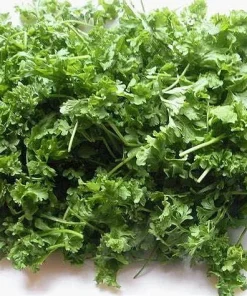
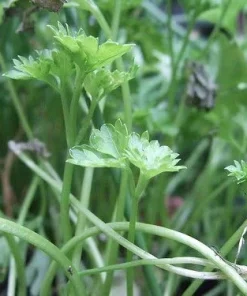
Cress Herb Seeds – 500 Seeds, 2 Grams – Fresh Homegrown Culinary Herb
Original price was: $21.99.$11.99Current price is: $11.99.
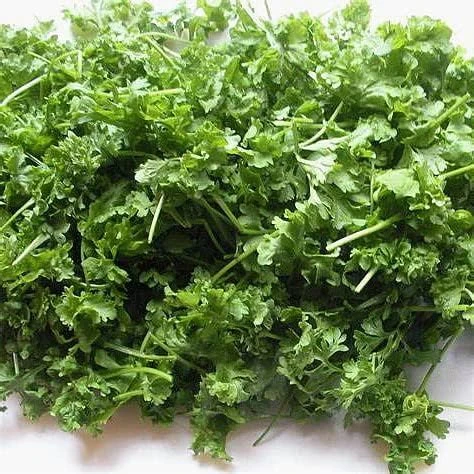
Cultivate your own delicious and nutritious cress with this packet of cress herb seeds. Containing approximately 500 seeds (2 grams), these seeds are perfect for growing fresh, curly-leaf cress at home. Enjoy the distinctive flavor in salads, sandwiches, and as a garnish. Easy to grow and a delightful addition to any garden or kitchen.
Estimated arrival
Sep 29
Oct 04 - Oct 06
Oct 09 - Oct 13
Shop With Confidence
30-Day Plant Health Guarantee
Arrives damaged? We’ll replace it free — see our return policy.
Responsive Support
Email us anytime, we reply within 1 business day.
Expert Packaging
Temperature-controlled shipping to protect your plants in transit.
Secure Checkout
Pay safely with Visa, Mastercard, PayPal.
Plant Specifications
-
USDA Hardiness Zone
unknown -
Soil Type
rich, well-draining soil -
Sunlight Exposure
full sun to partial shade -
Expected Planting Period
early spring to late summer
Overview
Embark on a delightful culinary journey by growing your own fresh herbs with these premium cress herb seeds. This packet contains approximately 500 seeds, totaling 2 grams, providing ample opportunity to cultivate a thriving patch of this versatile and flavorful herb. Cress herb seeds are an excellent choice for both novice and experienced gardeners, offering a quick and rewarding growing experience. Known for its distinctive peppery taste and curly leaves, cress is a fantastic addition to a wide array of dishes, from sandwiches and salads to garnishes for soups and main courses. Unlike watercress, which grows in aquatic environments, garden cress is cultivated much like lettuce and spinach, making it accessible for most home gardens. Enjoy the unparalleled freshness and flavor that only homegrown herbs can provide, elevating your meals and adding a touch of vibrant green to your garden.
Key Benefits
Growing your own cress herb seeds offers numerous advantages, from enhancing your culinary creations to providing a fun and engaging gardening experience. Discover the many reasons why these seeds are a must-have for your garden:
- Exceptional Freshness and Flavor: Experience the superior taste of freshly picked cress, far surpassing store-bought varieties. The peppery, slightly pungent flavor is perfect for adding a zesty kick to any dish.
- Versatile Culinary Use:Cress herb seeds yield plants that are incredibly versatile in the kitchen. Use them to enhance meat and fish dishes, gravies, soups, salads, and vegetables, or simply enjoy them on their own.
- Easy to Grow: Cress is known for being an easy-to-grow herb, making it ideal for beginners. It germinates quickly and requires minimal fuss, providing a satisfying gardening project.
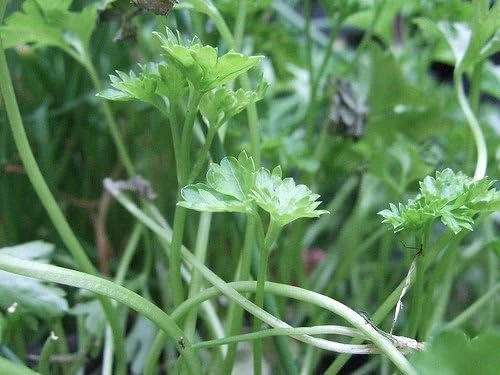
- Attractive Garden Addition: The curly, vibrant green leaves of cress plants make them an attractive feature in any garden bed, container, or windowsill herb garden.
- Successive Harvests: With proper planting, you can enjoy multiple harvests throughout the year, ensuring a continuous supply of fresh cress for your culinary needs. This makes growing fresh cress seeds a highly efficient choice for home gardeners.
- Nutrient-Rich: Cress is packed with vitamins and minerals, adding a healthy boost to your diet. Enjoy the benefits of homegrown, nutrient-dense greens.
- Quick Growth Cycle: From planting to harvest, cress has a relatively short growth cycle, meaning you won’t have to wait long to enjoy your efforts.
Plant Care & Growing Tips
Cultivating a thriving patch from your cress herb seeds is straightforward, provided you follow a few key guidelines. Cress thrives in cool weather and can be grown through successive plantings, allowing for a continuous harvest. For optimal growth and flavor, consider the following care instructions:
Sunlight Requirements: Cress prefers full sun to partial shade. In hotter climates or during the peak of summer, providing some afternoon shade can prevent bolting (going to seed prematurely). It does not do well in very hot weather, so plan your plantings accordingly. For indoor growing, a bright windowsill receiving several hours of direct light or a grow light will suffice.
Watering Schedule and Soil Moisture: Keep the soil consistently moist but not waterlogged. Cress has shallow roots and dries out quickly, especially in sunny conditions. Water regularly, especially during dry spells. Avoid letting the soil completely dry out between waterings. Overhead watering is generally fine, but avoid excessive splashing to prevent fungal issues.
Soil Type and Drainage: Plant your cress herb seeds in rich, well-draining soil. A loamy soil with a good amount of organic matter is ideal. If growing in containers, use a high-quality potting mix that retains moisture but allows excess water to drain freely. Good drainage is crucial to prevent root rot.
Temperature Range: Cress is a cool-season crop. It grows best in temperatures between 50-70°F (10-21°C). Frost can damage young plants, while prolonged hot weather (above 75°F/24°C) can cause the plants to bolt and become bitter. Planting in August for a fall harvest is often recommended, as well as early spring plantings.
Fertilization: Cress is not a heavy feeder. If planted in rich soil, additional fertilization may not be necessary. If your soil is poor, a balanced liquid fertilizer diluted to half strength can be applied every 2-3 weeks. Avoid over-fertilizing, especially with nitrogen, as this can lead to excessive leafy growth at the expense of flavor.
Common Problems and Solutions: Pests are generally not a major issue for cress. Slugs and snails may occasionally feed on young seedlings; use organic slug baits or hand-pick them. Fungal diseases like damping-off can occur in overly wet conditions; ensure good air circulation and avoid overwatering. Bolting, or premature flowering, is usually caused by high temperatures or stress; harvest quickly once temperatures rise or plant heat-tolerant varieties if available. Understanding cress plant care will lead to a bountiful harvest.
Size & Details
This product includes a packet containing approximately 500 cress herb seeds, weighing 2 grams. These seeds are ready for direct sowing into your garden beds or containers. Once germinated, cress plants typically grow to a height of 3 to 12 inches (7.5 to 30 cm), forming compact, bushy plants with characteristic curly leaves. The growth rate of cress is quite rapid, with germination often occurring within a few days and plants ready for harvesting in as little as 10-15 days for microgreens, or 20-30 days for mature leaves. The seeds are packaged to ensure viability and freshness upon arrival, providing a strong start for your homegrown herb garden. Each seed is designed to produce a robust plant, offering a continuous supply of fresh greens when planted in succession. Consider these fresh cress seeds for a quick and rewarding garden addition.
Frequently Asked Questions
- Q: How many cress herb seeds are included in this packet? A: This packet contains approximately 500 cress herb seeds, weighing 2 grams, providing a generous supply for multiple plantings.
- Q: Is cress an indoor or outdoor plant? A: Cress can be grown both indoors and outdoors. Outdoors, it thrives in cool weather. Indoors, it can be grown year-round on a bright windowsill or under grow lights.
- Q: How much sunlight does cress need? A: Cress prefers full sun to partial shade. In hotter climates, partial shade is beneficial to prevent bolting.
- Q: Is this plant easy to care for? A: Yes, cress is considered a very easy herb to grow, making it excellent for beginners. It has a fast growth cycle and requires consistent moisture.
- Q: When is the best time to plant cress seeds? A: Cress is a cool-season crop. You can plant in early spring for a spring harvest, or in late summer/early fall (e.g., August) for a fall harvest. Successive plantings every 1-2 weeks will ensure a continuous supply.
- Q: How tall do cress plants typically grow? A: Cress plants usually grow to a height of 3 to 12 inches (7.5 to 30 cm) depending on growing conditions and variety.
- Q: What type of soil is best for growing cress? A: Cress prefers rich, well-draining soil with plenty of organic matter. A good quality potting mix is suitable for container growing.
- Q: Can I harvest cress multiple times from the same plant? A: Yes, you can harvest the outer leaves as needed, and the plant will continue to produce. For continuous supply, successive plantings are recommended. Learning good cress plant care helps extend the harvest.
- Q: What is the main difference between cress and watercress? A: While both are in the same plant family, garden cress (the type from these fresh cress seeds) is grown in soil like lettuce, while watercress grows in water. They have similar peppery flavors.
- Q: How long does it take for cress seeds to germinate and be ready for harvest? A: Cress seeds typically germinate within 3-7 days. You can begin harvesting leaves as microgreens in 10-15 days, and mature leaves in 20-30 days.
Be the first to review “Cress Herb Seeds – 500 Seeds, 2 Grams – Fresh Homegrown Culinary Herb”
People Also Viewed
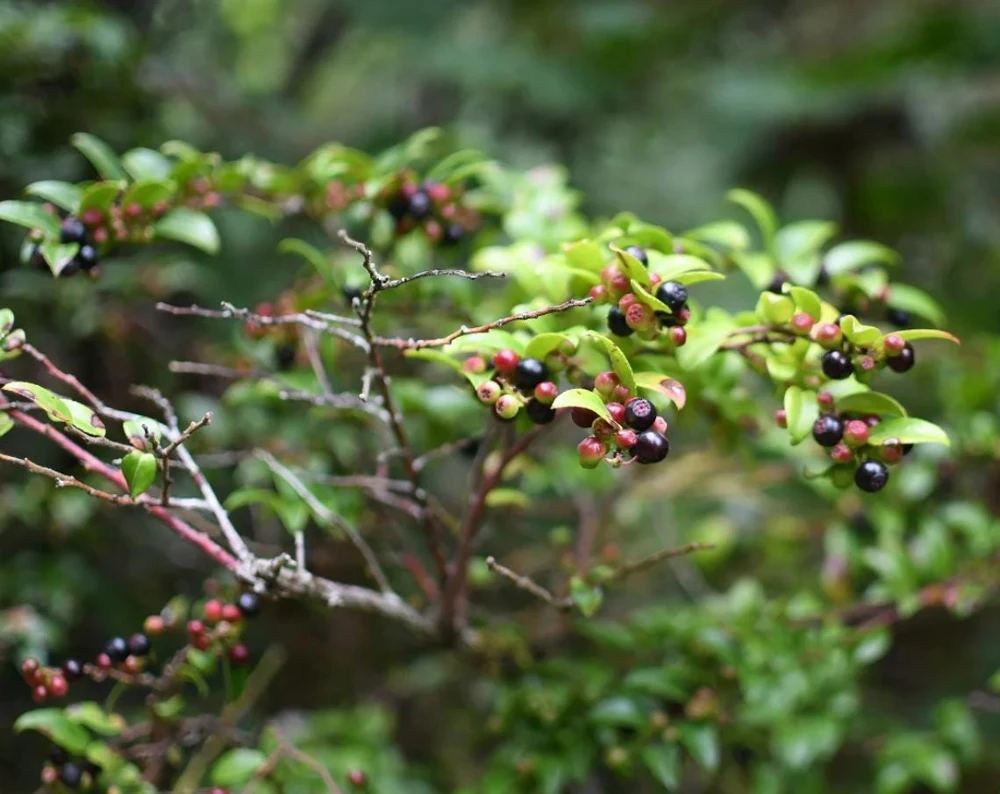
Shrubs
Evergreen Huckleberry Live Plant Set (2) – Vaccinium ovatum – 4-10″ Tall – 4″ Pot – Edible Berries
Reviews
There are no reviews yet.