
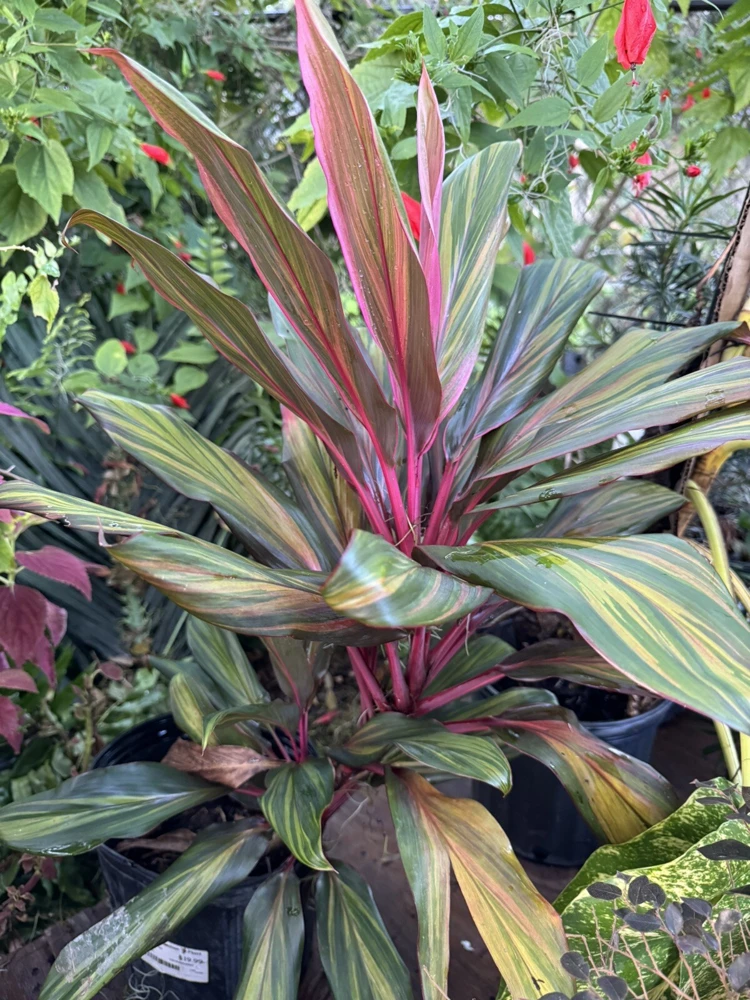
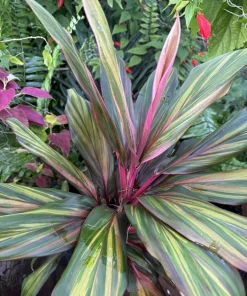
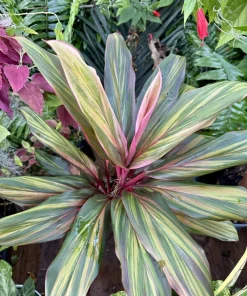
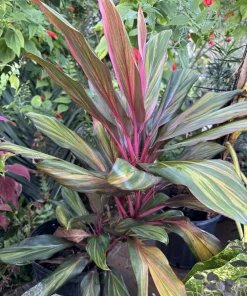
Cordyline Harlequin Live Plant – Ti Hawaiian Tropical Foliage – Vibrant Indoor/Outdoor
Original price was: $56.99.$36.99Current price is: $36.99.
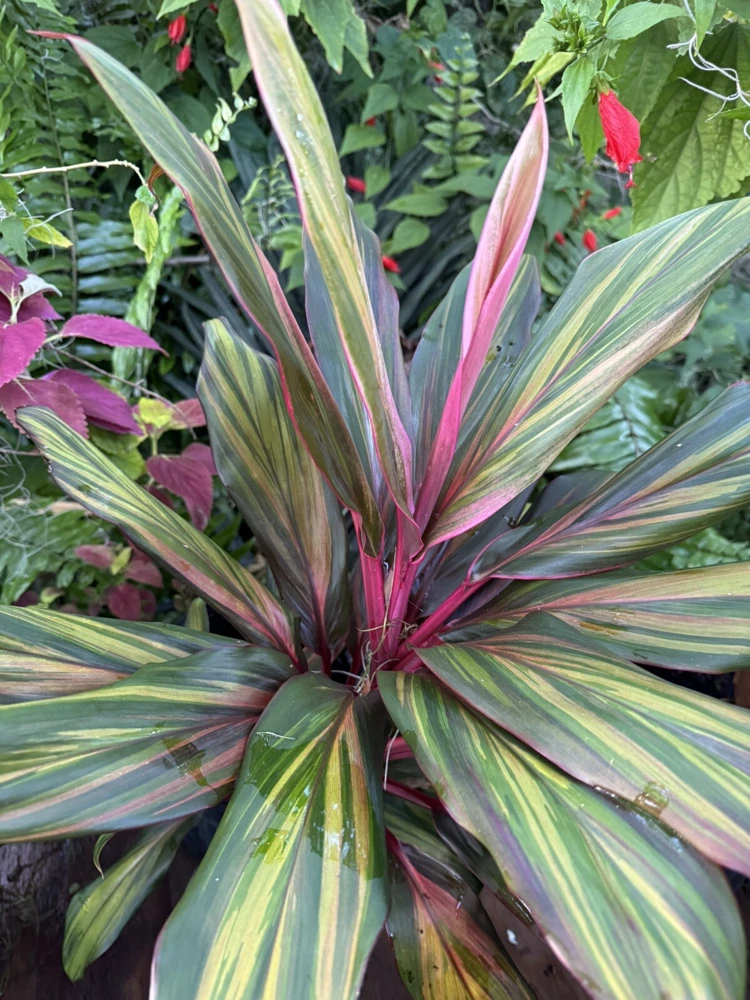
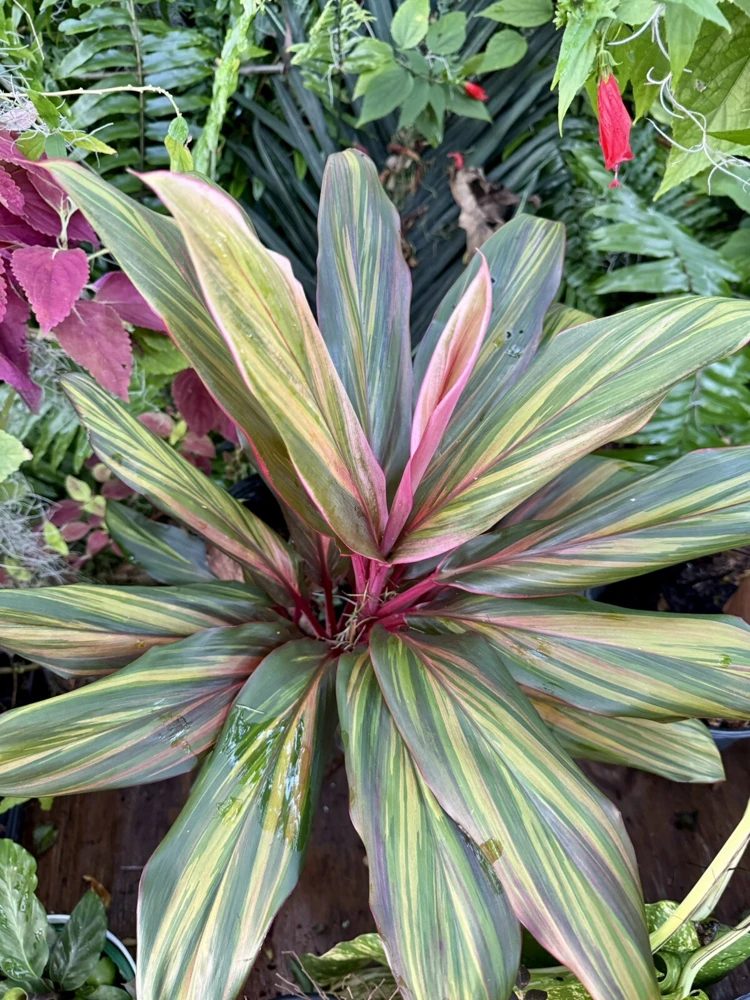
Add a splash of vibrant color with the Ti Hawaiian Cordyline Harlequin live plant. This stunning tropical plant features eye-catching pink, green, and cream variegated foliage, making it an excellent choice for both indoor decoration and outdoor garden accents in warmer climates. Enjoy its exotic beauty and relatively easy care.
Estimated arrival
Oct 27
Nov 01 - Nov 03
Nov 06 - Nov 10
Shop With Confidence
30-Day Plant Health Guarantee
Arrives damaged? We’ll replace it free — see our return policy.
Responsive Support
Email us anytime, we reply within 1 business day.
Expert Packaging
Temperature-controlled shipping to protect your plants in transit.
Secure Checkout
Pay safely with Visa, Mastercard, PayPal.
Plant Specifications
-
USDA Hardiness Zone
USDA Zones 9-11 (outdoor) or indoor plant -
Soil Type
Well-draining potting mix -
Sunlight Exposure
Bright, indirect light -
Expected Planting Period
Year-round indoors; spring to summer outdoors in suitable climates
Overview
Bring the allure of the tropics into your home or garden with the exquisite Ti Hawaiian Cordyline Harlequin live plant. This highly sought-after plant, known scientifically as Cordyline fruticosa ‘Harlequin’, is celebrated for its spectacular, colorful foliage. Each leaf is a vibrant tapestry of deep green, bright pink, and creamy white variegation, creating a dazzling display that instantly elevates any space. Originating from Southeast Asia and the Pacific Islands, Cordyline plants, often referred to as Ti plants, are cherished for their dramatic appearance and ability to thrive in a variety of settings. Whether you’re looking to create a focal point in your living room or add a tropical flair to your outdoor landscape, the Ti Hawaiian Cordyline Harlequin is an exceptional choice that promises year-round visual interest.
The Cordyline Harlequin plant care is straightforward, making it suitable for both novice and experienced plant enthusiasts. This live plant arrives ready to be potted or transplanted, ensuring you can immediately enjoy its beauty. Its upright growth habit and dense foliage make it a versatile plant for containers, garden beds, or as a striking specimen plant. The ‘Harlequin’ variety is particularly prized for its intense coloration, which can deepen with optimal light conditions. Embrace the exotic charm and effortless elegance that this tropical gem brings to your botanical collection.
Key Benefits
The Ti Hawaiian Cordyline Harlequin offers numerous advantages, making it a valuable addition to any plant collection. Its striking appearance and relatively simple care requirements contribute to its widespread appeal, providing both aesthetic and practical benefits.
- Stunning Visual Appeal: The primary benefit is its breathtaking variegated foliage, featuring shades of pink, green, and cream. This vibrant display ensures the plant stands out, adding a dynamic splash of color to any room or garden. It’s an instant tropical accent.
- Versatile Decor: This plant is highly adaptable for various decorative purposes. It can be grown as a vibrant indoor houseplant, a patio accent, or a bold statement in outdoor garden beds in appropriate climates. Its upright form is perfect for adding vertical interest.
- Relatively Low Maintenance: Despite its exotic appearance, the Ti Hawaiian Cordyline Harlequin is not overly demanding. With proper watering and light, it thrives with minimal fuss, making it a great option for those new to gardening or with busy schedules.
- Air Purifying Qualities: Like many houseplants, Cordylines contribute to a healthier indoor environment by helping to filter out common airborne toxins, improving the air quality in your home or office.
- Tropical Ambiance: Instantly creates a tropical atmosphere wherever it’s placed. Its exotic look can transform a mundane space into a lush, vibrant oasis, evoking feelings of warmth and relaxation, perfect for a tropical Cordyline plant.
- Year-Round Interest: Unlike flowering plants that have seasonal blooms, the vibrant foliage of the ‘Harlequin’ variety provides consistent color and beauty throughout the entire year, ensuring continuous enjoyment.
- Adaptable to Light Conditions: While it prefers bright, indirect light for best color, it can tolerate a range of light conditions, making it flexible for different indoor and outdoor placements. This adaptability enhances its utility as an indoor Ti plant.
Plant Care & Growing Tips
Caring for your Ti Hawaiian Cordyline Harlequin is a rewarding experience, and with a few key practices, you can ensure your plant remains healthy and vibrant. Understanding its needs for light, water, and soil is crucial for successful growth and maintaining its stunning vibrant foliage plant characteristics.
Sunlight Requirements: For the most intense and vibrant pink and green coloration, provide your Cordyline with bright, indirect light. Indoors, an east or west-facing window is ideal, offering plenty of light without harsh direct sun that can scorch the leaves. If grown outdoors, choose a location with morning sun and afternoon shade, especially in hotter climates. Too little light can cause the colors to fade and the plant to become leggy, while too much direct sun can lead to leaf burn. Aim for 6-8 hours of bright, filtered light daily.
Watering Schedule & Soil Moisture: Water thoroughly when the top inch or two of soil feels dry to the touch. Cordylines prefer consistently moist soil but absolutely do not tolerate soggy conditions, which can lead to root rot. Ensure your pot has excellent drainage. Reduce watering slightly during cooler months when the plant’s growth slows down. Humidity is also beneficial; consider misting regularly or placing the pot on a pebble tray filled with water, especially in dry indoor environments. The Cordyline Harlequin plant care for watering is key to its health.
Soil Type & Drainage: Use a well-draining potting mix that retains some moisture but allows excess water to escape freely. A good quality all-purpose potting mix amended with perlite or coarse sand for improved drainage works well. For outdoor planting, ensure your garden soil is rich in organic matter and drains efficiently. Good drainage is paramount to prevent waterlogging and ensure a healthy root system for your tropical Cordyline plant.
Temperature Range & USDA Hardiness Zone: The Ti Hawaiian Cordyline Harlequin thrives in warm temperatures, ideally between 65-80°F (18-27°C). It is sensitive to cold and frost. Outdoors, it is generally hardy in USDA Zones 9-11, where temperatures rarely drop below freezing. If you live in a colder climate, it is best grown as an indoor plant or moved indoors when temperatures fall below 50°F (10°C). Protect it from cold drafts, which can cause leaf damage.
Fertilization: Feed your Cordyline every 2-4 weeks during the growing season (spring and summer) with a balanced liquid fertilizer diluted to half strength. Reduce or stop fertilization during fall and winter when the plant is dormant. This will support vigorous growth and maintain the vibrancy of its foliage. Over-fertilization can lead to salt buildup in the soil, so always follow product instructions.
Common Problems & Solutions: Watch out for common pests like spider mites, mealybugs, and scale. Treat infestations with insecticidal soap or neem oil. Yellowing lower leaves can indicate overwatering or nutrient deficiency, while brown, crispy leaf tips often suggest low humidity or underwatering. Adjust your care routine accordingly to keep your indoor Ti plant thriving. Regular inspection helps catch issues early.
Size & Details
The Ti Hawaiian Cordyline Harlequin is typically offered as a young live plant, ready to establish itself in your chosen environment. When mature, this stunning plant can reach heights of 3 to 6 feet, with a spread of 1 to 2 feet, making it a substantial and eye-catching specimen. Its growth rate is moderate, allowing you to enjoy its development over time. This plant is usually shipped in a nursery pot, ensuring its root system is protected during transit and ready for immediate transplanting into a larger decorative pot or directly into your garden if conditions allow. Expect the plant to arrive with several vibrant leaves, showcasing its characteristic pink, green, and cream variegation.
The ‘Harlequin’ variety is known for its relatively compact nature compared to some other Cordyline cultivars, making it suitable for a range of spaces, from small apartments to spacious gardens. The exact size upon arrival may vary based on the stock, but rest assured it will be a healthy, well-rooted specimen prepared for continued growth. With proper care, you can expect its vibrant foliage plant colors to intensify and its stature to grow, providing a long-lasting source of tropical beauty. The plant does not typically flower in a showy manner; its main ornamental value comes from its magnificent leaves.
Frequently Asked Questions
- Q: How big does this plant get? A: The Ti Hawaiian Cordyline Harlequin typically grows to a height of 3 to 6 feet and can spread about 1 to 2 feet wide when mature. Its size can be influenced by pot size and growing conditions, making it a versatile plant for various spaces.
- Q: Is this an indoor or outdoor plant? A: This is a versatile plant that can be grown both indoors and outdoors. It thrives outdoors in USDA Zones 9-11. In colder climates, it is best kept as an indoor Ti plant or brought inside during cooler months to protect it from frost.
- Q: How much sunlight does it need? A: For the best color and growth, the Ti Hawaiian Cordyline Harlequin prefers bright, indirect light. Direct, harsh sunlight, especially in the afternoon, can scorch its leaves. Indoors, a spot near an east or west-facing window is often ideal.
- Q: Is this plant easy to care for? A: Yes, this plant is considered relatively easy to care for, making it suitable for various levels of gardening experience. Consistent watering, adequate light, and well-draining soil are the main requirements for healthy growth and vibrant foliage.
- Q: What condition will it arrive in? A: Your tropical Cordyline plant will arrive as a healthy, live plant, typically in a nursery pot with its root ball intact. It will be carefully packaged to minimize stress during transit, ready for you to transplant and nurture.
- Q: How often should I water my Cordyline Harlequin? A: Water your Cordyline Harlequin plant care is simple; water when the top 1-2 inches of soil feel dry to the touch. Ensure the pot has good drainage to prevent root rot, and reduce watering slightly in winter.
- Q: Will it survive winter in my zone? A: If you are in USDA Zones 9-11, it can survive winter outdoors. In zones colder than 9, it must be brought indoors before temperatures drop below 50°F (10°C) to protect it from frost damage.
- Q: What type of soil is best for this plant? A: A well-draining potting mix is essential. You can use a standard all-purpose potting mix amended with perlite or coarse sand to improve drainage and aeration for your vibrant foliage plant.
- Q: Does this plant have any blooms? A: While Cordylines can produce small, inconspicuous flowers, the primary ornamental feature of the ‘Harlequin’ variety is its stunning, colorful foliage. The plant is grown for its leaves rather than its blooms.
- Q: Is this plant pet-safe? A: Unfortunately, Cordyline plants are considered toxic to pets if ingested. It’s best to keep this plant out of reach of curious cats, dogs, and other household animals to ensure their safety.
Be the first to review “Cordyline Harlequin Live Plant – Ti Hawaiian Tropical Foliage – Vibrant Indoor/Outdoor”
People Also Viewed
Vegetable Seeds
Reviews
There are no reviews yet.