


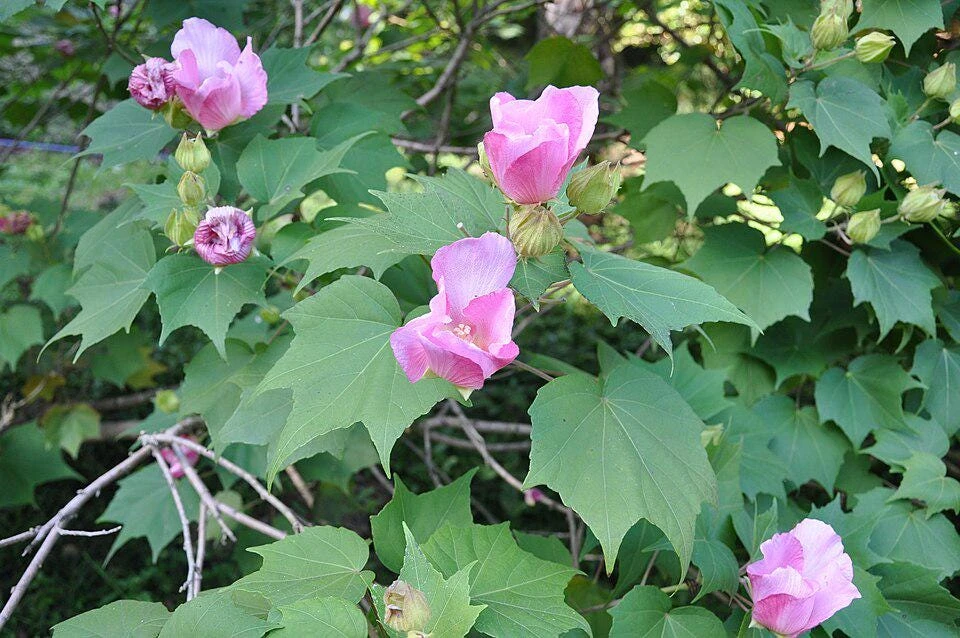
Confederate Rose Hibiscus Mutabilis Live Plant – 6-9 Inch Starter Shrub
Original price was: $95.99.$65.99Current price is: $65.99.
Bring home a beautiful Confederate Rose Hibiscus Mutabilis live starter plant, approximately 6-9 inches tall. This stunning deciduous shrub features large, bell-shaped flowers that open white or pink and progressively darken, creating a captivating display in your garden. Perfect for zones 7-9, it’s an excellent choice for adding unique color-changing blooms to your landscape.
Estimated arrival
Nov 07
Nov 12 - Nov 14
Nov 17 - Nov 21
Shop With Confidence
30-Day Plant Health Guarantee
Arrives damaged? We’ll replace it free — see our return policy.
Responsive Support
Email us anytime, we reply within 1 business day.
Expert Packaging
Temperature-controlled shipping to protect your plants in transit.
Secure Checkout
Pay safely with Visa, Mastercard, PayPal.
Plant Specifications
-
USDA Hardiness Zone
USDA Zones 7-9 -
Soil Type
Well-drained soil -
Sunlight Exposure
Full sun to light shade -
Expected Planting Period
Spring to early summer
Overview
Introduce a touch of Southern charm to your garden with the exquisite Confederate Rose Hibiscus Mutabilis. This remarkable live starter plant, typically measuring 6-9 inches, is a deciduous shrub known for its spectacular, color-changing blooms. Also commonly referred to as the Confederate Rose, this plant is a favorite among gardeners for its dynamic floral display and robust growth. The scientific name, Hibiscus mutabilis, perfectly captures its “mutable” or changing nature, referring to its flowers that transition from light to dark hues throughout the day.
The Confederate Rose Hibiscus Mutabilis is a fast-growing shrub or small tree that can reach impressive heights, making it a prominent feature in any landscape. Its large, showy flowers are a true spectacle, captivating observers with their unique color transformation. Whether you’re an experienced gardener or just starting, this plant offers a rewarding growing experience, bringing beauty and intrigue to your outdoor space.
Key Benefits
The Confederate Rose Hibiscus Mutabilis offers numerous advantages for garden enthusiasts, making it a highly desirable plant for various outdoor settings. Its unique characteristics contribute significantly to its appeal and overall value in a landscape.
- Spectacular Color-Changing Blooms: The most striking feature of the Confederate Rose Hibiscus Mutabilis is its bell-shaped flowers that undergo a remarkable color transformation. They typically open white or light pink in the morning and gradually deepen to a rich pink or even red by evening, creating a dynamic and ever-evolving display. This daily color change provides continuous visual interest throughout its blooming season.
- Long Blooming Season: This plant offers a prolonged period of bloom, typically from late summer through fall, when many other garden plants are fading. This extended floral show ensures your garden remains vibrant and colorful well into the cooler months, providing a late-season burst of beauty.
- Attracts Pollinators: The large, open flowers are highly attractive to various pollinators, including bees, butterflies, and hummingbirds. Planting a Confederate Rose Hibiscus Mutabilis helps support local ecosystems and enhances biodiversity in your garden, contributing to a healthier environment.
- Versatile Landscape Use: Growing as a large shrub or small tree, the Confederate Rose can be used in multiple ways in the landscape. It makes an excellent specimen plant, a striking backdrop in a mixed border, or can be grown as an informal hedge. Its substantial size and beautiful blooms allow it to serve as a focal point.
- Relatively Low Maintenance: Once established, the Confederate Rose is quite resilient and generally easy to care for. It tolerates a range of soil conditions and is relatively drought-tolerant, making it suitable for gardeners seeking a high-impact plant without excessive demands. The deciduous shrub nature also means less winter care in colder zones.
- Rapid Growth Rate: Known for its vigorous growth, the Hibiscus Mutabilis live plant quickly establishes itself and begins to produce its magnificent blooms. This rapid growth means you won’t have to wait long to enjoy the full beauty and impact of this stunning plant in your garden.
- Adaptable to Various Climates: Thriving in USDA Zones 7-9, the Confederate Rose is adaptable to a wide range of climates. It can withstand moderate cold and heat, making it a reliable choice for many regions across the United States. Understanding Confederate Rose plant care is key to its success.
Plant Care & Growing Tips
Caring for your Confederate Rose Hibiscus Mutabilis is straightforward, and with the right conditions, it will reward you with an abundance of stunning, color-changing flowers. This deciduous shrub is quite resilient once established, making it a great choice for various garden settings. Proper site selection and consistent care during its establishment phase are crucial for optimal growth and bloom production.
For optimal growth and flowering, the Confederate Rose thrives in full sun to light shade. Full sun exposure, meaning at least 6-8 hours of direct sunlight per day, will encourage the most prolific blooming and vibrant flower colors. In hotter climates, a location that receives some afternoon shade can help protect the plant from intense heat stress. The plant prefers well-drained soil. While it can tolerate a variety of soil types, including sandy or clayey soils, it performs best in a rich, loamy soil with a slightly acidic to neutral pH. Ensure the planting site has good drainage to prevent waterlogging, which can lead to root rot. When watering, keep the soil consistently moist, especially during dry spells and in its first growing season. Once established, the changing color hibiscus becomes more drought-tolerant but will benefit from regular watering during extended dry periods to support continuous blooming. Fertilize in spring with a balanced, slow-release granular fertilizer formulated for flowering shrubs, following the product’s instructions.
The Confederate Rose Hibiscus Mutabilis is hardy in USDA Zones 7-9. In Zone 7, it may die back to the ground in winter but will typically regrow vigorously from the roots in spring. In warmer zones (8-9), it often maintains a more shrubby or tree-like form throughout the year. Pruning is best done in late winter or early spring before new growth begins. Remove any dead, damaged, or crossing branches, and you can also shape the plant to control its size and encourage bushier growth. Pests and diseases are generally not a major issue for this resilient plant, but keep an eye out for common garden pests like aphids or spider mites, treating them with insecticidal soap if necessary. Ensuring proper air circulation can help prevent fungal diseases.
Size & Details
This offering is for a Confederate Rose Hibiscus Mutabilis live starter plant, approximately 6-9 inches in height. It arrives as a well-rooted plant, typically in a 2 1/2 x 3 1/2 inch pot, ready for transplanting into your garden or a larger container. As a deciduous shrub, its appearance upon arrival may vary depending on the season; it may be dormant, soon dormant, or leafless, especially during cooler months. If leaves are present, they may exhibit green or yellow hues, indicating its natural seasonal cycle.
The deciduous shrub is propagated from seed and is known for its vigorous growth rate. When mature, it can grow into a substantial shrub or small tree, reaching heights of up to 15 feet tall and a similar spread, depending on growing conditions and pruning. Expect your plant to begin producing its showy, color-changing flowers from late summer through fall once it has established itself, usually within the first one to two growing seasons. This starter plant provides a fantastic foundation for cultivating a magnificent Confederate Rose in your landscape.
Frequently Asked Questions
- Q: How big does this plant get? A: The Confederate Rose Hibiscus Mutabilis is a vigorous grower that can reach heights of up to 15 feet tall and a similar spread when mature, especially in ideal growing conditions and warmer climates. Its final size can be managed with proper pruning.
- Q: What size pot does it come in? A: This Hibiscus Mutabilis live plant is shipped as a well-rooted starter plant, typically in a 2 1/2 x 3 1/2 inch nursery pot. It will be ready for transplanting into a larger container or directly into your garden upon arrival.
- Q: Is this an indoor or outdoor plant? A: The Confederate Rose is primarily an outdoor plant, suited for garden landscapes. It thrives in USDA Zones 7-9. While it can be grown in a large container and brought indoors in colder zones, it generally performs best outdoors where it can achieve its full size and bloom potential.
- Q: How much sunlight does it need? A: For the best flowering and growth, the Confederate Rose Hibiscus Mutabilis requires full sun to light shade. This means at least 6-8 hours of direct sunlight daily is ideal. In very hot climates, some afternoon shade can be beneficial.
- Q: Is this plant easy to care for? A: Yes, the Confederate Rose is considered relatively easy to care for, especially once established. It’s quite resilient and tolerant of various conditions, making Confederate Rose plant care manageable for most gardeners. Regular watering during dry spells and annual pruning are its main requirements.
- Q: What condition will it arrive in? A: Your starter plant will arrive as a well-rooted specimen. As it is a deciduous shrub, its appearance will vary by season; it may be dormant, leafless, or have green/yellow foliage upon arrival, which is normal for this type of plant as it prepares for or emerges from dormancy.
- Q: How long until it blooms? A: A starter plant of the changing color hibiscus typically begins to bloom in its first or second growing season after planting. Blooms usually appear from late summer through fall, providing a beautiful display as other garden plants fade.
- Q: Will it survive winter in my zone? A: The Confederate Rose is hardy in USDA Zones 7-9. In Zone 7, it often dies back to the ground during winter but reliably regrows from the roots in spring. In Zones 8 and 9, it is more likely to maintain its woody structure throughout the winter.
- Q: What type of soil does it prefer? A: This plant thrives in well-drained soil. While adaptable, it prefers a rich, loamy soil with a slightly acidic to neutral pH. Good drainage is crucial to prevent root issues.
- Q: Is it shipped with soil? A: Yes, the deciduous shrub starter plant is shipped in its nursery pot with soil around its roots, ensuring it remains healthy and hydrated during transit and is ready for planting upon arrival.
Be the first to review “Confederate Rose Hibiscus Mutabilis Live Plant – 6-9 Inch Starter Shrub”
People Also Viewed









Reviews
There are no reviews yet.