



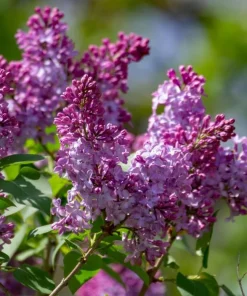
Common Lilac Shrubs – 2 Live Plants, 10-16″ Tall, Purple Flowering, Outdoor
Original price was: $79.98.$43.99Current price is: $43.99.
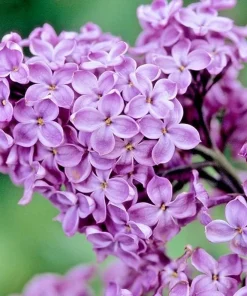
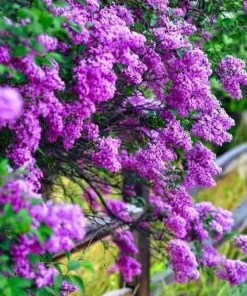
Bring classic fragrance to your garden with this set of common lilac live plant shrubs. Each 10-16 inch tall plant produces abundant, sweet-smelling purple flowers, ideal for creating stunning hedges or as a beautiful focal point in your outdoor space. Enjoy the captivating beauty and aroma of these hardy, long-lived fragrant lilac shrubs.
Estimated arrival
Oct 14
Oct 19 - Oct 21
Oct 24 - Oct 28
Shop With Confidence
30-Day Plant Health Guarantee
Arrives damaged? We’ll replace it free — see our return policy.
Responsive Support
Email us anytime, we reply within 1 business day.
Expert Packaging
Temperature-controlled shipping to protect your plants in transit.
Secure Checkout
Pay safely with Visa, Mastercard, PayPal.
Plant Specifications
-
USDA Hardiness Zone
USDA Zones 3-7 -
Soil Type
Well-draining, fertile soil (neutral to slightly alkaline pH) -
Sunlight Exposure
Full sun (at least 6 hours direct sun daily) -
Expected Planting Period
Early spring or early fall
Overview
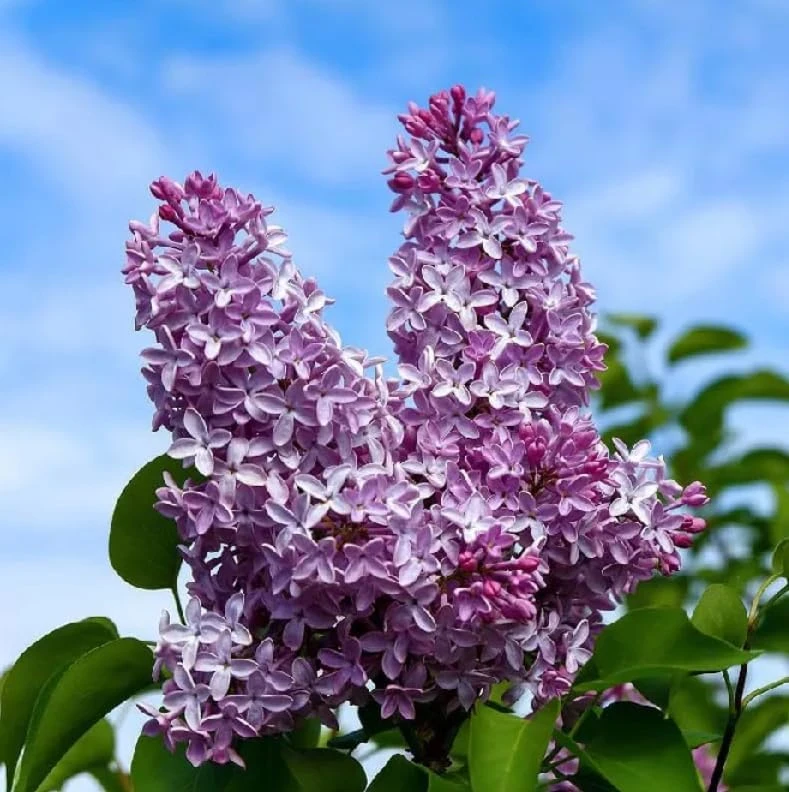
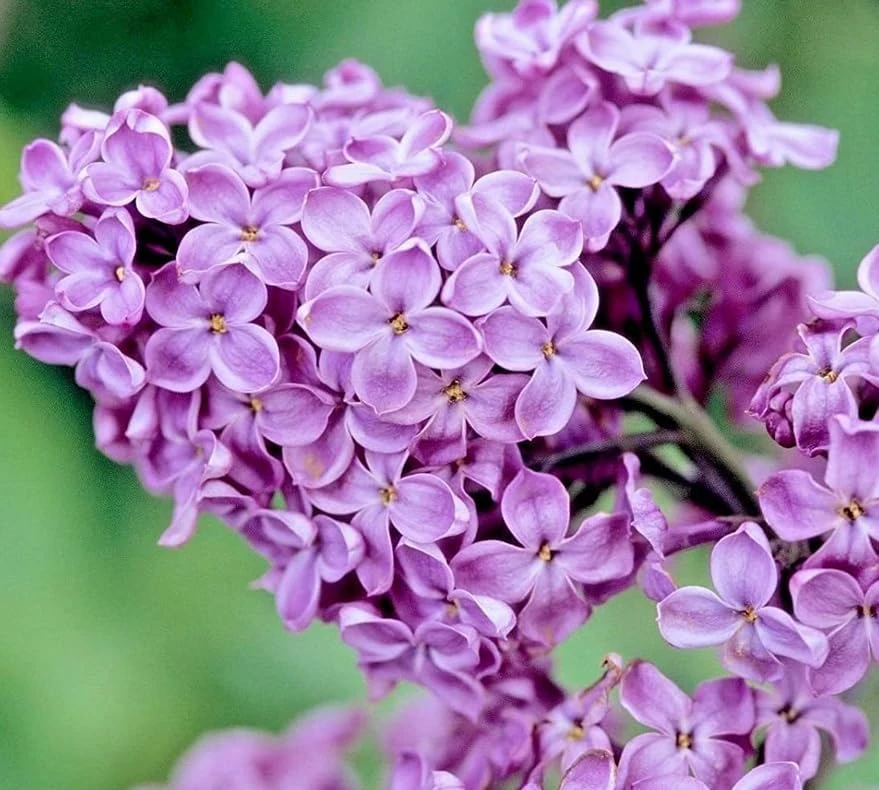
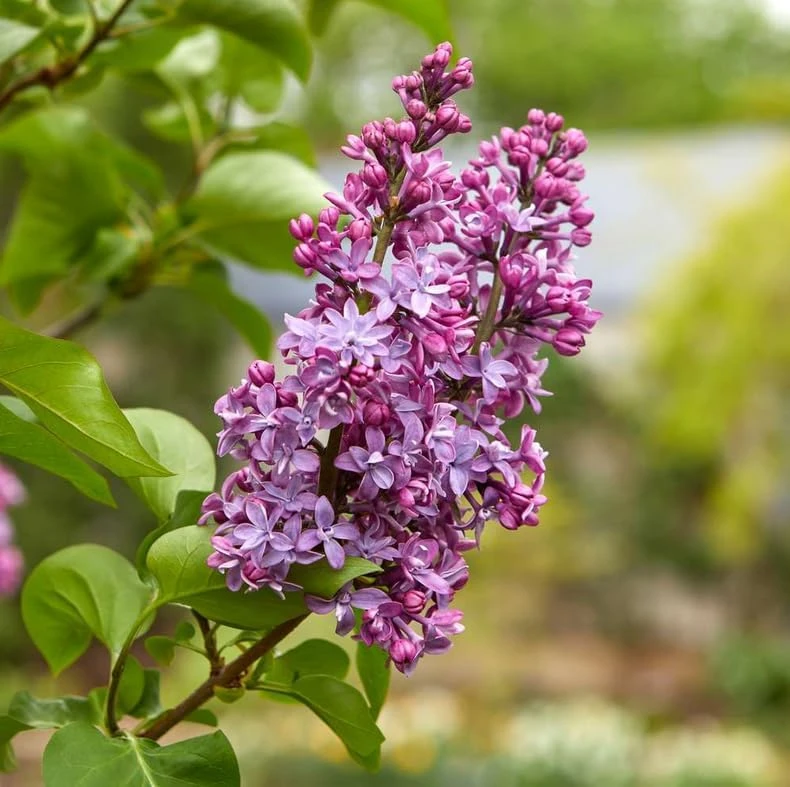
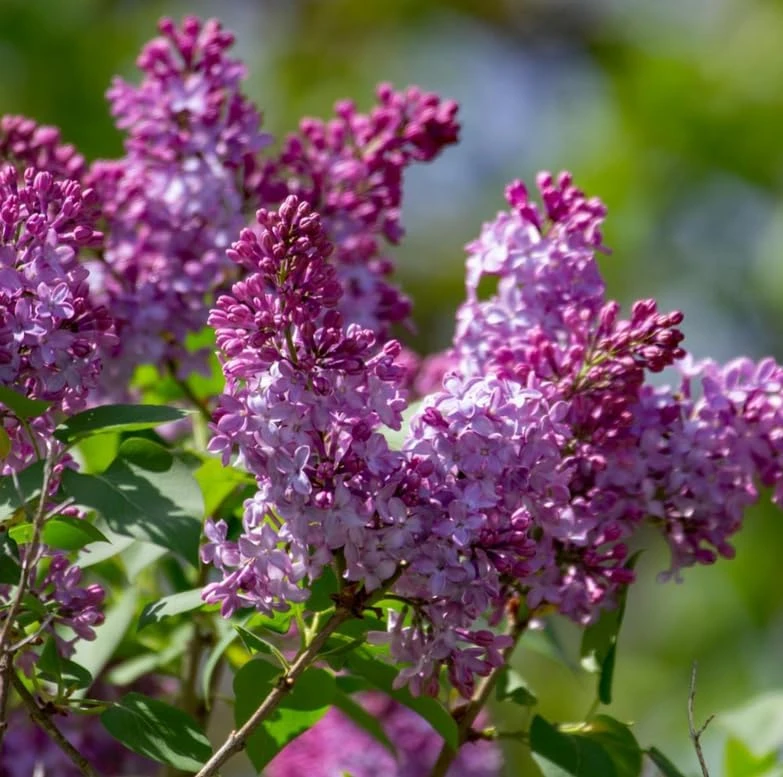
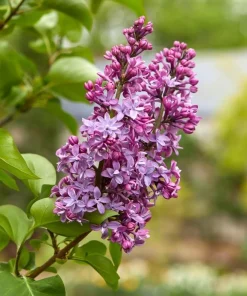
Transform your garden into a fragrant paradise with our exquisite common lilac live plant offering. This set includes two vibrant common lilac shrubs, each standing approximately 10 to 16 inches tall and ready to thrive in your landscape. Known botanically as Syringa vulgaris, the common lilac is an iconic flowering shrub, cherished for centuries for its breathtaking beauty and intoxicating perfume. These robust plants promise to deliver a spectacular springtime display, covering themselves in hundreds of cone-shaped clusters of gorgeous lavender-purple flowers. Imagine your entire yard filled with the sweet, powerful scent that evokes nostalgic memories and creates new ones for generations to come. The common lilac is not just a plant; it’s a living legacy, offering unparalleled charm and an unforgettable sensory experience.
Our common lilac live plant shrubs are carefully selected to ensure vigorous growth and abundant blooms. They are ideal for gardeners seeking to establish a timeless, low-maintenance, and highly rewarding addition to their outdoor spaces. Whether you’re aiming for a classic garden aesthetic or simply wish to enjoy the unparalleled fragrance of spring, these lilacs are an excellent choice. Their adaptability and legendary longevity make them a valuable investment, promising decades of consistent beauty and aroma.
Key Benefits
Investing in common lilac live plant shrubs offers a multitude of benefits that enhance both your garden’s aesthetic and your personal well-being. These plants are renowned for their hardiness and ability to transform any landscape into a vibrant, fragrant sanctuary.
- Legendary Intoxicating Fragrance: Produces hundreds of cone-shaped flower clusters with one of the most heavenly and powerful perfumes in all of gardening. The sweet scent will fill your entire yard and home, evoking nostalgic memories and pure springtime bliss.
- Spectacular Lavender-Purple Flower Show: Explodes into a breathtaking display of abundant blooms each May, transforming the entire shrub into a cloud of gorgeous lavender-purple. This creates an iconic spring spectacle and provides armloads of fragrant cut flowers perfect for indoor arrangements.
- Heirloom Beauty with Legendary Longevity: Plant a living legacy with these shrubs, which can bloom faithfully for 50-100+ years. They often outlive generations while requiring minimal care, making them the ultimate investment in timeless garden beauty and family memories. This truly highlights their value as a syringa vulgaris plant.
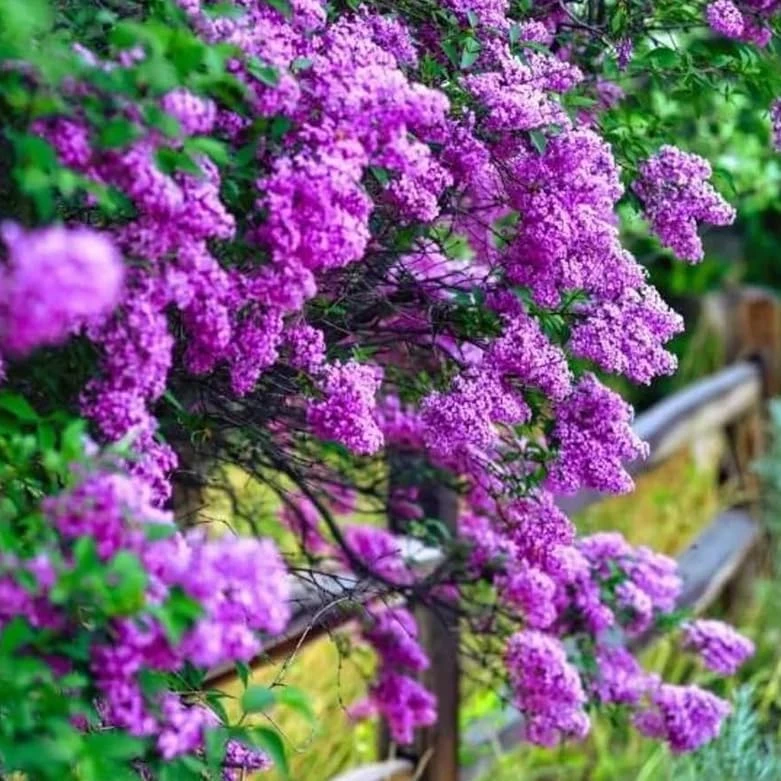
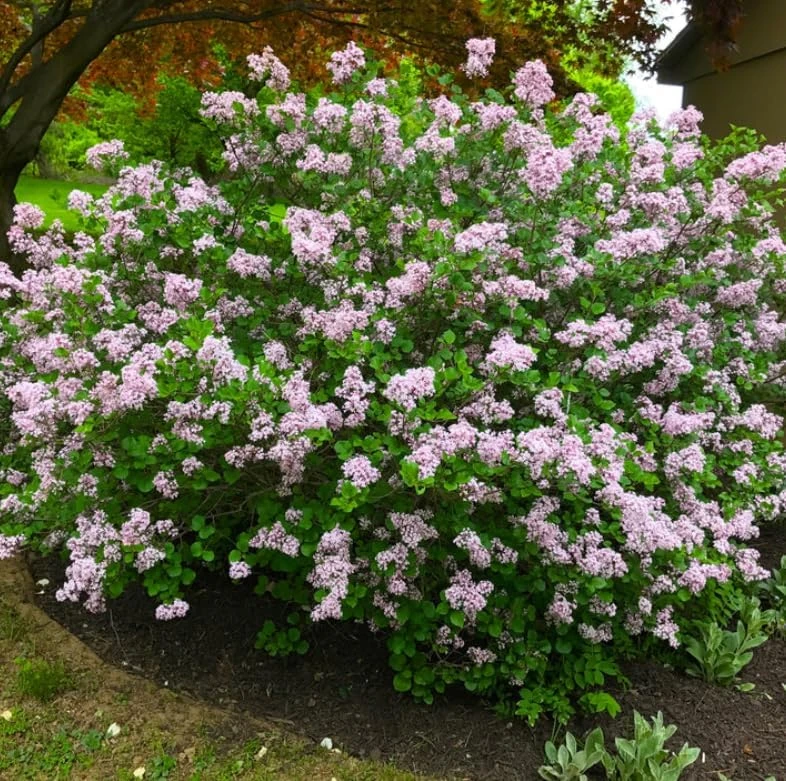
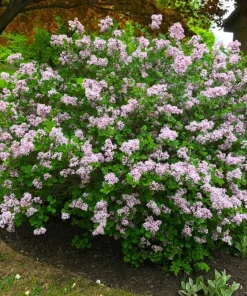
- Versatile Landscape Workhorse: Grows into a full, dense 8-15 foot shrub, perfect for privacy screening, creating effective hedging, serving as a foundation planting, or standing alone as a stunning specimen. These plants provide lush green foliage all season after the spectacular spring display ends.
- Attracts Pollinators: The abundant, nectar-rich flowers are a magnet for bees, butterflies, and other beneficial pollinators, contributing to the health and biodiversity of your garden ecosystem.
- Low Maintenance & Cold Hardy: Once established, lilac bush care is relatively easy. These shrubs are incredibly cold-hardy and adaptable, requiring minimal attention to thrive and continue blooming year after year, even in colder climates.
- Creates a Sense of Place: The classic beauty and scent of the common lilac create a charming, old-fashioned garden feel, adding character and a welcoming atmosphere to your home environment.
Plant Care & Growing Tips
Caring for your common lilac live plant is straightforward, ensuring years of beautiful blooms and captivating fragrance. Lilacs are known for their resilience and adaptability, making them suitable for both novice and experienced gardeners. Proper placement and basic care will allow your syringa vulgaris plant to flourish and become a cherished part of your landscape.
Sunlight Requirements: Lilacs thrive in full sun, meaning they need at least 6 hours of direct sunlight per day to produce the most abundant blooms. While they can tolerate partial shade, flowering will be significantly reduced. Choose a location in your garden that receives ample morning sun and some afternoon sun for optimal growth.
Watering Schedule: During their first year, young lilac shrubs require consistent watering to establish a strong root system. Water deeply 2-3 times a week, especially during dry spells, ensuring the soil remains moist but not waterlogged. Once established, lilacs are relatively drought-tolerant, but they will benefit from occasional deep watering during prolonged dry periods, particularly when they are flowering. Overwatering can lead to root rot, so ensure good drainage.
Soil Type and Drainage: Lilacs prefer well-draining, fertile soil with a neutral to slightly alkaline pH (6.5-7.0). They can tolerate a range of soil types, including sandy or clay soils, as long as drainage is adequate. Amending heavy clay soils with organic matter like compost or peat moss can improve drainage and aeration. For optimal growth, avoid planting in consistently wet areas.
Temperature Range and USDA Hardiness Zone: These shrubs are incredibly cold-hardy, typically thriving in USDA Zones 3-7. They require a period of cold dormancy to set flower buds properly. They can tolerate a wide range of temperatures, from freezing winters to hot summers. Ensure your climate meets these requirements for the best performance of your fragrant lilac shrubs.
Fertilization Schedule: Lilacs are not heavy feeders. A light application of a balanced, slow-release granular fertilizer in early spring, just as new growth begins, is usually sufficient. Avoid over-fertilizing, especially with high-nitrogen fertilizers, as this can promote leafy growth at the expense of flowers. For established plants, a layer of compost around the base each spring can provide all the necessary nutrients.
Pruning: The best time to prune lilacs is immediately after they finish flowering in late spring or early summer. This allows the plant to set new flower buds for the following year. Remove spent flower clusters to encourage more vigorous growth. For older, overgrown plants, a rejuvenation pruning can be done by cutting back one-third of the oldest, thickest stems to the ground over a three-year period. This will invigorate the plant and improve flowering. Regular deadheading and removal of suckers will also contribute to healthy growth and a tidy appearance, which is part of effective lilac bush care.
Common Problems: Lilacs are generally robust but can occasionally suffer from powdery mildew, especially in humid conditions or areas with poor air circulation. Ensure good air flow by proper spacing and pruning. Other pests are rare but can include scale insects or borers. Maintaining good plant health through proper care is the best defense against pests and diseases.
Size & Details
This offering includes two robust common lilac live plant shrubs, each measuring approximately 10 to 16 inches tall from the top of the soil. They are shipped in quart pots, providing a healthy root ball ready for transplanting into your garden. These young plants are at an ideal stage for establishing quickly and developing into magnificent specimens. The common lilac is a moderate to fast grower, typically adding 1 to 2 feet in height per year under optimal conditions. When mature, a syringa vulgaris plant can reach an impressive height of 8 to 15 feet with a similar spread, forming a dense, rounded shrub. Expect your lilac shrubs to begin flowering within 1-3 years after planting, with blooms becoming more abundant as the plant matures. The glorious lavender-purple flowers appear reliably each May, offering a consistent and beautiful spring display for decades. Their impressive size and vigor make them an excellent choice for a substantial garden feature or hedge.
Frequently Asked Questions
- Q: How big do these common lilac live plants get? A: These common lilac live plant shrubs are currently 10-16 inches tall. At maturity, they typically grow to be 8-15 feet tall and wide, forming a dense and beautiful shrub.
- Q: What size pot do these lilacs come in? A: Each common lilac shrub is shipped in a quart-sized pot, ensuring a healthy and established root system for successful transplanting into your garden.
- Q: Is this an indoor or outdoor plant? A: The common lilac live plant is an outdoor shrub. It requires cold dormancy to bloom and thrives in garden settings where it can receive full sun.
- Q: How much sunlight does a lilac bush need? A: For the best flowering performance, lilac bushes need at least 6 hours of direct sunlight per day. Full sun exposure is crucial for abundant blooms.
- Q: Is this plant easy to care for? A: Yes, lilac bush care is considered relatively easy. Once established, they are low-maintenance, drought-tolerant, and very cold-hardy, making them suitable for gardeners of all experience levels.
- Q: What condition will the lilac plants arrive in? A: Your lilac plants will arrive as healthy, live shrubs, approximately 10-16 inches tall, securely packaged in quart pots with their root systems intact and ready for planting.
- Q: When is the best time to plant these fragrant lilac shrubs? A: The best time to plant these fragrant lilac shrubs is in early spring or early fall. This allows the plants to establish their roots before the extremes of summer heat or winter cold.
- Q: Will this syringa vulgaris plant survive winter in my zone? A: Yes, Syringa vulgaris, the common lilac, is incredibly cold-hardy and thrives in USDA Zones 3-7. It requires a cold winter dormancy period to produce flowers.
- Q: How long until these lilac shrubs bloom? A: You can typically expect your common lilac live plant shrubs to start producing blooms within 1-3 years after planting, with flowering becoming more prolific as the plants mature.
- Q: Can I use the flowers from the purple flowering lilac for cutting? A: Absolutely! The abundant, fragrant blooms of the purple flowering lilac are perfect for cutting and bringing indoors. A single bouquet can perfume an entire room for days.
Be the first to review “Common Lilac Shrubs – 2 Live Plants, 10-16″ Tall, Purple Flowering, Outdoor”
People Also Viewed


Reviews
There are no reviews yet.