
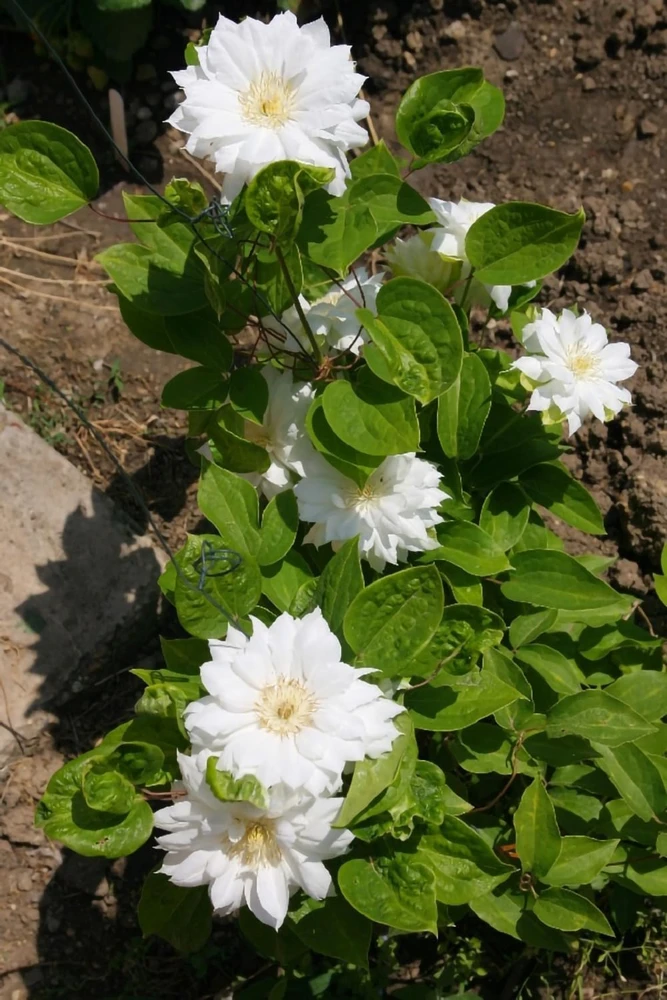
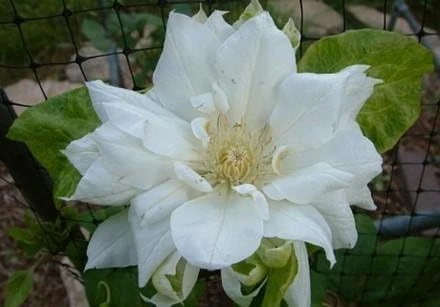
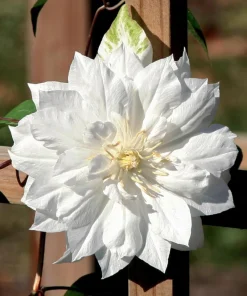
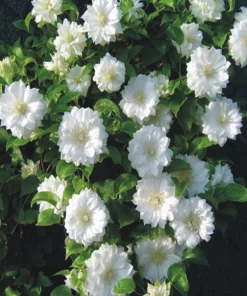
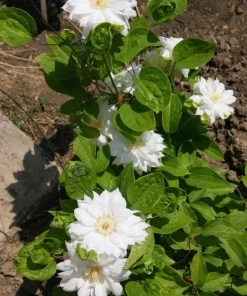
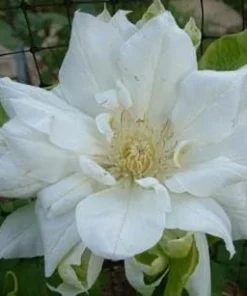
Clematis Duchess of Edinburgh Live Plant – Double White Flowers, 2.5″ Pot, Outdoor
Original price was: $52.99.$42.99Current price is: $42.99.
Enhance your garden with the exquisite Clematis Duchess of Edinburgh, a live plant known for its spectacular double white blooms. Perfect for trellises, arbors, and creating a stunning vertical display, this double white clematis thrives outdoors in full sun.
Estimated arrival
Sep 29
Oct 04 - Oct 06
Oct 09 - Oct 13
Shop With Confidence
30-Day Plant Health Guarantee
Arrives damaged? We’ll replace it free — see our return policy.
Responsive Support
Email us anytime, we reply within 1 business day.
Expert Packaging
Temperature-controlled shipping to protect your plants in transit.
Secure Checkout
Pay safely with Visa, Mastercard, PayPal.
Plant Specifications
-
USDA Hardiness Zone
4-8 -
Soil Type
Well-draining, rich soil -
Sunlight Exposure
Full sun (with shaded roots) -
Expected Planting Period
Spring to early summer
Overview
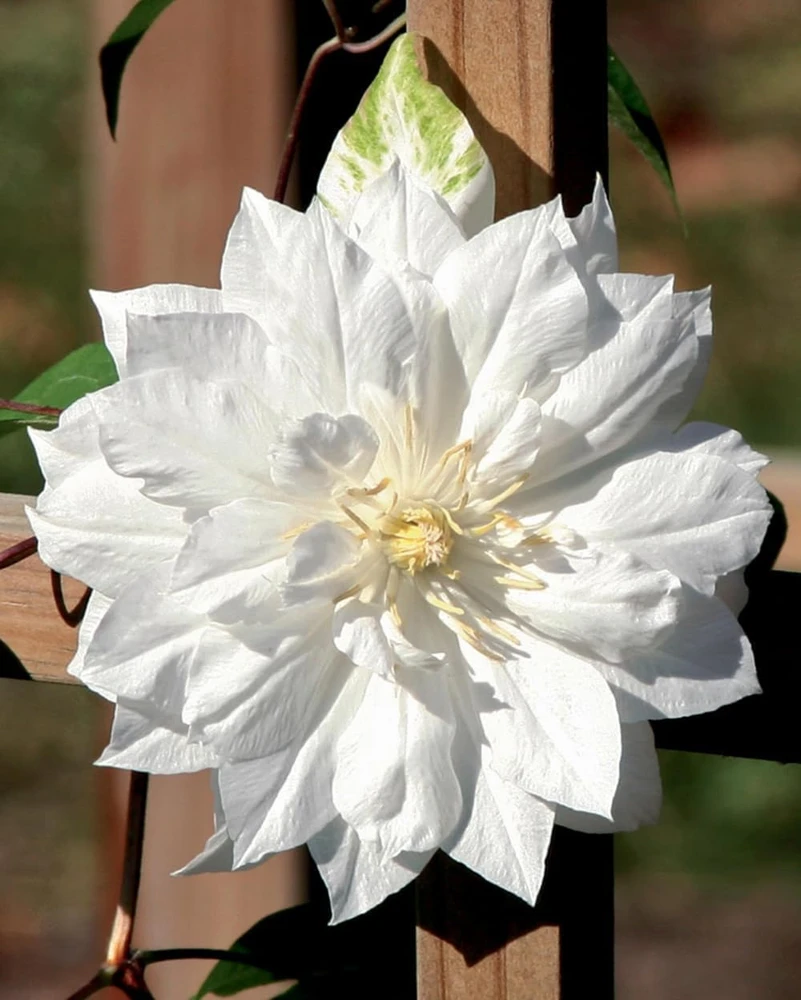
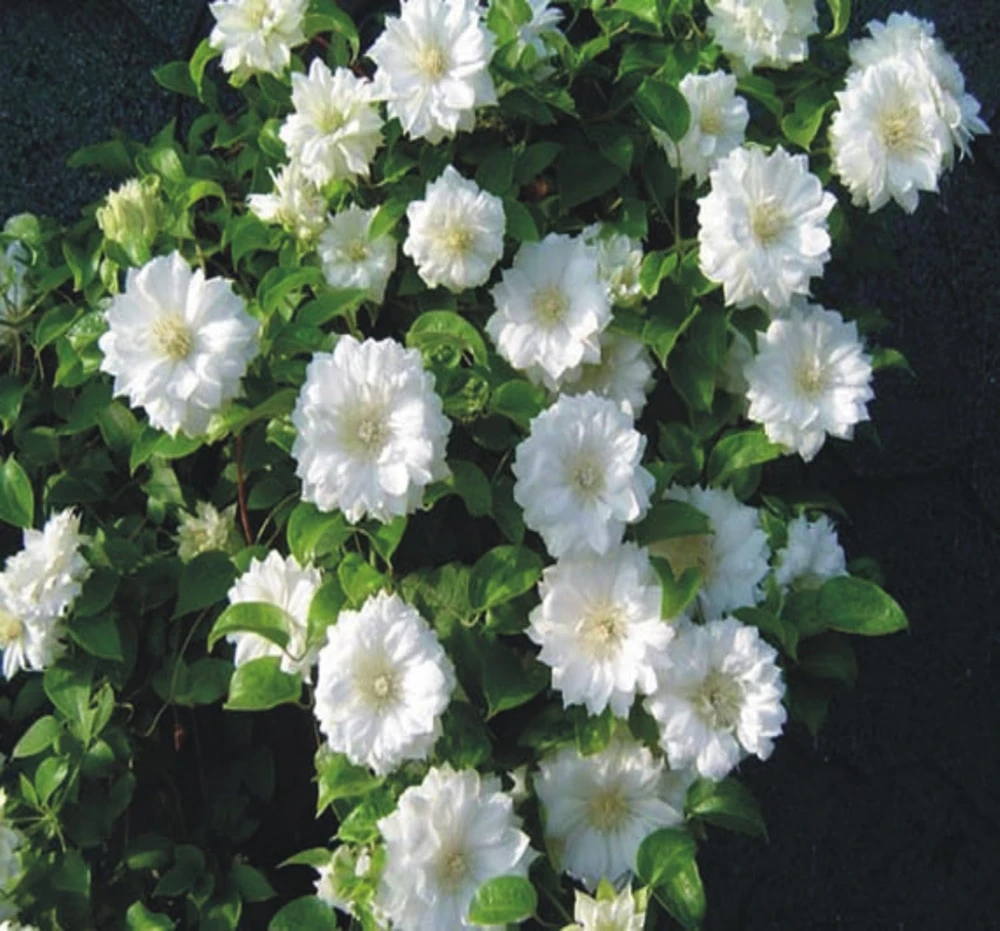
Bring regal beauty to your garden with the magnificent Clematis Duchess of Edinburgh live plant. Often referred to as the “Queen of Vines,” this particular variety stands out with its breathtaking double white flowers, creating a spectacular show from early summer through fall. This vigorous climbing plant is perfect for adorning mailboxes, trellises, pergolas, and fences, transforming any structure into a lush canvas of blooms. Each flower is a striking display, featuring creamy white petals that unfurl in a captivating double formation, often accented with subtle green outer petals. As a robust and hardy vine, the Clematis Duchess of Edinburgh is a classic choice for gardeners seeking an elegant and easy-to-grow climbing plant that delivers consistent, show-stopping blossoms year after year. Its ability to thrive in various outdoor settings makes it a versatile addition to almost any landscape design, offering a touch of sophisticated charm.
This clematis Duchess of Edinburgh is a popular cultivar within the large-flowered hybrid group, renowned for its impressive blossom size, often reaching up to 6 inches across. Its lush foliage and abundant flowering habit ensure a dramatic visual impact, making it a focal point in any garden. Whether you’re an experienced gardener or just starting, the beauty and relative ease of care for this climbing clematis make it an excellent choice. It’s a true garden jewel that promises to elevate the aesthetic appeal of your outdoor spaces with its abundant, pristine white blooms. The plant is shipped in a 2.5-inch pot, ready for planting and establishment in your garden.
Key Benefits
The Clematis Duchess of Edinburgh offers numerous advantages for any garden, combining stunning aesthetics with practical growth habits. Its robust nature and beautiful blooms make it a favored choice among gardening enthusiasts.
- Spectacular Double White Blooms: Enjoy an abundance of large, showy, double white flowers, often up to 6 inches in diameter, creating a dramatic and elegant display throughout the blooming season. These unique blooms are a true highlight.
- Versatile Vertical Accent: As a vigorous climbing clematis, it’s ideal for training on trellises, arbors, fences, or lamp posts, adding vertical interest and maximizing garden space with its beautiful foliage and flowers.
- Extended Bloom Period: This variety typically blooms in abundance from June through September, providing a long season of continuous beauty and interest in your garden.
- Hardy and Resilient: Known for its hardiness in USDA Zones 4-8, the Clematis Duchess of Edinburgh is a robust plant that can withstand various climatic conditions, making it a reliable choice for many regions.
- Easy to Grow: Despite its sophisticated appearance, this clematis plant care is relatively straightforward, making it suitable for both experienced gardeners and those new to growing climbing vines.
- Attracts Pollinators: The vibrant blooms can help attract beneficial pollinators like bees and butterflies to your garden, contributing to a healthy ecosystem.
- Low Maintenance: Once established, this queen of vines requires minimal ongoing attention beyond regular watering and occasional pruning, allowing you more time to enjoy its beauty.
Plant Care & Growing Tips
Proper clematis plant care ensures a healthy and vibrant display of the Clematis Duchess of Edinburgh. This hardy vine thrives with specific conditions that mimic its natural habitat, leading to abundant flowering and strong growth. For optimal results, plant your Clematis in a location that receives full sun, meaning at least 6 hours of direct sunlight per day. While the flowers and foliage enjoy the sun, it’s crucial to keep the roots cool and shaded. This can be achieved by planting low-growing perennials or mulching generously around the base of the plant. A well-drained soil is essential to prevent root rot; amend heavy clay soils with organic matter like compost to improve drainage and aeration. Regular watering is important, especially during dry periods and the plant’s establishment phase, ensuring the soil remains consistently moist but never waterlogged.
The Clematis Duchess of Edinburgh is hardy in USDA Zones 4-8. In colder zones, ensure adequate winter protection with a thick layer of mulch. Fertilize in early spring with a balanced, slow-release fertilizer formulated for flowering plants. Pruning is key for this Group 2 clematis (early to mid-season bloomers). Light pruning in late winter or early spring involves removing dead or weak stems and shaping the plant. After the first flush of flowers, a light prune can encourage a second, albeit smaller, wave of blooms. Watch for common pests like aphids or powdery mildew and treat with appropriate organic or chemical solutions as needed. With consistent care, your double white clematis will become a cherished feature in your garden for many years, showcasing its impressive resilience and beauty.
Size & Details
The Clematis Duchess of Edinburgh is provided as a live plant, carefully nurtured and shipped in a 2.5-inch pot, ensuring it arrives healthy and ready for planting in your garden. This size allows for easy transplanting and quicker establishment compared to bare-root options. Upon maturity, this vigorous climbing clematis typically reaches a height of 10-12 feet, making it an excellent choice for covering trellises, arbors, or fences. Its growth rate is moderate to fast, allowing it to quickly establish itself and begin producing its stunning double white blooms. The large, showy flowers measure approximately 5-6 inches across, contributing significantly to its dramatic visual impact. Expect abundant flowering from June through September, with peak blooms in early summer and a lighter flush later in the season. The plant’s hardy nature in USDA Zones 4-8 means it’s well-suited for a wide range of climates, tolerating cold winters and warm summers. This beautiful queen of vines will become a prominent and elegant feature in your landscape, offering years of enjoyment.
Frequently Asked Questions
- Q: How big does the Clematis Duchess of Edinburgh get? A: This Clematis Duchess of Edinburgh variety is a vigorous climber, typically reaching a mature height of 10-12 feet. It’s ideal for providing vertical interest on trellises, arbors, or other support structures.
- Q: What size pot does it come in? A: The Clematis Duchess of Edinburgh live plant is shipped in a 2.5-inch nursery pot, providing a healthy start for your garden. This size is perfect for transplanting directly into your chosen garden spot.
- Q: Is this an indoor or outdoor plant? A: The Clematis Duchess of Edinburgh is primarily an outdoor plant, thriving in garden settings where it can climb and receive ample sunlight. It is not suitable for long-term indoor cultivation.
- Q: How much sunlight does it need? A: This double white clematis prefers a location with full sun, meaning it needs at least 6 hours of direct sunlight daily for optimal growth and flowering. Ensure the roots are kept cool and shaded.
- Q: Is this plant easy to care for? A: Yes, the Clematis Duchess of Edinburgh is considered relatively easy to care for, especially for a climbing vine. It requires consistent watering, proper sun exposure, and annual pruning to maintain its health and bloom production.
- Q: What condition will it arrive in? A: Your Clematis Duchess of Edinburgh will arrive as a healthy, live plant in its 2.5-inch pot, carefully packaged to ensure it withstands transit and is ready for planting upon arrival.
- Q: When is the best time to plant this clematis? A: The best time to plant your climbing clematis is in spring or early fall, allowing the plant sufficient time to establish its root system before extreme weather conditions.
- Q: Will it survive winter in my zone? A: This clematis is hardy in USDA Zones 4-8. If you are within these zones, it should survive winter with appropriate care, such as mulching around the base in colder regions.
- Q: How long until it blooms? A: With proper care and establishment, your Clematis Duchess of Edinburgh can begin to produce its beautiful double white flowers in the first or second season after planting, typically blooming from June through September.
Be the first to review “Clematis Duchess of Edinburgh Live Plant – Double White Flowers, 2.5″ Pot, Outdoor”
People Also Viewed
Shrubs
Large Orange Jasmine in 10″ Pot, Murraya paniculata. No SHIP to CA, HI, Tx, Az, La, Pr, Guam, Vi, Al


Reviews
There are no reviews yet.