
Chickasaw Plum Tree Live Plant – 10-16″ Tall – 4″ Pot – Native Fruit Bush
Original price was: $57.98.$42.99Current price is: $42.99.
Cultivate your own delicious and easy-to-grow chickasaw plum tree live plant. This native prunus angustifolia bush comes approximately 10-16 inches tall in a 4-inch pot, ready to thrive in your garden. Enjoy sweet, juicy fruit and stunning white spring blossoms, while attracting local wildlife.
Estimated arrival
Sep 20
Sep 25 - Sep 27
Sep 30 - Oct 04
Shop With Confidence
30-Day Plant Health Guarantee
Arrives damaged? We’ll replace it free — see our return policy.
Responsive Support
Email us anytime, we reply within 1 business day.
Expert Packaging
Temperature-controlled shipping to protect your plants in transit.
Secure Checkout
Pay safely with Visa, Mastercard, PayPal.
Plant Specifications
-
USDA Hardiness Zone
5-9 -
Soil Type
Well-draining soil, adaptable to various types -
Sunlight Exposure
Full sun -
Expected Planting Period
Early spring or fall
Overview
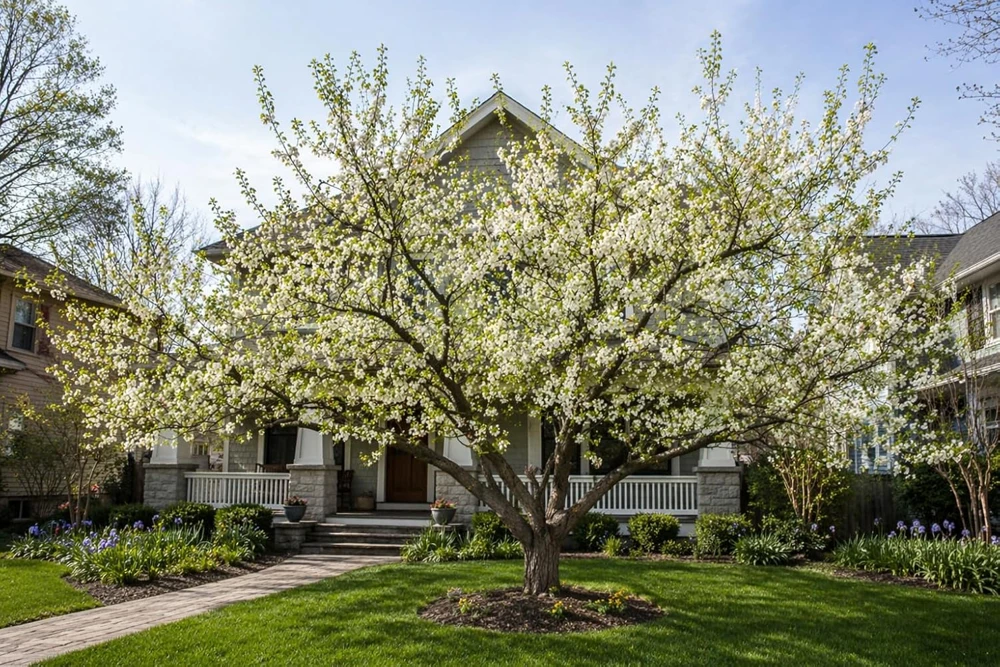
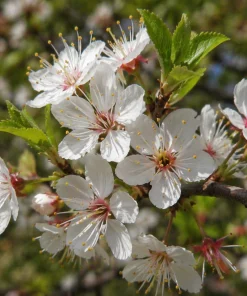
Introduce a touch of native beauty and abundant harvests to your landscape with the chickasaw plum tree live plant. Also known as Wild Plum (Prunus angustifolia), this resilient and charming native North American tree is celebrated for its dual appeal: a spectacular display of fragrant white blossoms in early spring and a generous bounty of sweet, juicy plums. Our chickasaw plum tree live plant arrives approximately 10 to 16 inches tall, carefully nurtured in a 4-inch pot, ready to establish itself in your garden. This fast-growing tree is an excellent choice for gardeners seeking a low-maintenance, fruit-bearing ornamental that also supports local ecosystems. Whether you’re looking to enjoy fresh fruit, make homemade jams and jellies, or simply enhance your yard’s aesthetic, the chickasaw plum tree live plant offers a rewarding experience.
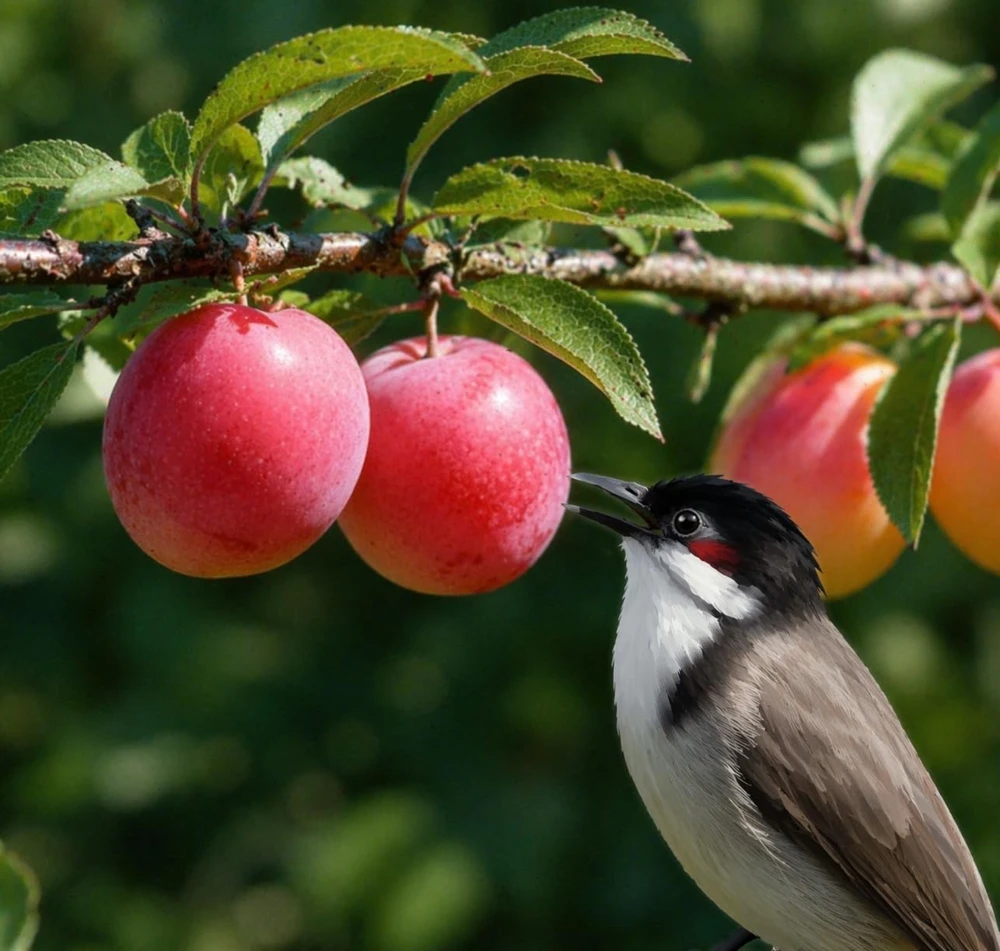
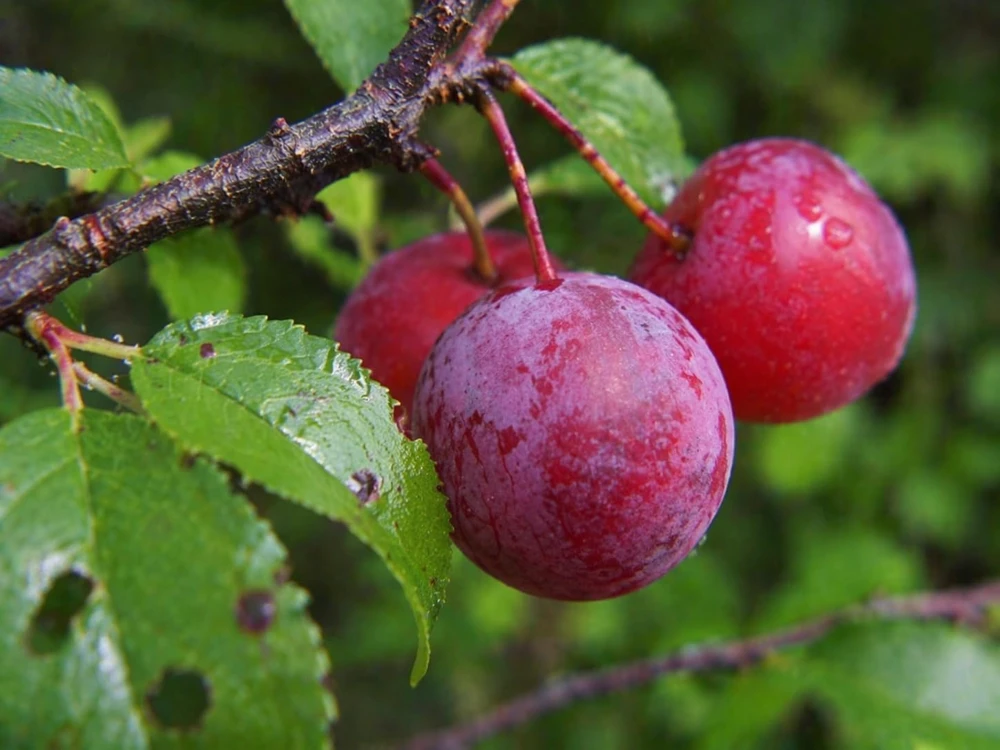
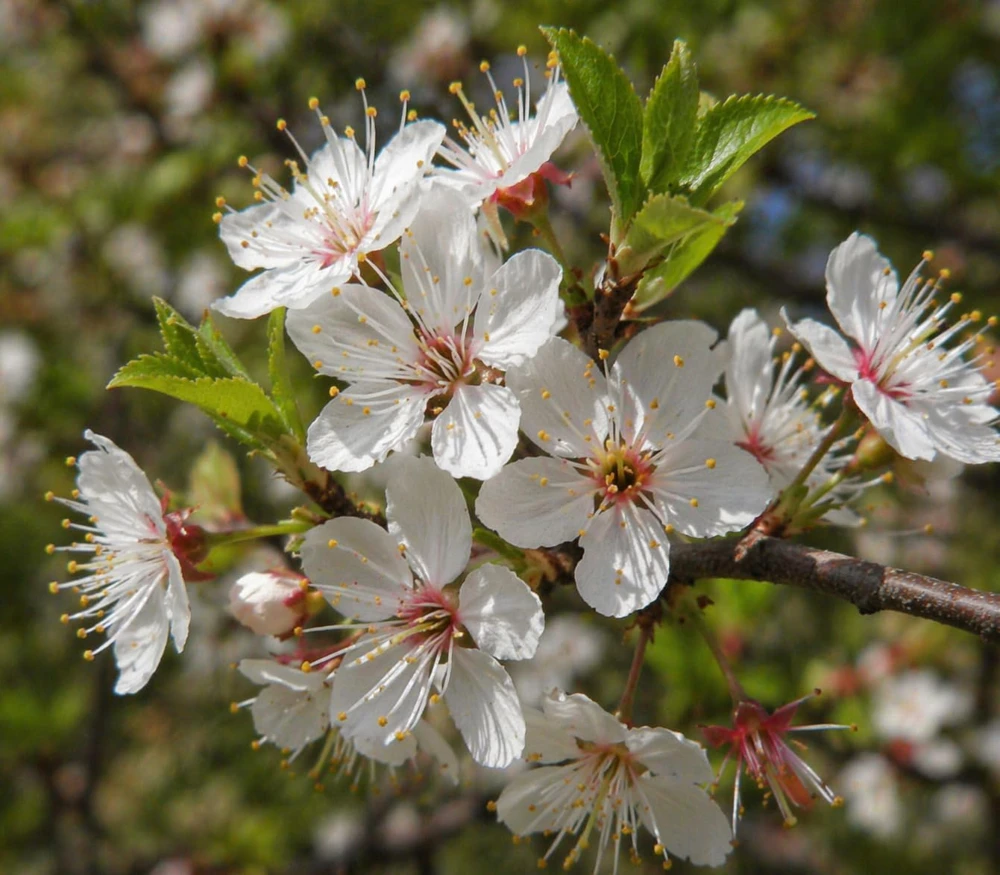
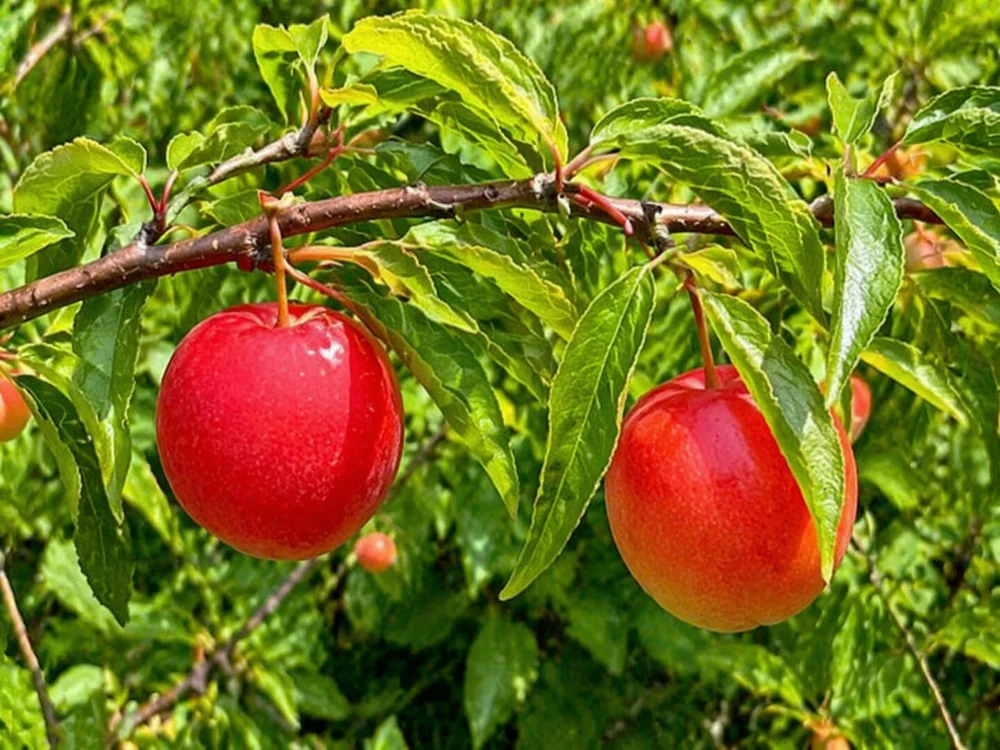
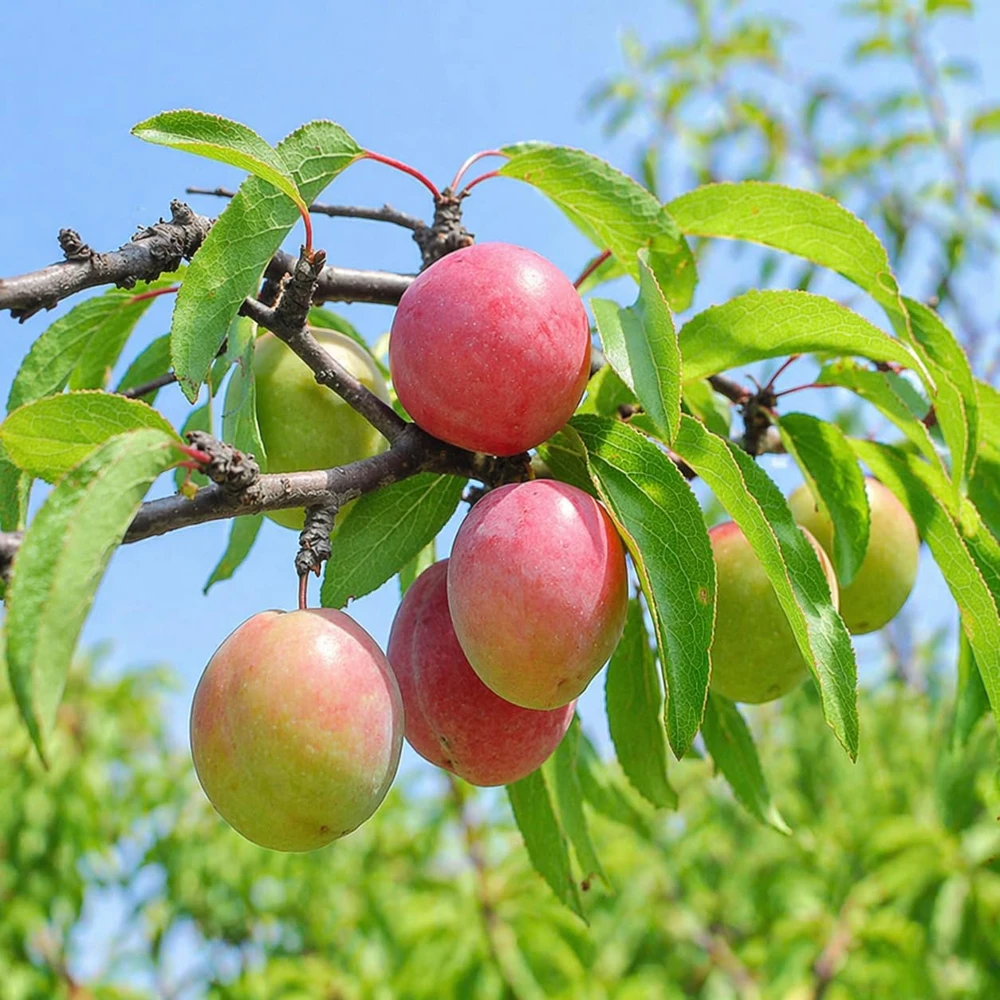
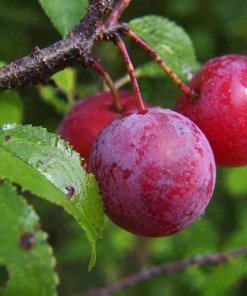
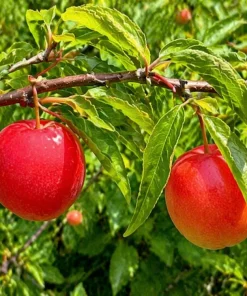
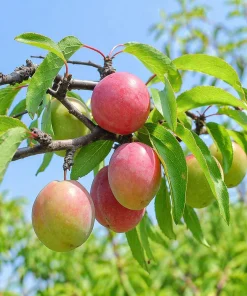
The native wild plum fruit produced by this tree is a true delight, ripening into small, round, red to yellow plums that are perfect for a variety of culinary uses or for attracting birds and other wildlife. Beyond its fruit, the Chickasaw Plum provides an early burst of floral beauty, blanketing its branches with white flowers before other trees even begin to leaf out. Its adaptability to a wide range of soil conditions and remarkable drought tolerance once established make it an ideal choice for many landscapes, particularly for those interested in sustainable and native gardening practices. This robust tree typically grows 12 to 15 feet tall, offering versatility as a specimen tree, a border planting, or a natural privacy hedge. Embrace the charm and practicality of this exceptional native wild plum fruit tree.
Key Benefits
The chickasaw plum tree live plant offers a multitude of benefits for any home garden, blending aesthetic appeal with practical advantages and ecological value. Its versatility and hardiness make it a standout choice for both novice and experienced gardeners.
- Abundant, Delicious Fruit Production: Enjoy a prolific harvest of small, sweet, and juicy red to yellow plums. These native wild plum fruit are perfect for fresh eating, making jams, jellies, and preserves, offering a delightful homegrown treat each season.
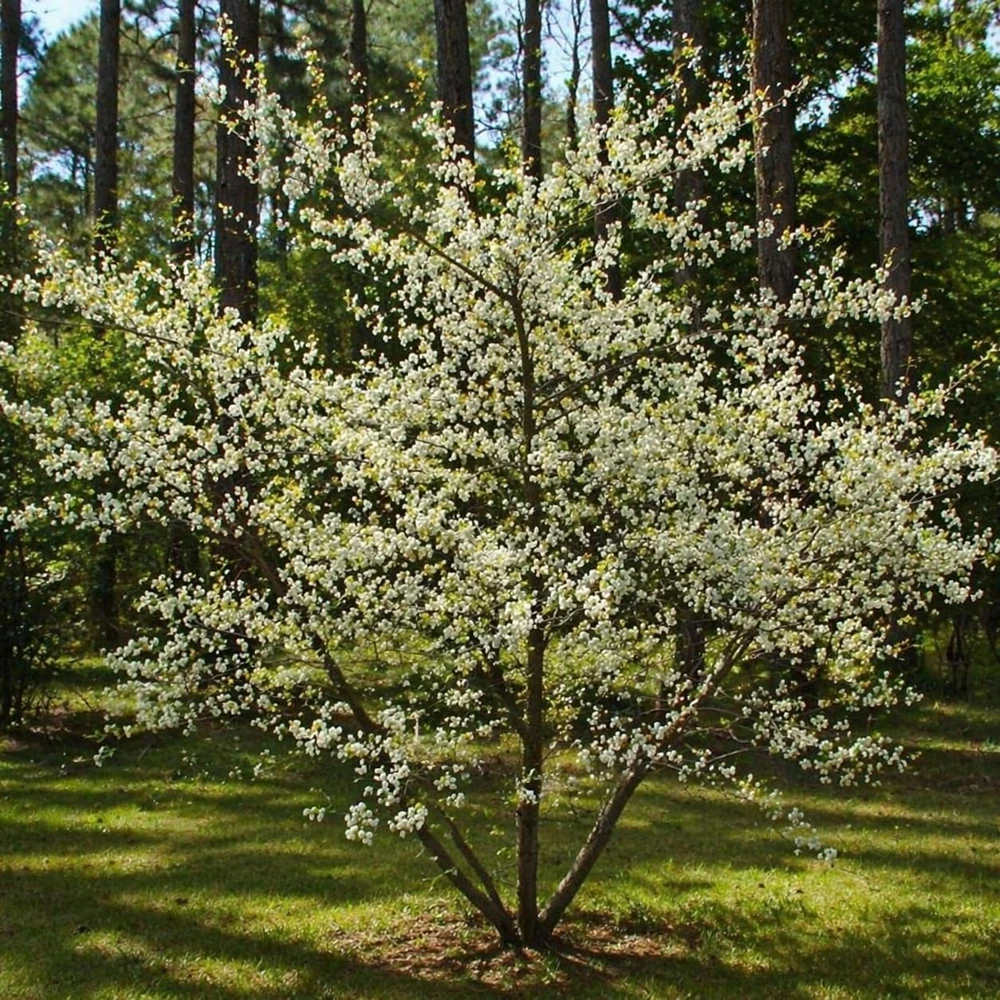
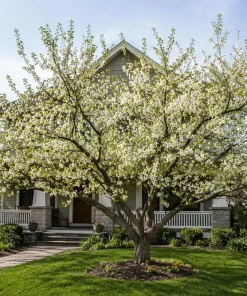
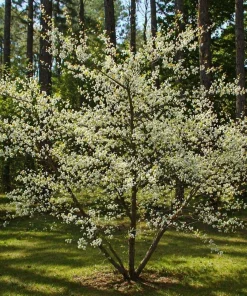
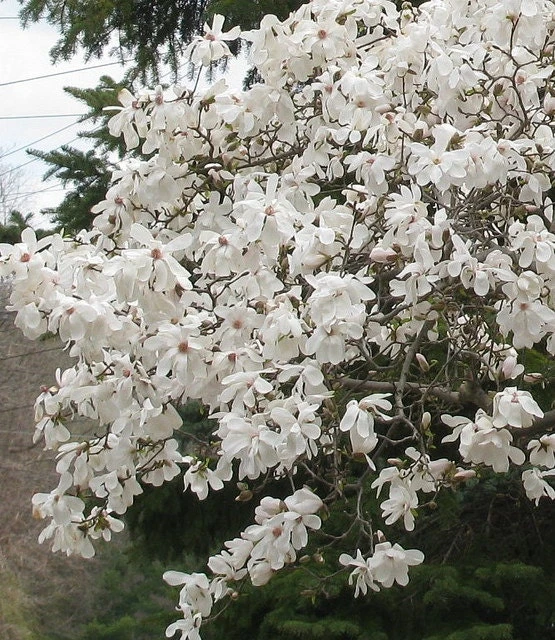
- Stunning Early Spring Blooms: Be among the first to witness the beauty of spring with masses of fragrant white flowers that cover the branches before leaves emerge. This spectacular floral display adds significant ornamental value to your landscape.
- Tough and Low-Maintenance: As a prunus angustifolia bush, this tree is incredibly resilient, thriving in USDA zones 5 through 9 and adapting to various soil types. Once established, it is remarkably drought tolerant, requiring minimal care and making it an excellent low-maintenance option.
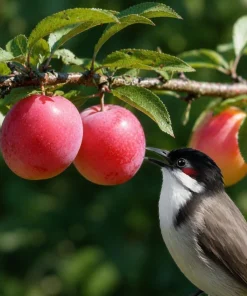
- Attracts Beneficial Wildlife: The sweet plums are a favorite food source for songbirds, deer, and other wildlife, encouraging biodiversity in your yard. This makes the chickasaw plum tree live plant an excellent choice for a wildlife friendly tree.
- Versatile Landscape Use: Grows quickly to an average height of 12 to 15 feet, making it suitable as a striking specimen tree, an effective property border, or a dense, natural privacy hedge. Its rapid growth provides quick results for landscape design.
- Native and Ecologically Sound: Choosing a native plant like the Chickasaw Plum supports local ecosystems and requires fewer resources to maintain, contributing to a more sustainable garden environment.
- Disease and Pest Resistant: Generally robust, this native plum variety tends to be more resistant to common diseases and pests compared to non-native counterparts, ensuring healthier growth and less intervention.
Plant Care & Growing Tips
Caring for your chickasaw plum tree live plant is relatively straightforward, thanks to its native hardiness and adaptability. To ensure optimal growth and fruit production, understanding its basic needs is key. This native wild plum fruit tree thrives in a variety of conditions, making it a robust addition to most landscapes. For best results, plant your chickasaw plum tree live plant in a location that receives full sun, meaning at least 6 hours of direct sunlight per day. While it can tolerate partial shade, fruit production will be significantly higher with more sun exposure. Good air circulation is also beneficial to prevent fungal issues.
When it comes to soil, the Chickasaw Plum is not particularly fussy. It prefers well-draining soil but can adapt to sandy, clay, or loamy conditions. Once established, this drought tolerant plum is remarkably resistant to dry spells, making it an excellent choice for water-wise gardening. During its establishment phase, typically the first year or two after planting, regular watering is crucial to help the root system develop. After that, supplemental watering is usually only needed during prolonged periods of extreme drought. Fertilization is generally not heavily required; a balanced, slow-release fertilizer in early spring can boost growth, especially in poor soils. Pruning should be done in late winter or early spring to remove dead or diseased branches, improve air circulation, and shape the tree for better fruit production. Monitor for common pests and diseases, though native plants like this prunus angustifolia bush often exhibit good natural resistance.
The chickasaw plum tree live plant is hardy in USDA zones 5 through 9, making it suitable for a wide range of climates across the United States. It is quite tolerant of cold winters and hot summers once mature. Ensure adequate spacing if planting multiple trees for cross-pollination to maximize fruit yield, though some varieties can be self-fertile. The resilience of this wildlife friendly tree is one of its most appealing characteristics, promising years of beauty and bounty with minimal effort.
Size & Details
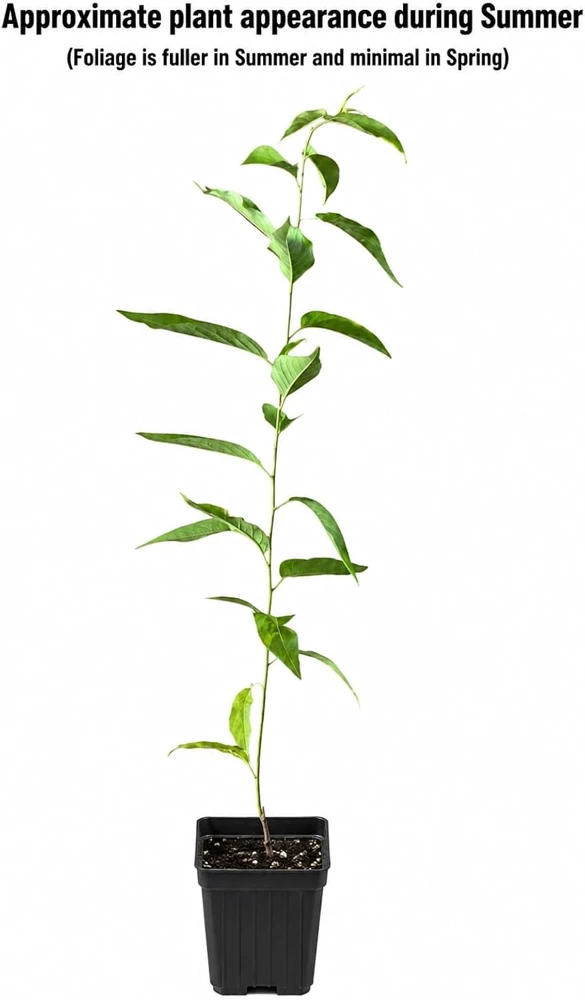
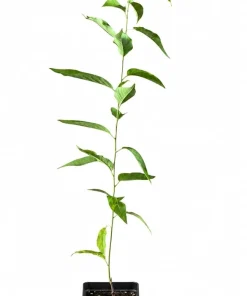
Each chickasaw plum tree live plant offered is approximately 10 to 16 inches tall upon arrival, carefully grown and shipped in a 4-inch pot. This size provides a robust young plant with an established root system, ready for transplanting into your garden. The Chickasaw Plum is known for its relatively fast growth rate, typically reaching a mature height of 12 to 15 feet and a similar spread, creating a rounded to spreading canopy. It can be cultivated as a single-trunk tree or allowed to grow into a multi-stemmed shrub, offering flexibility in landscape design. The tree will begin to produce its characteristic small, round, red to yellow plums within a few years of planting, with fruit ripening in late summer. Its stunning white blossoms appear in early spring, often before the foliage fully emerges, signaling the start of the growing season. This native wild plum fruit tree is a long-lived species, providing many years of enjoyment and ecological benefit.
Frequently Asked Questions
- Q: How big does this chickasaw plum tree live plant get? A: The Chickasaw Plum typically grows to a mature height of 12 to 15 feet with a similar spread. Its size makes it versatile for various landscape applications, from a specimen tree to a hedge.
- Q: What size pot does it come in? A: Your chickasaw plum tree live plant will arrive in a 4-inch nursery pot, with the plant itself measuring approximately 10 to 16 inches tall, ensuring a healthy start for your garden.
- Q: Is this an indoor or outdoor plant? A: The Chickasaw Plum (prunus angustifolia bush) is an outdoor plant, hardy in USDA Zones 5-9. It requires full sun exposure and the natural seasonal cycles to thrive and produce fruit.
- Q: How much sunlight does it need? A: For optimal growth and fruit production, this tree requires full sun, meaning at least 6 hours of direct sunlight per day. It can tolerate partial shade, but fruiting will be reduced.
- Q: Is this plant easy to care for? A: Yes, the Chickasaw Plum is considered a low-maintenance and drought tolerant plum once established. Its native hardiness makes it resilient to various conditions and generally easy to grow for beginners and experienced gardeners alike.
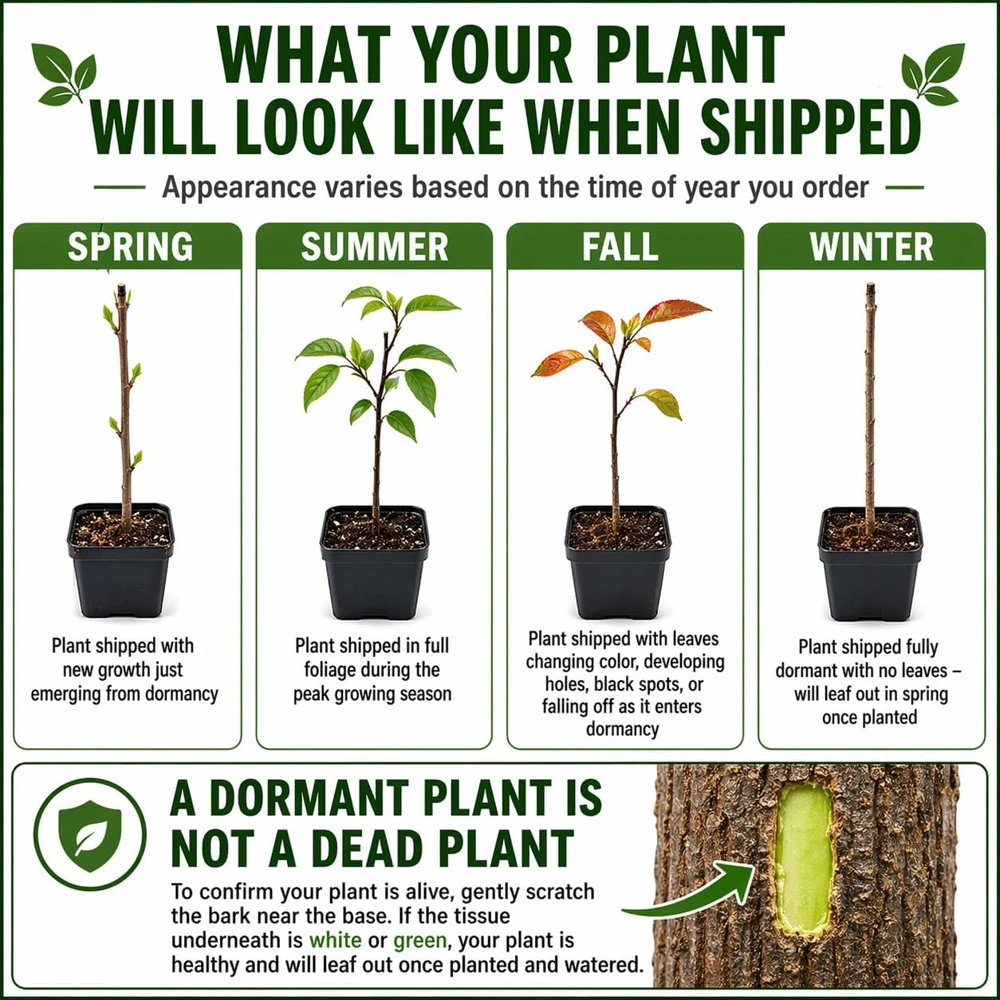
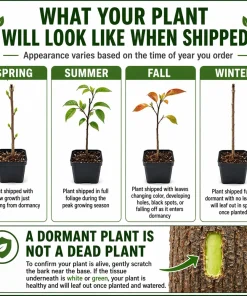
- Q: What condition will it arrive in? A: Your plant will arrive as a healthy, live specimen, approximately 10-16 inches tall, securely packaged in its 4-inch pot, ready for planting. We take great care to ensure safe transit.
- Q: When is the best time to plant a chickasaw plum tree live plant? A: The best time to plant is in early spring or fall, allowing the plant to establish its root system before extreme summer heat or winter cold.
- Q: Will it survive winter in my zone? A: The Chickasaw Plum is hardy in USDA Zones 5 through 9, meaning it can tolerate winter temperatures down to -20°F (-29°C) once established.
- Q: Can the fruit from the native wild plum fruit be eaten? A: Yes, the plums are sweet and juicy, perfect for fresh eating, making jams, jellies, and preserves. They are also a favorite food source for wildlife.
- Q: Is this a wildlife friendly tree? A: Absolutely! The fruits are a significant food source for birds, deer, and other wildlife, making it an excellent addition to any garden focused on attracting and supporting local fauna.
Be the first to review “Chickasaw Plum Tree Live Plant – 10-16″ Tall – 4″ Pot – Native Fruit Bush”
People Also Viewed
Houseplants
Reviews
There are no reviews yet.