

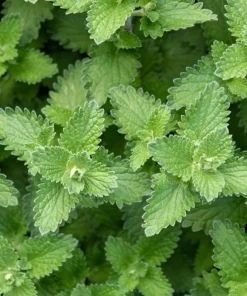
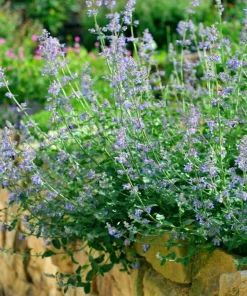
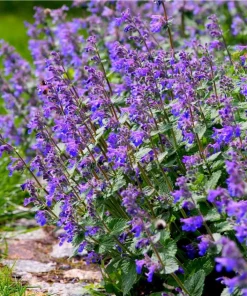
Catnip Plants Live (Set of 2) – Perennial Herb, Outdoor/Indoor, 4-8″ Tall
Original price was: $42.99.$17.99Current price is: $17.99.
Cultivate your own delightful herb garden with our catnip live plant set. This package includes two healthy, 4-8 inch tall perennial catnip plants, ideal for both indoor and outdoor environments. Loved by felines, this easy-to-grow herb adds a touch of natural charm and entertainment to any garden space.
Estimated arrival
Oct 27
Nov 01 - Nov 03
Nov 06 - Nov 10
Shop With Confidence
30-Day Plant Health Guarantee
Arrives damaged? We’ll replace it free — see our return policy.
Responsive Support
Email us anytime, we reply within 1 business day.
Expert Packaging
Temperature-controlled shipping to protect your plants in transit.
Secure Checkout
Pay safely with Visa, Mastercard, PayPal.
Plant Specifications
-
USDA Hardiness Zone
3–9 -
Soil Type
Well-draining soil -
Sunlight Exposure
Full Sun to Partial Shade -
Expected Planting Period
Late spring to early fall (blooming), year-round indoors
Overview
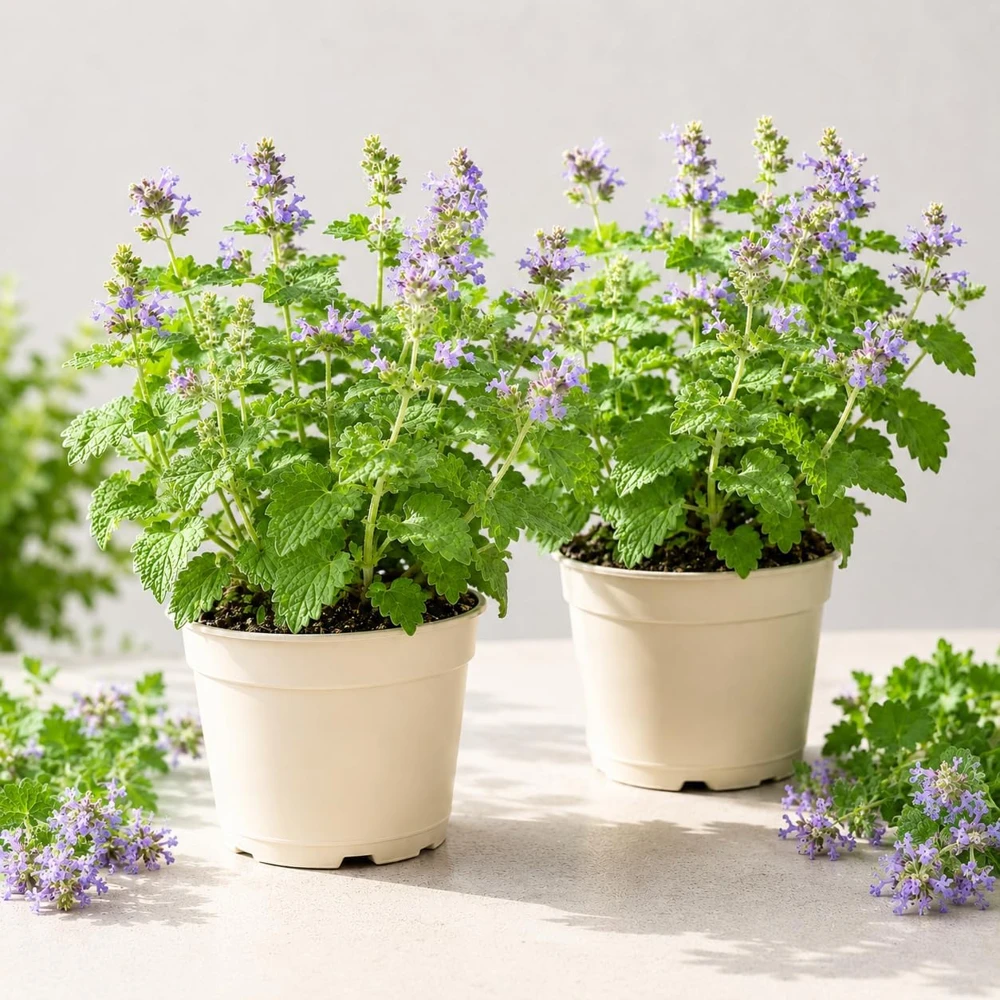
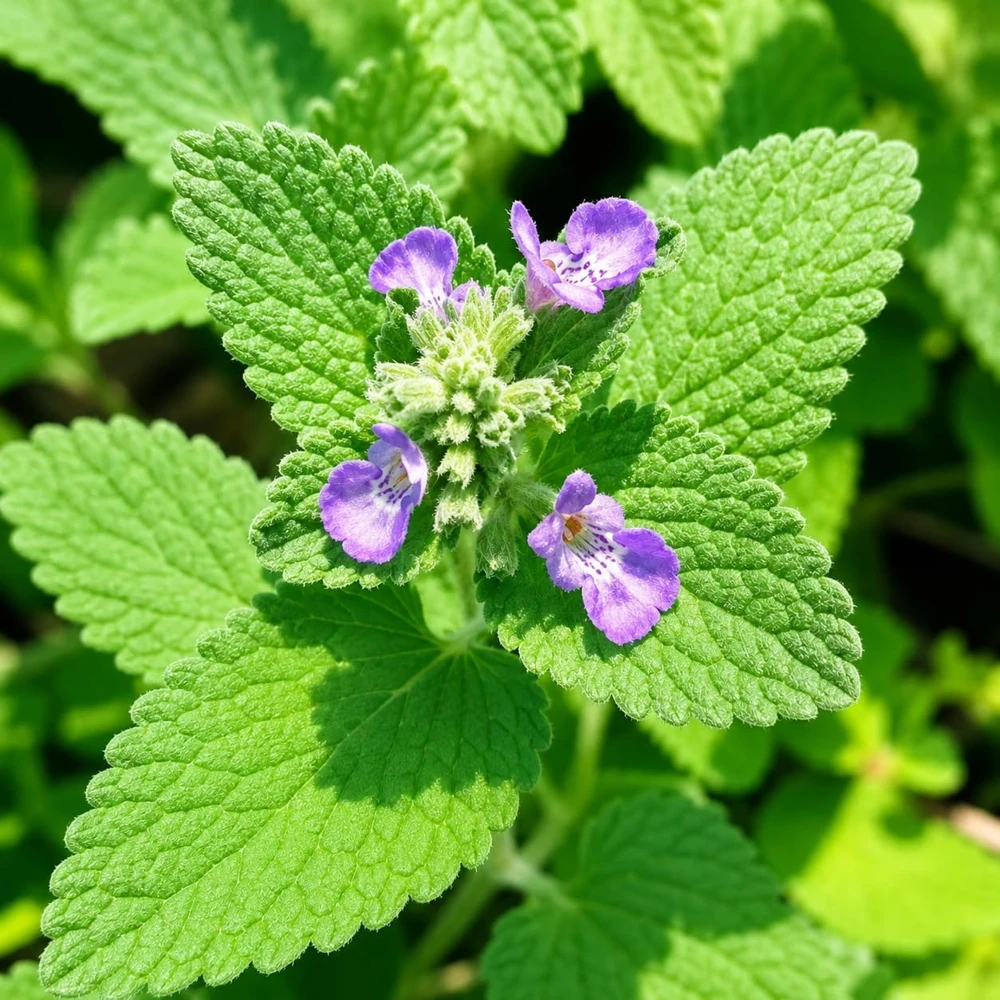
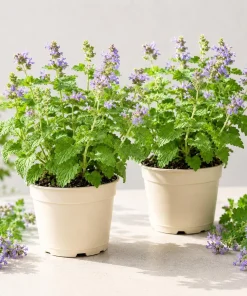
Bring joy to your feline friends and a touch of natural beauty to your garden with this exceptional offer of a catnip live plant set. Each order includes two robust, 4-8 inch tall Nepeta cataria plants, ready for planting. Known for its intoxicating effect on many cats, catnip is a wonderfully versatile herb that thrives in various settings. This perennial plant is not only a favorite among felines but also a charming addition to herb gardens, borders, or containers, offering attractive foliage and delicate, often lavender-colored flowers. Whether you’re looking to create a dedicated cat garden or simply enjoy the ease of growing a beneficial herb, these live catnip plants provide a fantastic starting point for both novice and experienced gardeners.
Our perennial catnip plant specimens are carefully cultivated to ensure healthy growth and vigorous development upon arrival. They are suitable for a wide range of climates and can be grown as an outdoor plant in many regions or as a vibrant indoor houseplant. The aromatic leaves release a distinct scent that is particularly appealing to cats, making it an excellent choice for pet owners. Beyond its feline appeal, catnip is also known for its pleasant, minty aroma and can even be used in herbal teas. This set of two plants gives you the flexibility to plant in multiple locations or share the delight with a fellow cat enthusiast.
Key Benefits
These catnip live plant specimens offer a multitude of benefits, making them a superb choice for any garden or home:
- Feline Enrichment: Provide a natural and safe source of entertainment for your cats. The nepetalactone in catnip is a natural stimulant for many felines, promoting playful behavior and relaxation.
- Easy to Grow: Catnip is known for its hardiness and adaptability, making it an excellent choice for gardeners of all skill levels. It requires minimal care once established and is quite forgiving.
- Versatile Planting: Suitable for both indoor and outdoor cultivation, these plants can thrive in garden beds, containers, or even as an indoor herb, allowing you to enjoy fresh catnip year-round.
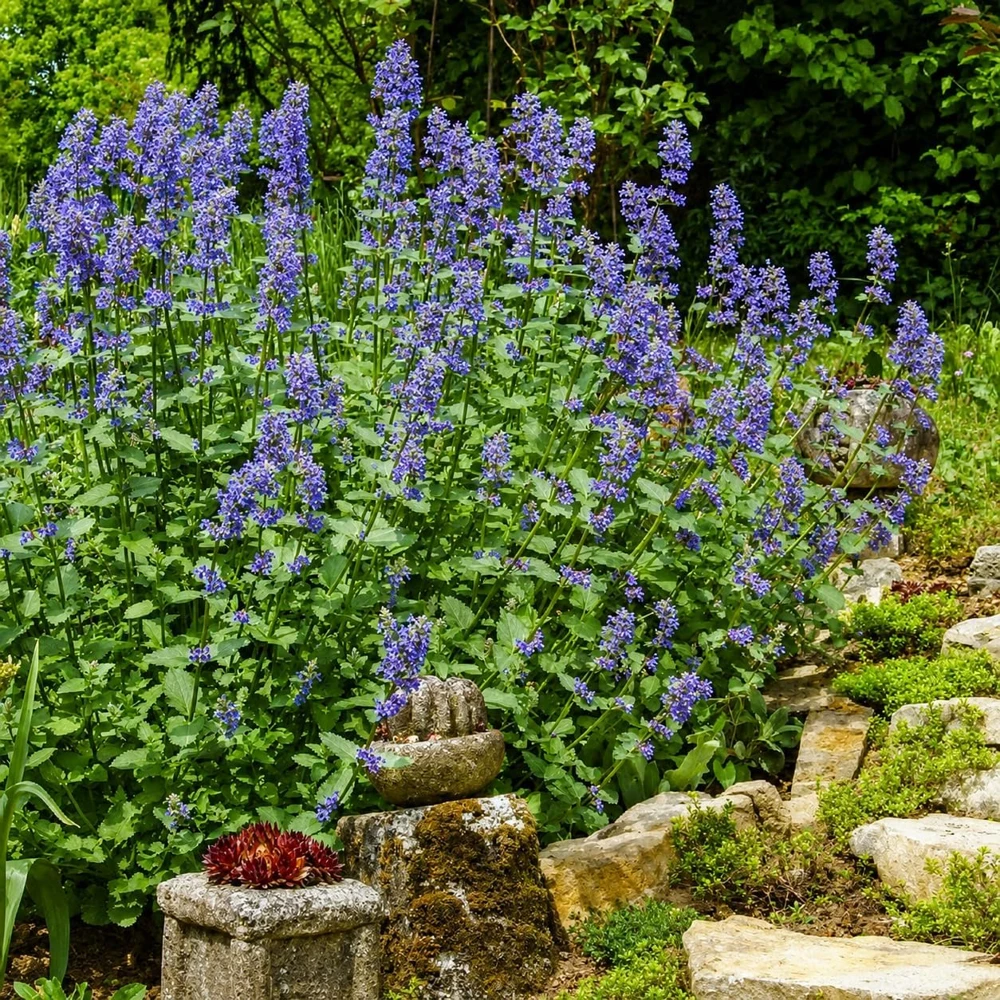
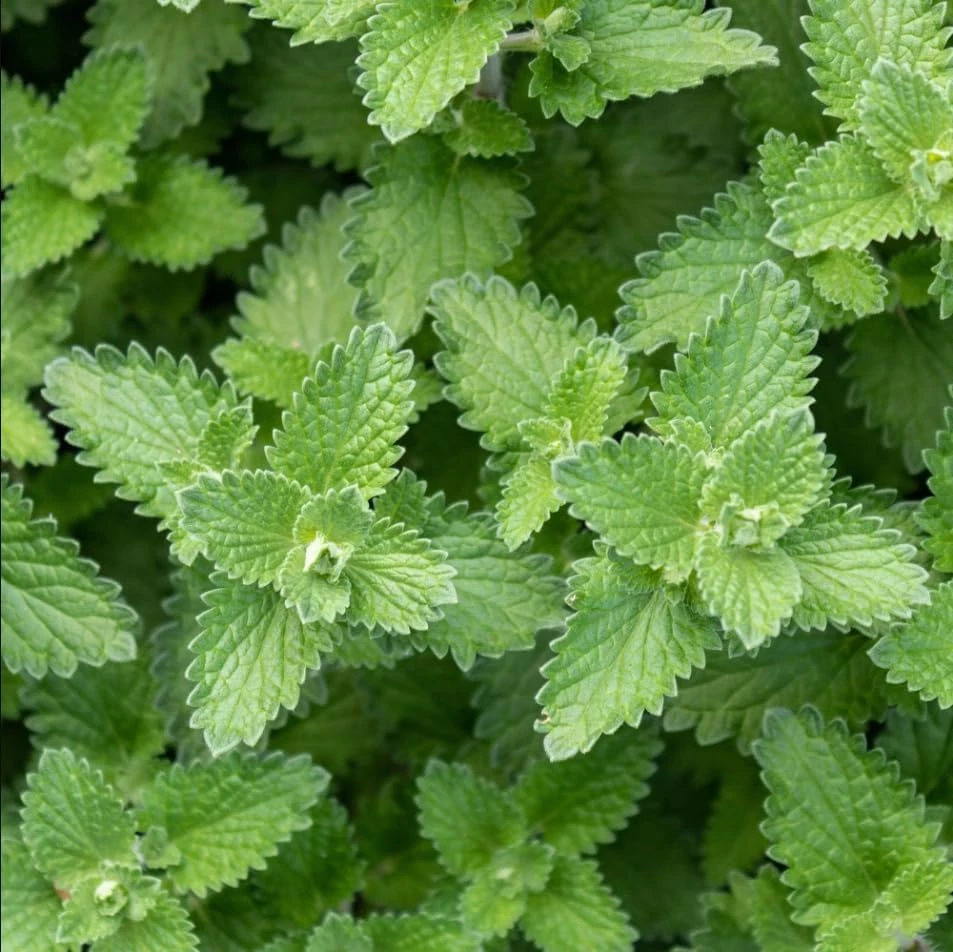
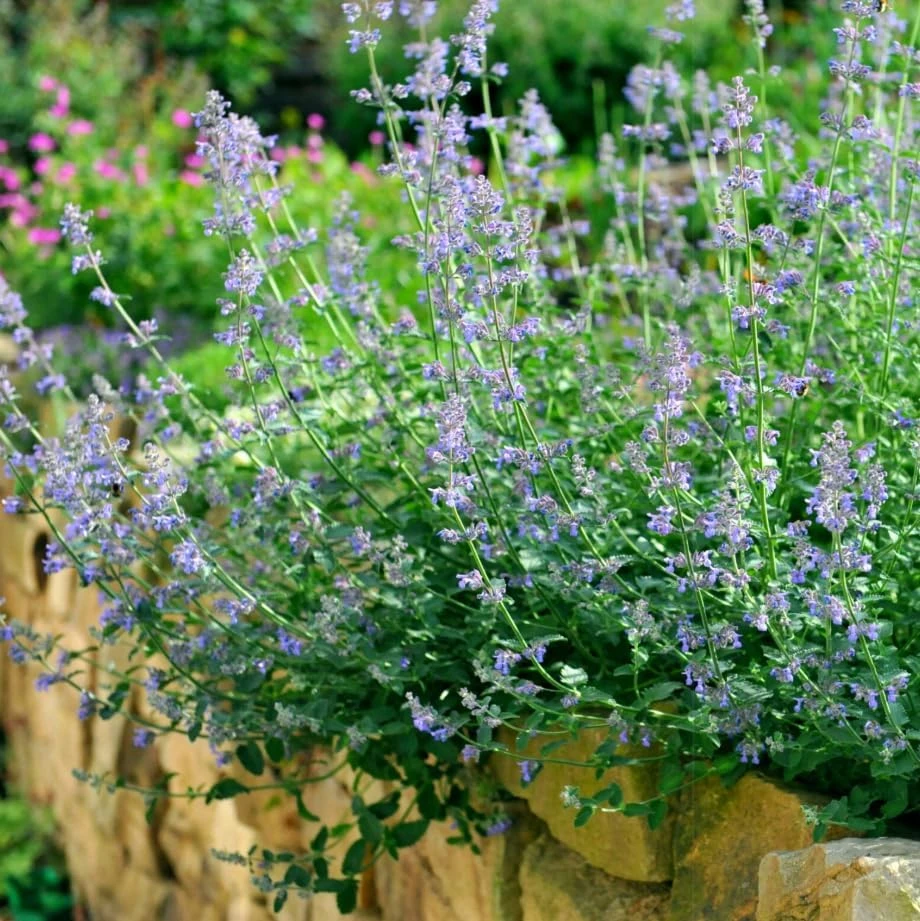
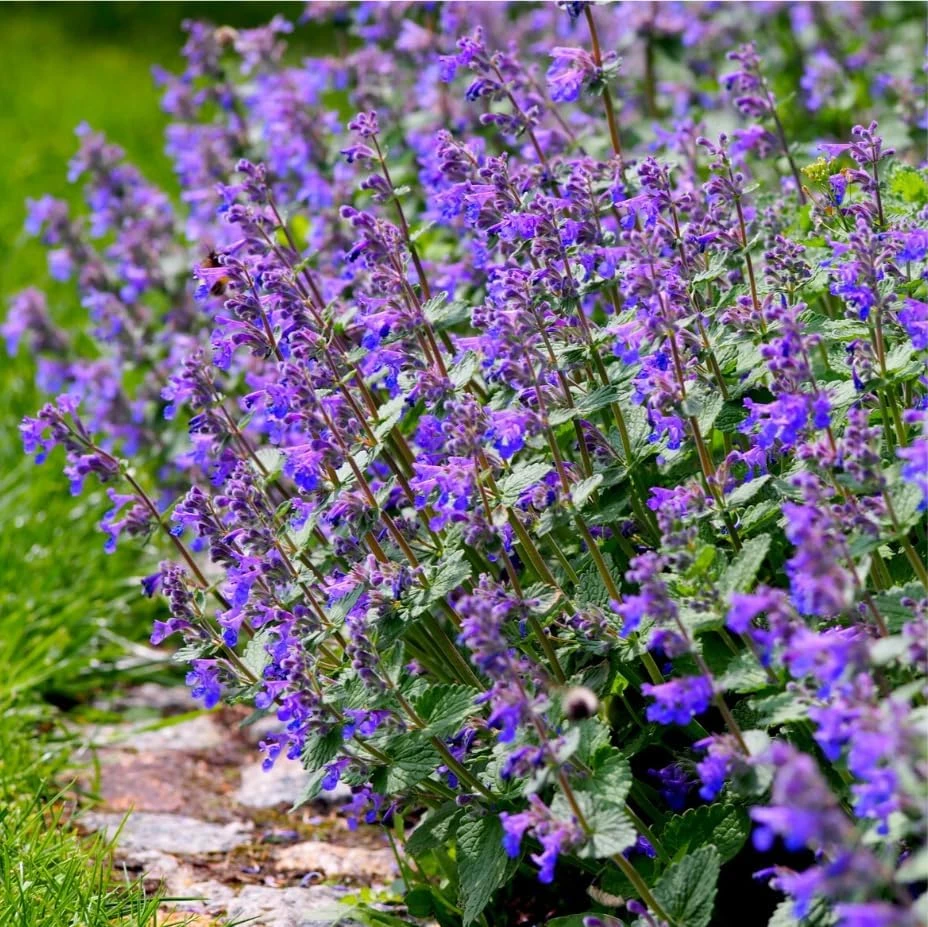
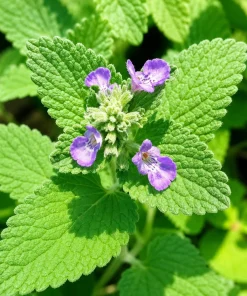
- Attractive Foliage and Flowers: Beyond its practical uses, the plant features attractive gray-green foliage and delicate, often purple or white, flower spikes that add visual interest to your landscape.
- Natural Pest Repellent: Some studies suggest that catnip can act as a natural deterrent for certain garden pests, contributing to a healthier ecosystem in your outdoor space.
- Herbal Uses: While primarily known for its effect on cats, the herb catnip plant has also traditionally been used in herbal remedies and teas for its calming properties.
- Perennial Growth: As a perennial catnip plant, it will return year after year, providing continuous enjoyment and requiring less frequent replanting compared to annual herbs.
Plant Care & Growing Tips
Caring for your catnip live plant is straightforward, ensuring a thriving and vibrant addition to your garden. Catnip prefers a location with full sun to partial shade. In hotter climates, some afternoon shade can be beneficial to prevent leaf scorch. Aim for at least 6 hours of direct sunlight daily for optimal growth. When planting outdoors, ensure the soil is well-draining, as catnip does not tolerate soggy conditions. For indoor plants, place them near a sunny window where they can receive ample light.
Water your catnip plants when the top inch of soil feels dry to the touch. While established plants are quite drought-tolerant, consistent moisture will encourage lusher growth. Avoid overwatering, which can lead to root rot. Well-draining soil is crucial; a standard potting mix amended with some sand or perlite works well for container plants. Catnip is adaptable to various soil types but prefers slightly alkaline to neutral soil. These plants are hardy in USDA Zones 3-9, tolerating temperatures between 55°F and 85°F. Fertilize sparingly, if at all, as catnip thrives in leaner conditions. An annual application of compost or a balanced, slow-release fertilizer in spring is usually sufficient. Pruning after flowering can encourage a bushier habit and a second flush of blooms, as well as prevent excessive self-seeding.
To ensure your growing catnip indoors is successful, provide adequate air circulation and monitor for common indoor pests like spider mites. If you notice signs of pests, treat them with an organic insecticidal soap. Outdoor plants are generally robust and disease-resistant. Regularly harvesting the leaves will also encourage new growth and keep the plant productive. This will ensure you always have fresh catnip available for your feline companions.
Size & Details
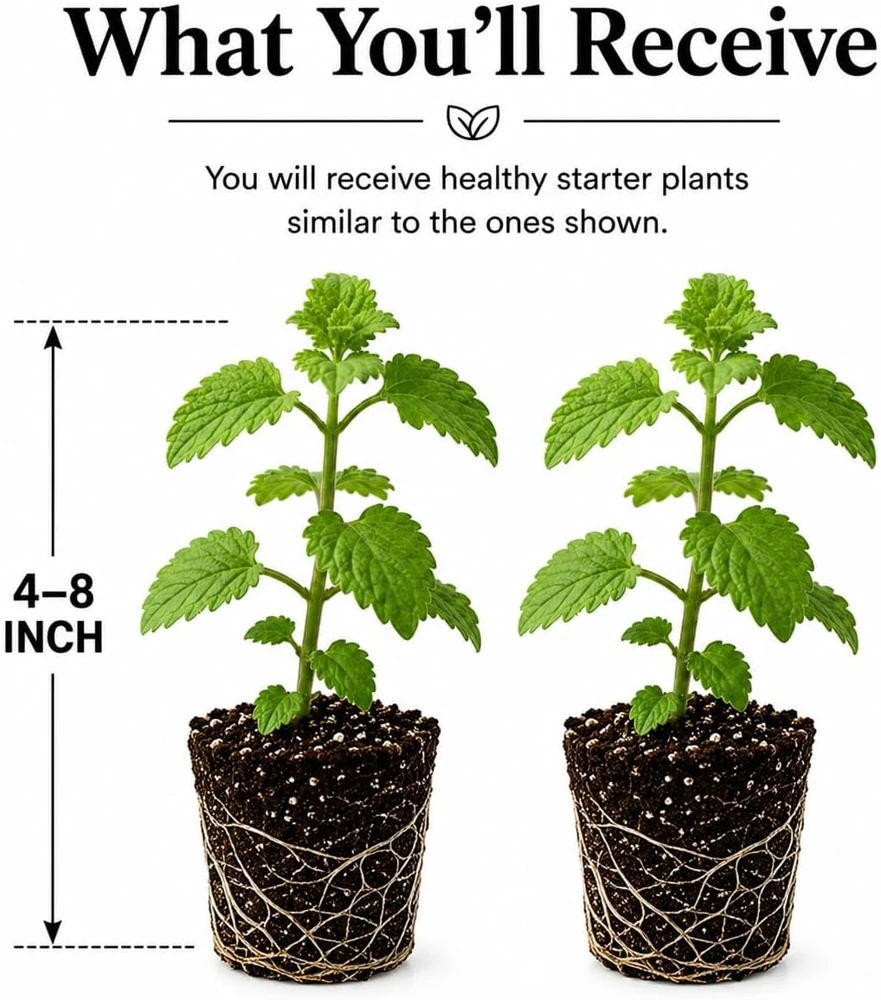
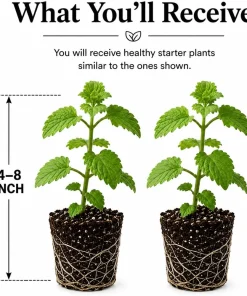
This offering includes a set of two healthy catnip live plant specimens, each measuring approximately 4-8 inches tall from the base of the plant to the tip of its highest leaf. These plants are shipped without a pot, with their root systems carefully protected to ensure a smooth transition to your garden or chosen container. Catnip is a moderately fast-growing perennial that can reach a mature height of 2-3 feet tall and spread equally wide, depending on growing conditions and pruning. The plants are ready for immediate planting upon arrival, whether you choose to cultivate them as an outdoor catnip plant in your garden beds or as a charming indoor specimen.
Expect these plants to establish quickly, especially when provided with adequate sun and well-draining soil. Blooming typically occurs from late spring to early fall, with small, often lavender, white, or pinkish flowers appearing in spikes. The growth habit is typically bushy, with soft, gray-green, heart-shaped leaves. With proper care, your catnip plants will provide continuous enjoyment for both you and your pets for many years. Regular harvesting will not only provide fresh leaves but also encourage the plant to produce more foliage.
Frequently Asked Questions
- Q: How big does this catnip plant get? A: Each catnip live plant typically arrives 4-8 inches tall. When mature, it can grow to be 2-3 feet tall and wide, depending on growing conditions and how often it’s pruned.
- Q: Is this an indoor or outdoor plant? A: This perennial catnip plant is versatile and can thrive as both an outdoor garden plant or an indoor houseplant, provided it receives adequate sunlight.
- Q: How much sunlight does it need? A: Catnip prefers full sun to partial shade. Aim for at least 6 hours of direct sunlight per day, especially if you are growing catnip indoors.
- Q: Is this plant easy to care for? A: Yes, catnip is known for being very easy to grow and maintain, making it an excellent choice for beginners and experienced gardeners alike. It’s quite drought-tolerant once established.
- Q: What condition will it arrive in? A: Your herb catnip plant will arrive as a live plant, with its roots carefully protected for shipping, ready for immediate planting in your chosen location.
- Q: Can I use this catnip for my cats? A: Absolutely! The leaves of this catnip plant are perfect for your feline friends. You can offer them fresh leaves or dry them for later use.
- Q: When is the best time to plant this catnip? A: These live plants can be planted anytime after the last frost in spring, or any time of year if growing indoors. They will establish quickly in warm weather.
- Q: Will it survive winter in my zone? A: This perennial catnip plant is hardy in USDA Zones 3-9, meaning it will typically survive winter in these regions and return in spring.
- Q: What type of soil does catnip prefer? A: Catnip thrives in well-draining soil. For container planting, a good quality potting mix amended with perlite or sand works best.
- Q: How often should I water my catnip plant? A: Water when the top inch of soil feels dry. Catnip is somewhat drought-tolerant, so avoid overwatering to prevent root rot.
Be the first to review “Catnip Plants Live (Set of 2) – Perennial Herb, Outdoor/Indoor, 4-8″ Tall”
People Also Viewed



Reviews
There are no reviews yet.