
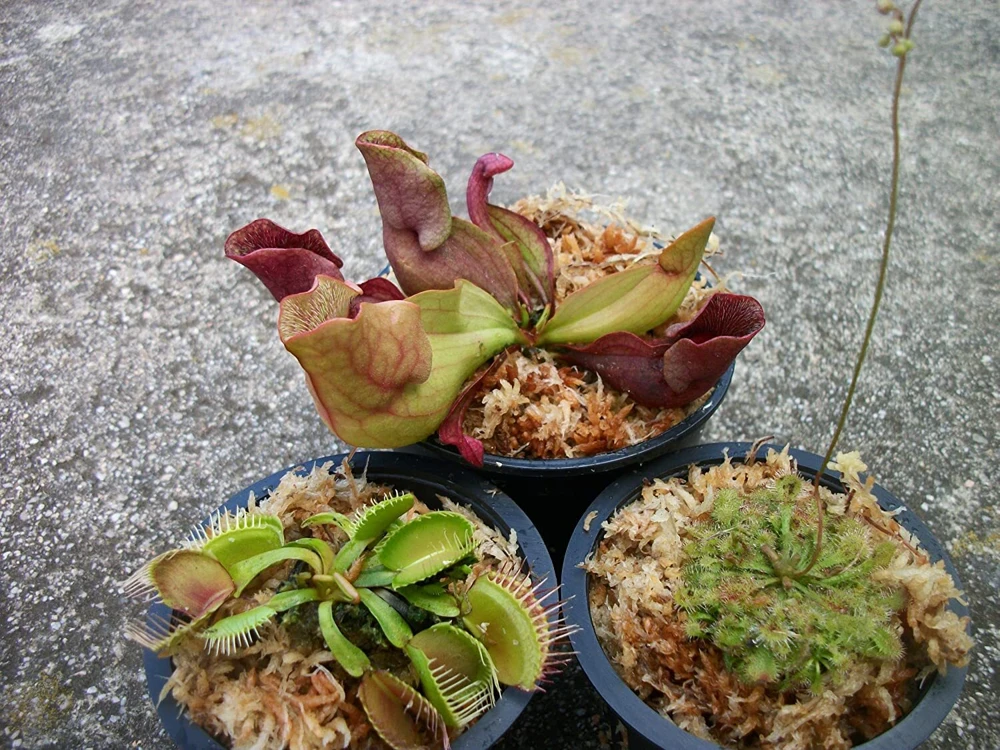
Carnivorous Plant Set: 3 Live Venus Flytrap, Pitcher Plant, Sundew
Original price was: $132.99.$107.99Current price is: $107.99.
Bring home a captivating trio of insect-eating wonders with this carnivorous plant set. Featuring a Venus Flytrap, Pitcher Plant, and Sundew, these unique live plants are perfect for natural pest control and add an exotic touch to any collection. Ideal for both beginners and experienced enthusiasts, these plants thrive with proper care.
Estimated arrival
Sep 29
Oct 04 - Oct 06
Oct 09 - Oct 13
Shop With Confidence
30-Day Plant Health Guarantee
Arrives damaged? We’ll replace it free — see our return policy.
Responsive Support
Email us anytime, we reply within 1 business day.
Expert Packaging
Temperature-controlled shipping to protect your plants in transit.
Secure Checkout
Pay safely with Visa, Mastercard, PayPal.
Plant Specifications
-
USDA Hardiness Zone
9 (20 to 30 °F) -
Soil Type
Acidic peat moss and perlite/sand mix -
Sunlight Exposure
Full Sun -
Expected Planting Period
Year-round indoors, spring to summer outdoors
Overview
Introduce a truly unique and fascinating addition to your home or garden with this exceptional carnivorous plant set. This collection features three distinct and highly sought-after insectivorous plants: the iconic Venus Flytrap, the elegant Pitcher Plant, and the shimmering Sundew. Each plant in this set is a living marvel, perfectly adapted to lure, trap, and digest insects, offering a natural and captivating solution to household pests while providing endless intrigue. This live plant set is perfect for both seasoned collectors and those just beginning their journey into the world of carnivorous flora. These plants are not just decorative; they are active hunters, providing a dynamic and educational experience for all ages. Discover the intricate mechanisms that make each of these plants so special and learn how to cultivate them to their full potential.
Our carnivorous plant set is carefully selected to ensure you receive healthy, vibrant specimens ready to thrive in their new environment. The Venus Flytrap, scientifically known as Dionaea muscipula, is famous for its rapid snapping traps. The Pitcher Plant, with its deep, nectar-filled pitchers, is a master of passive trapping. The Sundew, adorned with glistening, sticky tentacles, lures insects with its alluring dew. This trio offers a diverse display of predatory adaptations and is a fantastic way to start or expand a carnivorous plant collection. Embrace the extraordinary with these living wonders.
Key Benefits
Cultivating a carnivorous plant set offers a range of unique advantages and captivating experiences:
- Natural Pest Control: These plants are highly effective at trapping and consuming common household pests like flies, gnats, and mosquitoes. Reduce reliance on chemical sprays and enjoy a more natural approach to insect management.
- Educational and Engaging: Watching these plants in action provides an incredible educational opportunity for all ages. Observe the Venus Flytrap’s quick snap, the Pitcher Plant’s clever traps, and the Sundew’s sticky allure firsthand.
- Unique Decorative Appeal: With their unusual forms and vibrant colors, carnivorous plants serve as striking conversation pieces. They add an exotic and visually intriguing element to any indoor plant display or terrarium.
- Low Maintenance (with proper knowledge): While they have specific care needs, once you understand the basics of venus flytrap care, pitcher plant growing, and sundew plant indoor requirements, these plants can be quite resilient and rewarding to grow.
- Environmental Contribution: Growing carnivorous plants can help raise awareness about unique ecosystems and the importance of biodiversity, as many species are native to sensitive wetland habitats.
- Therapeutic Hobby: Engaging with the specialized care of these unique plants can be a relaxing and fulfilling hobby, offering a sense of accomplishment as they thrive.
- Beginner-Friendly Options: This particular carnivorous plant set is an excellent choice for carnivorous plants for beginners, as Venus Flytraps, Pitcher Plants, and Sundews are among the easier types to cultivate with the right guidance.
Plant Care & Growing Tips
Caring for your carnivorous plant set requires attention to specific environmental conditions to ensure their health and vitality. All three plants in this set—the Venus Flytrap, Pitcher Plant, and Sundew—prefer similar conditions, making them an ideal grouping for cultivation. They thrive in acidic, nutrient-poor soil, specifically a mixture of peat moss and perlite or sand. Never use regular potting soil, as the added nutrients will harm them. Ensure the soil remains consistently moist, but avoid standing water that can lead to root rot. The best way to water these plants is from the bottom, by placing their pots in a tray of distilled water, rainwater, or reverse osmosis water; tap water often contains minerals that are detrimental to their health.
Sunlight is crucial for vibrant growth and robust traps. These plants generally require full sun, meaning at least 6-8 hours of direct sunlight daily. If growing indoors, a bright, south-facing window is ideal, or consider supplementing with a grow light to ensure they receive adequate intensity. The Venus Flytrap, in particular, will develop strong, red-tinged traps with sufficient light. For pitcher plant growing, bright light encourages deeper coloration and larger pitchers. Temperature-wise, these plants prefer temperate climates, thriving in daytime temperatures between 65-85°F (18-29°C). Many carnivorous plants, including the Venus Flytrap and some Sundews, require a winter dormancy period where temperatures drop and light exposure decreases; this is essential for their long-term health. The USDA Hardiness Zone for the Venus Flytrap is typically 9 (20 to 30 °F), indicating it can tolerate mild winters outdoors in certain regions.
Fertilization is generally not recommended for carnivorous plants, as they derive their nutrients from the insects they catch. Applying traditional fertilizers can burn their roots and lead to their demise. If your plants are not catching enough insects, you can occasionally feed them small, live insects. Ensure the insects are small enough for the traps to close completely. For sundew plant indoor cultivation, ensure high humidity, which can be achieved with a humidity tray or by growing them in a terrarium. Common problems include insufficient light, improper water, or using nutrient-rich soil, all of which can lead to weakened growth or death. Adhering to these specific care guidelines will ensure your carnivorous plant set flourishes.
Size & Details
This carnivorous plant set includes three distinct live plants: one Venus Flytrap, one Pitcher Plant, and one Sundew. Each plant is shipped as a healthy, established specimen, ready for immediate planting or placement in your preferred growing environment. The exact size of each plant will vary slightly due to natural growth patterns, but they are typically young, robust plants suitable for starting a collection. The Venus Flytrap usually arrives with several active traps, while the Pitcher Plant will have developing or established pitchers. The Sundew will display its characteristic dew-covered tentacles. All plants are carefully packaged to minimize stress during transit and ensure they arrive in excellent condition. They are provided in nursery pots, allowing you to easily transfer them to your chosen acidic soil mix.
These plants are selected for their vigor and adaptability, making them excellent choices for both indoor and outdoor cultivation in appropriate climates. While specific measurements can vary, the Venus Flytrap generally reaches a mature size of about 4-6 inches in diameter, while Pitcher Plants can grow taller, often reaching 6-12 inches depending on the species. Sundews remain relatively compact. Expect these plants to grow steadily with proper care, developing more traps, pitchers, and dew-covered leaves over time. Their growth rate is moderate, offering continuous fascination as they mature. This trio provides a comprehensive introduction to the diverse and captivating world of carnivorous flora.
Frequently Asked Questions
- Q: How big does this carnivorous plant set get? A: The Venus Flytrap typically grows to about 4-6 inches in diameter. Pitcher Plants can reach 6-12 inches tall, and Sundews usually remain compact, depending on the specific species included in the set. Sizes will vary as they mature.
- Q: Is this an indoor or outdoor plant set? A: This carnivorous plant set can thrive both indoors and outdoors, depending on your climate and care. They need bright, direct sunlight and specific watering. In USDA zones 9 and above, they can often be grown outdoors year-round, while in colder zones, they are best kept indoors or overwintered.
- Q: How much sunlight do these carnivorous plants need? A: All three plants in this set require significant sunlight, ideally 6-8 hours of direct sun daily. If growing indoors, a very bright south-facing window or supplemental grow lights are essential to ensure vibrant growth and healthy trap development.
- Q: Is this set easy to care for, especially for beginners? A: Yes, this carnivorous plant set is considered a good starting point for carnivorous plants for beginners. While they have specific needs regarding water type and soil, these three species are among the more forgiving carnivorous plants to cultivate once you understand their basic requirements.
- Q: What condition will the plants arrive in? A: Your plants will arrive as healthy, live specimens, carefully packaged to ensure minimal stress during transit. They will be in nursery pots, ready for you to acclimate them to their new environment and transplant if desired.
- Q: What type of water should I use for these plants? A: It is crucial to use only distilled water, rainwater, or reverse osmosis water for your carnivorous plants. Tap water typically contains minerals and chemicals that can be harmful and eventually kill them.
- Q: Do these plants require a dormancy period? A: Yes, the Venus Flytrap and many Sundew species require a winter dormancy period to remain healthy long-term. During dormancy, growth slows, and they need cooler temperatures and reduced light. Some Pitcher Plants may also benefit from a cooler resting period.
- Q: Can I feed my carnivorous plant set insects? A: Yes, you can feed them small, live insects if they are not catching enough on their own. Ensure the insect is small enough for the trap to fully close on a Venus Flytrap, or for the Pitcher Plant to easily digest. Never feed them human food or fertilizer.
- Q: What kind of soil is best for these carnivorous plants? A: These plants require an acidic, nutrient-poor soil mix, typically a blend of peat moss and perlite or horticultural sand. Never use standard potting soil, as it contains nutrients that will harm them.
- Q: Will a venus flytrap care regimen be sufficient for all three plants? A: While there are similarities, each plant has nuances. General care for a Venus Flytrap concerning water and light is a good baseline, but pitcher plant growing might require slightly higher humidity, and sundew plant indoor care specifically benefits from consistent moisture and good air circulation.
Be the first to review “Carnivorous Plant Set: 3 Live Venus Flytrap, Pitcher Plant, Sundew”
People Also Viewed


Trees
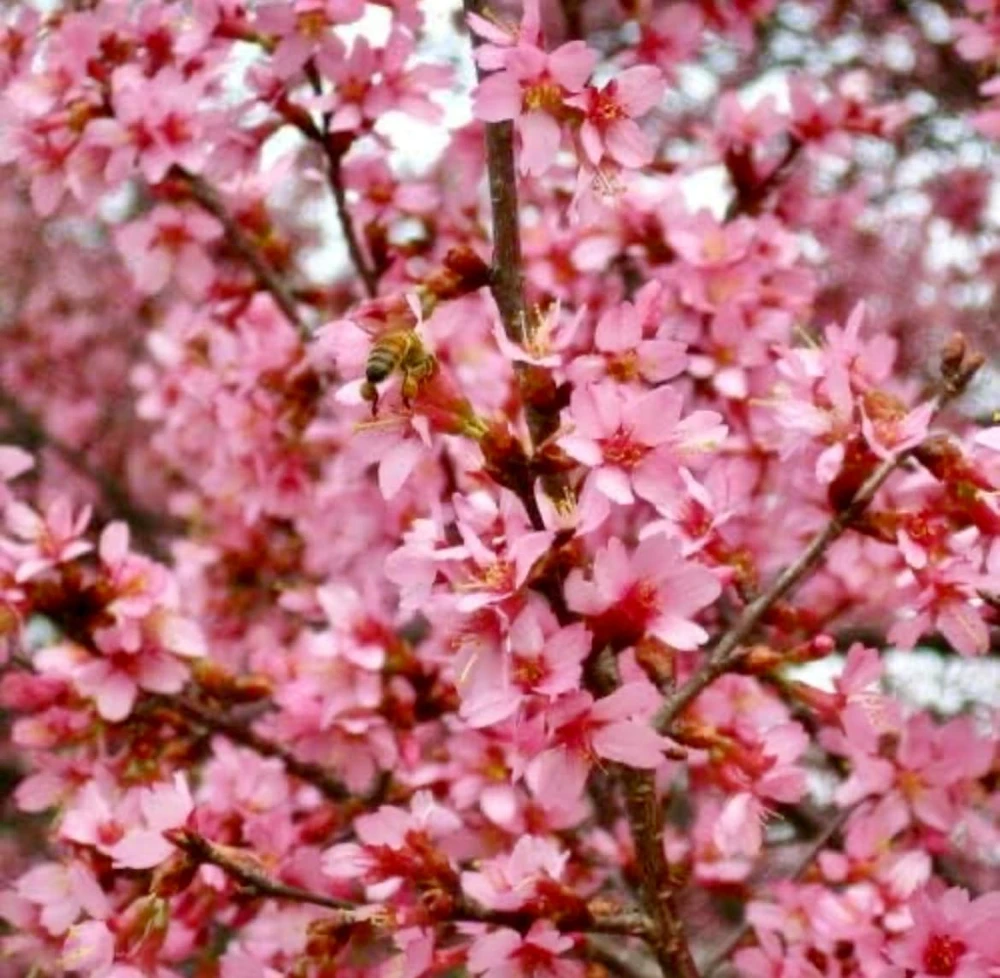
Okame Cherry Tree Live Plant – 5-12 in Tall – 2.5″Pot – Pink Flowering Japanese Cherry Blossom
Flowers
Annabelle White Fuchsia Live Plant – 2 Pack, 5″ Pot, White Flowering, Shade-Loving, Ornamental
Reviews
There are no reviews yet.