

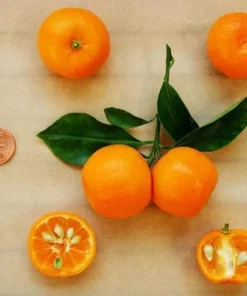
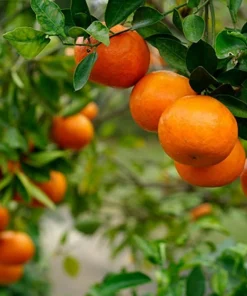
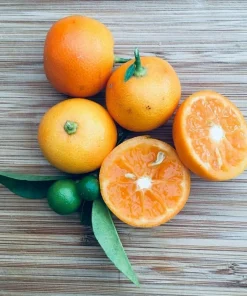
Calamondin (Calamansi) Live Plant – 2-5 Inch Potted Citrus Tree – Indoor/Outdoor
Original price was: $65.98.$36.99Current price is: $36.99.
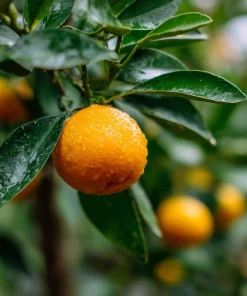
Bring home a beautiful calamondin live plant, a 2-5 inch potted citrus tree known for its ornamental appeal and abundant, sweet-tart fruits. Ideal for both indoor and outdoor cultivation, this versatile plant adds a touch of tropical elegance to any space.
Estimated arrival
Oct 13
Oct 18 - Oct 20
Oct 23 - Oct 27
Shop With Confidence
30-Day Plant Health Guarantee
Arrives damaged? We’ll replace it free — see our return policy.
Responsive Support
Email us anytime, we reply within 1 business day.
Expert Packaging
Temperature-controlled shipping to protect your plants in transit.
Secure Checkout
Pay safely with Visa, Mastercard, PayPal.
Plant Specifications
-
USDA Hardiness Zone
USDA zones 9-11 (indoors elsewhere) -
Soil Type
Well-draining potting mix -
Sunlight Exposure
Full sun (6-8 hours direct light) -
Expected Planting Period
Year-round indoors or spring to summer outdoors
Overview
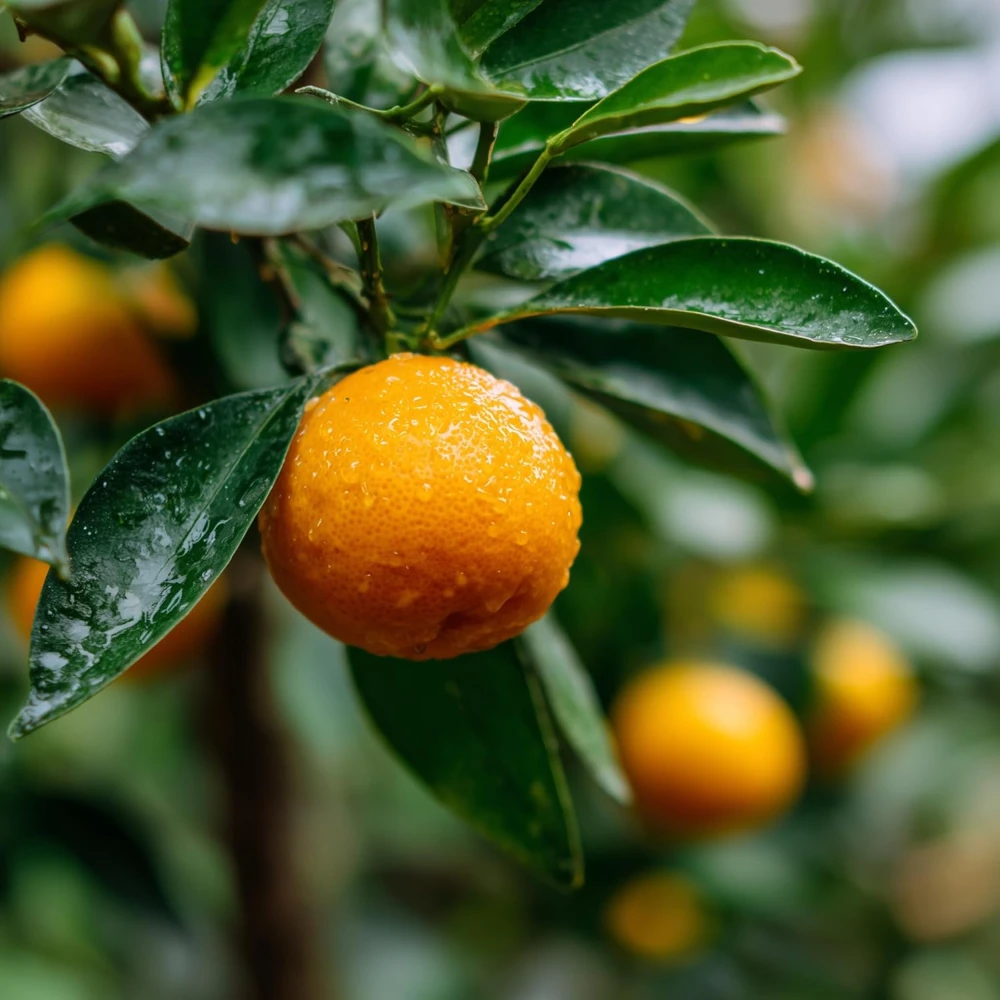
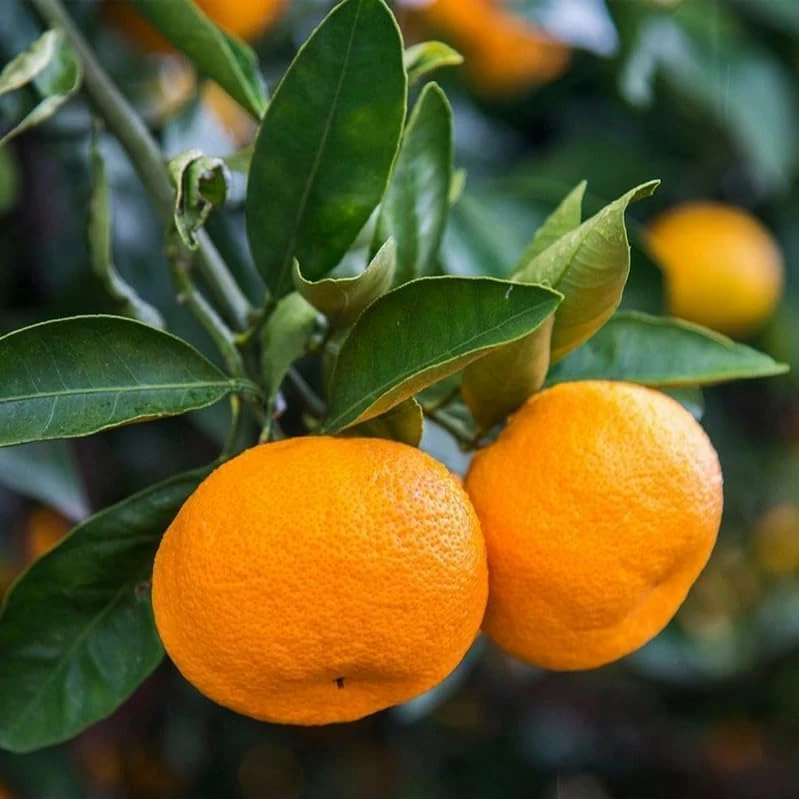
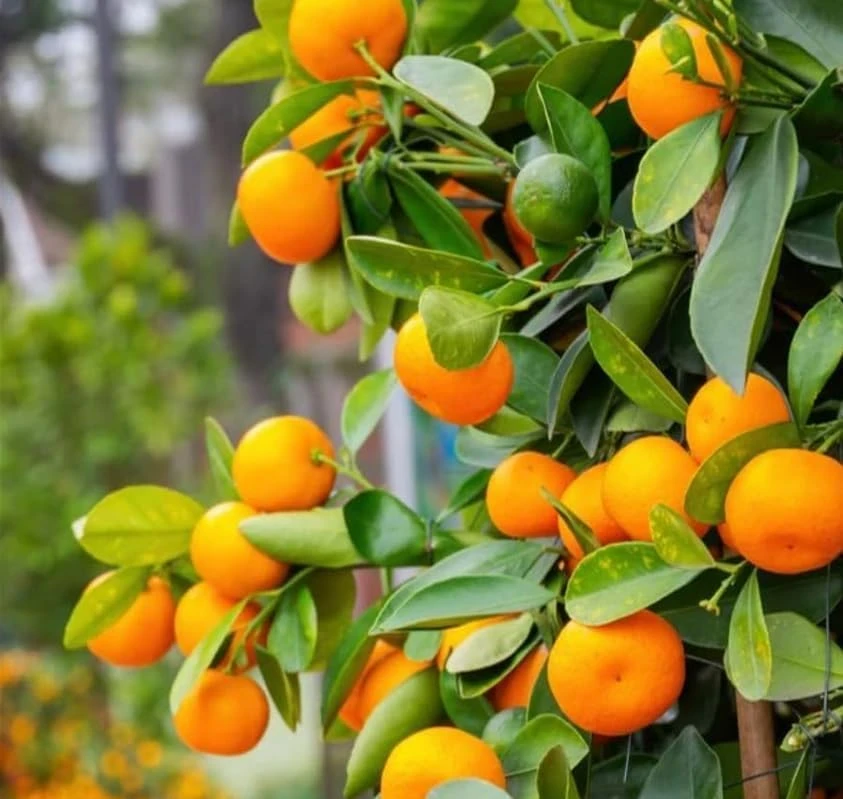
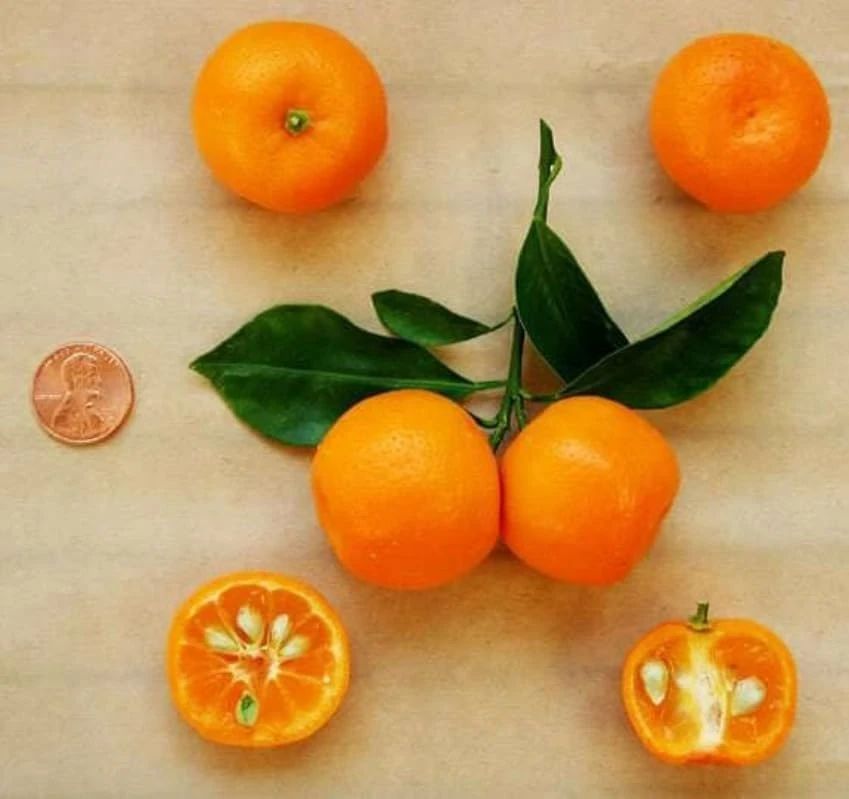
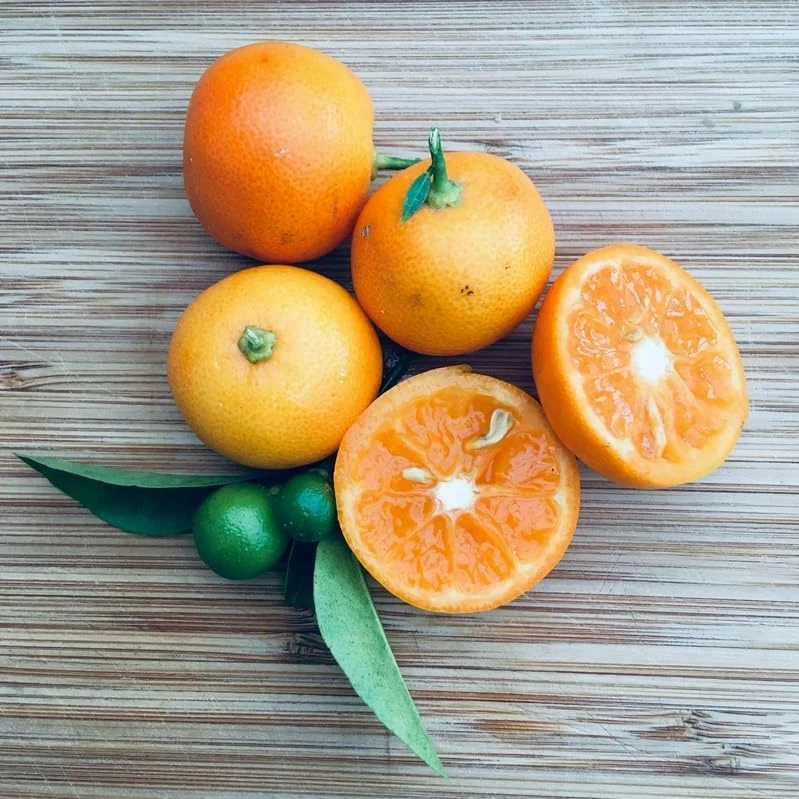
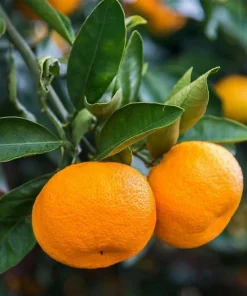
Cultivate your own delicious citrus with this beautiful calamondin live plant, also known as Calamansi. This charming miniature citrus tree, scientifically named Citrus x microcarpa, produces an abundance of small, orange-red fruits renowned for their unique sweet-tart flavor. Originating from the Philippines, the Calamondin is a hybrid citrus fruit that combines the sweetness of an orange with the tartness of a lime, making it a versatile ingredient for culinary uses. Whether you’re an experienced gardener or just starting, this compact and resilient plant is a delightful addition to any home. Its glossy green foliage and fragrant white blossoms add ornamental value, while the continuous fruit production provides a fresh supply of tangy citrus. This calamondin live plant is shipped potted and ready to thrive in your chosen environment, bringing a touch of tropical vibrancy to your home or garden.
The Calamondin is particularly popular in Southeast Asian cuisine, where its juice is used in marinades, sauces, and drinks. Beyond its culinary appeal, the plant itself is aesthetically pleasing, making it a popular choice for decorative purposes. Its compact growth habit means it can be successfully grown in containers, making it suitable for patios, balconies, or even indoors near a sunny window. Enjoy the satisfaction of harvesting your own fresh calamondin fruits, perfect for everything from refreshing beverages to gourmet marmalades. This resilient and rewarding plant offers both beauty and bounty.
Key Benefits
Adding a calamondin live plant to your home or garden offers numerous advantages, blending ornamental beauty with practical utility. These miniature citrus trees are not only visually appealing but also yield a continuous supply of delicious and versatile fruit. Consider the following benefits:
- Unique Sweet-Tart Flavor: The fruits provide a distinctive taste experience, combining the sweetness of an orange with the tartness of a lime. This makes them perfect for a wide range of culinary applications, from fresh juices to exotic marinades.
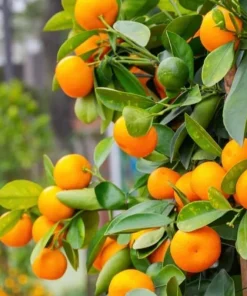
- Abundant Fruit Production: Enjoy a generous harvest of small, juicy fruits, often year-round. This continuous fruiting habit ensures you always have fresh calamondins on hand for cooking or snacking.
- Compact Size & Versatile Growing: Ideal for container growing, these trees thrive on patios, balconies, indoors near sunny windows, or in small gardens. Their manageable size makes them suitable for urban dwellers or those with limited space.
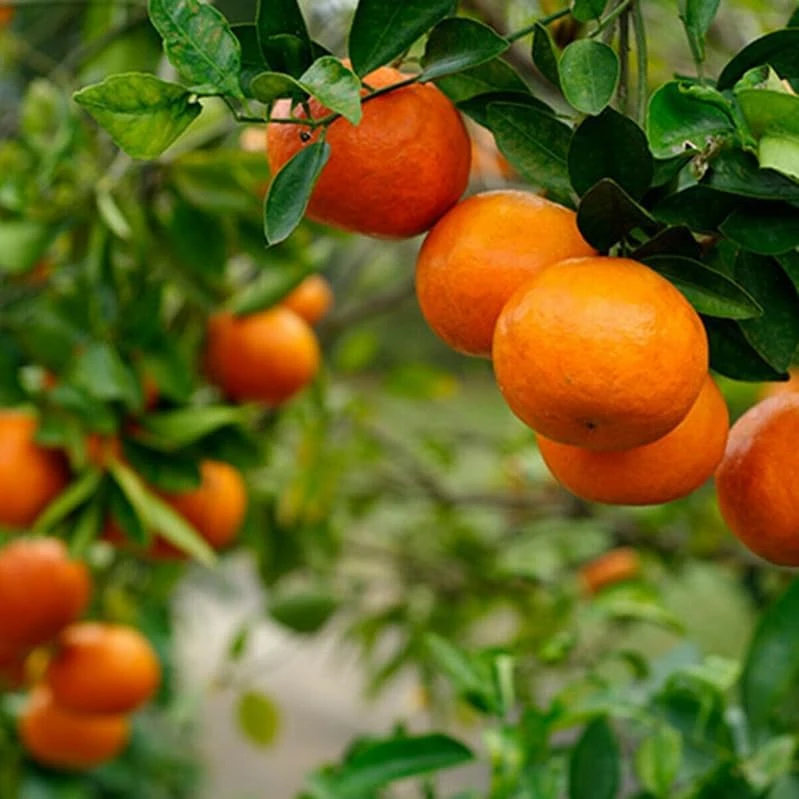
- Ornamental Appeal: With glossy green leaves, fragrant white blossoms, and vibrant orange fruits, the calamondin live plant is a beautiful decorative addition to any setting. It brings a tropical touch and a refreshing aroma.
- Relatively Easy Care: Once established, Calamondin trees are relatively low-maintenance, making them a great choice for both novice and experienced gardeners. They are quite forgiving and resilient when provided with the right conditions.
- Culinary Versatility: Use the fruits to make marmalades, juices, cocktails, or as a flavorful garnish. The tangy juice is also excellent in dressings and sauces, adding a bright, zesty note to your dishes.
- Air Purification: Like many houseplants, the calamondin live plant contributes to a healthier indoor environment by purifying the air, making your living space more pleasant and invigorating.
Plant Care & Growing Tips
Caring for your calamondin live plant is a rewarding experience, as these trees are relatively hardy and adaptable. For optimal growth and fruit production, understanding their specific needs is crucial. They thrive in bright, sunny locations, ideally receiving at least 6-8 hours of direct sunlight per day. If growing indoors, place your plant near a south-facing window or supplement with a grow light, especially during winter months. Adequate light is essential for fruit development and overall plant health. Rotate the plant periodically to ensure even growth and light exposure on all sides.
Watering is key for a healthy calamondin live plant. Allow the top inch or two of soil to dry out between waterings. Overwatering can lead to root rot, while underwatering can cause leaves to drop and fruit production to suffer. Ensure your pot has good drainage holes to prevent waterlogging. During warmer months or when the plant is actively fruiting, it may require more frequent watering. In winter, reduce watering frequency. Fertilize your calamondin with a balanced citrus fertilizer, following the product instructions, typically every 2-4 weeks during the growing season (spring through fall) and less frequently in winter. This provides the necessary nutrients for robust growth and abundant fruit.
The ideal soil for your calamondin live plant is a well-draining potting mix specifically formulated for citrus or a general potting mix amended with perlite or sand for improved drainage. Calamondins prefer slightly acidic to neutral soil. They are relatively tolerant of various temperatures but perform best in temperatures between 60-85°F (15-29°C). Protect them from frost, as they are not cold-hardy; if you live in a region with cold winters (USDA zones below 9-11), bring outdoor container plants indoors when temperatures drop below 40°F (4°C). Pruning can help maintain a desirable shape, encourage bushier growth, and improve air circulation, which can reduce the risk of pests and diseases. Regularly inspect your calamansi fruit tree for common pests like spider mites or aphids and treat promptly with organic insecticidal soap if necessary. With proper care, your calamondin tree care routine will be simple and rewarding.
Size & Details
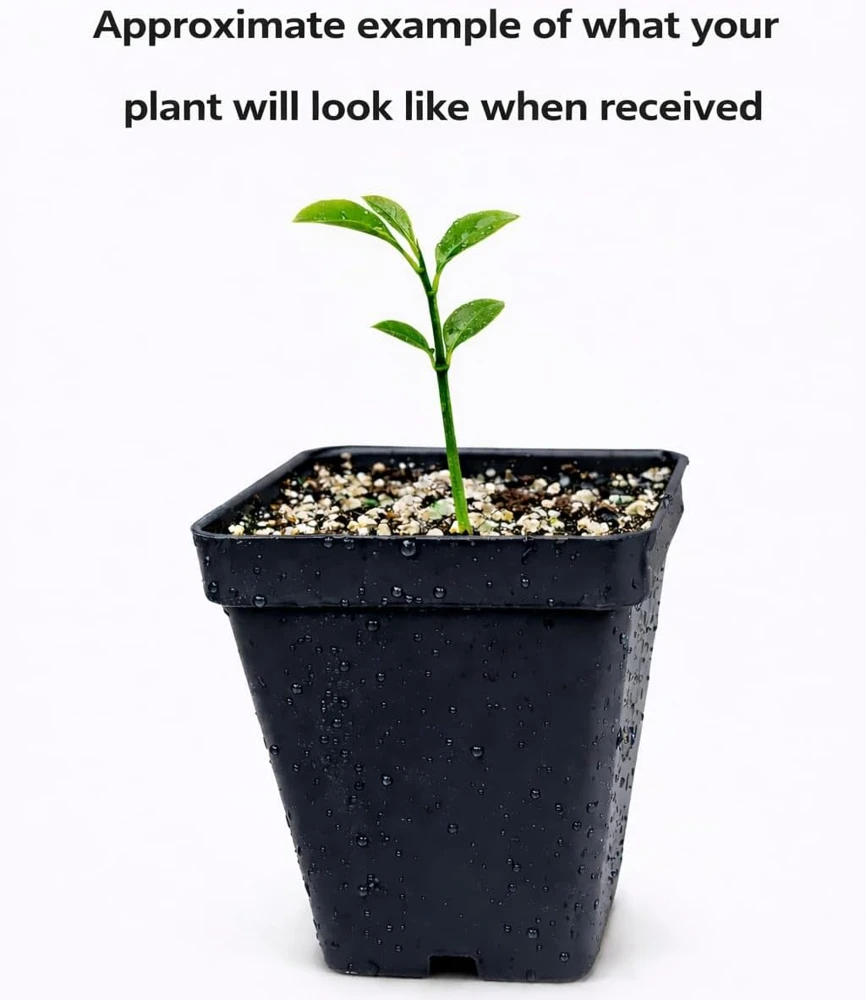
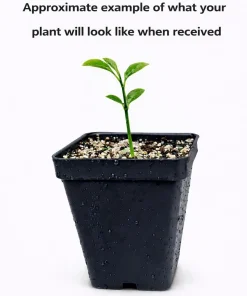
This calamondin live plant arrives as a young seedling, approximately 2 to 5 inches tall, providing a perfect starting point for growing your own citrus tree. It is shipped in a pot, ensuring minimal transplant shock and immediate establishment in its new home. While young, these plants are robust and ready to grow into a productive, mature tree. Calamondin trees are known for their compact growth habit, typically reaching a mature height of 6-10 feet when grown in the ground, but they can be easily maintained at a smaller size (3-6 feet) through pruning, especially when grown in containers. This makes them ideal for various spaces, from a sunny kitchen window to a patio. Expect your plant to begin producing fruit within 1-3 years under optimal growing conditions, offering a continuous harvest once established.
The plant’s growth rate is moderate, allowing you to enjoy its development over time. When selecting a container, choose one that is slightly larger than the current pot and has adequate drainage. As the plant grows, you may need to repot it into a larger container every few years. The versatility of this plant allows for both indoor and outdoor cultivation, depending on your climate and space. This growing calamondin indoors guide makes it easy to care for your plant. Embrace the joy of cultivating your own fresh citrus with this resilient and beautiful citrus microcarpa.
Frequently Asked Questions
- Q: How big does this calamondin live plant get? A: This plant is shipped as a 2-5 inch seedling. When mature, Calamondin trees typically reach 6-10 feet tall in the ground but can be easily kept to 3-6 feet with pruning, especially when grown in containers.
- Q: What size pot does it come in? A: The calamondin live plant is shipped in a small nursery pot, ready for you to transplant into a slightly larger container upon arrival. Ensure the new pot has good drainage.
- Q: Is this an indoor or outdoor plant? A: Calamondin trees are versatile and can be grown both indoors and outdoors. In colder climates (below USDA Zone 9), it is best to grow them in containers and bring them indoors during winter. They are an excellent option for growing calamondin indoors.
- Q: How much sunlight does it need? A: This calamansi fruit tree thrives in full sun, requiring at least 6-8 hours of direct sunlight per day. If growing indoors, place it near a bright, south-facing window or use a supplemental grow light.
- Q: Is this plant easy to care for? A: Yes, Calamondin trees are considered relatively low-maintenance once established. They require consistent watering, adequate sunlight, and occasional fertilization to flourish.
- Q: What condition will it arrive in? A: Your calamondin live plant will arrive as a healthy, potted seedling, approximately 2-5 inches tall, carefully packaged to ensure its safe journey to your home.
- Q: How long until it blooms and produces fruit? A: Under optimal growing conditions, your citrus microcarpa can start to bloom and produce fruit within 1-3 years of planting. Once established, they often fruit year-round.
- Q: Can I use the fruits in cooking? A: Absolutely! Calamondin fruits are highly prized for their unique sweet-tart flavor and are widely used in juices, marmalades, sauces, marinades, and as a garnish in various culinary dishes.
- Q: What’s the best soil for a Calamondin tree? A: A well-draining potting mix is essential. You can use a specific citrus potting mix or a general potting mix amended with perlite or sand to improve drainage.
- Q: What is the recommended USDA hardiness zone for this plant? A: Calamondin trees are best suited for USDA Zones 9-11 if planted outdoors year-round. In colder zones, they should be grown in containers and protected from frost indoors during winter.
Be the first to review “Calamondin (Calamansi) Live Plant – 2-5 Inch Potted Citrus Tree – Indoor/Outdoor”
People Also Viewed
Reviews
There are no reviews yet.