

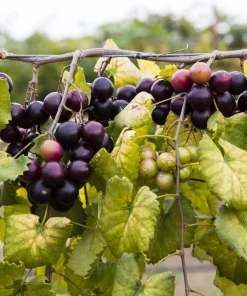
3 Muscadine Grape Vines – 6-12″ Tall Live Plants | Sweet Fruit Climbing Vine
Original price was: $69.98.$38.99Current price is: $38.99.
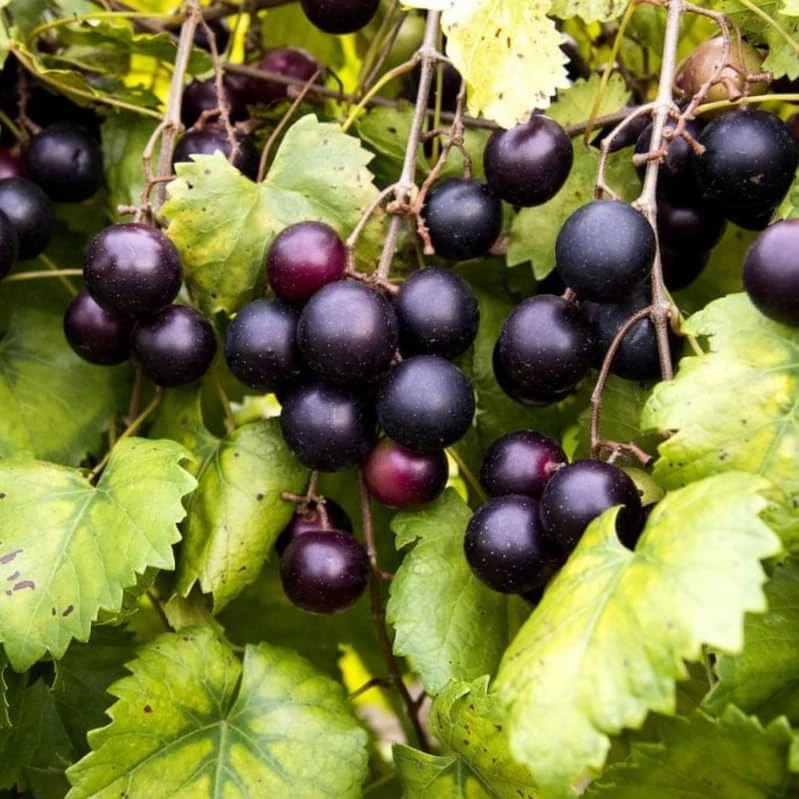
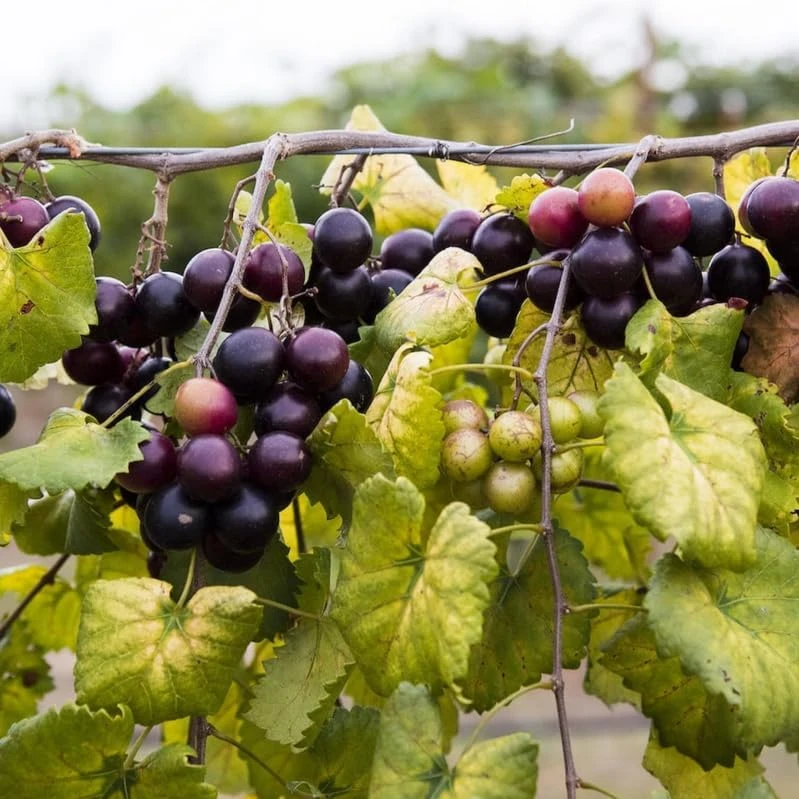
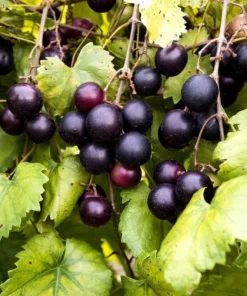
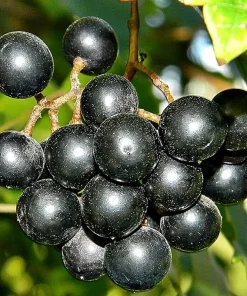
Cultivate delicious fruit with these muscadine grape vines. You’ll receive 3 live plants, each 6-12 inches tall, ready to grow into productive climbing grape plant specimens. Perfect for trellises or fences, these vines produce sweet, hardy grapes ideal for fresh eating or preserves.
Estimated arrival
Oct 14
Oct 19 - Oct 21
Oct 24 - Oct 28
Shop With Confidence
30-Day Plant Health Guarantee
Arrives damaged? We’ll replace it free — see our return policy.
Responsive Support
Email us anytime, we reply within 1 business day.
Expert Packaging
Temperature-controlled shipping to protect your plants in transit.
Secure Checkout
Pay safely with Visa, Mastercard, PayPal.
Plant Specifications
-
USDA Hardiness Zone
USDA zones 7-10 -
Soil Type
Well-draining, slightly acidic soil -
Sunlight Exposure
Full sun -
Expected Planting Period
Spring to early summer
Overview
Bring the taste of the South to your backyard with these beautiful muscadine grape vines. This offering includes three healthy live plants, each standing approximately 6-12 inches tall and ready to be transplanted into your garden. Known scientifically as Vitis rotundifolia, muscadine grapes are a cherished American native, celebrated for their robust growth and delicious, thick-skinned fruit. These hardy vines are an excellent choice for home gardeners looking to add an edible landscape feature that is both productive and ornamental. Whether you’re an experienced vintner or a novice gardener, growing a climbing grape plant like the muscadine is a rewarding experience that yields abundant harvests of sweet fruit vine grapes.
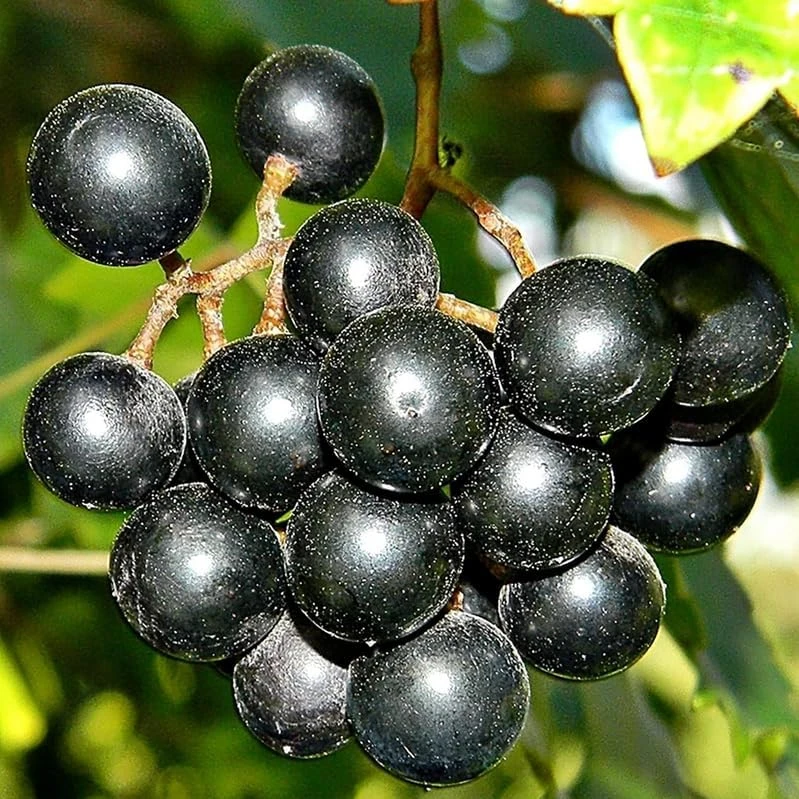
Muscadine grapes are distinct from European grape varieties, offering a unique flavor profile often described as musky, sweet, and tangy. They are highly adaptable and disease-resistant, making them a relatively low-maintenance choice for many climates. These three young plants provide a fantastic opportunity to establish a small vineyard or simply add a delightful fruit-bearing vine to your existing garden structure. Enjoy fresh grapes straight from the vine, or transform them into homemade jams, jellies, juices, and even wine.
Key Benefits
Investing in muscadine grape vines offers numerous advantages for any gardener or fruit enthusiast. These robust plants are not only productive but also add significant aesthetic value to your outdoor space:
- Abundant, Delicious Fruit: Each vine produces clusters of large, sweet, and juicy grapes, perfect for eating fresh, making preserves, or juicing. The unique flavor of these grapes is a true culinary delight.
- Hardy and Resilient: Muscadine grapes are known for their exceptional hardiness and resistance to many common grape diseases and pests, reducing the need for extensive chemical treatments and making muscadine plant care simpler.
- Versatile Culinary Uses: Beyond fresh consumption, these grapes are excellent for creating homemade jellies, jams, pies, and even homemade wines. Their thick skins are also rich in antioxidants.
- Beautiful Ornamental Value: As a vigorous climbing grape plant, muscadine vines provide lush green foliage and can quickly cover trellises, arbors, or fences, offering shade and natural beauty to your garden.
- Adaptable to Various Soils: While they prefer well-draining soil, muscadines are quite tolerant of a range of soil types, making them suitable for many different garden environments.
- Long-Lived Production: Once established, these vines can produce fruit for many years, providing a consistent bounty of grapes season after season.
- Southern Charm: Adding vitis rotundifolia live plant specimens to your garden brings a touch of traditional Southern charm and a connection to native American agriculture.
Plant Care & Growing Tips
Proper care for your muscadine grape vines will ensure a bountiful harvest and healthy growth. These vines thrive in warm climates and are generally adaptable, but a few key practices will help them flourish. They perform best in full sun, requiring at least 6-8 hours of direct sunlight per day to produce the sweetest fruit. Plant your vines in a location that receives ample sunshine throughout the growing season. While they are tolerant of various soil types, well-draining, slightly acidic soil (pH 5.5-6.5) is ideal. Amend heavy clay soils with organic matter to improve drainage.
Watering is crucial, especially during the first year of establishment and during dry spells. Keep the soil consistently moist but not waterlogged. Once established, muscadine vines are relatively drought-tolerant but will benefit from deep watering during prolonged dry periods. Fertilize in early spring with a balanced fertilizer, and again in early summer if growth is slow. Avoid over-fertilizing, especially with high-nitrogen fertilizers, which can promote excessive foliage growth at the expense of fruit production. Pruning is essential for maintaining vigor and maximizing fruit yield. Prune in late winter while the vines are dormant, focusing on removing dead or diseased wood and training the vines to a sturdy trellis or arbor. This also helps with air circulation, which is vital for preventing fungal diseases.
For optimal growth and fruit production, ensure your climbing grape plant has a sturdy support system. Trellises, arbors, or fences are excellent choices, allowing the vine to spread and receive adequate sunlight. Monitor for common pests like Japanese beetles and diseases, though muscadines are generally quite resistant. Regular inspection and prompt action can prevent serious issues. Understanding muscadine plant care will lead to a thriving vineyard or garden addition that provides years of delicious fruit.
Size & Details
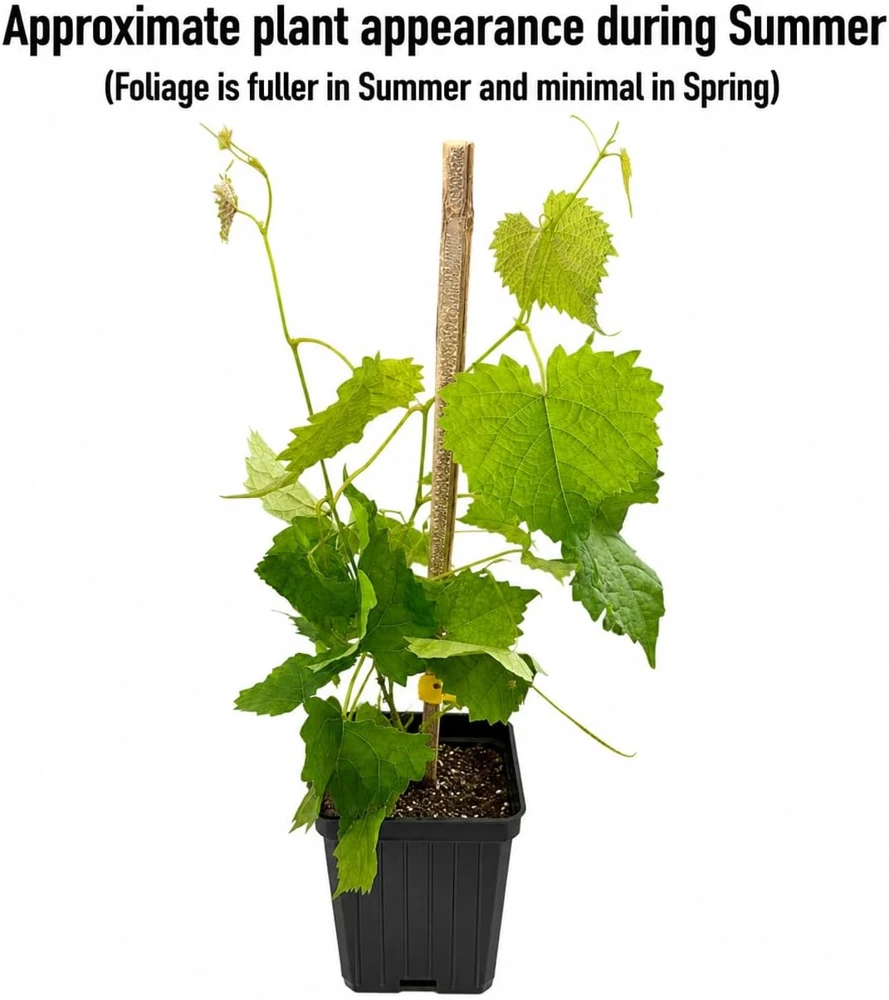
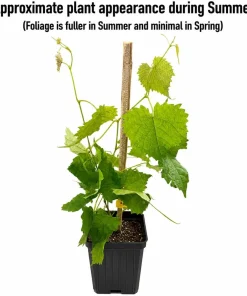
This product includes three individual muscadine grape vines, each approximately 6-12 inches in height. These young plants are shipped in 4-inch nursery pots, ensuring they arrive with an established root system ready for planting. Muscadine vines are known for their vigorous growth rate, and with proper care, they can quickly establish themselves and begin to climb. While the initial height is modest, these vines can grow several feet in a single season, eventually reaching lengths of 20-30 feet or more if not pruned. They typically begin producing fruit within 2-3 years after planting, with full production achieved in 5-7 years.
The mature size of a sweet fruit vine depends heavily on pruning and the support structure provided. Expect a mature vine to have a spread of 10-15 feet or more, creating a dense canopy of foliage. These plants are ideal for USDA zones 7-10, tolerating a wide range of temperatures. They are deciduous, meaning they will lose their leaves in the fall and go dormant over winter, only to bud out again in the spring. Each plant is a robust specimen, ready to embark on its journey to becoming a productive and beautiful addition to your home garden.
Frequently Asked Questions
- Q: How big will these muscadine grape vines get? A: These muscadine grape vines are shipped at 6-12 inches tall. With proper care and support, they are vigorous growers and can reach lengths of 20-30 feet or more, depending on pruning and the structure they climb.
- Q: Is this an indoor or outdoor plant? A: Muscadine grapes are outdoor plants, best suited for gardens, vineyards, trellises, or arbors where they can receive full sun exposure. They are not typically grown as indoor plants.
- Q: How much sunlight do these vines need? A: For optimal growth and fruit production, these vitis rotundifolia live plant specimens require at least 6-8 hours of direct sunlight per day. Choose a sunny location in your garden.
- Q: What condition will the plants arrive in? A: Your climbing grape plant specimens will arrive as live, healthy plants, approximately 6-12 inches tall, and shipped in 4-inch nursery pots with an established root system.
- Q: When is the best time to plant muscadine grape vines? A: The best time to plant muscadine grape vines is in early spring after the last danger of frost has passed, or in early fall in warmer climates.
- Q: Are muscadine grapes self-pollinating? A: Some muscadine varieties are self-pollinating, while others require a pollinator. It’s best to check the specific variety for self-fertility or plant multiple varieties for cross-pollination to ensure a good crop of sweet fruit vine grapes.
- Q: What USDA zones are suitable for these muscadine grape vines? A: These muscadine grape vines thrive in USDA Hardiness Zones 7-10, tolerating the warm climates and soil conditions found within these regions.
- Q: How long until these vines produce fruit? A: You can typically expect your muscadine grape vines to start producing fruit within 2-3 years after planting, with full production usually achieved in 5-7 years.
- Q: What kind of soil do muscadine grapes prefer? A: Muscadine grapes prefer well-draining, slightly acidic soil (pH 5.5-6.5). Amending heavy soils with organic matter will help ensure good drainage.
- Q: Is complex muscadine plant care required? A: While pruning and proper support are important, muscadine grapes are generally considered relatively low-maintenance and disease-resistant compared to other grape varieties, making them a good choice for many gardeners.
Be the first to review “3 Muscadine Grape Vines – 6-12″ Tall Live Plants | Sweet Fruit Climbing Vine”
People Also Viewed

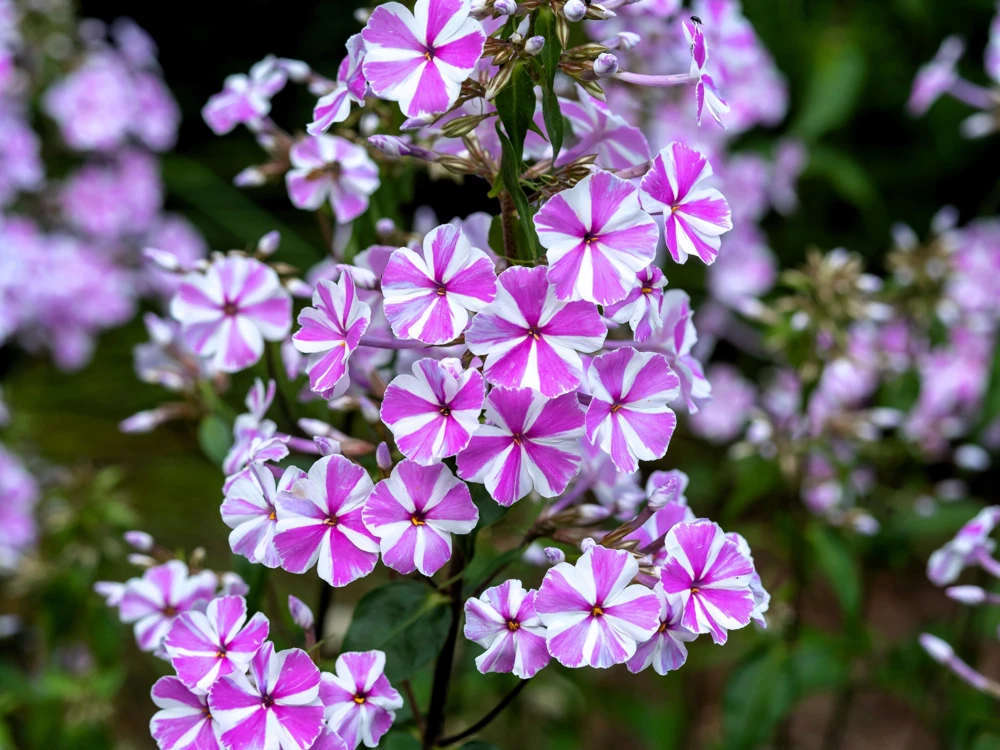
Flower Seeds
20 Meadow Phlox Maculata Mixed Color Seeds – Wild Sweet William Native Hummingbird Flower
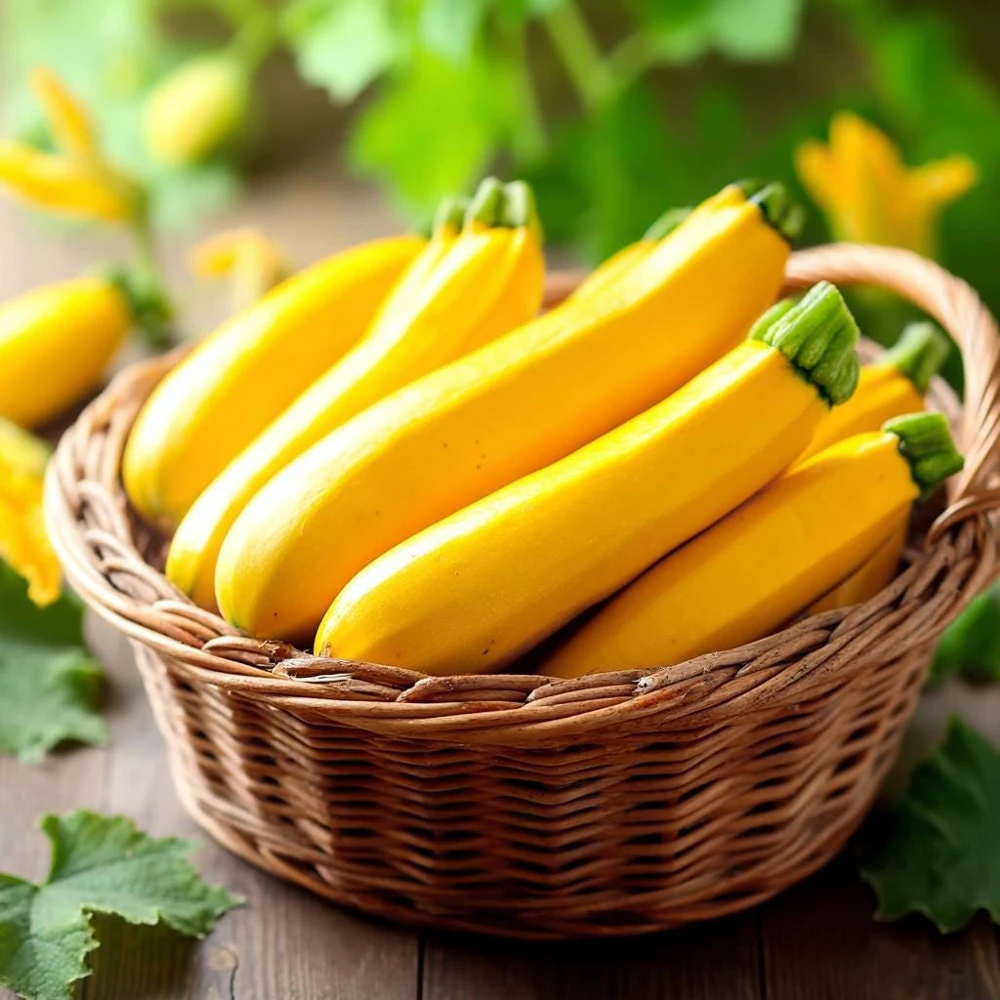
Vegetable Seeds
Golden Zucchini Squash Seeds – 25 Heirloom Summer Squash Seeds

Flower Plants
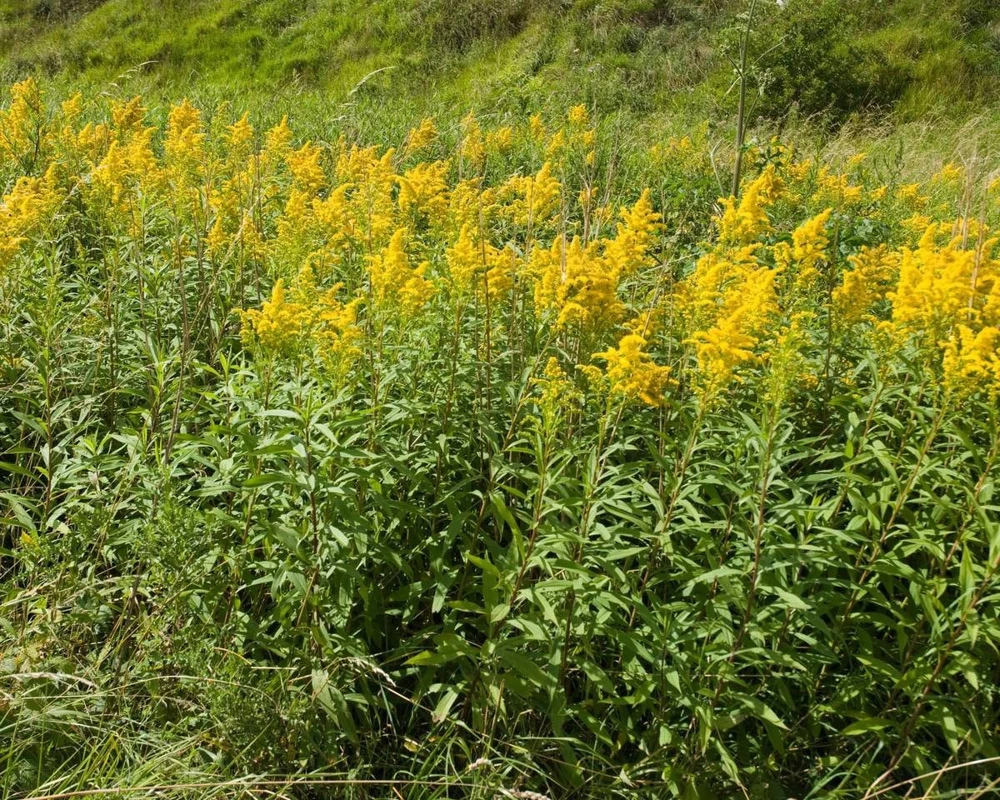
10 Goldenrod Bare Root Plants – Perennial Wildflower for Monarch Butterflies & Pollinators, Full Sun

Reviews
There are no reviews yet.