
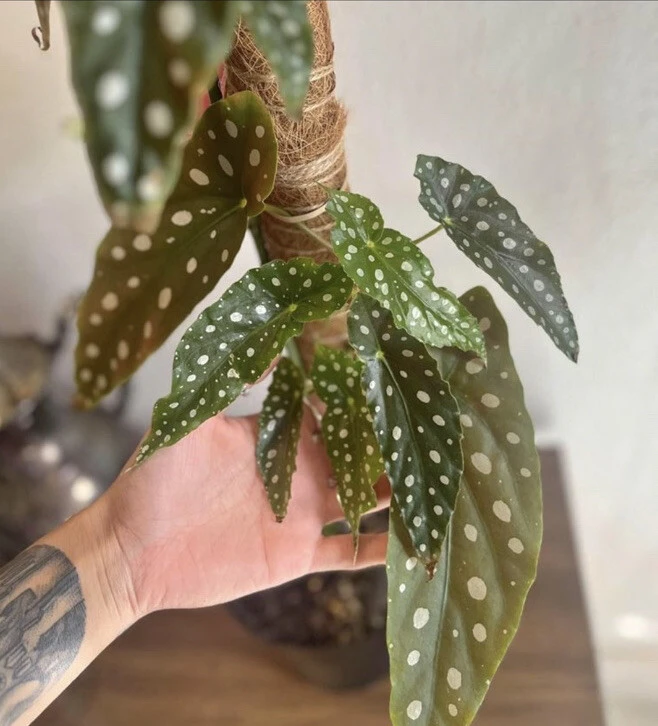
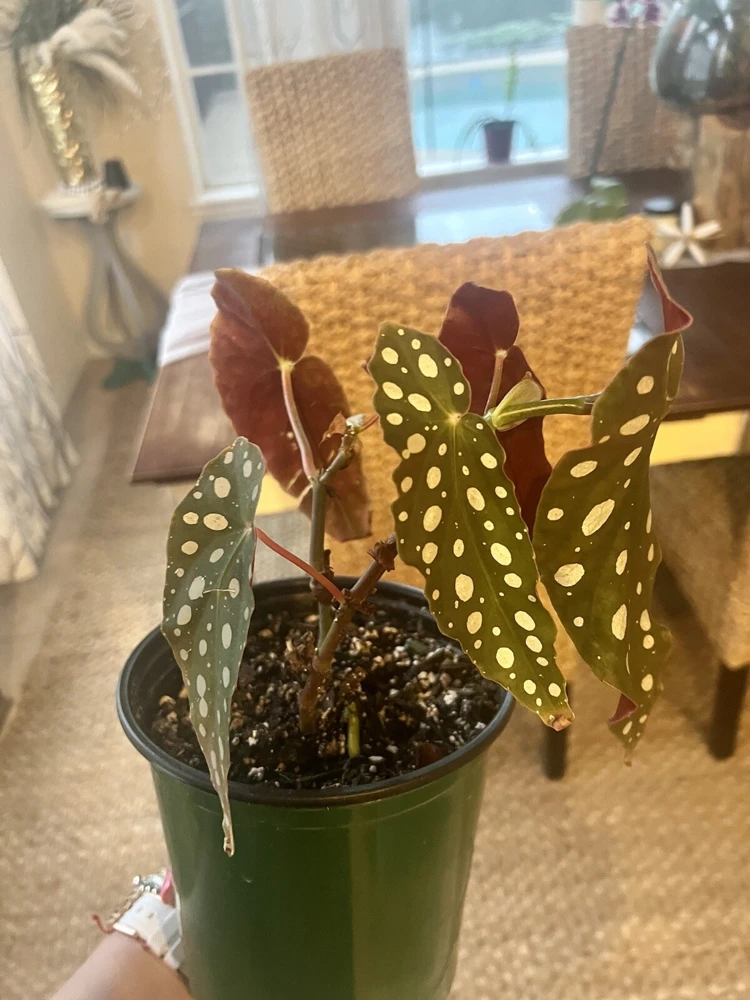
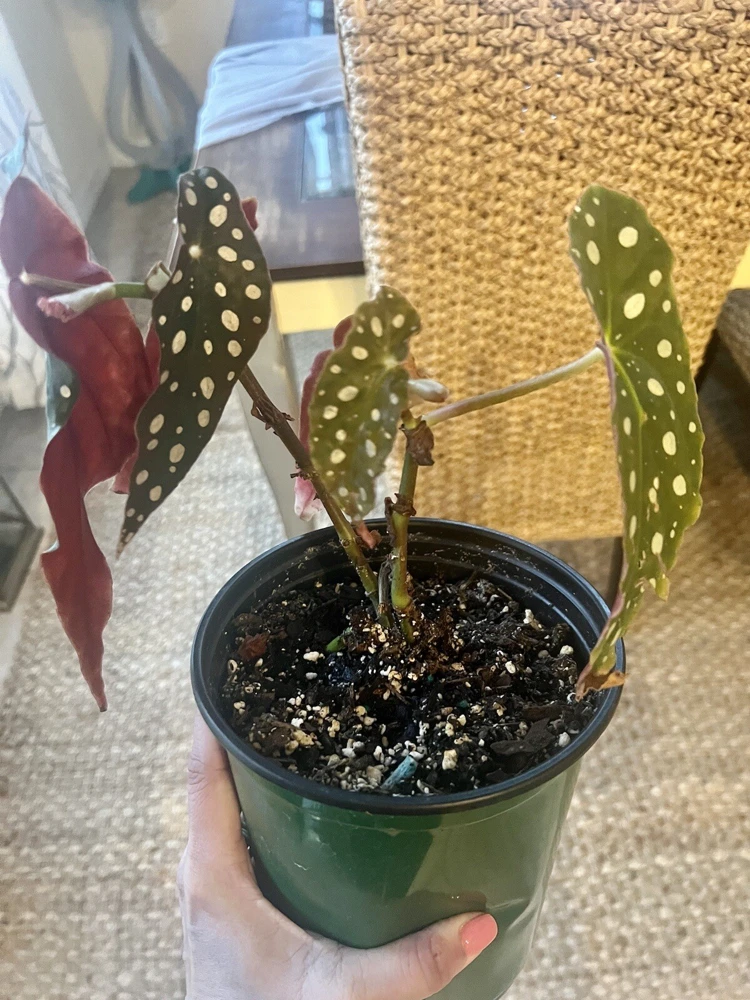
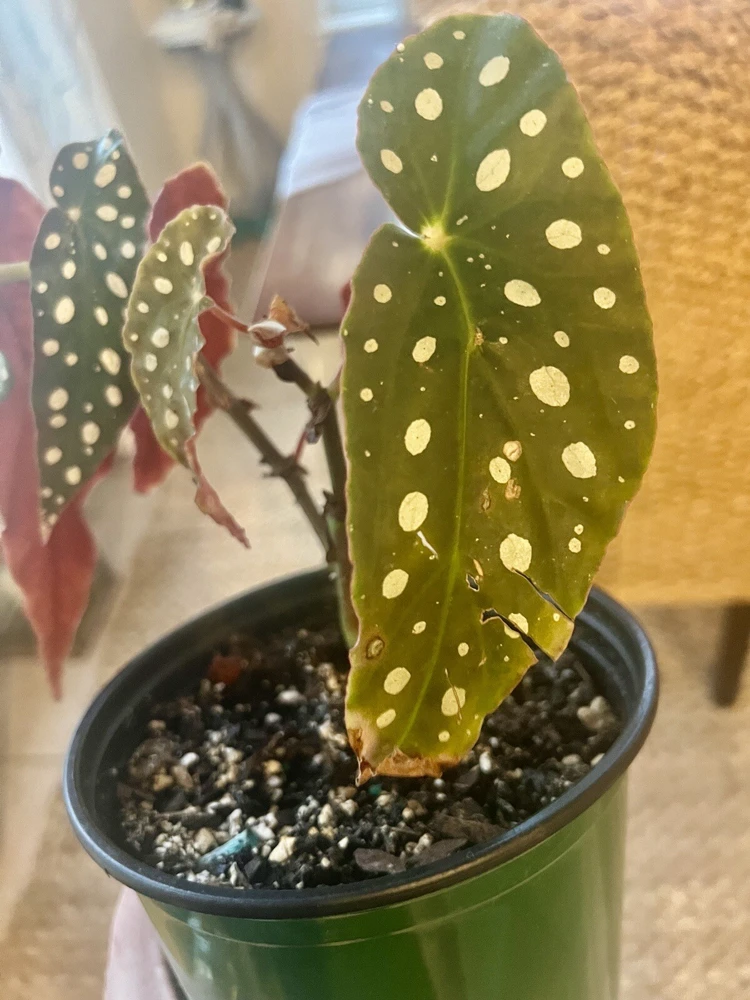
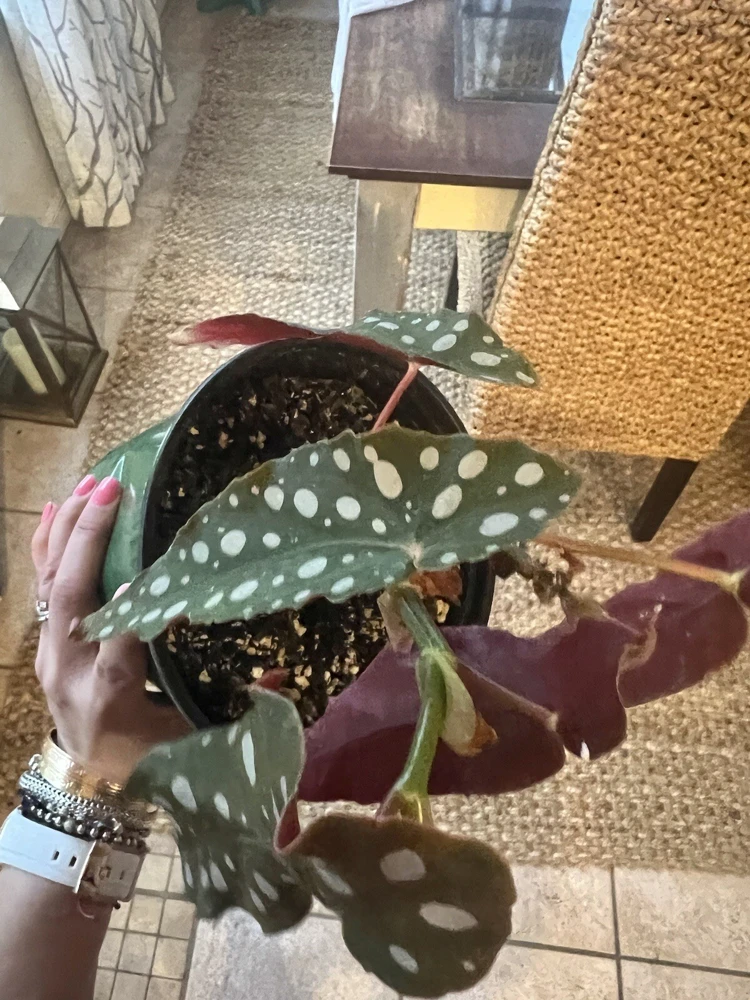
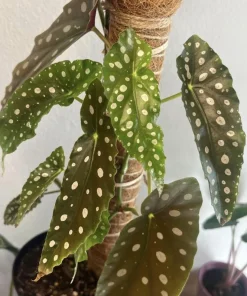
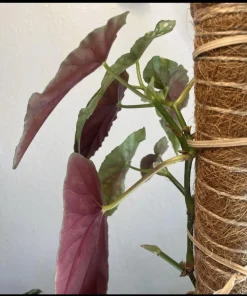
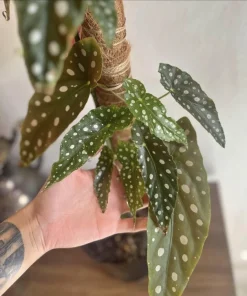
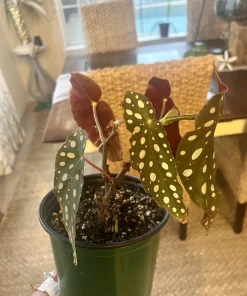
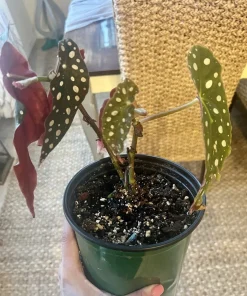
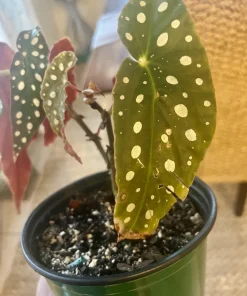
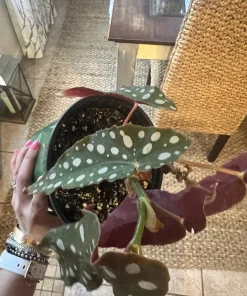
Begonia Maculata Live Plant – Polka Dot Begonia Houseplant in Pot
Original price was: $34.99.$27.99Current price is: $27.99.
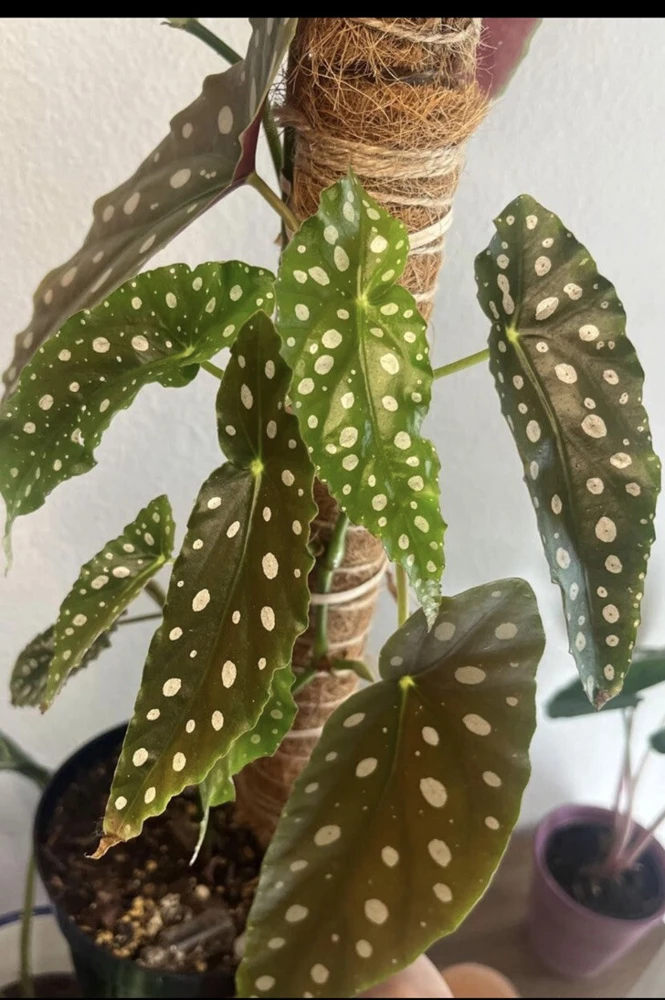
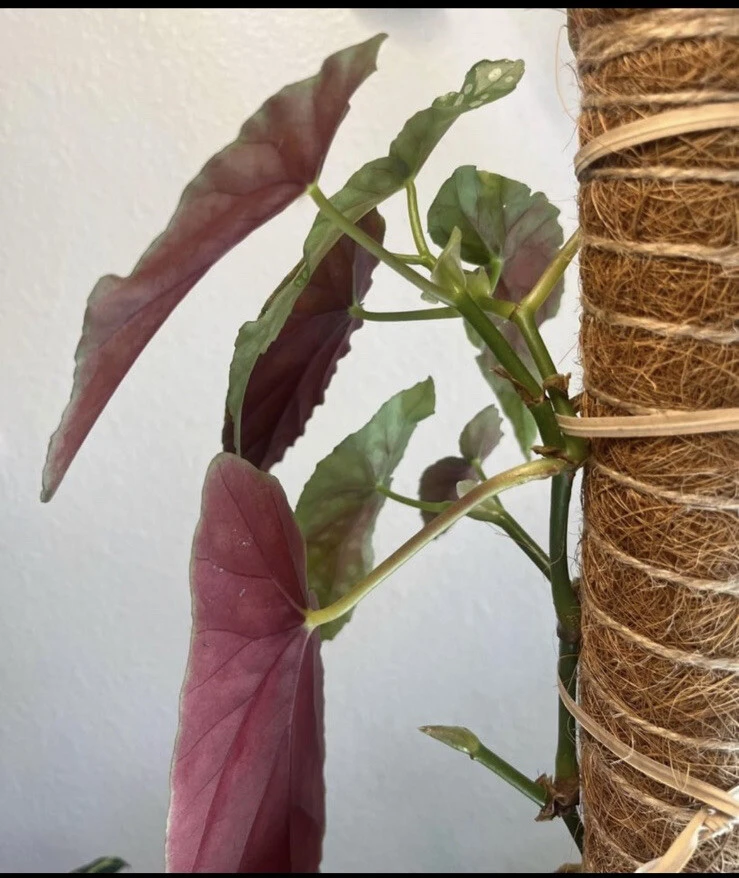
Bring exotic beauty into your home with a begonia maculata live plant. This stunning polka dot begonia features striking silver-spotted leaves and vibrant red undersides, making it a captivating indoor houseplant. Perfect for adding a touch of rare elegance to your collection.
Estimated arrival
Oct 27
Nov 01 - Nov 03
Nov 06 - Nov 10
Shop With Confidence
30-Day Plant Health Guarantee
Arrives damaged? We’ll replace it free — see our return policy.
Responsive Support
Email us anytime, we reply within 1 business day.
Expert Packaging
Temperature-controlled shipping to protect your plants in transit.
Secure Checkout
Pay safely with Visa, Mastercard, PayPal.
Plant Specifications
-
USDA Hardiness Zone
USDA zones 10-11 (outdoors); suitable for all zones indoors -
Soil Type
Well-draining, airy potting mix (peat, perlite, bark) -
Sunlight Exposure
Bright, indirect light -
Expected Planting Period
Year-round indoors
Overview
Discover the captivating allure of the begonia maculata live plant, also widely known as the Polka Dot Begonia or Spotted Begonia. This exceptional aroid is celebrated for its distinctive foliage, showcasing elongated, olive-green leaves adorned with contrasting bright silver spots on the upper surface and a rich, deep red or burgundy on the underside. Originating from Brazil, the Begonia maculata is a tropical perennial that thrives indoors, making it a highly sought-after houseplant for enthusiasts and beginners alike. Its unique appearance instantly elevates any indoor plant collection, offering a touch of exotic elegance and vibrant texture. Unlike many other begonias, the begonia maculata live plant is primarily grown for its stunning leaves rather than its flowers, though it can produce delicate white or pink blooms under ideal conditions. This plant is a true conversation starter, offering year-round visual interest and a sophisticated aesthetic.
Key Benefits
The begonia maculata live plant offers numerous advantages, making it an excellent choice for enhancing your living space. Its unique appearance and relatively straightforward care make it a rewarding plant to cultivate.
- Stunning Ornamental Foliage: The primary benefit of the Polka Dot Begonia is its breathtaking foliage. The distinct silver spots on dark green leaves, coupled with the vibrant red undersides, create a dramatic visual contrast that is unparalleled. This plant serves as a living piece of art, adding sophisticated beauty to any room.
- Air Purification Qualities: Like many houseplants, the Begonia maculata contributes to a healthier indoor environment by helping to filter airborne toxins and improve air quality. It’s a natural way to freshen up your home or office space.
- Moderate Growth & Manageable Size: This begonia typically maintains a manageable size when grown indoors, making it suitable for various spaces, from desk tops to floor stands. Its moderate growth rate means it won’t quickly outgrow its designated spot, requiring less frequent repotting.
- Unique & Rare Appeal: Often considered a ‘rare begonia plant’, the Begonia maculata stands out from common houseplants. Owning one adds a unique specimen to your collection, reflecting a discerning taste in botanical beauty.
- Relatively Low Maintenance: While it has specific light and humidity needs, a begonia maculata indoor plant is not overly demanding once its environment is established. With consistent care, it will flourish, providing long-lasting enjoyment.
- Versatile Decor Accent: Its striking appearance makes it a versatile plant for interior design. It can be a focal point on a shelf, a vibrant addition to a plant cluster, or an elegant accent in a minimalist setting.
- Pet-Friendly (with caution): While all begonias contain soluble calcium oxalates which can cause irritation if ingested, the Begonia maculata is generally considered less toxic than some other houseplants. However, it’s always best to keep it out of reach of curious pets.
Plant Care & Growing Tips
Caring for your begonia maculata live plant involves understanding its specific needs for light, water, humidity, and soil to ensure its vibrant growth and health. These tropical plants thrive in environments that mimic their natural habitat.
Sunlight Requirements: The polka dot begonia care routine begins with proper lighting. This plant prefers bright, indirect light. Direct sunlight can scorch its delicate leaves, causing brown spots and fading of its vibrant colors. An east-facing window is often ideal, providing gentle morning sun, or a north-facing window for consistent indirect light. If placed in a brighter room, ensure it’s not directly in the path of harsh afternoon sun. Insufficient light can lead to leggy growth and reduced leaf spotting.
Watering Schedule and Soil Moisture: Water your Begonia maculata when the top inch or two of the soil feels dry to the touch. It’s crucial to avoid overwatering, as this can lead to root rot, a common issue for begonias. Ensure proper drainage in its pot. Allow excess water to drain completely from the bottom. During winter months, reduce watering frequency as the plant’s growth slows. Conversely, in warmer months or higher humidity, it may require more frequent watering. Providing consistent moisture without waterlogging is key to a healthy begonia maculata live plant.
Soil Type and Drainage: A well-draining, airy potting mix is essential for the begonia maculata indoor plant. A good mix typically consists of peat moss, perlite, and pine bark, which provides excellent drainage while retaining adequate moisture. Avoid heavy, compact soils that can suffocate the roots. Repotting is generally needed every 1-2 years, or when the plant becomes root-bound, preferably in spring.
Temperature and Humidity: Being a tropical plant, the Begonia maculata thrives in warm temperatures between 65-75°F (18-24°C). Avoid exposing it to temperatures below 55°F (13°C), as this can cause stress and damage. High humidity is also crucial for this plant’s well-being. Aim for humidity levels of 50% or higher. You can increase humidity by using a pebble tray, a room humidifier, or by grouping it with other plants. Browning leaf edges often indicate insufficient humidity.
Fertilization: During the growing season (spring and summer), feed your maculata begonia for sale with a balanced liquid fertilizer diluted to half strength every 2-4 weeks. Reduce or stop fertilization during fall and winter when the plant is dormant. Over-fertilization can lead to nutrient burn and harm the roots.
Common Problems and Solutions: Watch out for common pests like spider mites, mealybugs, and aphids. Inspect your plant regularly and treat any infestations promptly with insecticidal soap or neem oil. Yellowing leaves can indicate overwatering or nutrient deficiency, while crispy leaves often point to low humidity or underwatering. Pruning leggy stems can encourage bushier growth and maintain a desirable shape.
Size & Details
This begonia maculata live plant is carefully cultivated to ensure a healthy and robust specimen for your home. It typically ships as a young, actively growing plant, ready to thrive in its new environment. Expect your plant to arrive well-rooted in a nursery pot, with established foliage showcasing its signature polka dot pattern. While exact dimensions can vary, young plants generally stand between 6-10 inches tall from the base of the pot, with a spread of similar size, making them perfect for tabletops or shelves. As it matures, the Begonia maculata can reach heights of 2-3 feet indoors, developing a more upright, cane-like growth habit. The plant’s growth rate is moderate, allowing you to enjoy its development over time. Each leaf can grow several inches long, displaying the striking silver spots and deep red undersides. It is shipped in its nursery pot to minimize transplant shock and ensure a smooth transition to your home. This plant is a perfect way to start or enhance your collection of rare and unique houseplants.
Frequently Asked Questions
- Q: How big does this begonia maculata live plant get? A: Indoors, the Begonia maculata typically grows to be about 2 to 3 feet tall, though with proper care and pruning, it can be kept more compact. Its cane-like stems can reach impressive lengths over time, creating a stunning vertical display.
- Q: What size pot does it come in? A: Our Polka Dot Begonia is shipped in a standard nursery pot, typically ranging from 4 to 6 inches in diameter. This size is ideal for the plant’s current stage of growth and allows for easy acclimation to your home before repotting.
- Q: Is this an indoor or outdoor plant? A: The Begonia maculata is primarily cultivated as an indoor houseplant in most climates due to its tropical origins. While it can be placed outdoors in shaded areas during warm summer months in USDA zones 10-11, it must be brought inside before temperatures drop.
- Q: How much sunlight does it need? A: This plant thrives in bright, indirect light. Avoid direct sunlight, which can scorch its leaves. An east or north-facing window is often ideal, or a spot a few feet away from a south or west-facing window. Proper lighting is crucial for vibrant foliage and good polka dot begonia care.
- Q: Is this plant easy to care for? A: The Begonia maculata is considered moderately easy to care for. It requires consistent attention to its watering and humidity needs. Once you understand its preferences, it becomes a rewarding and relatively low-maintenance addition to your indoor garden, even for those new to a rare begonia plant.
- Q: What condition will it arrive in? A: Your begonia maculata live plant will arrive carefully packaged, healthy, and actively growing in its nursery pot. We take great care to ensure the plant is well-protected during transit, ready to thrive in its new home.
- Q: Is it shipped in soil? A: Yes, the plant is shipped fully rooted in its original nursery soil and pot. This minimizes stress during transit and helps the plant acclimate more easily to its new environment upon arrival. This method is best for ensuring the health of your maculata begonia for sale.
- Q: How often should I water my begonia maculata indoor plant? A: Water when the top 1-2 inches of soil feel dry to the touch. This typically means watering once every 7-10 days, but it can vary based on temperature, humidity, and pot size. Always ensure good drainage to prevent root rot.
- Q: Is the Begonia maculata pet-safe? A: While generally considered mildly toxic if ingested due to calcium oxalates, it’s best to keep the Begonia maculata out of reach of pets and children. Ingestion can cause oral irritation, burning, and swelling.
- Q: What’s the minimum temperature this plant can tolerate? A: As a tropical plant, the Begonia maculata prefers temperatures above 60°F (15°C). It should not be exposed to temperatures below 55°F (13°C) for extended periods, as this can cause significant stress and damage to the plant.
Be the first to review “Begonia Maculata Live Plant – Polka Dot Begonia Houseplant in Pot”
People Also Viewed

Reviews
There are no reviews yet.