
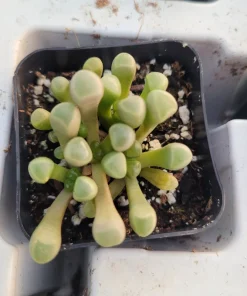
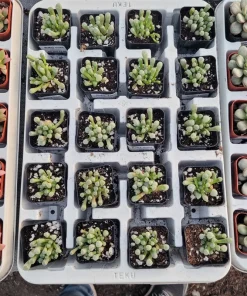
Baby Toes Succulent Live Plant – Fenestraria Rhopalophylla, Rare Indoor/Outdoor
Original price was: $47.99.$22.99Current price is: $22.99.
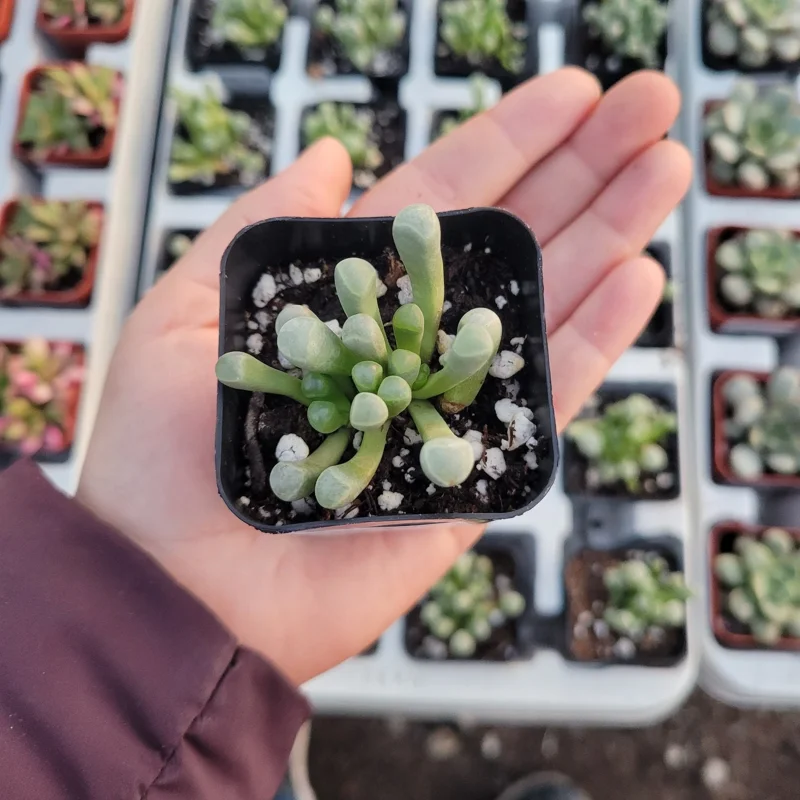
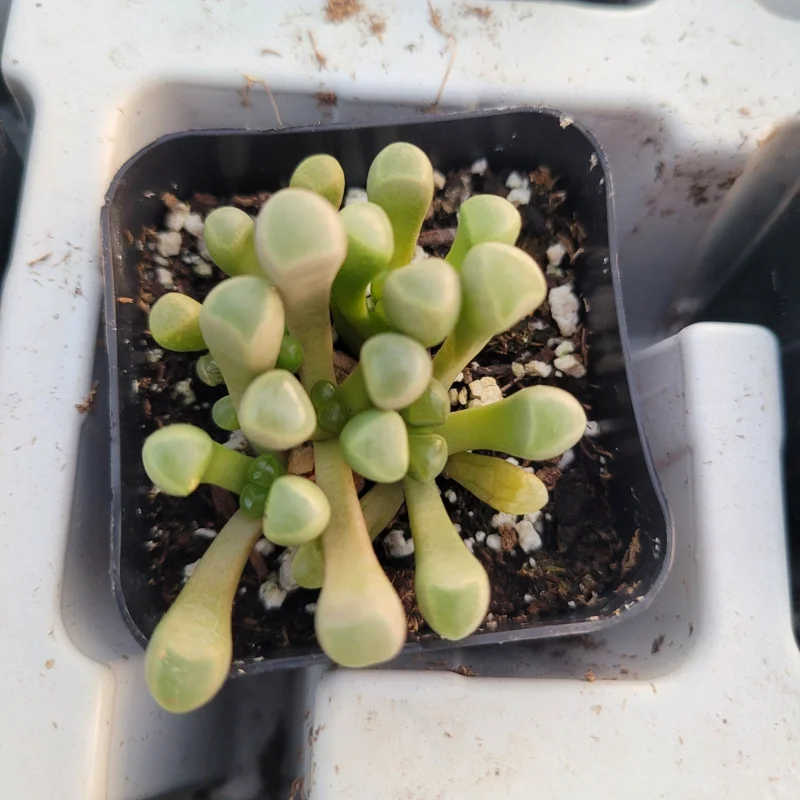
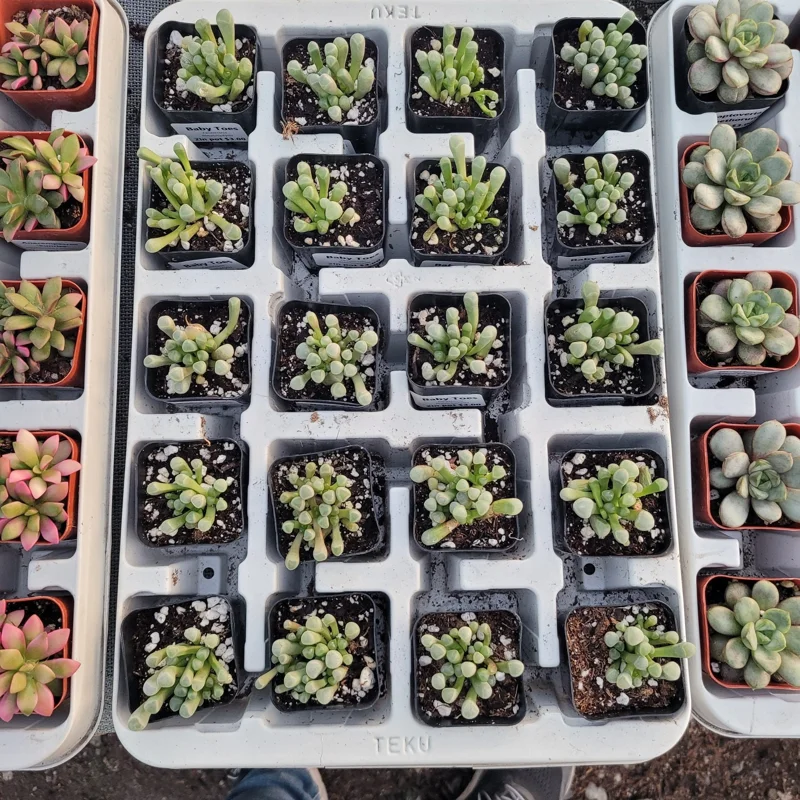
Bring home the delightful baby toes succulent live plant, Fenestraria rhopalophylla. This unique and rare succulent plant resembles tiny toes, making it a charming addition to any collection. Known for its smooth, green leaves and striking white or yellow flowers, it’s an easy care succulent perfect for both indoor and outdoor settings. Enjoy this distinctive plant that thrives with minimal attention.
Estimated arrival
Oct 15
Oct 20 - Oct 22
Oct 25 - Oct 29
Shop With Confidence
30-Day Plant Health Guarantee
Arrives damaged? We’ll replace it free — see our return policy.
Responsive Support
Email us anytime, we reply within 1 business day.
Expert Packaging
Temperature-controlled shipping to protect your plants in transit.
Secure Checkout
Pay safely with Visa, Mastercard, PayPal.
Plant Specifications
-
USDA Hardiness Zone
USDA zones 9-11 -
Soil Type
Well-draining potting mix -
Sunlight Exposure
Full sun to partial shade -
Expected Planting Period
Year-round indoors
Overview
Introduce a whimsical touch to your plant collection with the captivating baby toes succulent live plant, scientifically known as Fenestraria rhopalophylla. This extraordinary succulent is named for its distinctive tube-shaped leaves that charmingly resemble tiny baby toes. Originating from the arid regions of Namaqualand in Namibia and South Africa, this plant has evolved to thrive in challenging environments, making it remarkably resilient and an easy care succulent for enthusiasts of all levels. The Fenestraria rhopalophylla care is straightforward, making it an ideal choice for those new to succulents or looking for a low-maintenance yet visually intriguing plant. Its smooth, vibrant green leaves are a joy to behold, and as it matures, it surprises with delicate white or yellow flowers, adding another layer of beauty to its unique form. This rare succulent plant is perfect for adding character to windowsills, desks, or rock gardens.
Key Benefits
The baby toes succulent live plant offers a multitude of benefits, making it a highly desirable addition to any home or garden. Its unique appearance and fuss-free nature contribute to its widespread appeal. Understanding its advantages can help you appreciate this delightful plant even more:
-
Unique Aesthetic Appeal
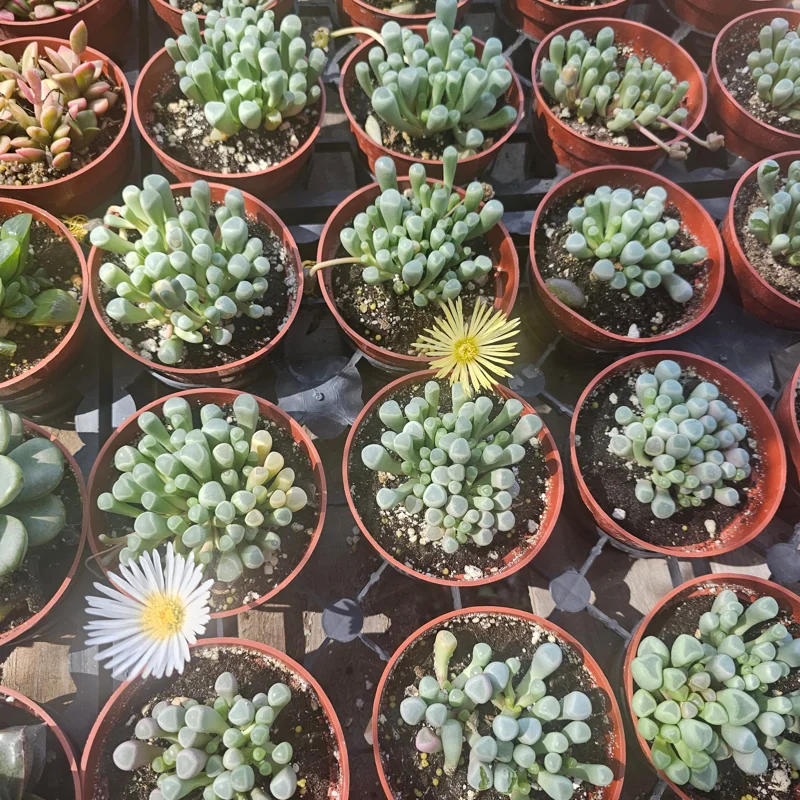
The most striking feature of this succulent is its distinctive appearance. The club-shaped leaves with translucent tips, often called ‘windows’, allow light into the plant’s interior, giving it an otherworldly glow. This makes it a fascinating focal point and a great conversation starter. It’s a truly rare succulent plant that stands out.
-
Low Maintenance & Easy Care
For those seeking a plant that doesn’t demand constant attention, the Fenestraria rhopalophylla care routine is incredibly simple. It thrives on neglect, requiring infrequent watering and minimal fuss, making it an ideal succulent for beginners or busy individuals. This means more enjoyment and less worry about its well-being.
-
Versatile Indoors & Outdoors
Whether you have a sunny windowsill or a well-drained outdoor rock garden, the Baby Toes succulent can adapt. It’s suitable for both indoor and outdoor cultivation, provided its light and drainage needs are met, offering flexibility in where you choose to display it. This versatility adds to its charm as a baby toes succulent live plant.
-
Drought Tolerant
As a desert native, this succulent is highly drought-tolerant. It stores water in its fleshy leaves, allowing it to withstand long periods without water. This characteristic is a major plus for those who sometimes forget to water their plants.
-
Charming Blooms
Beyond its intriguing foliage, the Baby Toes succulent produces beautiful white or yellow daisy-like flowers when mature. These charming blooms emerge from the center of the ‘toes’, adding a delicate burst of color and further enhancing the plant’s appeal.
-
Compact Size
Its small and compact growth habit makes it perfect for small spaces, terrariums, or as part of a succulent arrangement. It won’t outgrow its spot quickly, allowing for long-term enjoyment without constant repotting.
Plant Care & Growing Tips
Caring for your baby toes succulent live plant is surprisingly simple, primarily because it’s an easy care succulent adapted to harsh conditions. The key to successful Fenestraria rhopalophylla care lies in replicating its native arid environment. This means providing ample sunlight, excellent drainage, and a conservative watering schedule. Understanding these fundamental needs will ensure your plant thrives and potentially rewards you with its delightful blooms.
Sunlight Requirements: This succulent absolutely loves bright light. It thrives in full sun to partial shade. When growing indoors, place your baby toes succulent live plant in a south-facing window where it can receive at least 6 hours of direct sunlight daily. If direct sunlight is too intense, especially during peak summer, a little morning sun with afternoon shade or bright indirect light will also work. Insufficient light can lead to etiolation, where the plant stretches and loses its compact form.
Watering Schedule & Soil Moisture: Overwatering is the quickest way to kill a succulent. Allow the soil to dry out completely between waterings. When you do water, do so thoroughly until water drains from the bottom of the pot, then allow the pot to dry out again. During its growing season (spring and summer), you might water every 2-4 weeks, reducing frequency significantly in fall and winter. The ‘toes’ might slightly shrivel when thirsty, indicating it’s time for a drink. Always ensure there is an excellent draining hole in the pot to prevent root rot, a common issue in overwatered succulents. This careful approach is crucial for Fenestraria rhopalophylla care.
Soil Type & Drainage: A well-draining soil mix is paramount. A standard cactus or succulent potting mix is ideal, or you can create your own by mixing regular potting soil with perlite, pumice, or coarse sand in a 1:1 ratio. This ensures that water doesn’t sit around the roots, which is vital for the health of your rare succulent plant. Good drainage prevents fungal diseases and root rot, which are detrimental to succulents.
Temperature Range & USDA Hardiness Zone: Baby Toes succulents prefer warm temperatures between 65-80°F (18-27°C). They are not frost-tolerant and should be protected from temperatures below 40°F (4°C). If grown outdoors in colder climates, they should be brought indoors before the first frost. They are generally suited for USDA zones 9-11 for outdoor cultivation. For those living in colder zones, growing them as an indoor potted plant is the best option.
Fertilization: Fertilizing is not strictly necessary for this easy care succulent, but it can encourage more vigorous growth and flowering during its active growing season. If you choose to fertilize, use a balanced liquid fertilizer diluted to half strength, once a month during spring and summer. Avoid fertilizing during the dormant winter months. Over-fertilization can harm the plant, so less is often more.
Common Problems & Solutions: The most common issues arise from improper watering. Watch for mushy, discolored leaves (overwatering) or severely shriveled leaves (underwatering). Pests are generally not a major problem, but mealybugs can occasionally appear. Treat with rubbing alcohol on a cotton swab or an insecticidal soap. Providing adequate airflow and light will help prevent most issues for your baby toes succulent live plant.
Size & Details
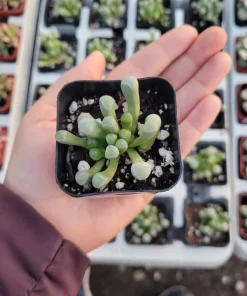
The baby toes succulent live plant, Fenestraria rhopalophylla, is a delightful and compact succulent, making it suitable for various display options. Typically, the individual ‘toes’ or leaves can grow to about 1 to 1.5 inches in length, forming dense clumps that can spread to cover several inches. While specific dimensions can vary, you can expect a healthy plant to form a small, attractive cluster. Our plants are shipped in their nursery grow pot to ensure minimal disturbance during transit, arriving ready for you to enjoy. They are generally young, healthy plants, providing a solid foundation for continued growth in your home. The growth rate is moderate, allowing you to appreciate its development without it quickly outgrowing its space. This rare succulent plant will continue to form new ‘toes’ and expand its clump over time, eventually maturing to produce its charming white or yellow flowers. While the exact pot size is not specified, it will be a suitable size for a young succulent, allowing for easy repotting into a decorative container of your choice. This plant is a fantastic choice for anyone looking for a unique and manageable succulent specimen.
Frequently Asked Questions
- Q: How big does this plant get? A: The baby toes succulent live plant typically grows in compact clusters, with individual ‘toes’ reaching about 1 to 1.5 inches in length. The clump itself can spread several inches wide, making it a perfect size for small pots or arrangements.
- Q: Is this an indoor or outdoor plant? A: This versatile succulent can thrive both indoors and outdoors. If grown outdoors, it prefers full sun to partial shade and is best suited for USDA zones 9-11. Indoors, place it in a bright, sunny window.
- Q: How much sunlight does it need? A: The Fenestraria rhopalophylla care requires bright light. It ideally needs at least 6 hours of direct sunlight per day, especially when grown indoors. Ensure it gets plenty of light to maintain its compact shape and vibrant color.
- Q: Is this plant easy to care for? A: Yes, the Baby Toes succulent is considered an easy care succulent. It’s very drought-tolerant and thrives on minimal attention, making it an excellent choice for beginners or those with busy schedules.
- Q: What condition will it arrive in? A: Your baby toes succulent live plant will arrive wrapped to protect it during shipping, typically in its original nursery grow pot. Some soil may shift during transit, but the plant will be healthy and ready for its new home.
- Q: Is it good for beginners? A: Absolutely! Due to its low water requirements and preference for neglect, it’s a fantastic succulent for beginners looking to expand their plant collection with a unique specimen.
- Q: How often should I water my Baby Toes succulent? A: Water sparingly. Allow the soil to dry out completely between waterings. When you do water, do so thoroughly until it drains from the bottom, then wait for the soil to dry out again. Overwatering is the biggest risk.
- Q: What kind of soil does it need? A: This rare succulent plant requires well-draining soil. A specialized cactus or succulent potting mix is ideal, or you can amend regular potting soil with perlite or pumice for improved drainage.
- Q: When does it bloom? A: Mature Baby Toes succulents typically produce charming white or yellow daisy-like flowers, often in the fall or spring, given proper care and sufficient light.
- Q: Will it survive winter in my zone? A: If you live in USDA zones 9-11, it can generally survive outdoors. In colder climates, it must be brought indoors and protected from frost, as it is not cold-hardy.
| Option | 2In Pot, 4In Pot |
|---|
Be the first to review “Baby Toes Succulent Live Plant – Fenestraria Rhopalophylla, Rare Indoor/Outdoor”
People Also Viewed



Reviews
There are no reviews yet.