


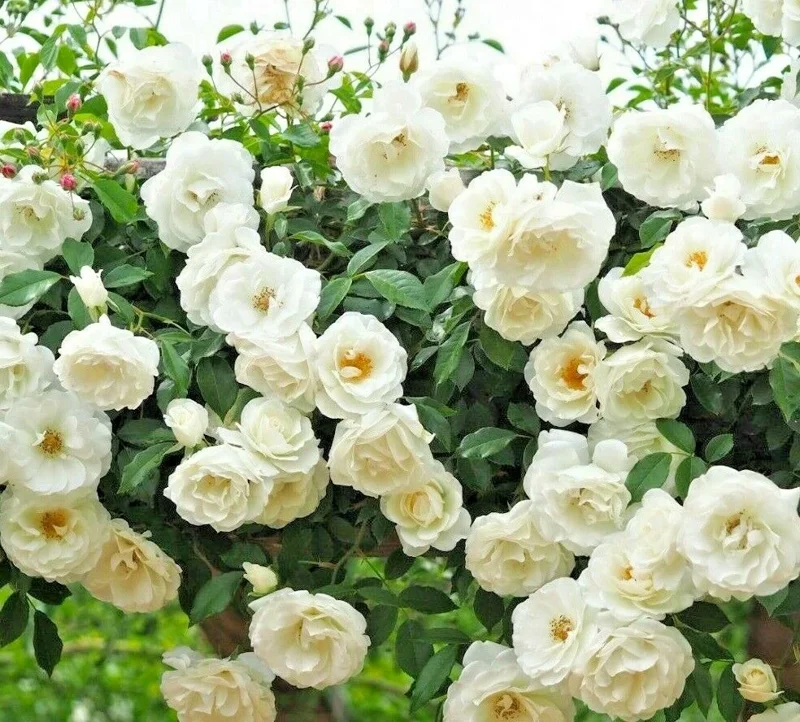
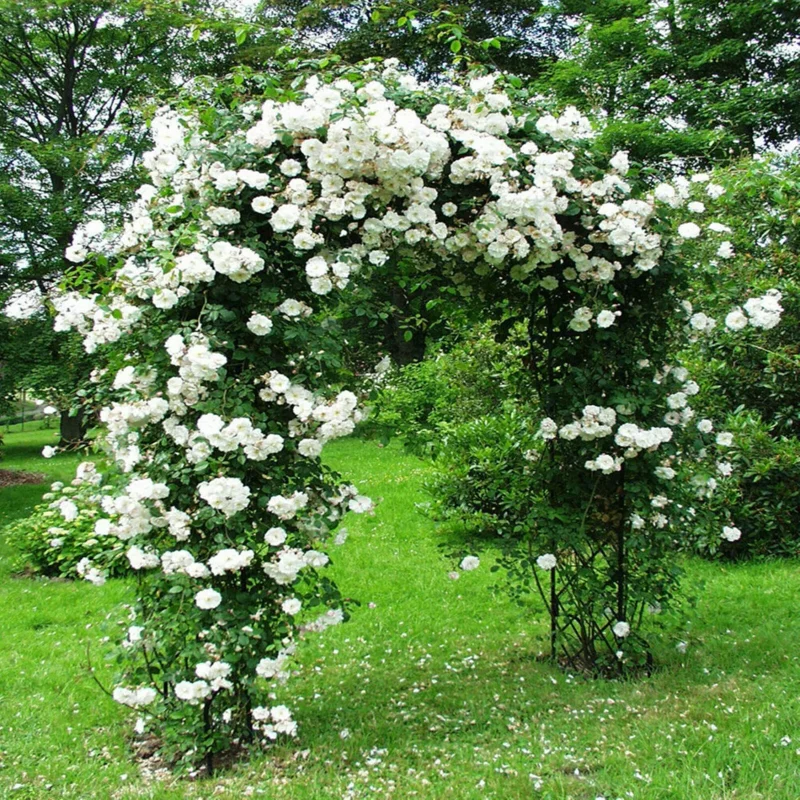
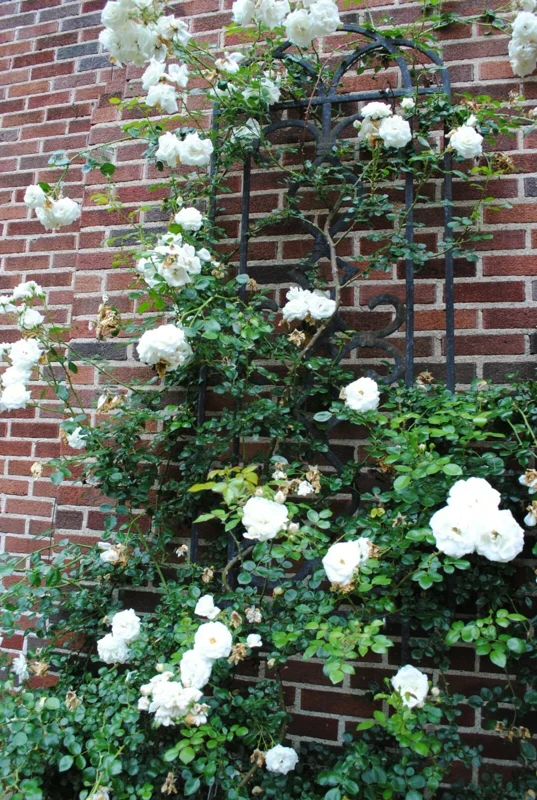
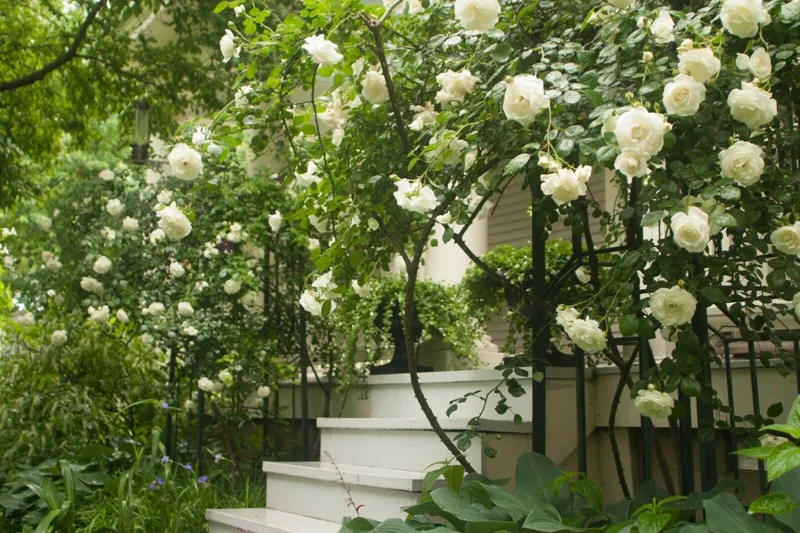
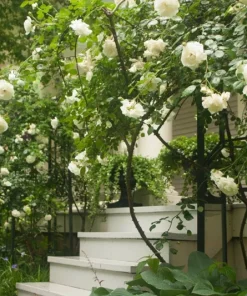
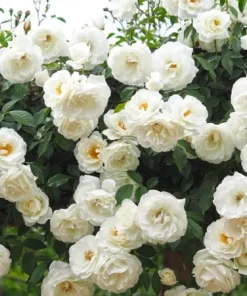
Rose Plant Seeds & Cuttings – Grow Your Own Beautiful Roses – Indoor/Outdoor
Original price was: $36.99.$11.99Current price is: $11.99.
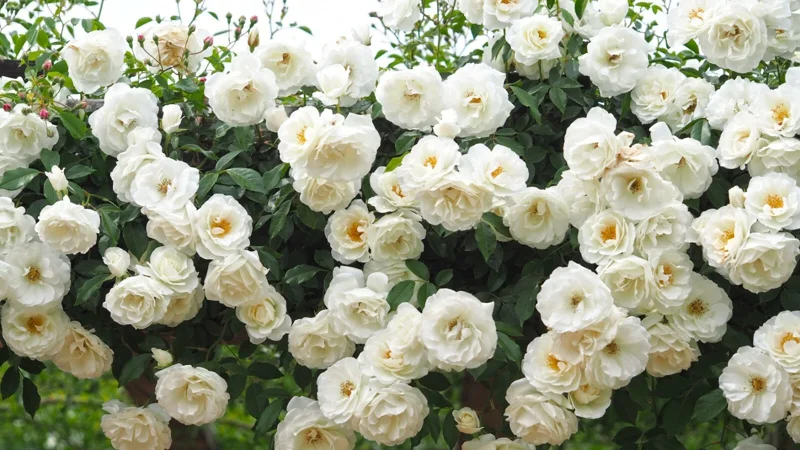
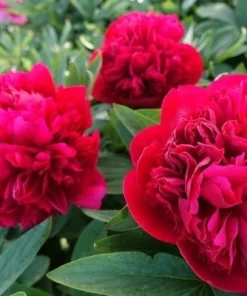
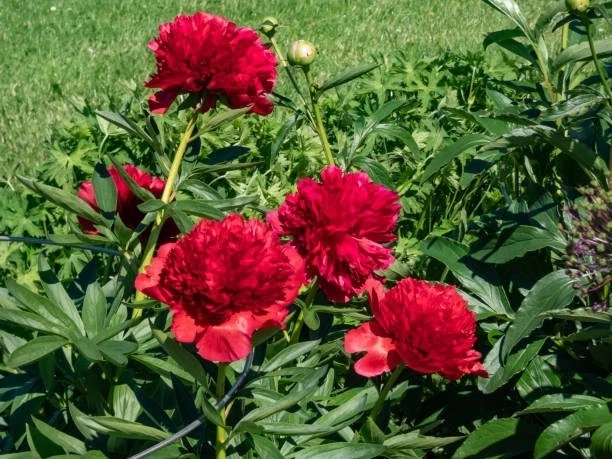
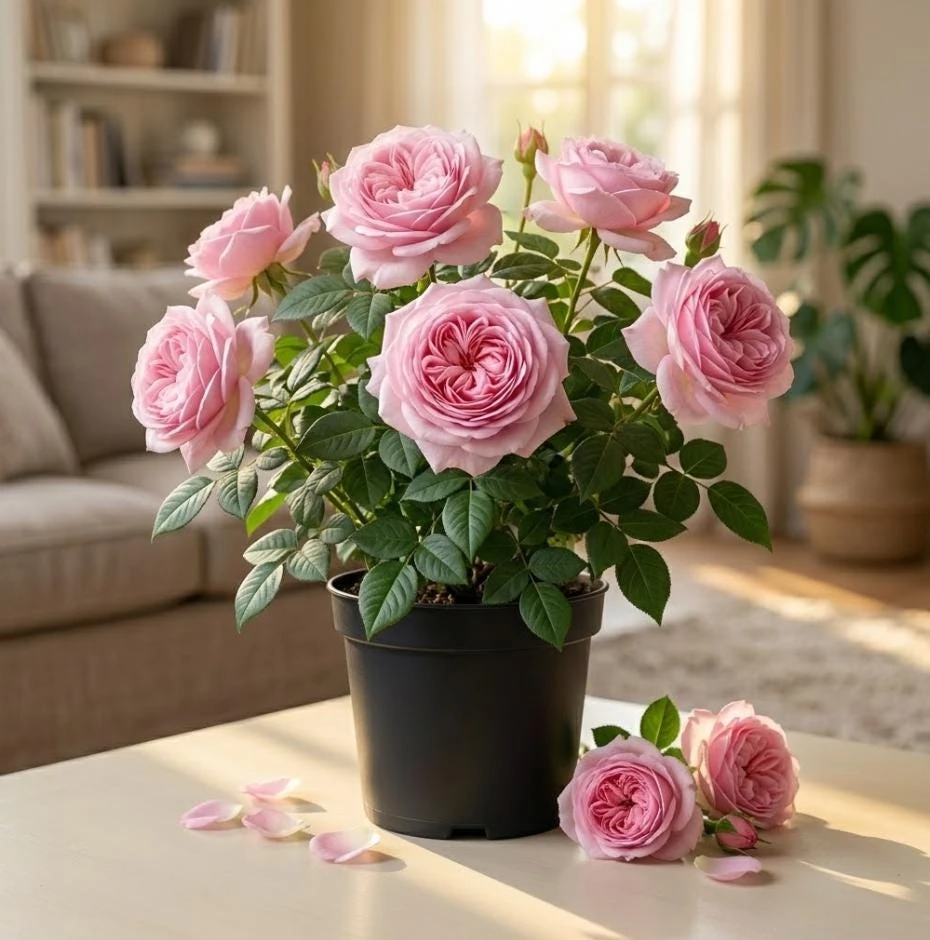
Start your rose garden today with our versatile rose plant seeds and rose plant cuttings. Ideal for cultivating beautiful roses, suitable for both indoor and outdoor environments, and perfect for adding elegance to any space.
Estimated arrival
Oct 15
Oct 20 - Oct 22
Oct 25 - Oct 29
Shop With Confidence
30-Day Plant Health Guarantee
Arrives damaged? We’ll replace it free — see our return policy.
Responsive Support
Email us anytime, we reply within 1 business day.
Expert Packaging
Temperature-controlled shipping to protect your plants in transit.
Secure Checkout
Pay safely with Visa, Mastercard, PayPal.
Plant Specifications
-
USDA Hardiness Zone
USDA zones 5-9 (varies by specific variety) -
Soil Type
Rich, well-draining loamy soil -
Sunlight Exposure
Full sun (6-8 hours direct light) -
Expected Planting Period
Year-round indoors; Fall/Winter for seeds, Spring/Summer for outdoor cuttings
Overview
Embark on a delightful gardening journey with our premium selection of rose plant seeds and rose plant cuttings. Whether you’re a seasoned gardener or just starting, these versatile options provide everything you need to cultivate stunning roses. Roses, known as the universal symbol of love and beauty, are a classic addition to any garden or home. Our offerings allow you to grow these magnificent flowers from their very beginning, offering a deeply rewarding experience. You can choose to plant seeds for a diverse range of outcomes or opt for cuttings for a more predictable bloom. These roses are ideal for creating vibrant flower beds, elegant container displays, or even as charming indoor accents, bringing natural beauty and a captivating fragrance to your surroundings. With proper care, your efforts will be rewarded with an abundance of exquisite rose blooms.
This product provides a fantastic opportunity to grow roses from scratch, offering a unique connection to nature. Each option, whether seeds or cuttings, is carefully sourced to ensure viability and potential for robust growth. Imagine the satisfaction of watching your own rose plants flourish, from tiny seedlings or rooted cuttings to mature plants adorned with fragrant blossoms. These roses are suitable for a variety of climates and growing conditions, making them a popular choice for gardeners across the US. They are also an excellent choice for those looking to expand their horticultural skills and enjoy the therapeutic benefits of gardening.
Key Benefits
Our rose plant seeds and cuttings offer numerous benefits for any aspiring or experienced gardener, transforming your space into a fragrant haven:
- Stunning Blooms: Experience the joy of cultivating beautiful, fragrant rose flowers that add elegance and charm to your garden or home. Each bloom is a testament to your care and dedication.
- Versatile Growing Options: Choose between rose plant seeds for a diverse and exciting growth experience, or opt for rose plant cuttings for faster establishment and more predictable results. Both methods are rewarding.
- Indoor & Outdoor Suitability: These roses can be grown successfully both indoors in pots or outdoors in garden beds, providing flexibility for various living situations and garden designs.
- Therapeutic Gardening: Engage in a relaxing and fulfilling hobby that reduces stress and connects you with nature. Watching your roses grow from seed or cutting offers immense satisfaction.
- Long Blooming Season: With proper care, your rose plants can provide continuous blooms throughout multiple seasons, ensuring a vibrant display for an extended period.
- Natural Air Purifiers: Like many plants, roses contribute to a healthier indoor environment by improving air quality, making your living spaces more pleasant.
- Pet-Friendly Option: While roses have thorns, the plants themselves are generally considered safe for pets, allowing you to enjoy their beauty without undue worry.
Plant Care & Growing Tips
Cultivating healthy rose plant seeds or cuttings requires attention to a few key environmental factors. For optimal growth, roses generally thrive in locations that receive at least 6-8 hours of direct sunlight per day. If growing indoors, place them near a south-facing window or use supplemental grow lights to ensure they get adequate light. When planting seeds, sow them in well-draining soil mix, typically about 1/4 inch deep. For cuttings, ensure the rooting medium is kept consistently moist until roots develop. The ideal soil for roses is a rich, well-draining loam with a pH between 6.0 and 7.0. Amend heavy clay soils with organic matter to improve drainage, and sandy soils to improve water retention. Regular watering is crucial, especially during dry periods and for newly established plants. Aim for deep watering that saturates the root zone, allowing the top inch or two of soil to dry out slightly between waterings to prevent root rot.
Roses are moderate to heavy feeders. Fertilize your live rose plant every 4-6 weeks during the growing season with a balanced rose-specific fertilizer. Reduce fertilization in late summer to allow the plant to harden off before winter. Pruning is essential for promoting healthy growth, better air circulation, and abundant blooms. Remove dead, damaged, or crossing branches, and deadhead spent flowers to encourage new growth. Protect your roses from common pests like aphids and spider mites, and diseases such as black spot and powdery mildew, by inspecting them regularly and applying appropriate organic or chemical treatments if necessary. Most roses are hardy in USDA zones 5-9, but this can vary depending on the specific variety. For colder climates, consider winter protection such as mulching or covering the base of the plant. Growing from rose flower seeds can sometimes yield unexpected color variations, adding an element of surprise to your garden.
Size & Details
Our offerings include various forms to start your rose garden. You can choose from a selection of rose plant seeds, typically provided in quantities of 10, 20, or 50 seeds, allowing for ample opportunities to germinate and establish multiple plants. Alternatively, you can opt for rose plant cuttings, usually provided in quantities of 5 or 10 cuttings, which are ready for rooting and offer a quicker path to mature plants. When grown, a typical rose plant can reach a height of 2 to 6 feet and a spread of 2 to 4 feet, depending on the variety and growing conditions. Some climbing varieties may grow much taller. These plants are generally fast-growing, with blooms often appearing within the first year for cuttings and sometimes the second year for plants grown from seed. The size of the plant at shipment will depend on the chosen option, with seeds being small packets and cuttings being unrooted or partially rooted stems. Regardless of the starting form, your efforts will culminate in a vibrant and thriving rose bush.
Frequently Asked Questions
- Q: How long does it take for rose plant seeds to germinate? A: Germination times for rose plant seeds can vary widely depending on the specific rose variety and stratification methods used. Generally, after stratification, seeds can germinate anywhere from a few weeks to several months. Patience is key when growing roses from seed.
- Q: What is the best way to care for rose plant cuttings? A: To care for rose plant cuttings, plant them in a well-draining rooting medium, keep the medium consistently moist, and provide bright, indirect light. High humidity is beneficial, often achieved with a humidity dome or plastic bag over the cuttings. Once rooted, they can be transplanted.
- Q: Can I grow roses indoors? A: Yes, many rose varieties can be grown indoors, especially miniature roses or smaller shrub roses. They require ample sunlight (6+ hours), consistent watering, good air circulation, and a well-draining pot. Growing a live rose plant indoors can bring beauty to your home.
- Q: How much sunlight does a rose plant need? A: Most rose plants require at least 6 to 8 hours of direct sunlight per day to produce abundant blooms and maintain healthy growth. Less sunlight can lead to fewer flowers and increased susceptibility to diseases. Ensure your grow roses project starts with proper sun exposure.
- Q: Is this rose plant pet-safe? A: While roses are generally considered non-toxic to pets, their thorns can cause injury. It’s always best to supervise pets around any plant. The plant itself, aside from the thorns, is not known to be harmful if ingested in small quantities.
- Q: When is the best time to plant rose seeds or cuttings? A: The best time to plant rose flower seeds is typically in late fall or early winter, as many require a period of cold stratification to germinate. Cuttings are often taken in late spring or early summer, and can be rooted indoors year-round with proper conditions.
- Q: What type of soil is best for growing roses? A: Roses prefer a rich, loamy, well-draining soil with a slightly acidic to neutral pH (6.0-7.0). Good drainage is crucial to prevent root rot. Amending with compost or other organic matter can greatly improve soil structure and fertility for your live rose plant.
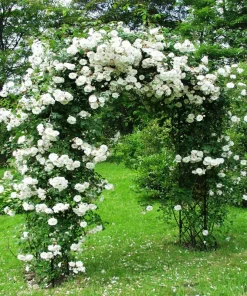
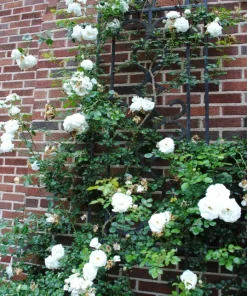
- Q: How big will the rose plant get? A: The mature size of a rose plant varies significantly by variety. Most shrub roses grow 2-6 feet tall and wide, while climbing roses can reach 10-20 feet. Information on typical mature size for the specific variety will be available upon selection.
- Q: Do these roses require special winter protection? A: In colder climates (USDA zones 4-6), many roses benefit from winter protection, such as mounding soil or mulch around the base of the plant, or covering the entire plant. Hardier varieties may require less protection.
- Q: Can I expect blooms in the first year from seeds? A: While some very fast-growing rose varieties might produce a few blooms from rose plant seeds in their first year, it is more common for plants grown from seed to bloom in their second year. Cuttings often bloom sooner than seed-grown plants.
| Options | 10 Cuttings, 20 Seeds, 5 Cuttings, 50 Seeds, Sample 5 Seeds, Seedling (5-8"), Starter Plant (1-2Ft) |
|---|
Be the first to review “Rose Plant Seeds & Cuttings – Grow Your Own Beautiful Roses – Indoor/Outdoor”
People Also Viewed
Flower Seeds
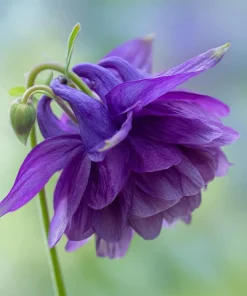
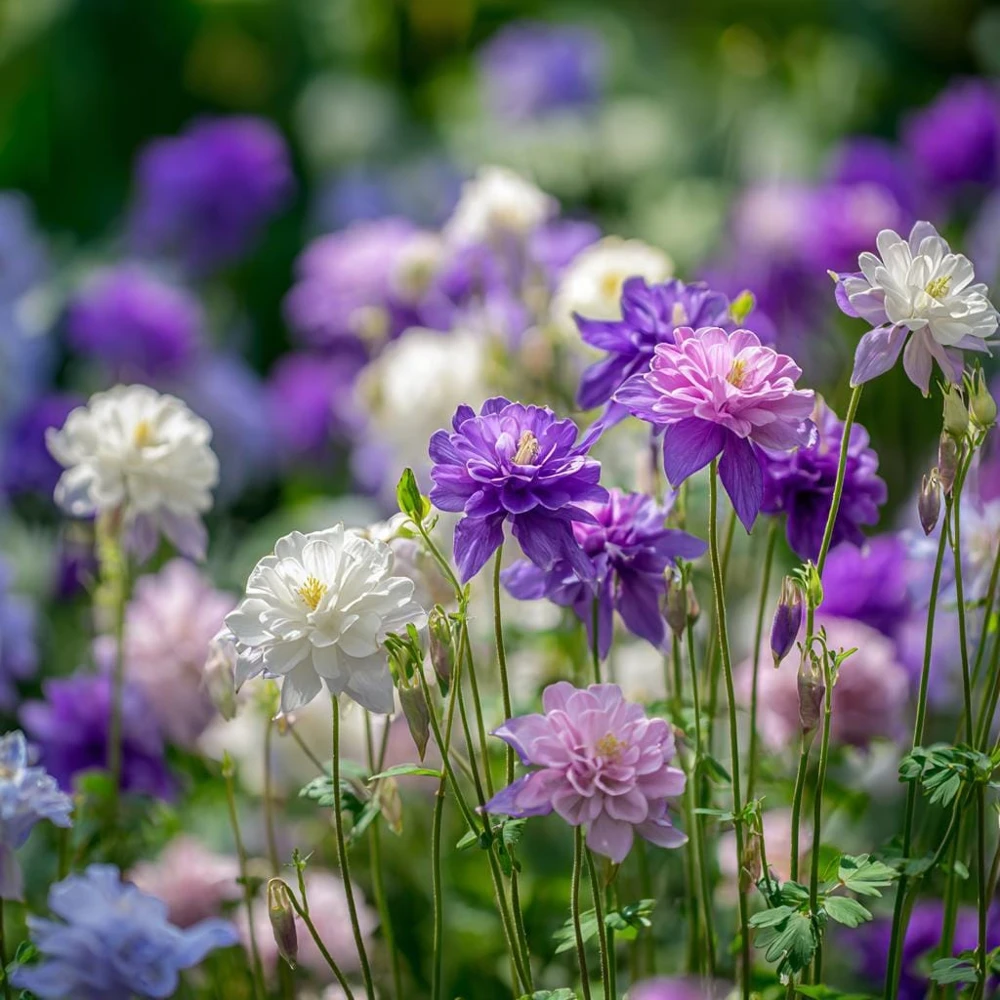
Double Mixed Columbine Seeds – Vibrant Multi-Colored Flowers – 100 Seeds – Pollinator Friendly

Reviews
There are no reviews yet.