





500+ Poppy Flower Seeds (Papaver Somniferum) – Beautiful USA Grown Annuals
Original price was: $41.99.$16.99Current price is: $16.99.
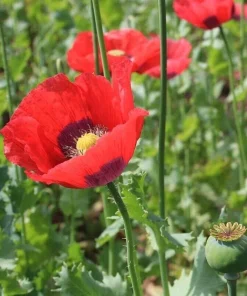
Discover the joy of gardening with over 500 poppy flower seeds. These Papaver Somniferum seeds are perfect for creating a vibrant outdoor display with beautiful, easy-to-grow annual flowers.
Estimated arrival
Oct 15
Oct 20 - Oct 22
Oct 25 - Oct 29
Shop With Confidence
30-Day Plant Health Guarantee
Arrives damaged? We’ll replace it free — see our return policy.
Responsive Support
Email us anytime, we reply within 1 business day.
Expert Packaging
Temperature-controlled shipping to protect your plants in transit.
Secure Checkout
Pay safely with Visa, Mastercard, PayPal.
Plant Specifications
-
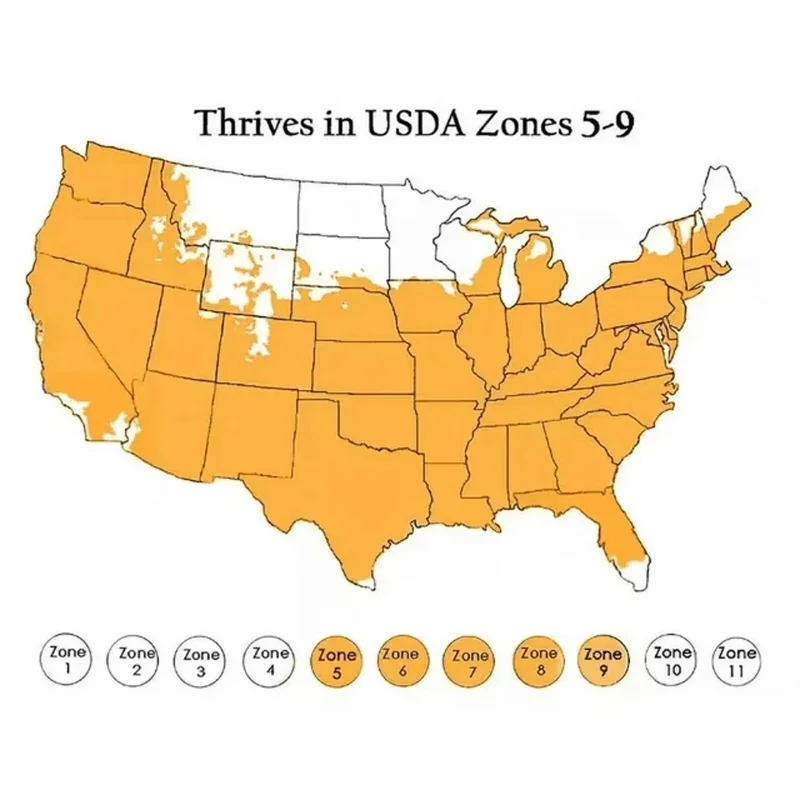
USDA Hardiness Zone
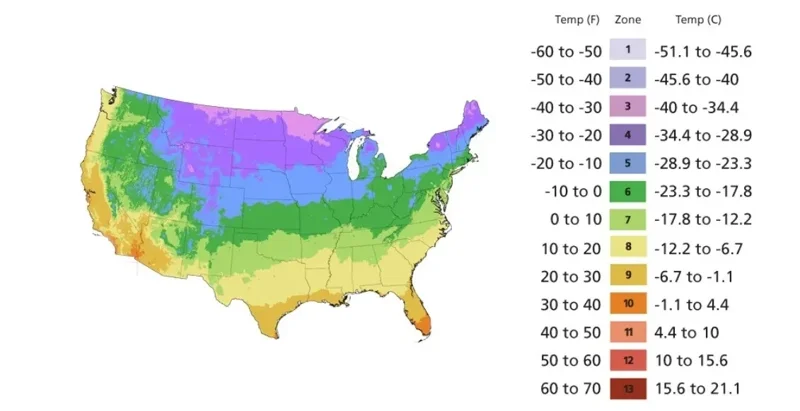
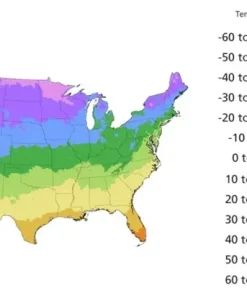
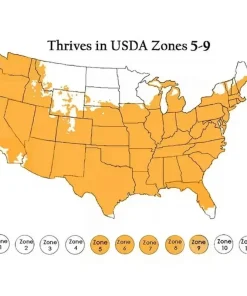
USDA zones 3-9 -
Soil Type
Well-draining, moderately fertile soil -
Sunlight Exposure
Full sun -
Expected Planting Period
Early spring or late fall
Overview
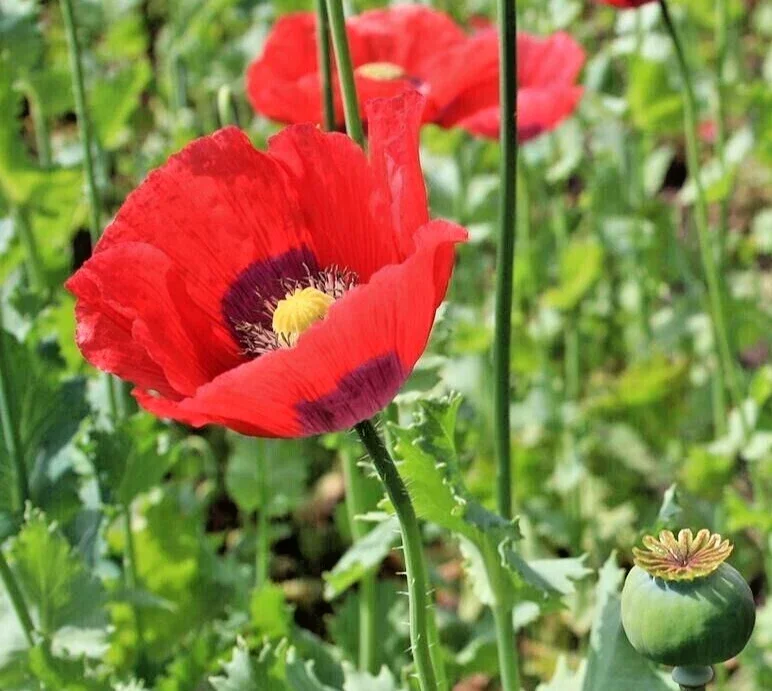
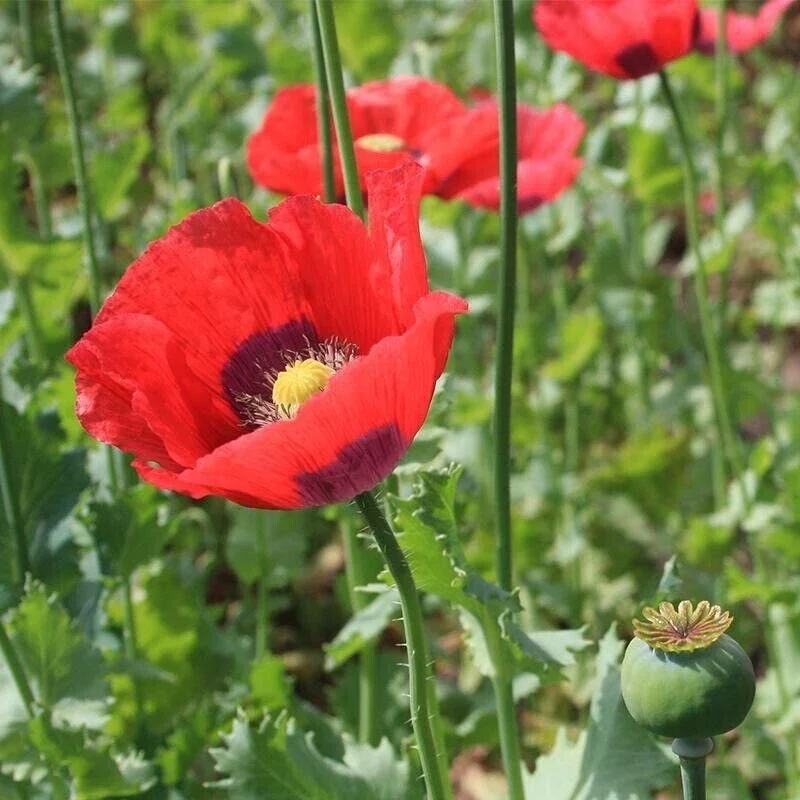
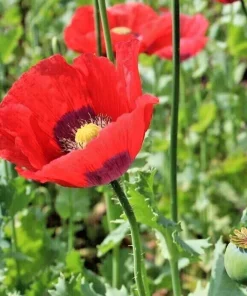
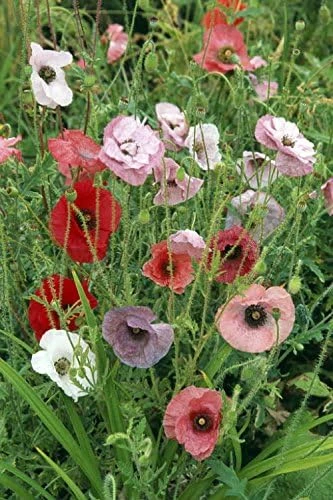
Embark on a delightful gardening journey with over 500 poppy flower seeds, scientifically known as Papaver Somniferum seeds. These beautiful seeds promise to transform your outdoor spaces into a vibrant tapestry of color and texture. Known for their striking blooms and elegant appearance, poppies are a favorite among gardeners seeking both aesthetic appeal and ease of cultivation. Our high-quality seeds are sourced and prepared with care, ensuring a robust start for your garden. Each packet contains a generous quantity, allowing for widespread planting and a spectacular display. These annual poppy varieties are perfect for creating stunning focal points, adding charm to borders, or enhancing cottage garden designs. Experience the satisfaction of growing these magnificent flowers from seed.
Cultivating Papaver Somniferum seeds is a rewarding experience, suitable for gardeners of all skill levels. The resulting flowers exhibit a wide array of colors and forms, from classic single petals to more intricate double blooms. Poppies are also celebrated for their attractive seed heads, which add interest to the garden long after the petals have fallen and can be used in dried arrangements. For those looking to introduce a touch of natural beauty and effortless elegance to their landscape, these poppy seeds are an excellent choice. They are a true testament to the simple yet profound beauty that can be achieved through thoughtful gardening.
Key Benefits
Planting poppy flower seeds offers numerous advantages for your garden and well-being:
- Stunning Visual Appeal: Poppies produce captivating, often delicate, blooms in a variety of colors, adding a dramatic and elegant touch to any garden space. Their unique forms and textures make them a standout feature.
- Easy to Grow: These annual poppy seeds are known for their resilience and straightforward cultivation, making them an ideal choice for both novice and experienced gardeners. They typically require minimal intervention once established.
- Attract Pollinators: The vibrant flowers serve as an excellent magnet for beneficial pollinators like bees and butterflies, contributing to the biodiversity and health of your garden ecosystem.
- Versatile Garden Use: Perfect for mass plantings, borders, rock gardens, or as cut flowers, these poppies adapt well to various garden designs and purposes. Their charming presence enhances any outdoor setting.
- Beautiful Seed Heads: Beyond their flowering period, the distinctive seed pods add architectural interest to the late-season garden and can be harvested for decorative purposes or to collect more Papaver Somniferum seeds for future planting.
- Quick Growth Cycle: Poppies generally have a relatively fast growth rate from seed to bloom, allowing you to enjoy their beauty within a single growing season.
- Self-Seeding Potential: Under favorable conditions, poppies can self-seed, ensuring a continuous display of flowers year after year with little effort, making them a sustainable choice for your garden.
Plant Care & Growing Tips
Successfully growing poppy flower seeds requires attention to a few key environmental factors. Poppies thrive in full sun, meaning they need at least 6-8 hours of direct sunlight per day to produce the most abundant and vibrant blooms. Choose a location in your garden that receives ample light throughout the day. While they can tolerate some partial shade, too little light will result in leggy plants and fewer flowers. These plants are best suited for outdoor cultivation and are not typically grown as indoor houseplants.
When it comes to watering, poppies prefer consistently moist, but not waterlogged, soil during their active growth phase. Once established and mature, they are quite drought-tolerant, but regular watering during dry spells will encourage better flowering. The ideal soil type for Papaver Somniferum seeds is well-draining, moderately fertile soil with a neutral pH. Avoid heavy clay soils that retain too much moisture, as this can lead to root rot. Amending your soil with compost or other organic matter can improve drainage and fertility.
Poppies are generally hardy annuals and can tolerate a range of temperatures. They are often planted in early spring or fall in USDA zones 3-9, as they benefit from a period of cool weather to germinate and establish. Fertilization is usually not heavily required; a light application of a balanced granular fertilizer at planting time can be beneficial, but excessive nitrogen can lead to lush foliage at the expense of flowers. Common problems include aphids, which can be managed with insecticidal soap, and powdery mildew in humid conditions, which can be prevented by ensuring good air circulation. To grow poppy flowers successfully, ensure proper spacing between plants to enhance airflow and reduce disease risk.
Size & Details
These poppy flower seeds are packaged to provide over 500 individual seeds, ensuring a bountiful display in your garden. Once germinated and established, poppy plants typically reach a height of 18 to 36 inches, with a spread of about 12 to 18 inches, depending on the specific variety and growing conditions. The flowers themselves can vary in size, with many varieties producing blooms that are 3 to 5 inches across. These are annual plants, meaning they complete their life cycle within one growing season, from germination to flowering and seed production. The seeds are ideal for direct sowing in the garden in early spring or late fall, with blooms typically appearing in late spring to early summer. You can expect these USA poppy seeds to germinate within 7 to 14 days under optimal conditions, leading to beautiful flowering plants within 60 to 90 days. The growth habit is generally clumping, creating a full and attractive plant structure.
Frequently Asked Questions
- Q: How many poppy flower seeds are included in this packet? A: Each packet contains over 500 poppy flower seeds, providing a generous quantity for planting a vibrant display in your garden. This allows for extensive coverage or multiple planting sessions.
- Q: What is the best time to plant Papaver Somniferum seeds? A: The ideal time to plant Papaver Somniferum seeds is in early spring, as soon as the soil can be worked, or in late fall before the first hard frost. This allows the seeds to experience a period of cold stratification, which aids germination.
- Q: Are these poppy flowers suitable for indoor or outdoor growing? A: These poppies are primarily outdoor plants. They thrive in full sun and are best suited for garden beds, borders, and naturalized areas. While some might attempt to start them indoors, they generally perform best when direct-sown.
- Q: How much sunlight do these poppy flower seeds need to grow? A: To grow poppy flowers successfully, they require a location that receives at least 6-8 hours of direct sunlight per day. Full sun exposure is crucial for abundant flowering and healthy plant development.
- Q: What kind of soil is best for growing poppy flowers? A: Poppies prefer well-draining soil with moderate fertility and a neutral pH. Avoid heavy, waterlogged soils. Amending with organic matter can improve soil structure and drainage.
- Q: How tall do these annual poppy plants typically grow? A: These annual poppy seeds typically produce plants that grow to a height of 18 to 36 inches, depending on growing conditions and specific variety. Their upright habit makes them excellent for adding vertical interest.
- Q: Is it difficult to care for these poppy flower seeds? A: No, poppies are considered moderately easy to care for. Once established, they are quite self-sufficient, requiring minimal watering and fertilization. They are a good choice for gardeners looking for beautiful, relatively low-maintenance blooms.
- Q: When can I expect the poppy flowers to bloom after planting the seeds? A: After planting, you can typically expect the poppy flowers to bloom in late spring to early summer, approximately 60 to 90 days after germination. The exact timing can vary based on local climate and planting date.
- Q: Can these USA poppy seeds be used for culinary purposes? A: While these are USA poppy seeds, the focus is on ornamental gardening. For culinary use, it is always recommended to source food-grade poppy seeds specifically intended for consumption.
- Q: Will these poppy plants attract pollinators to my garden? A: Yes, the vibrant and open flowers of poppies are known to attract various pollinators, including bees and butterflies, contributing to a healthier and more active garden ecosystem.
Be the first to review “500+ Poppy Flower Seeds (Papaver Somniferum) – Beautiful USA Grown Annuals”
People Also Viewed
Vegetable Seeds
Spicy Salad Microgreen Seeds – Non-GMO Heirloom – High Germination – Very Easy to Grow
Vegetable Seeds
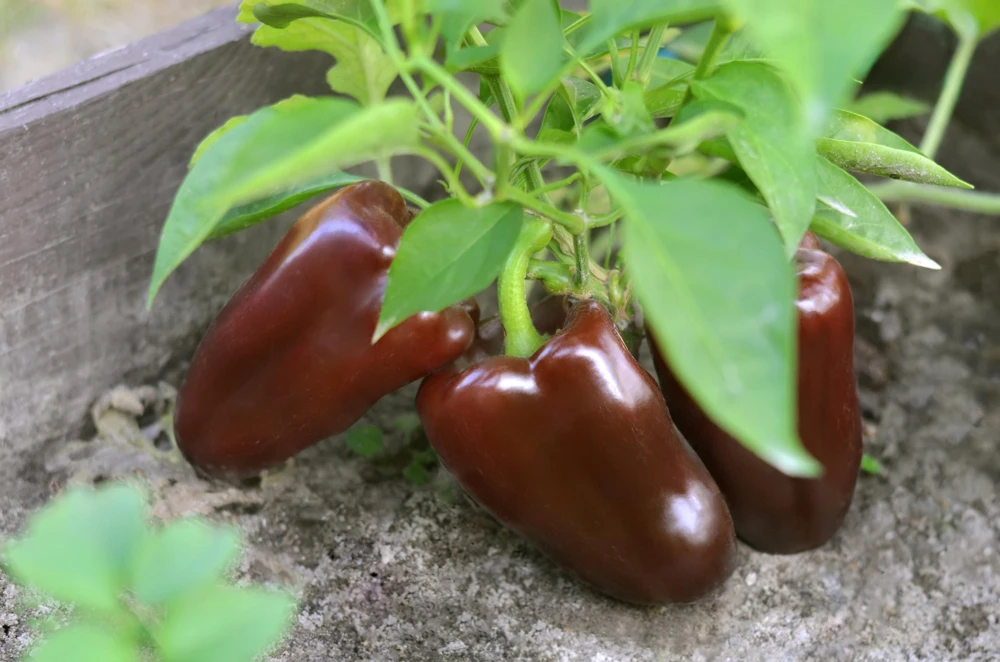
30 Chocolate Beauty Bell Pepper Seeds – Sweet Brown Capsicum Annuum – Vegetable Seeds
Reviews
There are no reviews yet.