


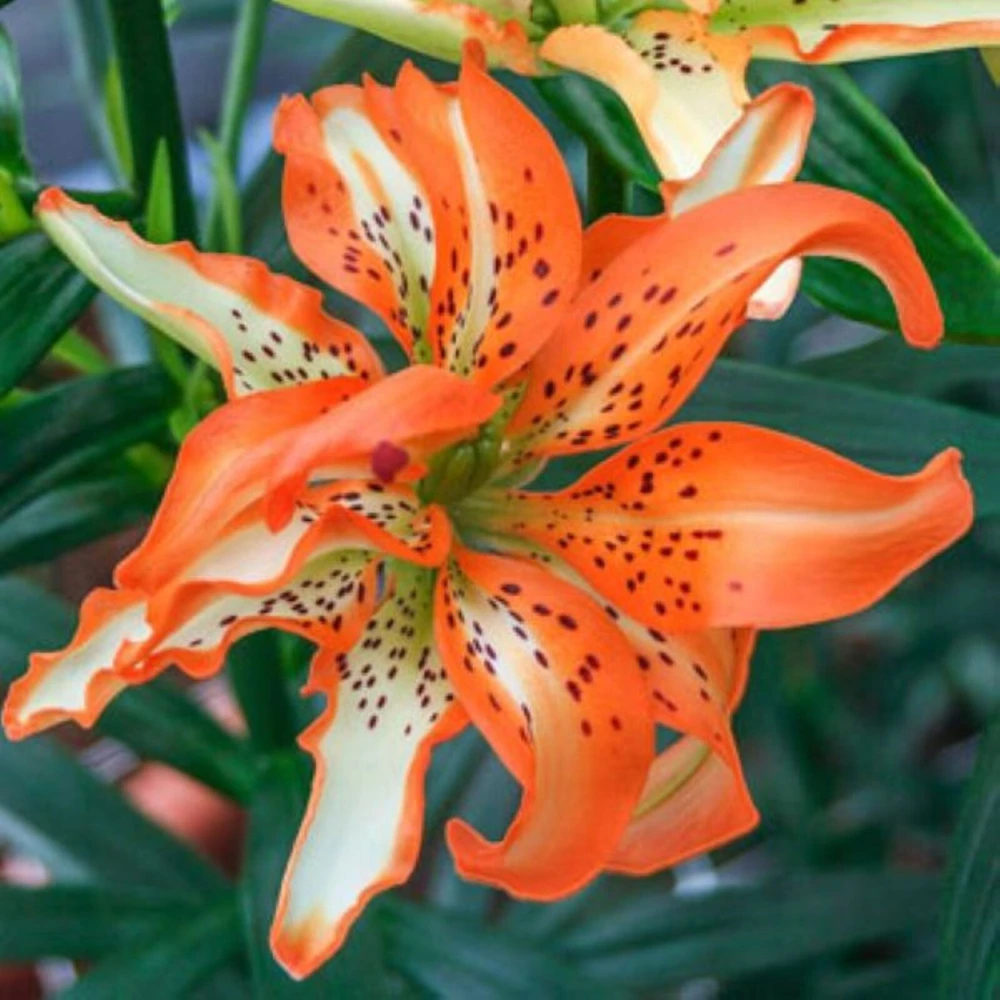
50 Lily Flower Seeds – Beautiful Garden Lily Blooms
Original price was: $49.99.$24.99Current price is: $24.99.
Cultivate breathtaking blooms with our lily flower seeds. This pack contains 50 lily flower seeds, perfect for creating a vibrant and elegant garden display. Ideal for both novice and experienced gardeners, these seeds promise beautiful, fragrant flowers. Discover how to grow lily flowers easily in your own backyard.
Estimated arrival
Oct 25
Oct 30 - Nov 01
Nov 04 - Nov 08
Shop With Confidence
30-Day Plant Health Guarantee
Arrives damaged? We’ll replace it free — see our return policy.
Responsive Support
Email us anytime, we reply within 1 business day.
Expert Packaging
Temperature-controlled shipping to protect your plants in transit.
Secure Checkout
Pay safely with Visa, Mastercard, PayPal.
Plant Specifications
-
USDA Hardiness Zone
unknown -
Soil Type
well-draining soil -
Sunlight Exposure
full sun to partial shade -
Expected Planting Period
spring to early summer (after indoor stratification)
Overview
Embark on a rewarding gardening journey with our premium pack of lily flower seeds. Lilies are renowned for their magnificent, often fragrant blooms, adding a touch of sophistication and vibrant color to any garden landscape. This generous pack contains 50 lily flower seeds, providing ample opportunity to cultivate a stunning display of these beloved perennials. Growing lilies from seed allows for a deeper connection with the plant’s life cycle and can often result in more resilient, well-adapted plants. Our seeds are carefully selected to ensure high germination rates, setting you up for success in transforming your outdoor space into a floral paradise. Whether you’re an experienced horticulturist or just starting your gardening adventure, learning how to grow lily flowers from seed is a fulfilling endeavor that yields spectacular results.
Lilies, scientifically known as Lilium, are a diverse genus of herbaceous flowering plants growing from bulbs, though starting from seed is a popular and cost-effective method. They are native to temperate regions of the Northern Hemisphere, thriving in a variety of climates. These particular seeds are ideal for cultivating beautiful lily plants that will enhance your garden’s aesthetic for years to come. With proper care and attention, you can enjoy a continuous succession of blooms throughout the growing season, attracting pollinators and delighting onlookers. This lily seed pack is your first step towards a garden filled with the timeless beauty of lilies.
Key Benefits
Lily flower seeds offer numerous advantages for gardeners looking to add grandeur and beauty to their landscape. Starting from seed is an economical way to produce many plants, allowing for large-scale planting or sharing with fellow garden enthusiasts. Here are some key benefits you can expect:
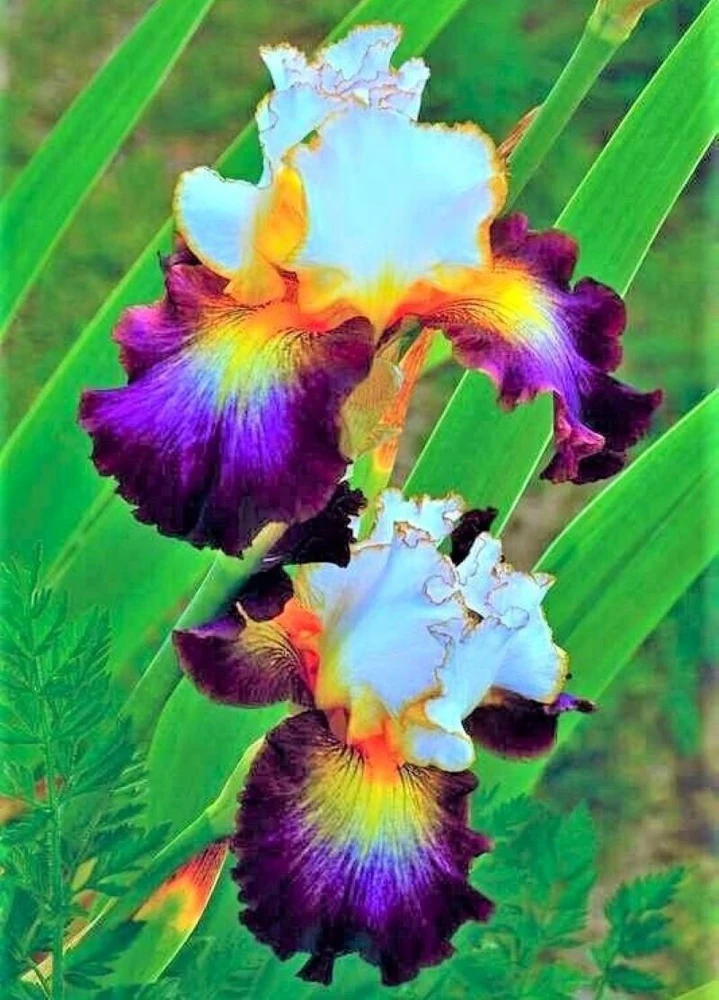
- Stunning Floral Displays: Lilies produce large, showy flowers with intricate patterns and often delightful fragrances, making them a focal point in any garden. Their diverse colors and forms ensure there’s a lily for every aesthetic preference, adding dramatic flair to borders, beds, and containers.
- Attracts Pollinators: The vibrant colors and nectar-rich blooms of lilies are highly attractive to bees, butterflies, and other beneficial pollinators, contributing to the biodiversity and health of your garden ecosystem. This support for local wildlife is a crucial aspect of sustainable gardening.
- Cost-Effective Gardening: Purchasing lily flower seeds is significantly more economical than buying mature bulbs or plants, allowing you to cultivate a large number of lilies for a fraction of the cost. This makes it an excellent option for ambitious garden projects or for those on a budget.
- Sense of Achievement: There’s immense satisfaction in watching a plant grow from a tiny seed into a magnificent flowering specimen. Successfully cultivating lilies from seed provides a rewarding gardening experience and a deeper connection to nature.
- Long-Lasting Blooms: With proper care and staggered planting, lilies can provide continuous blooms from late spring through late summer, ensuring your garden remains vibrant and colorful for an extended period. Many varieties are also excellent for cut flower arrangements.
- Versatile Landscaping: Lilies are incredibly versatile and can be used in various garden settings, including perennial borders, cottage gardens, woodland gardens, or even in large pots and containers. Their upright growth habit adds vertical interest to plantings.
- Garden Resilience: Plants grown from seed often adapt better to local soil and climate conditions, potentially leading to more robust and healthier plants in the long run. Understanding lily plant care from the seed stage helps foster this resilience.
Plant Care & Growing Tips
Successfully growing lilies from lily flower seeds requires patience and attention to detail, but the rewards are well worth the effort. The first step involves stratification, a process that mimics winter conditions to break seed dormancy. Place seeds in a moist medium (like peat moss or vermiculite) in a sealed bag and refrigerate for 6-8 weeks. After stratification, sow the seeds indoors in trays or small pots filled with a well-draining seed-starting mix. Lightly cover the seeds with a thin layer of soil, as some lily varieties require light for germination. Keep the soil consistently moist but not waterlogged, and maintain a temperature of around 65-70°F (18-21°C).
Once seedlings emerge, provide them with plenty of bright, indirect light. A south-facing window or grow lights are ideal. As they grow, transplant them into individual pots to allow for better root development. Harden off young lily plants by gradually exposing them to outdoor conditions over 7-10 days before transplanting them into your garden. When planting lilies outdoors, choose a location with well-draining soil and at least 6 hours of full to partial sunlight per day. Lilies prefer slightly acidic to neutral soil (pH 6.0-7.0). Amend heavy clay soils with organic matter to improve drainage. Space plants according to their mature size, usually 12-18 inches apart, to ensure good air circulation and prevent fungal diseases.
For ongoing lily plant care, consistent watering is crucial, especially during dry spells. Avoid overhead watering to reduce the risk of leaf spot diseases. Fertilize lilies with a balanced, slow-release fertilizer in early spring as new growth emerges, and again after flowering. Deadhead spent blooms to encourage the plant to put energy into bulb development rather than seed production, but leave the foliage intact until it yellows naturally. This allows the bulb to store energy for the following season. Protect young plants from pests like aphids and slugs, and consider mulching around the base of plants to conserve moisture and regulate soil temperature. Understanding how to grow lily flowers successfully means providing a stable and nurturing environment from seed to bloom.
Size & Details
This product includes a pack containing 50 lily flower seeds, providing a substantial quantity for creating a vibrant and expansive lily garden. Each seed is carefully selected to ensure viability, though germination rates can vary based on species and growing conditions. While the mature size of lily plants varies greatly by cultivar, most garden lilies typically grow between 2 to 6 feet tall, with some trumpet lilies reaching up to 8 feet under ideal conditions. The spread can range from 1 to 2 feet, creating a dense, floriferous display when planted in groups. When you are planting lilies from seed, expect the first year to be dedicated to developing a healthy root system and bulb, with flowering often occurring in the second or third year, depending on the specific lily variety and growing environment. The seeds are packaged to maintain freshness and are ready for stratification and planting upon arrival, ensuring you can begin your lily cultivation journey without delay.
Frequently Asked Questions
- Q: How many lily seeds are included in this pack? A: This pack contains 50 lily flower seeds, providing a generous quantity for planting a beautiful and extensive lily garden. This allows for flexibility in your garden design and plenty of opportunities to experiment with different planting locations.
- Q: What is the best time to plant these lily flower seeds? A: After stratification, the ideal time for planting lilies from seed indoors is late winter to early spring. This gives the seedlings ample time to grow before being transplanted outdoors after the last frost, typically in late spring or early summer.
- Q: Are these lily seeds suitable for beginners? A: Yes, with proper guidance and patience, these lily flower seeds are suitable for beginners. The key is understanding the stratification process and providing consistent care as outlined in our lily plant care tips.
- Q: How long does it take for lily seeds to germinate? A: Germination time can vary significantly, often taking several weeks to months after stratification. Some lily varieties may even show germination over two seasons, so patience is a virtue when you grow lily flowers from seed.
- Q: What kind of sunlight do lily plants prefer? A: Most lilies thrive in full sun to partial shade, meaning they need at least 6 hours of direct sunlight per day. In hotter climates, some afternoon shade can prevent scorching of the delicate petals.
- Q: What type of soil is best for growing lilies? A: Lilies prefer well-draining, fertile soil with a slightly acidic to neutral pH. Amending heavy clay soils with organic matter like compost or peat moss is recommended to ensure good drainage and prevent bulb rot.
- Q: How tall do lilies grown from these seeds typically get? A: The height of lilies can vary widely by specific variety, but most garden lilies typically grow between 2 to 6 feet tall. Some trumpet lily types can even reach up to 8 feet under optimal conditions.
- Q: Do I need to stratify these lily flower seeds before planting? A: Yes, most lily seeds require a period of cold stratification to break dormancy and encourage germination. Follow the instructions for refrigerating seeds in a moist medium for 6-8 weeks for best results.
- Q: Will these lilies come back every year? A: Yes, lilies are perennial plants, meaning they will return year after year if properly cared for and if they are suited to your local climate. They grow from bulbs which store energy for subsequent seasons.
- Q: Can I grow lily flowers in pots? A: Yes, many lily varieties can be successfully grown in pots or containers, especially if you choose compact varieties. Ensure the pots are large enough to accommodate root growth and have excellent drainage.
Be the first to review “50 Lily Flower Seeds – Beautiful Garden Lily Blooms”
People Also Viewed
Vegetable Seeds
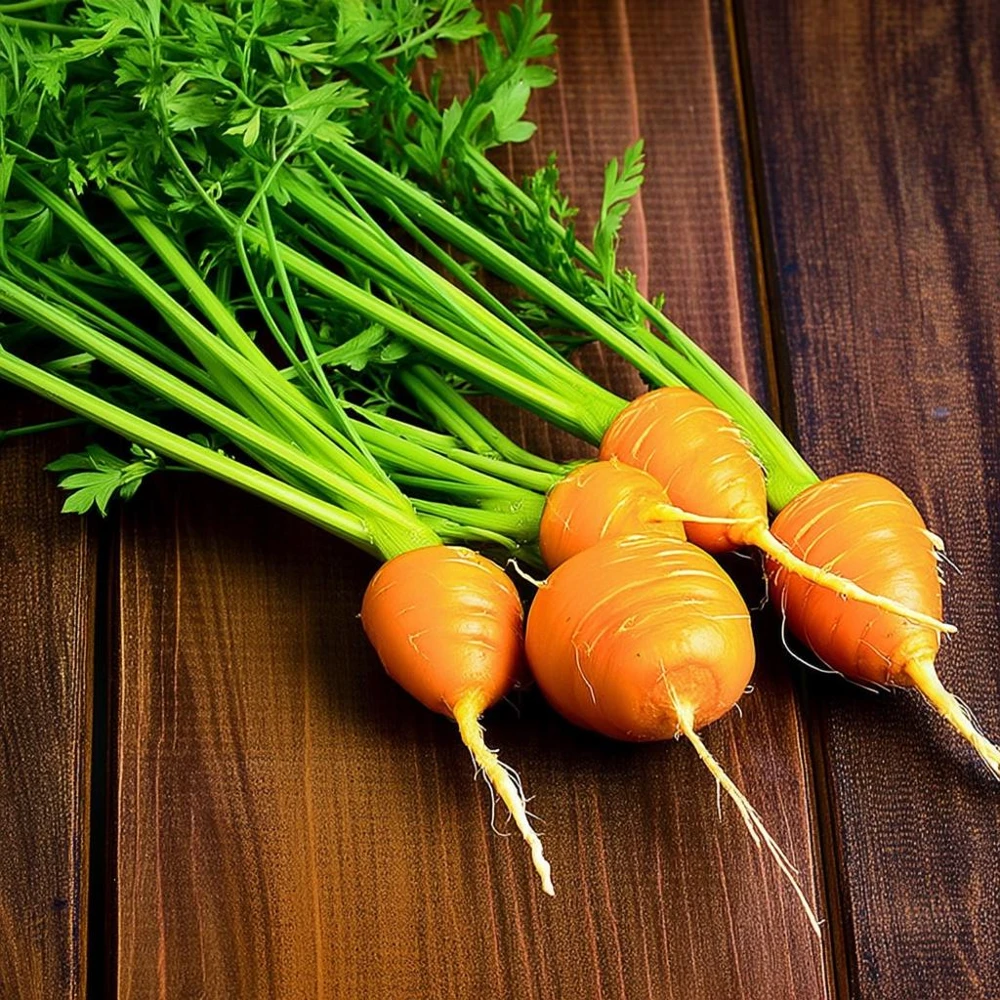
Organic Parisian Carrot Seeds – Heirloom Round Carrots (250 Seeds) – Vegetable Seeds


Uncategorized
Reviews
There are no reviews yet.