
5 Purple Tommy Mango Scions for Grafting – Fruit Tree Cuttings Outdoor
Original price was: $73.99.$53.99Current price is: $53.99.
Start your own purple Tommy mango scions tree with this pack of 5 high-quality scions for grafting. Ideal for outdoor cultivation in USDA Zones 9-11, these cuttings are perfect for creating bountiful fruit trees.
Estimated arrival
Sep 22
Sep 27 - Sep 29
Oct 02 - Oct 06
Shop With Confidence
30-Day Plant Health Guarantee
Arrives damaged? We’ll replace it free — see our return policy.
Responsive Support
Email us anytime, we reply within 1 business day.
Expert Packaging
Temperature-controlled shipping to protect your plants in transit.
Secure Checkout
Pay safely with Visa, Mastercard, PayPal.
Plant Specifications
-
USDA Hardiness Zone
9 - 11 -
Soil Type
Well-draining, rich in organic matter -
Sunlight Exposure
Full Sun -
Expected Planting Period
Spring to Summer (for grafting)
Overview
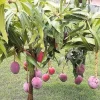
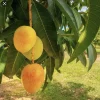
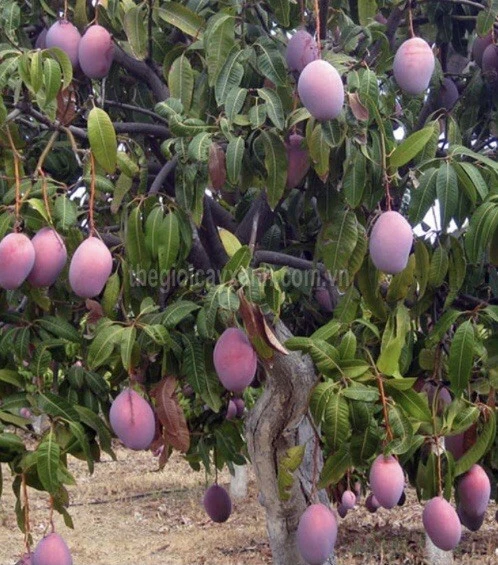
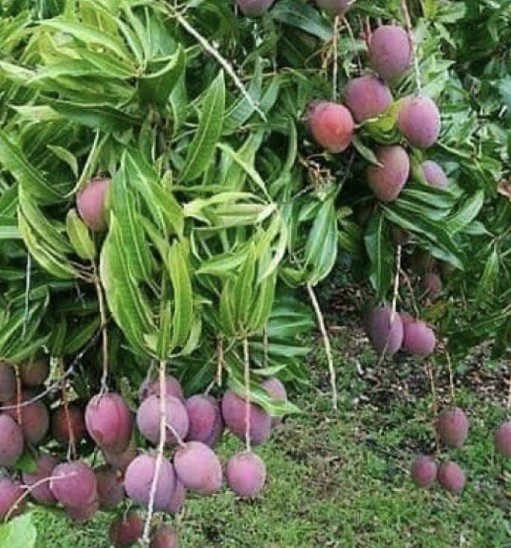
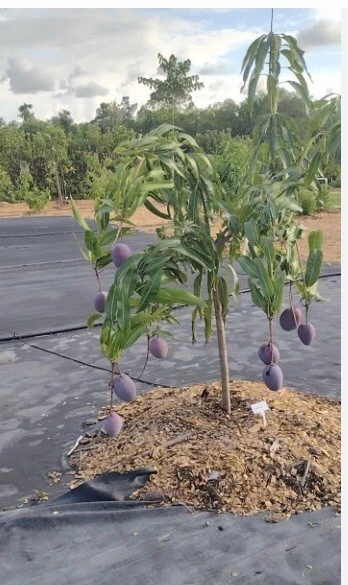
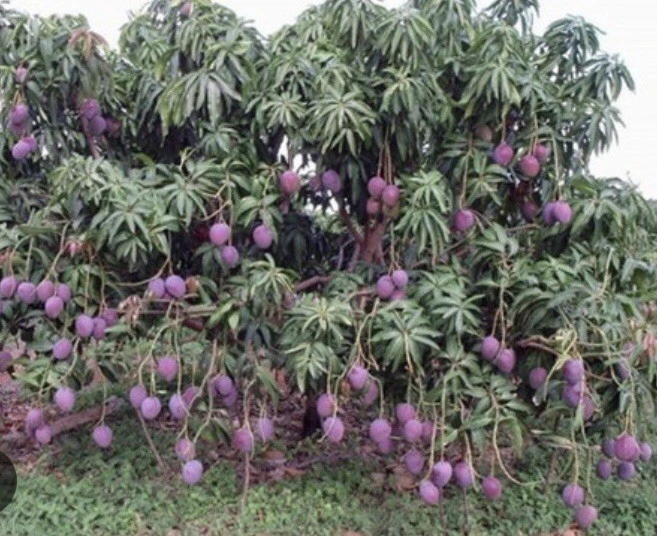
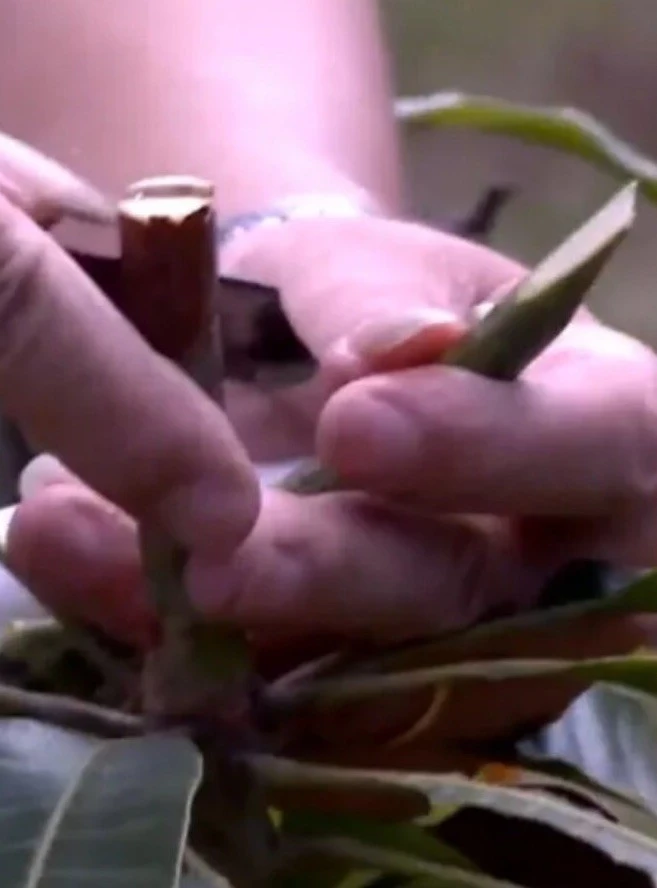
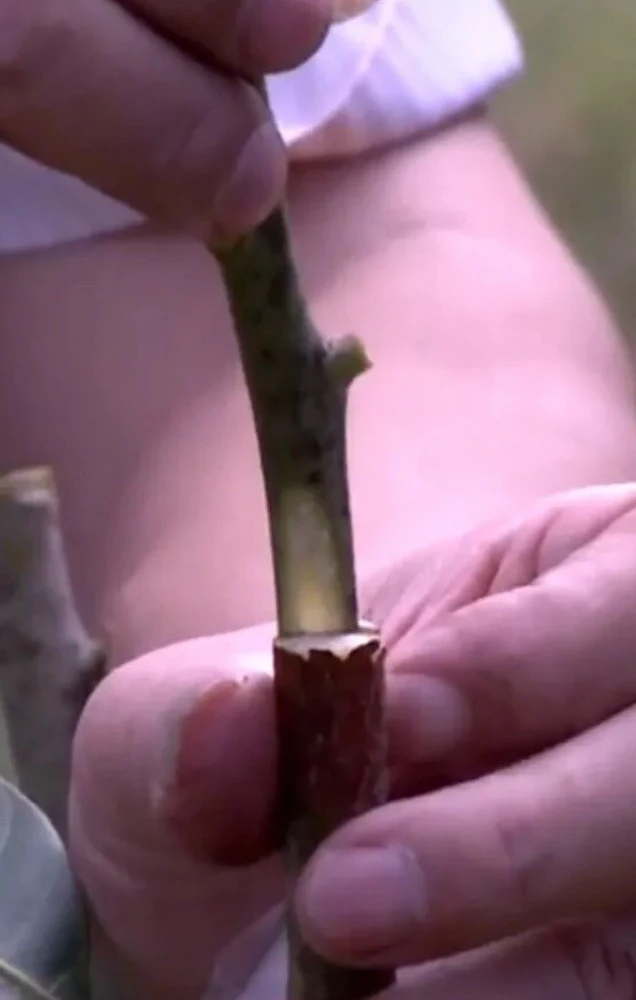
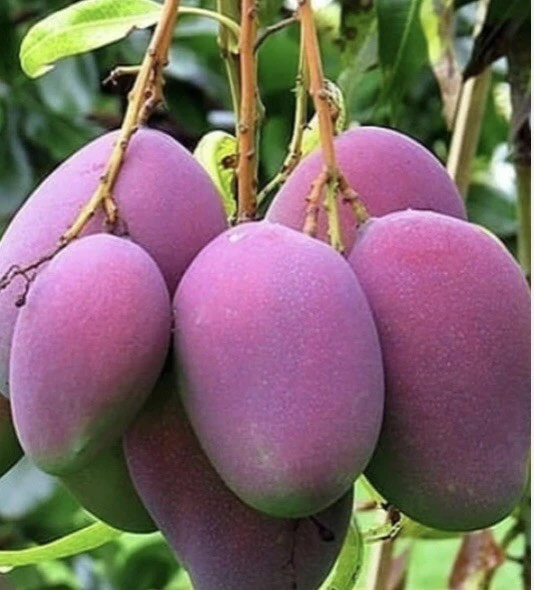
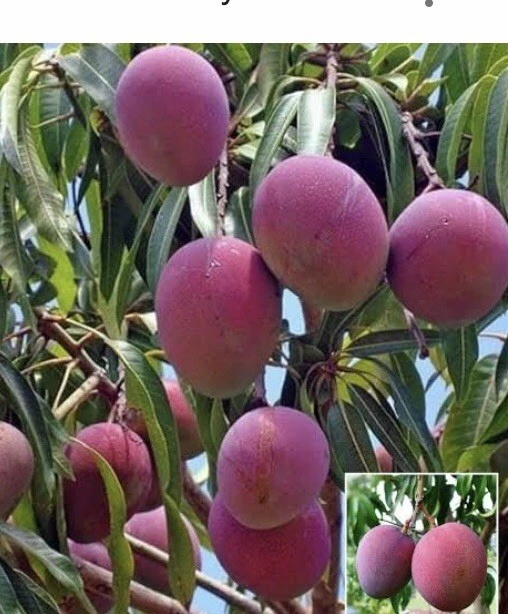
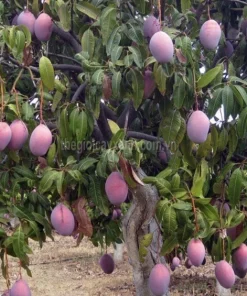
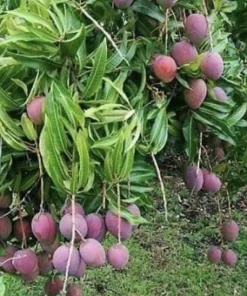
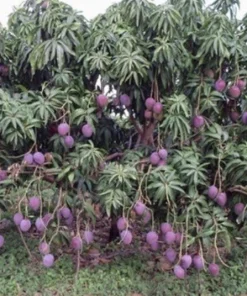
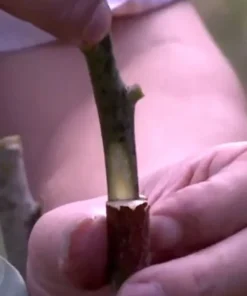
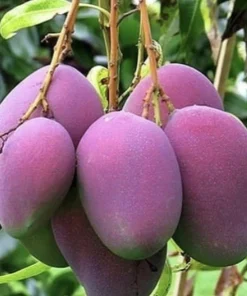
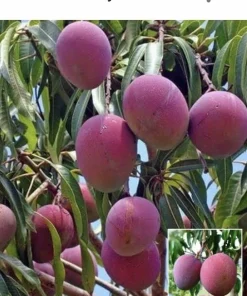
Cultivate your own delicious and productive mango trees with these premium purple Tommy mango scions. This offering includes 5 high-quality cuttings, specifically selected for grafting, allowing you to propagate and grow your own fruit-bearing trees. The Tommy Atkins mango variety is renowned for its vibrant purple-red blush, sweet flavor, and fibrous, firm flesh, making it a popular choice among home growers and commercial producers alike. These scions provide an excellent opportunity for enthusiasts to engage in mango grafting cuttings, ensuring genetic consistency and faster fruiting compared to growing from seed. Whether you’re an experienced grafter or looking to expand your orchard, these scions are a fantastic starting point for a successful mango harvest. Embrace the joy of growing your own tropical fruit right in your backyard.
The Tommy Atkins mango is a resilient and widely cultivated cultivar, known for its adaptability to various climates, particularly thriving in humid subtropical and tropical regions. By choosing to grow mango tree from grafted scions, you bypass the variability of seedlings and can expect a tree that mirrors the desirable characteristics of the parent plant. These cuttings are sourced from healthy, mature trees, giving you the best chance for successful grafting and robust growth. Prepare to enjoy the luscious taste of homegrown mangoes with these exceptional grafting scions.
Key Benefits
These purple Tommy mango scions offer numerous advantages for the home gardener and mango enthusiast:
- Reliable Propagation: Grafting with scions ensures your new tree will have the exact genetic traits of the parent Tommy Atkins mango, guaranteeing the desired fruit quality, size, and flavor. This method is far more reliable than growing from seed, which can result in unpredictable outcomes.
- Faster Fruiting: Grafted mango trees typically produce fruit much sooner than trees grown from seed, often within 2-3 years. This allows you to enjoy your harvest in a shorter timeframe.
- Disease Resistance: When grafted onto a robust rootstock, these mango grafting cuttings can benefit from the rootstock’s disease resistance and adaptability to local soil conditions, leading to a healthier and more vigorous tree.
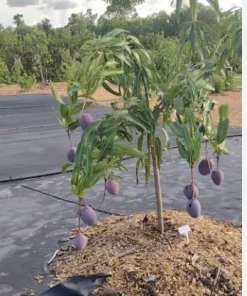
- Space Efficiency: Grafted trees can be maintained at a more manageable size through pruning, making them suitable for smaller gardens or even large containers, allowing more people to grow mango tree at home.
- High-Quality Fruit: The Tommy Atkins mango is celebrated for its excellent eating quality, featuring a sweet, mildly fibrous, and flavorful yellow-orange flesh. You can look forward to a bountiful supply of delicious, homegrown fruit.
- Evergreen Foliage: As an evergreen tree, the mango provides year-round greenery, adding a tropical aesthetic to your landscape even when not fruiting.
- Edible Harvest: The primary benefit is, of course, the opportunity to harvest your own fresh, organic mangoes, perfect for eating fresh, making smoothies, or culinary creations.
Plant Care & Growing Tips
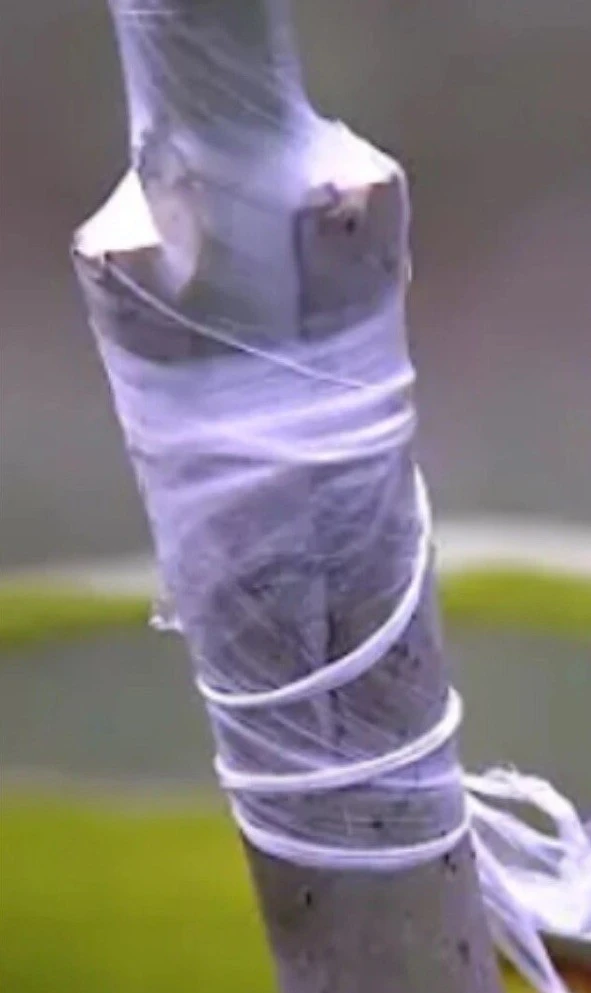
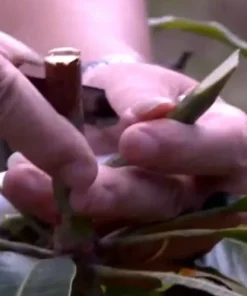
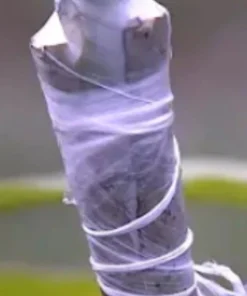
Successful growth of your purple Tommy mango scions requires careful attention to grafting techniques and subsequent care. Once grafted onto a suitable rootstock, typically a vigorous mango seedling, ensure the graft union is protected and kept moist. The grafted plant should be placed in a warm, sheltered location with bright, indirect light to allow the union to heal. Gradually introduce it to more sunlight as it establishes.
Mango trees, including the Tommy Atkins mango, thrive in full sun, requiring at least 6-8 hours of direct sunlight per day. They prefer well-draining soil that is rich in organic matter. A slightly acidic to neutral pH (6.0-7.0) is ideal. Water regularly, especially during dry periods and when the tree is young, ensuring the soil remains consistently moist but not waterlogged. Reduce watering during cooler months. Fertilize young trees every 1-2 months with a balanced fertilizer, gradually decreasing frequency as the tree matures. For mature trees, fertilize 3-4 times a year, adjusting the formula based on the tree’s growth stage (higher nitrogen for vegetative growth, higher potassium for fruiting).
These mango grafting cuttings are suitable for outdoor growth in USDA Hardiness Zones 9-11. They are sensitive to frost, so protection is necessary if temperatures drop below freezing. Pruning should be done to shape the tree, remove dead or diseased branches, and encourage fruit production. Common issues include anthracnose and powdery mildew; good air circulation and appropriate fungicides can help manage these. Learning how to grow mango tree successfully involves patience and consistent care, but the reward of fresh, homegrown fruit is well worth the effort.
Size & Details
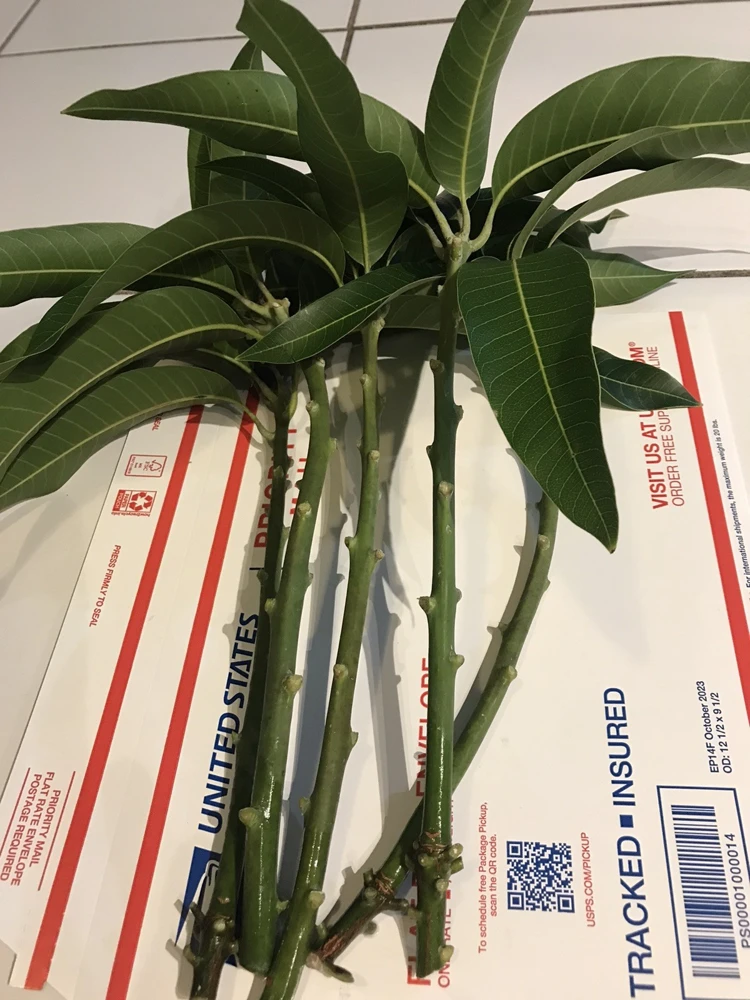
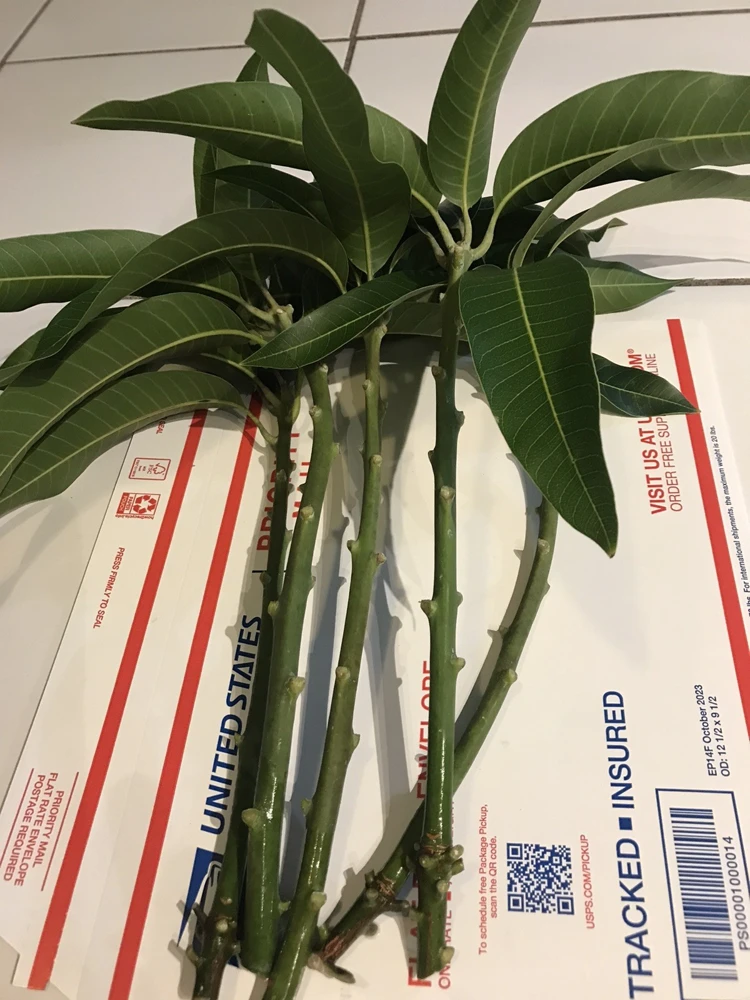
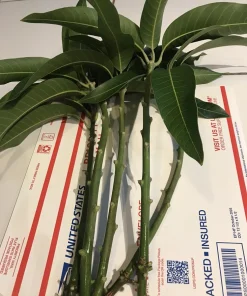
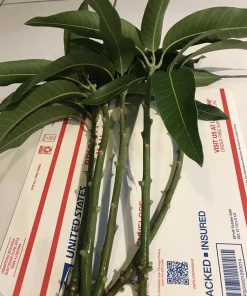
This product includes 5 individual purple Tommy mango scions, each carefully selected for optimal grafting success. Each scion typically measures approximately 6-8 inches in length, with several healthy buds, ideal for propagation. These are fresh cuttings intended for immediate grafting upon arrival. Mango trees grown from these scions, once established and mature, can reach heights of 10-20 feet depending on pruning and rootstock, producing a substantial canopy. The growth rate is moderate, with new flushes of growth appearing several times a year in favorable conditions. Expect your grafted tree to begin flowering and fruiting within 2-3 years, with peak production occurring after 5-7 years.
These scions are unrooted cuttings and do not come with soil or a pot, as they are specifically prepared for the grafting process. They represent a cost-effective and efficient way to expand your mango collection or start a new orchard. The mango tree propagation process using these scions allows for genetic exactness, ensuring you cultivate the beloved Tommy Atkins variety with its distinctive purple-red skin and sweet, juicy flesh. Prepare your rootstock and grafting tools, and get ready to cultivate your own tropical fruit paradise.
Frequently Asked Questions
- Q: How big do these mango trees get from these scions? A: Once grafted and mature, a mango tree grown from these purple Tommy mango scions can reach a height of 10-20 feet, depending on the rootstock used and how it is pruned. Consistent pruning can help manage its size for smaller spaces.
- Q: What condition will the mango scions arrive in? A: The mango grafting cuttings will arrive as fresh, unrooted cuttings, typically wrapped to retain moisture and ensure viability for grafting. They are prepared for immediate use upon receipt.
- Q: Is this an indoor or outdoor plant? A: Mango trees, including the Tommy Atkins mango variety, are best suited for outdoor cultivation in warm climates. They thrive in USDA Hardiness Zones 9-11 and require protection from frost.
- Q: How much sunlight does it need? A: Mango trees require full sun, meaning at least 6-8 hours of direct sunlight per day, to ensure optimal growth and fruit production. Plenty of sun is crucial if you want to successfully grow mango tree.
- Q: Is this plant easy to care for after grafting? A: While the grafting process requires some skill, once the graft has taken and the tree is established, mango trees are moderately easy to care for, requiring regular watering, fertilization, and pruning in appropriate climates.
- Q: How long until it fruits? A: Grafted mango trees typically begin to fruit within 2-3 years after successful grafting, significantly faster than trees grown directly from seed.
- Q: What’s the best time for mango tree propagation? A: The best time for mango tree propagation through grafting is usually during the warmer months when the rootstock is actively growing, often in late spring or early summer, though specific timing can vary by climate.
- Q: Will it survive winter in my zone? A: These mango scions are best for USDA Zones 9-11. If you are in a colder zone, you will need to provide significant winter protection or grow the tree in a large container that can be moved indoors during cold periods.
- Q: What kind of rootstock should I use for grafting? A: A vigorous, healthy mango seedling, often a common polyembryonic variety like ‘Turpentine’ or ‘Gomera-1’, makes an excellent rootstock for these purple Tommy mango scions.
- Q: Can I grow this mango tree in a large pot? A: Yes, you can grow a grafted mango tree in a large container, especially if you are in a colder climate. Choose a pot with good drainage and be prepared to prune the tree to manage its size.
Be the first to review “5 Purple Tommy Mango Scions for Grafting – Fruit Tree Cuttings Outdoor”
People Also Viewed
Reviews
There are no reviews yet.