
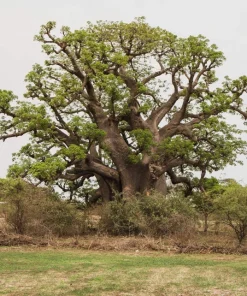
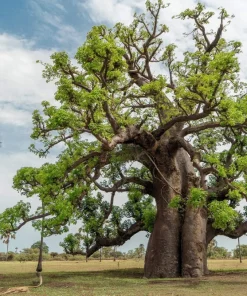
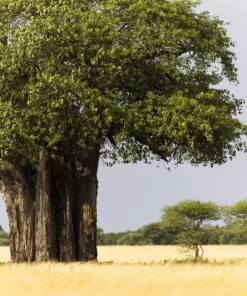
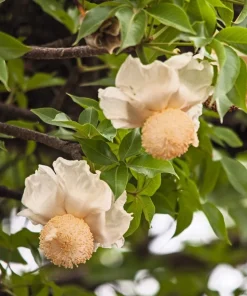
5 African Baobab Tree Seeds – Adansonia Digitata – Monkey Bread Fruit
Original price was: $40.99.$20.99Current price is: $20.99.
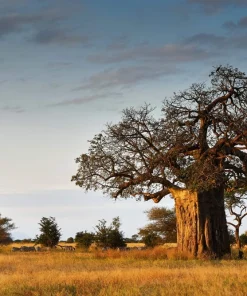
Cultivate the iconic African Baobab tree seeds (Adansonia Digitata seeds) with this pack of 5 seeds. Known for its distinctive bottle-shaped trunk and long lifespan, the Baobab is a fascinating addition to any garden or landscape. Perfect for growers interested in exotic and resilient trees.
Estimated arrival
Sep 17
Sep 22 - Sep 24
Sep 27 - Oct 01
Shop With Confidence
30-Day Plant Health Guarantee
Arrives damaged? We’ll replace it free — see our return policy.
Responsive Support
Email us anytime, we reply within 1 business day.
Expert Packaging
Temperature-controlled shipping to protect your plants in transit.
Secure Checkout
Pay safely with Visa, Mastercard, PayPal.
Plant Specifications
-
USDA Hardiness Zone
USDA zones 10-11 (outdoors); suitable for indoor cultivation in all zones -
Soil Type
Well-draining sandy loam or succulent/cactus mix -
Sunlight Exposure
Full sun (after establishment), bright indirect light for seedlings -
Expected Planting Period
Year-round indoors with warmth; spring/summer outdoors in suitable climates
Overview
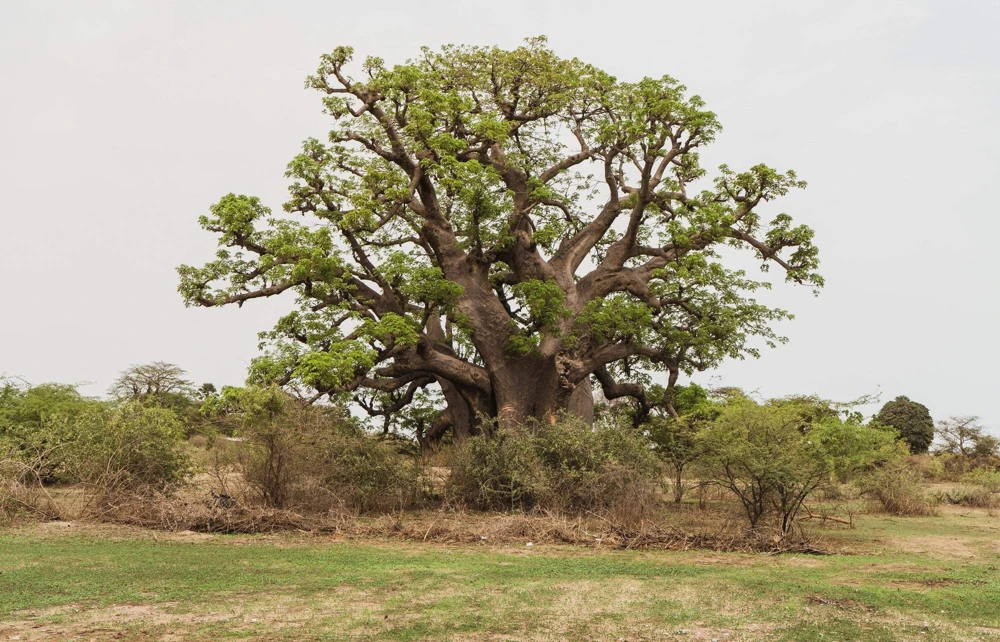
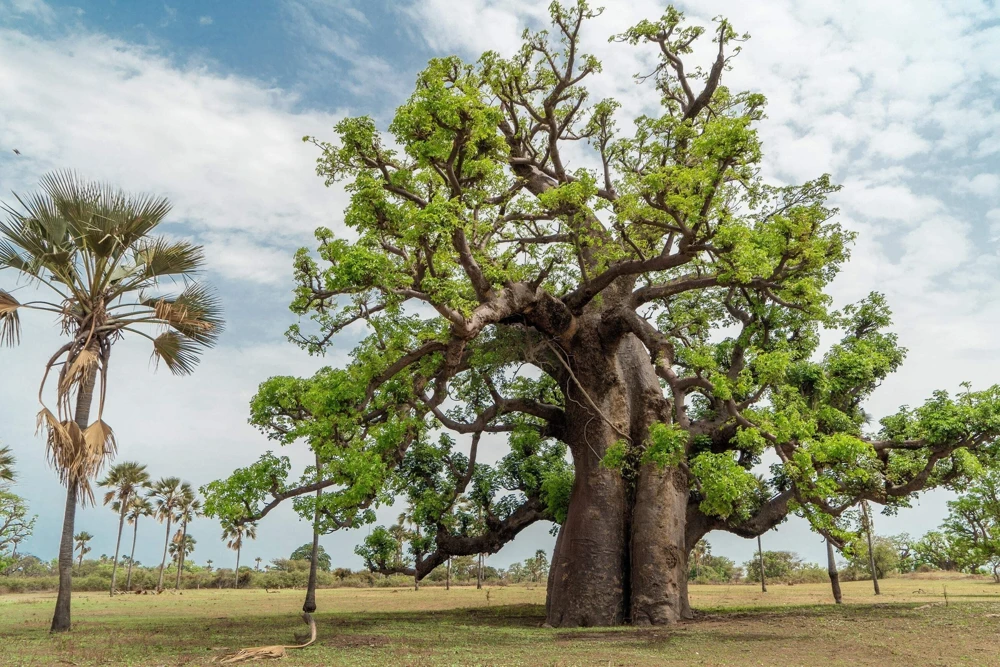
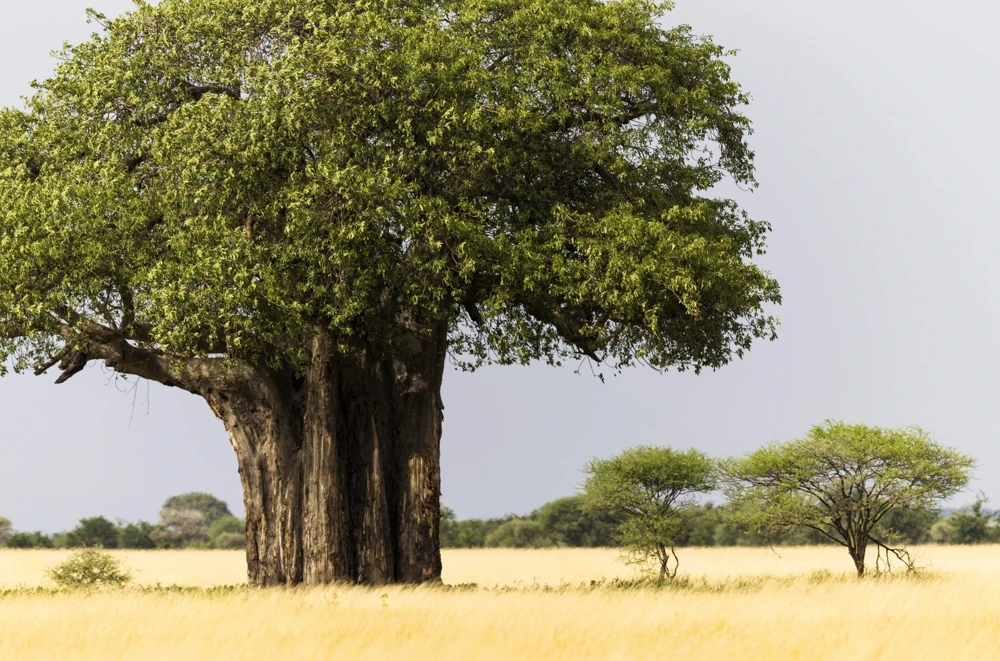
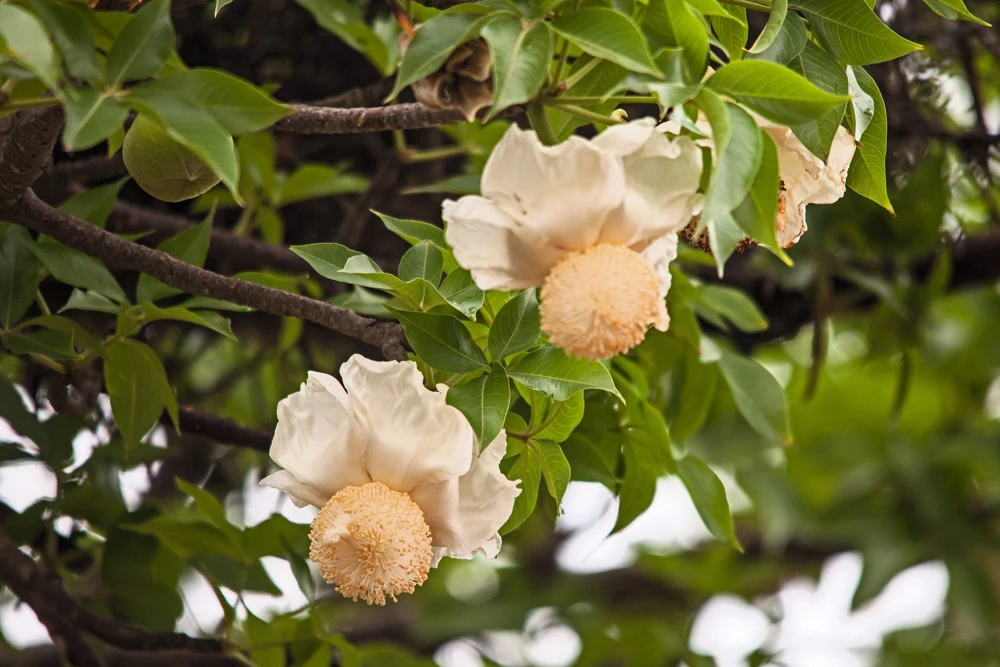
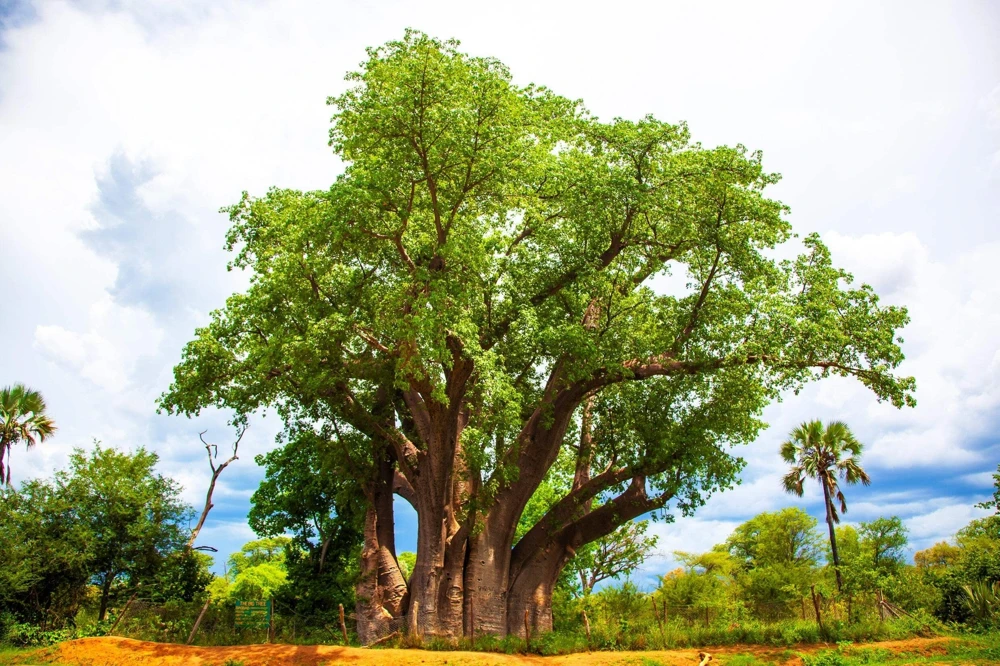
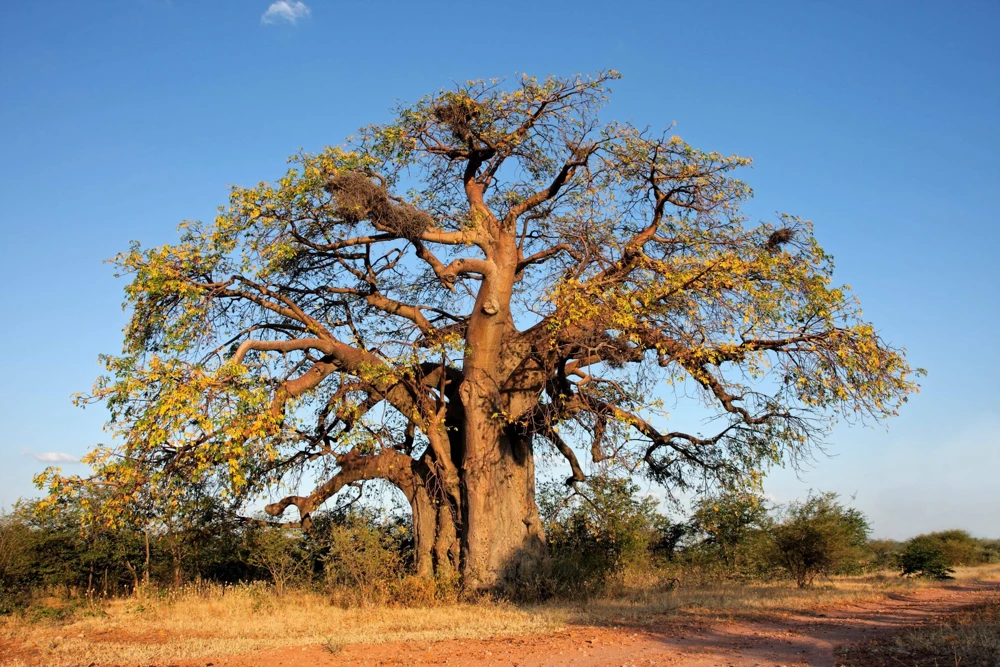
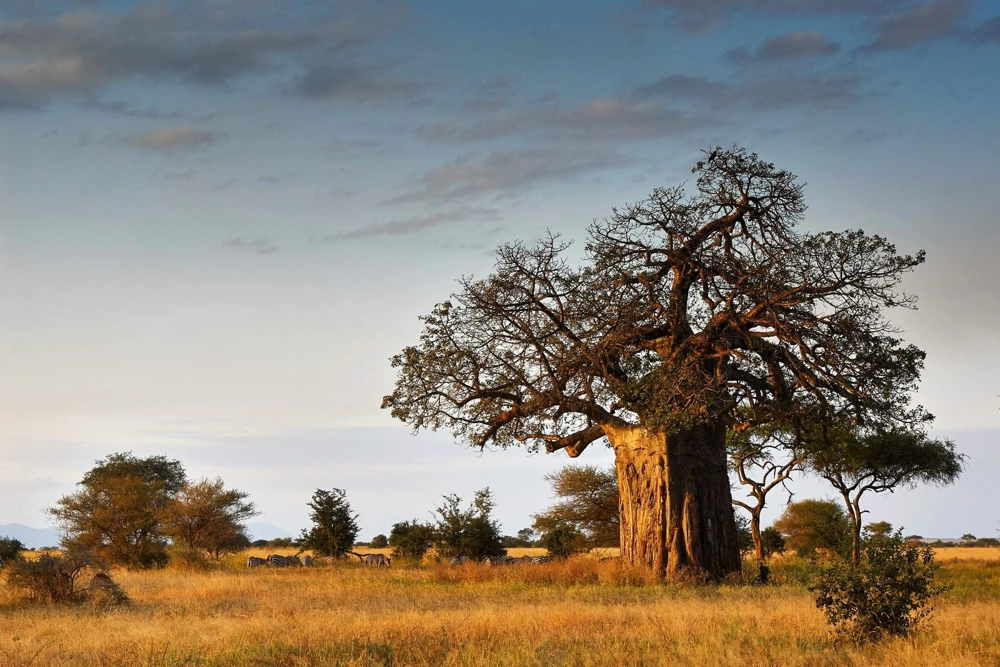
Embark on a remarkable horticultural journey by growing your very own African Baobab tree seeds. This pack contains 5 premium Adansonia Digitata seeds, offering you the chance to cultivate one of the most iconic and long-lived trees on Earth. Often referred to as the ‘Tree of Life’ due to its ability to store water and provide sustenance, the African Baobab is a true marvel of nature. Known by various intriguing names such as Monkey Bread Tree and Judas Fruit Tree, its unique appearance and ecological importance make it a captivating specimen for enthusiasts and collectors. These seeds provide a direct link to the ancient landscapes of Africa, allowing you to bring a piece of that heritage into your own environment. Growing a Baobab from seed is a rewarding experience, leading to a tree that can live for thousands of years, developing a massive, distinctive trunk and sparse, umbrella-like canopy.
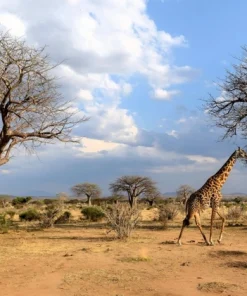
The African Baobab tree seeds are sourced to ensure viability, giving you the best opportunity to successfully sprout these magnificent giants. While they are a symbol of the African savanna, with proper care and conditions, they can be grown in various climates, particularly in warmer regions or as container plants in cooler areas. The mature tree produces large, woody fruits known as Monkey Bread, which are highly nutritious. This offering is for the seeds themselves, providing the starting point for cultivating your very own piece of living history.
Key Benefits
Growing African Baobab tree seeds offers a multitude of benefits, from their unique aesthetic appeal to their ecological significance. These trees are not just plants; they are living sculptures that tell a story.
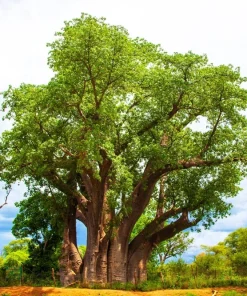
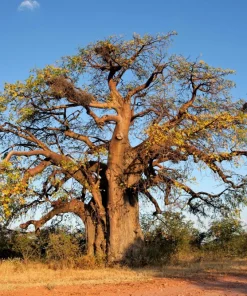
- Unique Ornamental Value: The Baobab tree develops a distinctive, massive, bottle-shaped trunk and a sparse, sprawling canopy, creating an unparalleled focal point in any garden or landscape. Its unusual silhouette is instantly recognizable and adds an exotic touch.
- Long Lifespan and Heritage: Baobab trees are renowned for their incredible longevity, often living for thousands of years. Cultivating one from Adansonia Digitata seeds means you are planting a living legacy that can be enjoyed for generations, connecting you to ancient natural history.
- Drought Tolerance: Adapted to arid environments, Baobabs are incredibly resilient and drought-tolerant once established. Their ability to store vast amounts of water in their trunks makes them a low-maintenance choice for suitable climates.
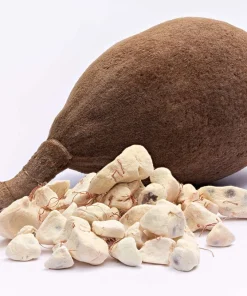
- Edible & Nutritious Fruit: The tree produces large, hard-shelled fruits commonly known as ‘Monkey Bread’ or ‘Judas Fruit’. The pulp of these fruits is highly nutritious, rich in Vitamin C, antioxidants, and minerals, making it a valuable superfood.
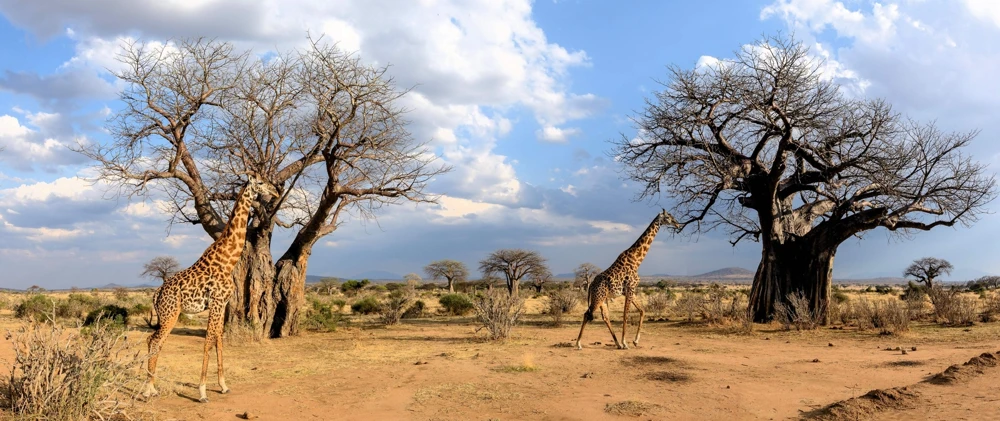
- Ecological Importance: Baobabs play a crucial role in their native ecosystems, providing food and shelter for numerous animal species. Growing a Baobab contributes to biodiversity and supports ecological awareness.
- Educational Project: Planting and nurturing African Baobab tree seeds is an excellent educational project for all ages, teaching patience, biology, and environmental stewardship. It’s a fascinating way to learn about exotic plant life.
- Conversation Starter: Due to its unique appearance and intriguing backstory, a Baobab tree is sure to be a conversation starter and a source of wonder for visitors to your garden.
Plant Care & Growing Tips
To successfully grow Baobab tree from seed, patience and specific care are essential. Baobab seeds have a hard outer coat that requires scarification to encourage germination. Begin by gently filing or sanding a small portion of the seed coat until you see a lighter color underneath, being careful not to damage the embryo. After scarification, soak the Adansonia Digitata seeds in warm water for 24-48 hours, changing the water every 12 hours. This process helps to soften the seed coat further and signals to the seed that it’s time to germinate.
Plant the prepared African Baobab tree seeds in well-draining soil, ideally a sandy loam mix, about 1-2 inches deep. A good potting mix for succulents or cacti works well. Maintain a warm environment, ideally between 75-85°F (24-29°C), which can be achieved with a heat mat if growing indoors. Keep the soil consistently moist but not waterlogged, as excessive moisture can lead to rot. Germination can be erratic, taking anywhere from a few weeks to several months, so continued warmth and moisture are key. Once seedlings emerge, provide plenty of bright light. As they grow, gradually introduce them to more sunlight. Baobabs thrive in full sun once established. Water thoroughly when the soil is dry to the touch, reducing frequency in cooler months. They are highly drought-tolerant but appreciate regular watering during active growth. In USDA zones 10-11, they can be grown outdoors year-round. In cooler climates, they make excellent container plants that can be brought indoors during winter. Protect young plants from frost.
Size & Details
This offering includes 5 African Baobab tree seeds, ready for you to embark on your growing adventure. Each seed is carefully selected to provide the best chance for successful germination. When mature, the Baobab (Adansonia Digitata) is known for its impressive size, typically reaching heights of 60-100 feet in its native habitat, with trunk diameters that can exceed 30 feet. As a container plant, its size can be managed through pruning, often growing to 6-15 feet tall over many years, depending on pot size and growing conditions. The growth rate is moderate once established, and the characteristic swollen trunk begins to develop after several years.
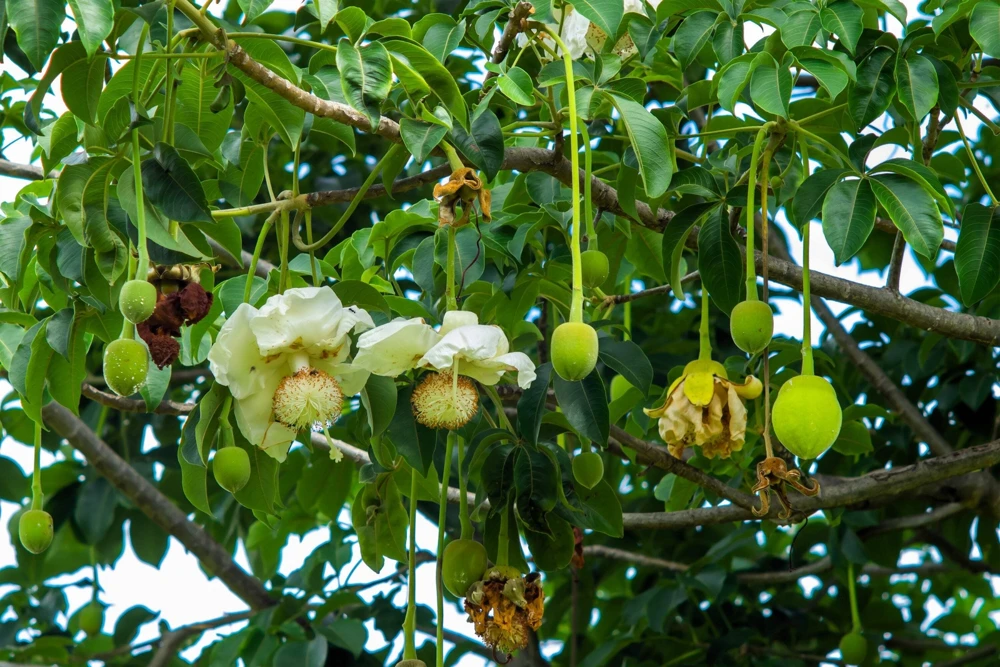
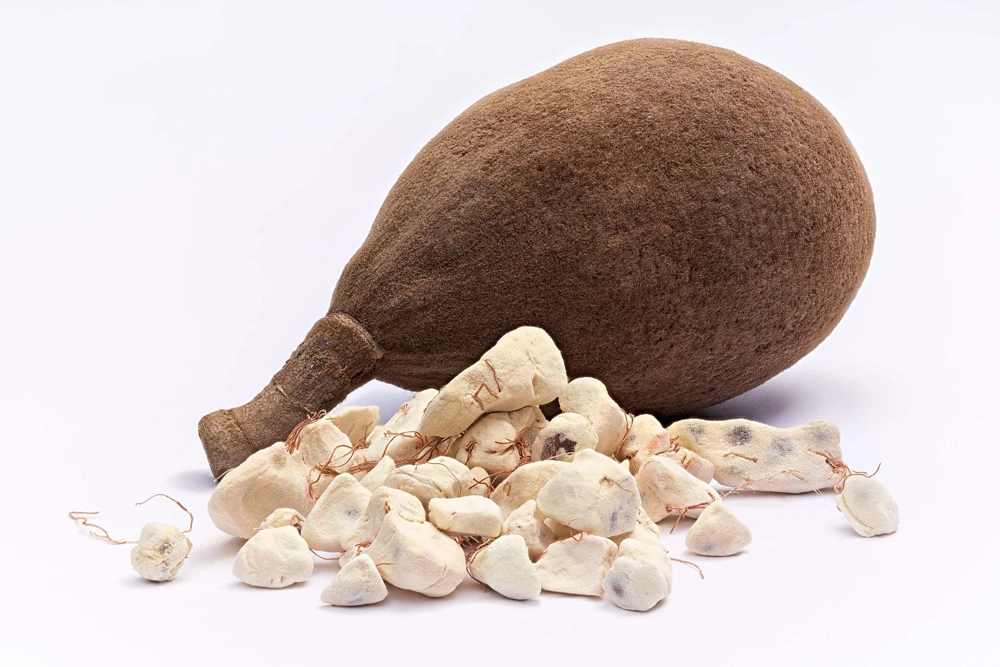
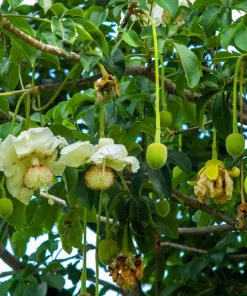
The fruits, known as Monkey Bread or Judas Fruit, are large, oblong, and woody, containing a powdery pulp and kidney-shaped seeds. The leaves are palmate, with 5-7 leaflets, and are typically shed during the dry season. These seeds are shipped as raw, untreated seeds, allowing you to perform the necessary scarification and soaking yourself. With proper care, these seeds will develop into strong, healthy seedlings that can eventually grow into magnificent, long-lived trees.
Frequently Asked Questions
- Q: How do I prepare the African Baobab tree seeds for planting? A: The seeds have a very hard coat. You need to scarify them by gently filing or sanding a small spot on the seed coat until you see a lighter layer underneath. Then, soak the seeds in warm water for 24-48 hours, changing the water every 12 hours, before planting.
- Q: What size pot should I use to start the seeds? A: Start the African Baobab tree seeds in small pots, about 4-6 inches in diameter, with good drainage. As the seedling grows, you will need to transplant it into progressively larger pots to accommodate its developing root system and trunk.
- Q: Is this an indoor or outdoor plant? A: In USDA zones 10-11, the Baobab can be grown outdoors year-round. In cooler climates, it is best grown as a container plant and brought indoors during the cooler months to protect it from frost, making it suitable for both indoor and outdoor settings depending on the season.
- Q: How much sunlight does a Baobab need? A: Once germinated and established, Baobab trees thrive in full sun, requiring at least 6-8 hours of direct sunlight per day. Young seedlings should start with bright, indirect light and gradually be introduced to more intense sun.
- Q: Is this plant easy to care for? A: While germinating Adansonia Digitata seeds requires specific steps, once established, Baobab trees are relatively low-maintenance and drought-tolerant. They are considered easy for those experienced with exotic or succulent plants.
- Q: What condition will the seeds arrive in? A: The African Baobab tree seeds will arrive as raw, dried seeds, ready for you to perform the necessary scarification and soaking steps before planting to optimize germination.
- Q: How long until the Baobab tree matures or starts to develop its characteristic trunk? A: Baobabs are slow-growing, especially from seed. It can take several years for the tree to develop its characteristic swollen trunk. Full maturity can take decades or even centuries, making it a long-term gardening project.
- Q: Can I grow the Judas Fruit seeds in any type of soil? A: Baobabs require very well-draining soil. A sandy loam mix or a specialized succulent/cactus potting mix is ideal to prevent root rot. Avoid heavy clay soils.
- Q: What is the minimum temperature these trees can tolerate? A: Baobab trees are very sensitive to cold. They can tolerate temperatures no lower than 40-50°F (4-10°C). They must be protected from frost and brought indoors if temperatures drop below this range.
- Q: Are the fruits of the Monkey Bread tree edible? A: Yes, the fruit pulp of the African Baobab tree seeds is highly nutritious and edible. It has a tangy, citrus-like flavor and is often used in drinks, porridges, and as a natural supplement.
Be the first to review “5 African Baobab Tree Seeds – Adansonia Digitata – Monkey Bread Fruit”
People Also Viewed


Vegetable Seeds
50 Mixed Ornamental Cabbage Seeds – Flowering Brassica Oleracea
Reviews
There are no reviews yet.