


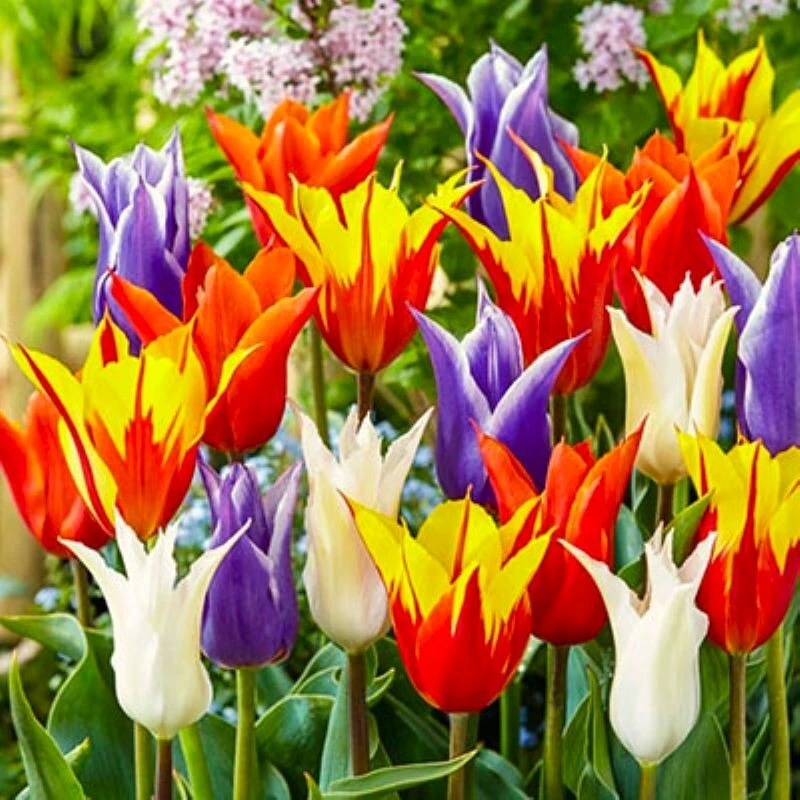
40 Tulip Seeds Mixed Colors – Fresh Flowering Bulbs for Garden Planting
Original price was: $49.99.$24.99Current price is: $24.99.
Cultivate stunning floral displays with our packet of 40 tulip seeds mixed colors. These fresh seeds promise a vibrant spring garden, offering an array of hues to brighten any landscape. Perfect for gardeners seeking an economical way to grow beautiful tulips.
Estimated arrival
Oct 27
Nov 01 - Nov 03
Nov 06 - Nov 10
Shop With Confidence
30-Day Plant Health Guarantee
Arrives damaged? We’ll replace it free — see our return policy.
Responsive Support
Email us anytime, we reply within 1 business day.
Expert Packaging
Temperature-controlled shipping to protect your plants in transit.
Secure Checkout
Pay safely with Visa, Mastercard, PayPal.
Plant Specifications
-
USDA Hardiness Zone
USDA zones 3-8 -
Soil Type
Well-draining, fertile soil -
Sunlight Exposure
Full sun -
Expected Planting Period
Fall
Overview
Embark on a delightful gardening journey with our premium selection of tulip seeds mixed colors. This generous packet contains 40 fresh tulip seeds, carefully curated to bring a spectacular array of hues to your garden. Unlike purchasing bulbs, growing tulips from seed offers a unique and rewarding experience, allowing you to witness the entire life cycle of these magnificent flowering plants. Each seed holds the potential for a new, vibrant bloom, contributing to a truly captivating spring display. Our fresh tulip seeds are an excellent choice for both novice and experienced gardeners looking to add a touch of elegance and a burst of color to their outdoor spaces. Prepare for a spring filled with unexpected beauty and diverse patterns with every emerging flower.
Tulips (Tulipa species) are renowned for their iconic cup-shaped flowers and bright, cheerful colors, making them a staple in spring gardens worldwide. Our mixed color assortment ensures a dynamic and interesting visual tapestry, preventing a monotonous look. These seeds are a fantastic way to create a lush, colorful tulip garden that will be the envy of your neighborhood. Experience the joy of nurturing these seeds into robust plants that produce breathtaking flowers, enhancing any garden bed, border, or container arrangement.
Key Benefits
Choosing to plant our tulip seeds mixed colors offers numerous advantages for any gardening enthusiast. From the sheer beauty of the blooms to the rewarding process of cultivation, these seeds provide an enriching experience. Here are some of the key benefits you can expect:
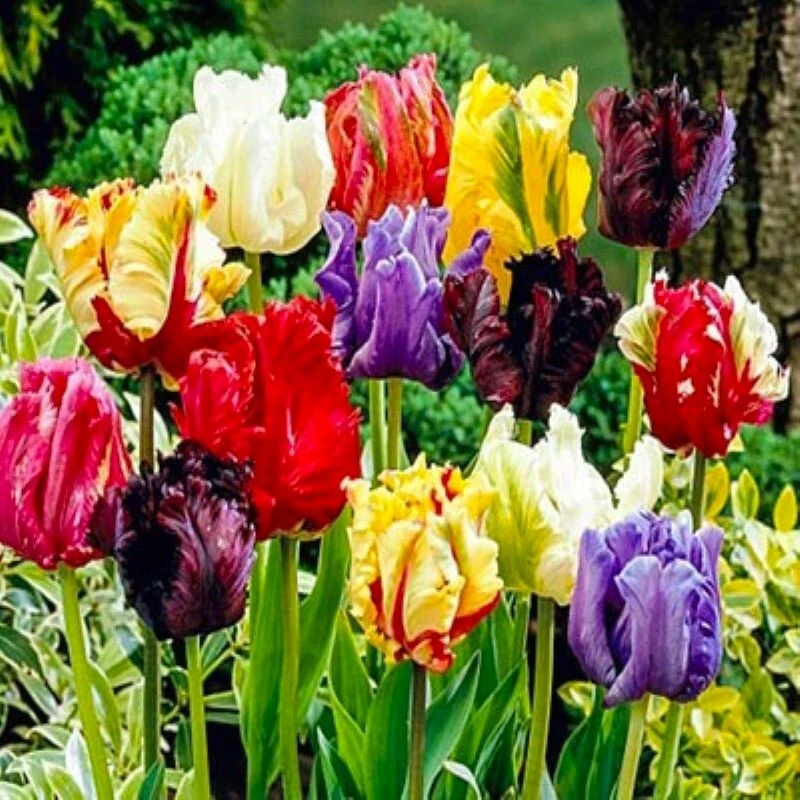
- Vibrant Mixed Colors: Enjoy a stunning spectrum of tulip blooms, ranging from classic reds and yellows to unique purples, pinks, and whites. Each flower is a surprise, contributing to a dynamic and visually appealing garden throughout the spring season. This variety ensures your garden always looks fresh and exciting.
- Economical Gardening: Planting seeds is a cost-effective way to achieve a large, beautiful tulip display compared to purchasing mature bulbs. This allows you to cultivate a more extensive garden without breaking the bank, making gardening accessible to more enthusiasts.
- Rewarding Cultivation Process: Experience the deep satisfaction of nurturing plants from tiny seeds to glorious flowers. The process of watching your fresh tulip seeds germinate and grow into flowering plants is incredibly fulfilling and educational.
- Versatile Garden Use: These tulips are perfect for a variety of garden applications, whether you’re creating vibrant flower beds, designing eye-catching borders, or adding splashes of color to patio containers. Their adaptability makes them suitable for almost any garden design.
- Attracts Pollinators: While not their primary function, blooming tulips can attract early spring pollinators like bees, contributing to the biodiversity and health of your garden ecosystem. They offer an early food source when other flowers may still be dormant.
- Long-Lasting Blooms: With proper care, the flowers from these tulip seeds mixed colors can provide a beautiful display for several weeks, extending the enjoyment of your spring garden. Their robust nature ensures a good show year after year.
- Unique Genetic Diversity: Growing from seed can sometimes result in unique variations in flower shape, size, and color that might not be available from commercially produced bulbs, adding an element of surprise and individuality to your garden.
Plant Care & Growing Tips
Successful cultivation of your tulip seeds mixed colors requires attention to specific environmental conditions and care practices. Tulips thrive in environments that mimic their natural habitat, ensuring strong growth and abundant blooms. Understanding the proper tulip planting instructions is crucial for a thriving garden.
Sunlight Requirements: Tulips generally prefer full sun, meaning at least 6 hours of direct sunlight per day. While they can tolerate partial shade, too little sun can result in leggy stems and fewer, smaller flowers. For optimal growth and vibrant colors, choose a location in your garden that receives ample morning and afternoon sun. If planting in containers, ensure they can be moved to follow the sun’s path throughout the day. This consistent light exposure is key to developing strong, healthy plants from your fresh tulip seeds.
Watering Schedule and Soil Moisture: Tulips require consistent moisture during their active growth period in spring, but they are highly susceptible to rot if overwatered or if the soil drains poorly. Water thoroughly when the top inch of soil feels dry to the touch. Reduce watering significantly once the foliage begins to yellow and die back, as the bulbs enter dormancy and require less moisture. During dormancy, excessive water can cause the bulbs to rot. Ensure excellent drainage to prevent waterlogging, which is detrimental to bulb health.
Soil Type and Drainage Requirements: The ideal soil for tulips is well-draining, fertile, and slightly acidic to neutral (pH 6.0-7.0). Heavy clay soils should be amended with organic matter like compost or sand to improve drainage and aeration. Sandy soils may benefit from added compost to improve water retention and nutrient availability. Good drainage is paramount; standing water will quickly lead to bulb rot. Consider raised beds or containers if your native soil is particularly heavy or poorly draining. Proper soil preparation is a critical step in following effective tulip planting instructions.
Temperature Range and USDA Hardiness Zone: Tulips are typically hardy in USDA Zones 3-8, requiring a period of cold dormancy to produce flowers. They prefer cool spring temperatures for blooming. In warmer climates (Zones 9 and above), bulbs may need to be pre-chilled in a refrigerator for 10-12 weeks before planting to simulate winter conditions. Protecting young seedlings from late frosts is also important. The bulbs themselves are quite resilient to cold once established, but extreme temperature fluctuations can stress the plants. Understanding your specific hardiness zone is key for successful cultivation of your colorful tulip garden.
Fertilization Schedule and Type: Fertilize your tulips in the fall when planting, or in early spring as new growth emerges. Use a balanced, slow-release granular fertilizer specifically formulated for bulbs, or one with a slightly higher phosphorus content to encourage root and flower development. Avoid high-nitrogen fertilizers, which promote leafy growth at the expense of flowers. Apply fertilizer around the base of the plants, avoiding direct contact with the foliage, and water it in thoroughly. Over-fertilization can lead to weak growth or nutrient burn.
Common Problems and Solutions: Tulips can be susceptible to fungal diseases like tulip fire, which causes spots on leaves and distorted flowers. Ensure good air circulation and avoid overhead watering to minimize disease risk. Pests such as aphids and slugs can also be an issue; monitor your plants regularly and treat with organic pest control methods if necessary. Squirrels and other rodents may dig up and eat bulbs; consider planting in wire cages or using repellents. Proper spacing and sanitation are vital for maintaining a healthy colorful tulip garden.
Size & Details
Our offering includes 40 tulip seeds mixed colors, providing a diverse genetic pool for a varied garden display. When grown from seed, tulips typically take a few years to reach flowering maturity, usually blooming in their third to fifth year. This patience is rewarded with robust plants that are often more adapted to your specific garden conditions. Mature tulip plants grown from these seeds will generally reach a height of 12 to 24 inches, depending on the specific varieties that emerge from the mix and environmental conditions. The flowers themselves will vary in size and shape, adding to the charm of a truly mixed garden. These seeds are shipped in a protective packet, ensuring their viability upon arrival, ready for you to follow the detailed tulip planting instructions.
Each seed has the potential to develop into a strong, healthy bulb over time. While initial growth may focus on developing a robust root system and foliage, the eventual reward is a spectacular spring bloom. The exact bloom time will depend on your local climate and the specific varieties within the mix, but generally occurs from early to late spring. These seeds offer a sustainable and long-term approach to creating a beautiful garden, allowing you to cultivate a collection of unique tulips over several seasons.
Frequently Asked Questions
- Q: How big do tulips grown from these seeds typically get? A: Tulips grown from these tulip seeds mixed colors typically reach a mature height of 12 to 24 inches. The exact size can vary depending on the specific varieties in the mix, soil conditions, and care provided.
- Q: Is this an indoor or outdoor plant? A: Tulips are primarily outdoor plants, thriving in garden beds, borders, and outdoor containers. They require a cold dormancy period to flower, making them unsuitable for continuous indoor growth without specific chilling treatments.
- Q: How much sunlight do these tulip seeds need? A: For optimal growth and flowering, tulips need at least 6 hours of direct sunlight per day. Choose a location in your garden that receives full sun exposure to ensure the best results from your fresh tulip seeds.
- Q: Are these tulip seeds easy to care for? A: While growing tulips from seed requires more patience than planting bulbs, the care for established plants is relatively straightforward. Providing well-draining soil, adequate sunlight, and proper watering will lead to a thriving colorful tulip garden.
- Q: What condition will the seeds arrive in? A: The tulip seeds mixed colors will arrive in a protective packet, ensuring they are fresh and viable for planting. They are ready to be sown according to the provided instructions upon delivery.
- Q: How long until tulips grown from seed bloom? A: Tulips grown from seed typically take 3 to 5 years to reach flowering maturity. The first few years are spent developing a strong bulb and root system before they produce their beautiful blooms.
- Q: When is the best time to plant these tulip seeds? A: The best time to plant tulip seeds is in the fall, allowing them to undergo a natural cold stratification period over winter. This prepares them for germination in the spring. Follow specific tulip planting instructions for your region.
- Q: Will these tulips survive winter in my zone? A: Tulips are generally hardy in USDA Zones 3-8. If you are in a warmer zone (9+), you may need to pre-chill the seeds or bulbs (once formed) to simulate winter conditions for successful flowering.
- Q: What type of soil is best for growing these tulip seeds? A: Tulips prefer well-draining, fertile soil with a slightly acidic to neutral pH (6.0-7.0). Amending heavy clay soils with organic matter is recommended to improve drainage.
- Q: Can I grow a colorful tulip garden in containers from these seeds? A: Yes, you can grow tulips in containers from these seeds. Ensure the containers have excellent drainage and are large enough to accommodate the developing bulbs. Container-grown tulips may require more frequent watering.
Be the first to review “40 Tulip Seeds Mixed Colors – Fresh Flowering Bulbs for Garden Planting”
People Also Viewed



Reviews
There are no reviews yet.