

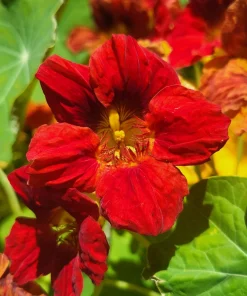
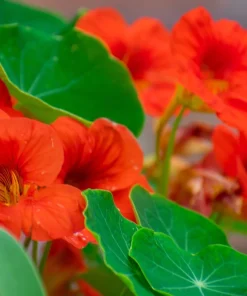
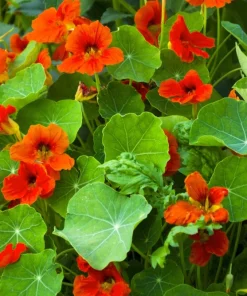
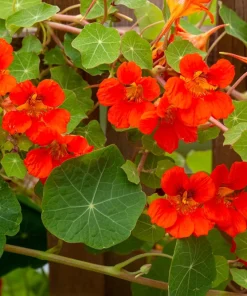
25 Dwarf Red Empress Nasturtium Seeds – Tropaeolum Majus Nanum – Hummingbird Flowers
Original price was: $37.99.$17.99Current price is: $17.99.
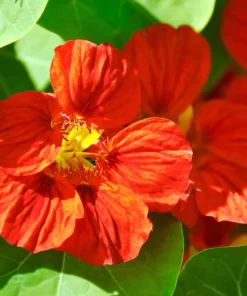
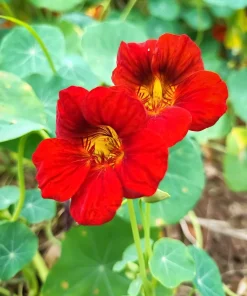
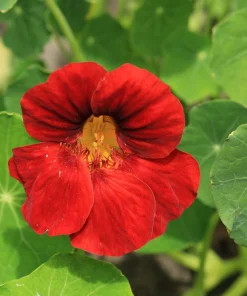
Discover the beauty of dwarf red nasturtium seeds, offering vibrant red blooms that attract hummingbirds and add a peppery flavor to culinary dishes. These easy-to-grow annuals are perfect for borders, containers, or edible landscapes, providing continuous color from spring to fall.
Estimated arrival
Sep 17
Sep 22 - Sep 24
Sep 27 - Oct 01
Shop With Confidence
30-Day Plant Health Guarantee
Arrives damaged? We’ll replace it free — see our return policy.
Responsive Support
Email us anytime, we reply within 1 business day.
Expert Packaging
Temperature-controlled shipping to protect your plants in transit.
Secure Checkout
Pay safely with Visa, Mastercard, PayPal.
Plant Specifications
-
USDA Hardiness Zone
USDA zones 2-11 (as annuals) -
Soil Type
Well-draining, lean to moderately fertile soil -
Sunlight Exposure
Full sun to partial shade -
Expected Planting Period
Spring to early summer
Overview
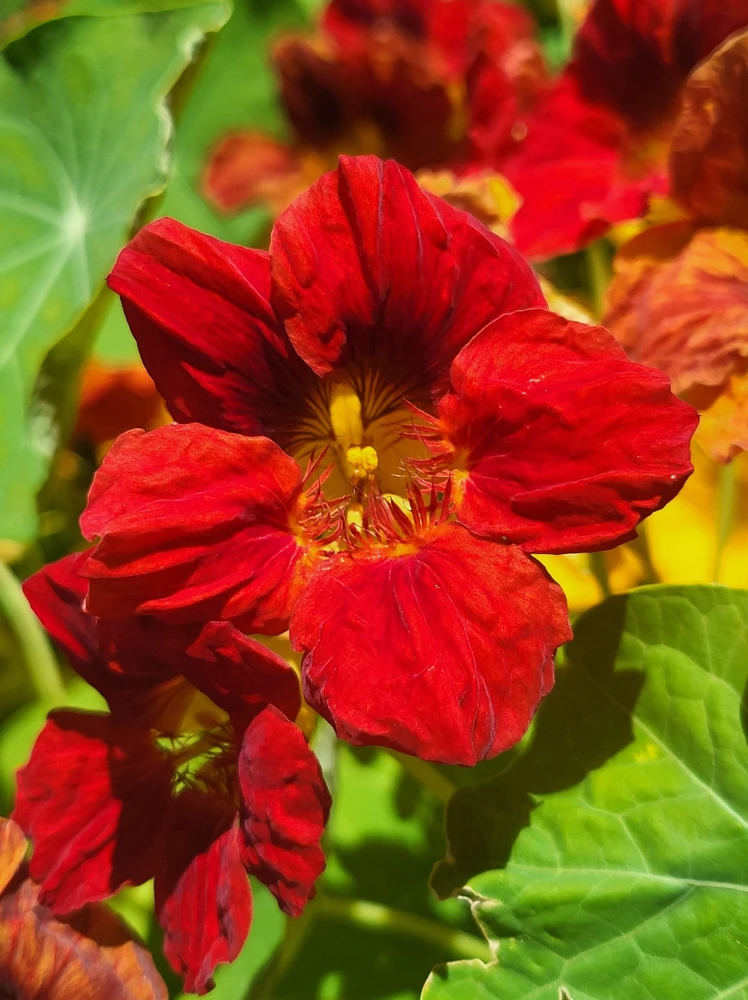
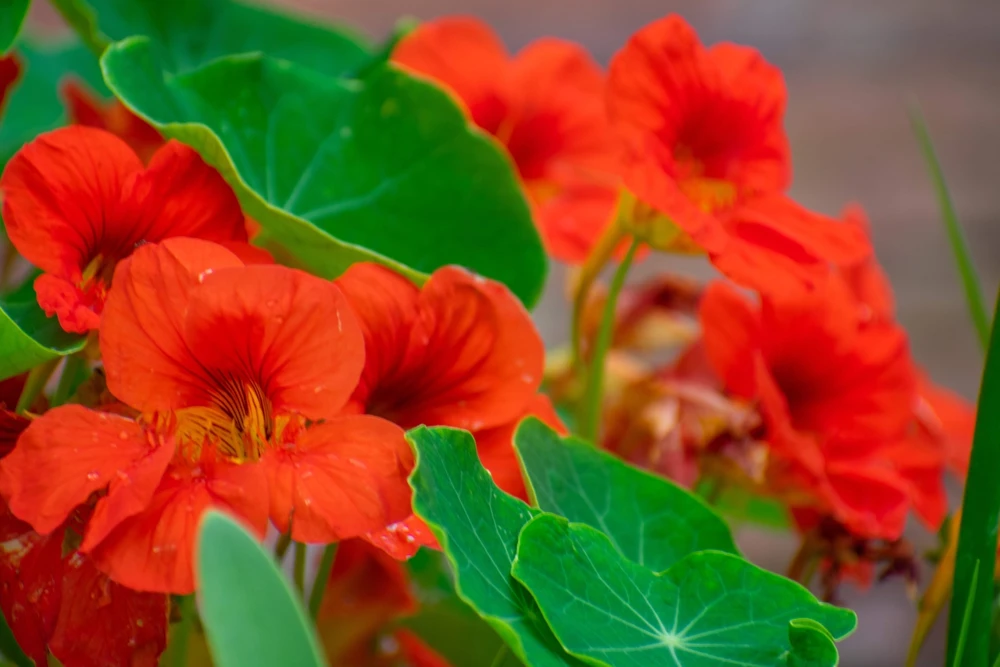
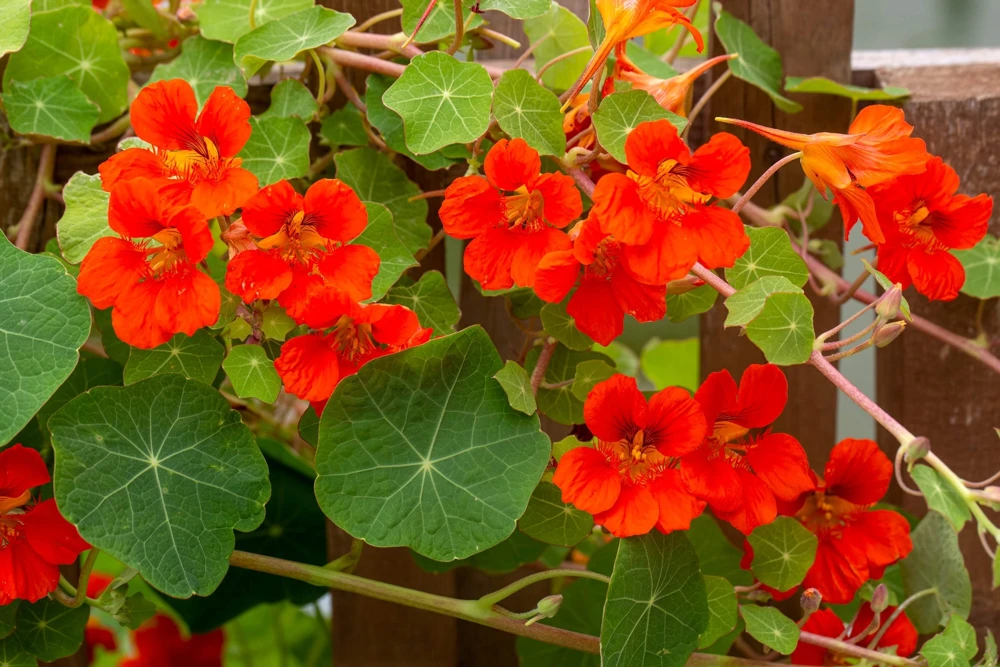
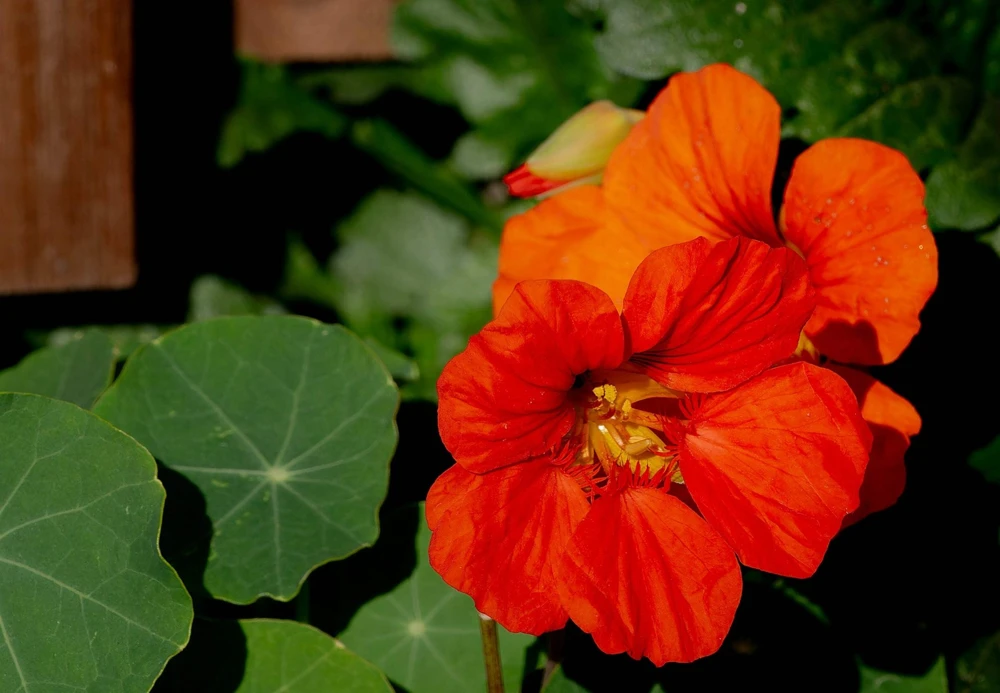
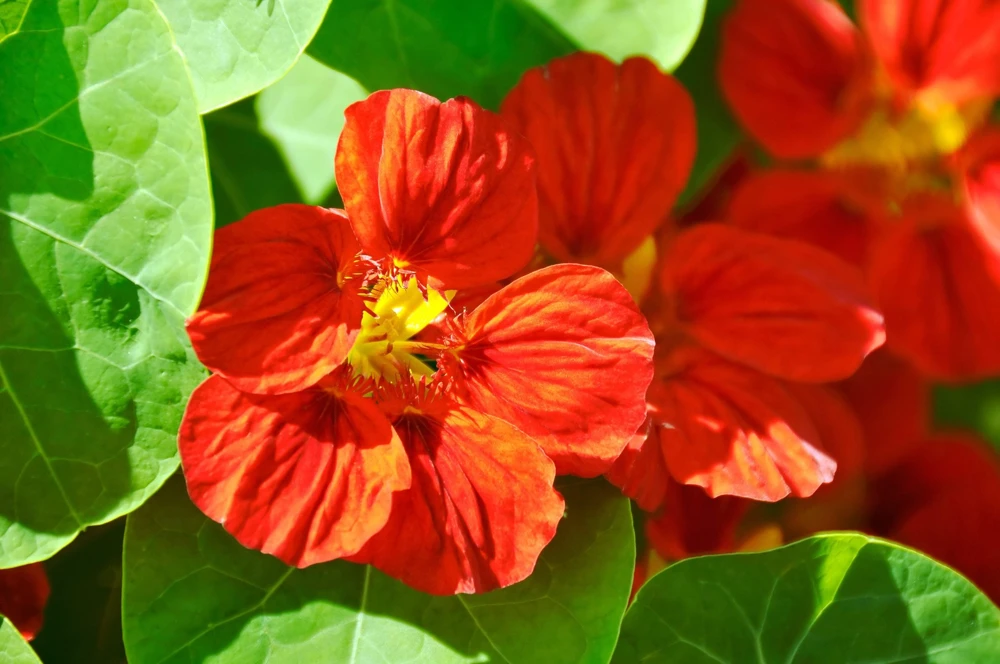
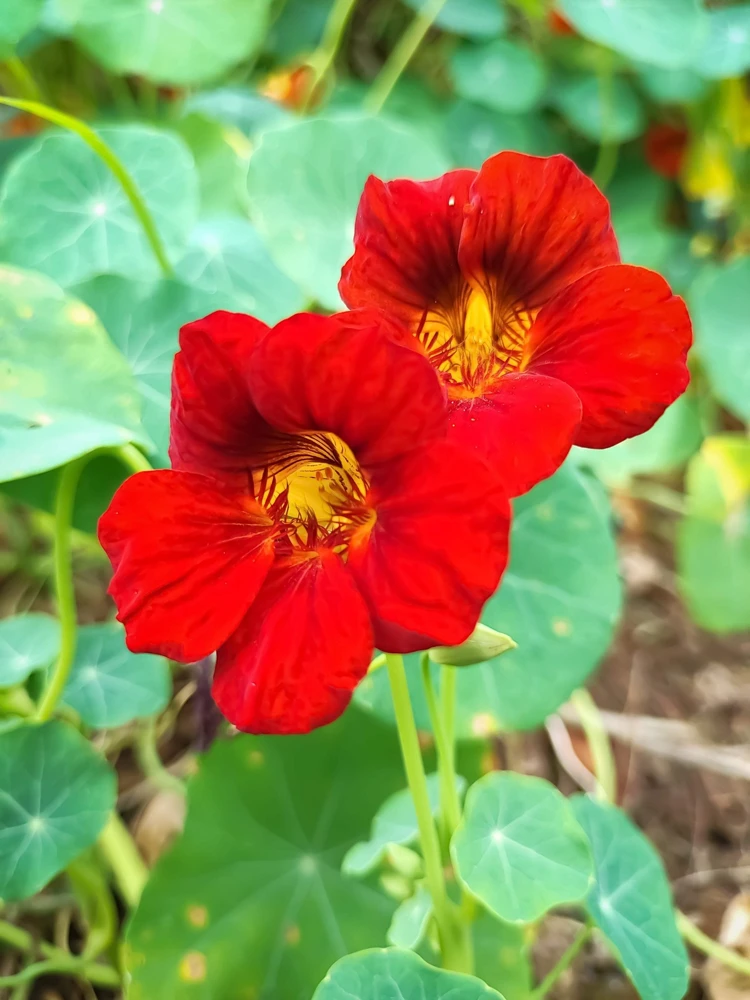
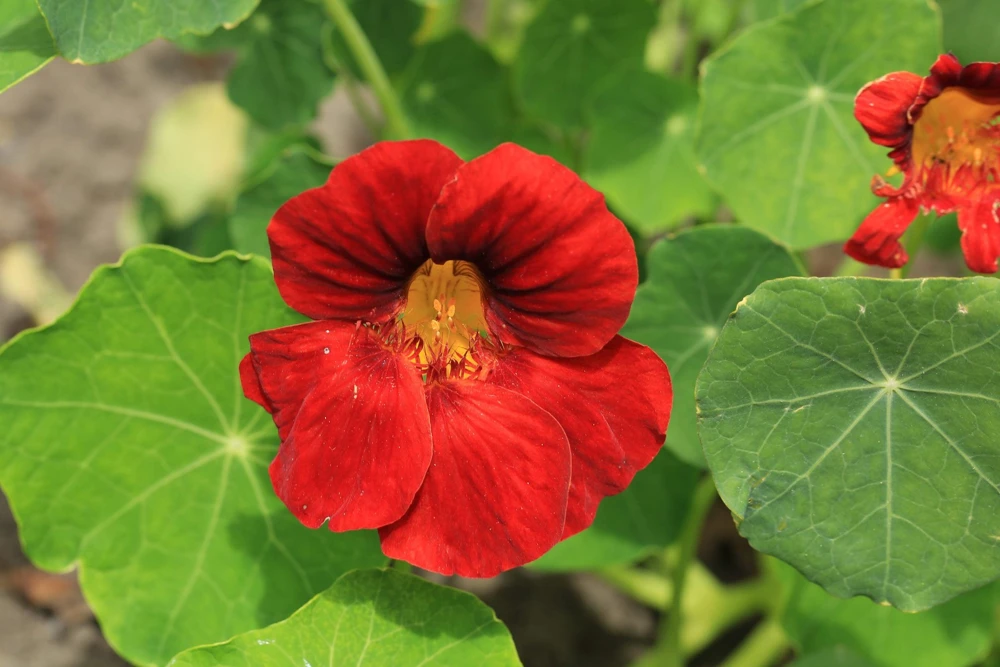
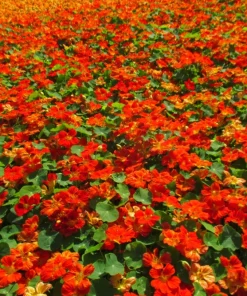
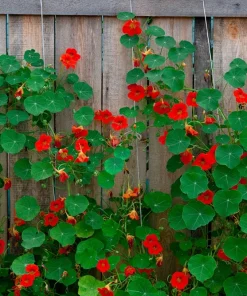
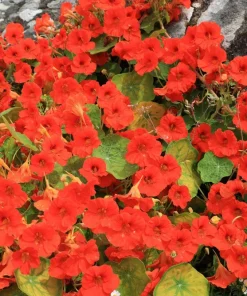
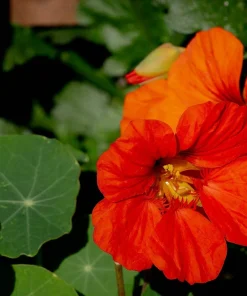
Introduce a burst of fiery color and a touch of culinary delight to your garden with our dwarf red nasturtium seeds. This packet contains 25 high-quality ‘Red Empress’ Nasturtium (Tropaeolum Majus Nanum) seeds, a compact variety known for its striking scarlet-red flowers and attractive lily pad-like foliage. These beautiful annuals are not only a feast for the eyes but also a magnet for pollinators, especially hummingbirds, making them an excellent choice for a vibrant and active garden space. Their cheerful blooms and leaves are entirely edible, offering a peppery zest that can elevate salads, sandwiches, and garnishes. Perfect for gardeners seeking both ornamental beauty and practical use, these red nasturtium flowers are remarkably easy to grow and maintain, thriving in various conditions.
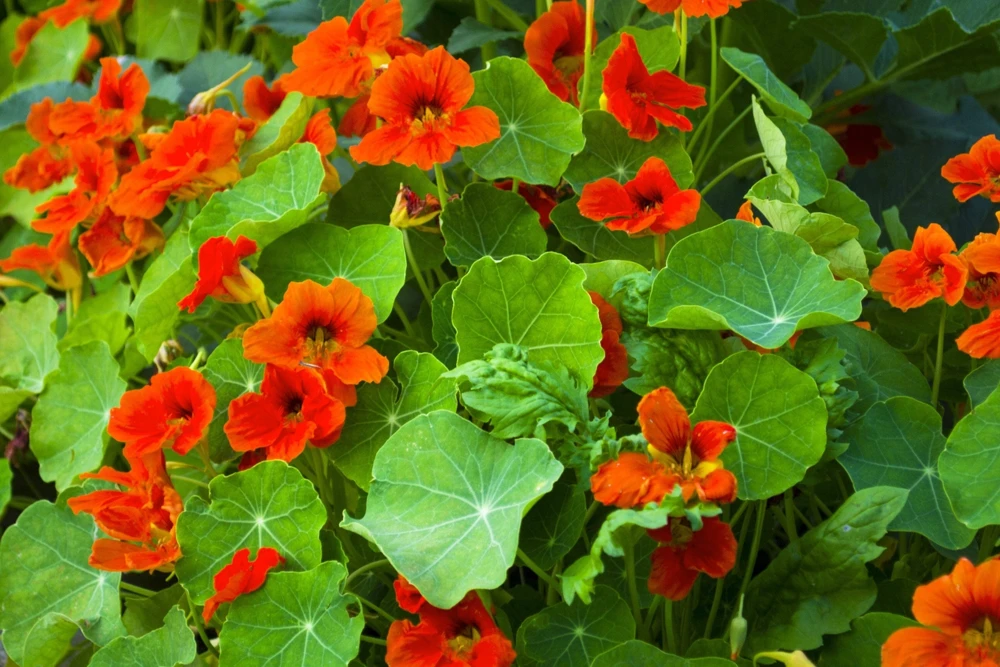
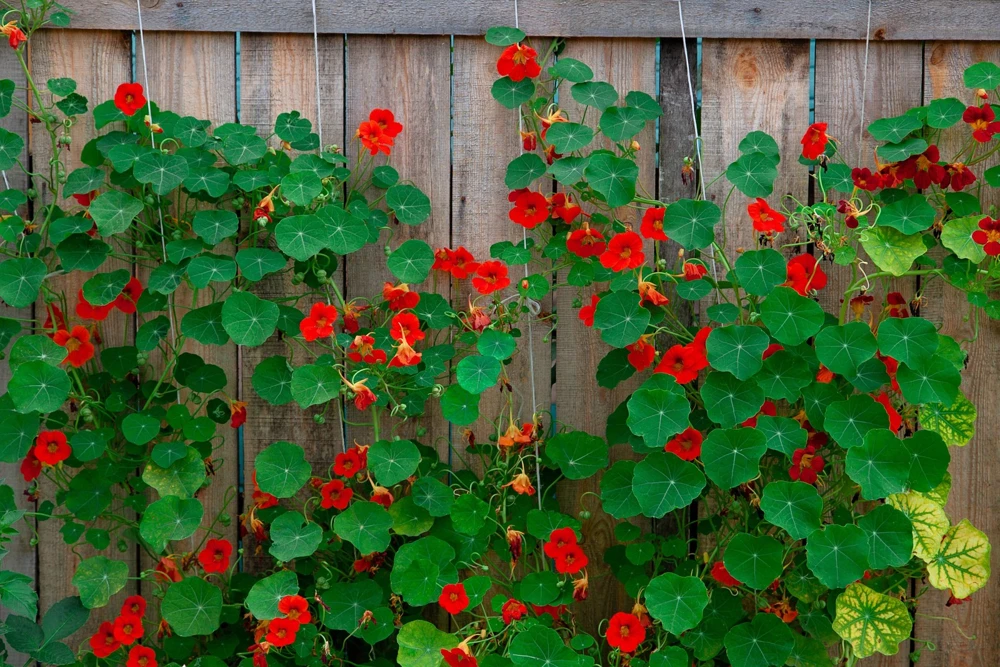
The ‘Red Empress’ variety is specifically bred for its dwarf, bushy habit, making it ideal for smaller spaces, container gardening, or as a vibrant border plant. Unlike sprawling nasturtium varieties, these remain neat and compact, producing an abundance of rich red blossoms that stand out against their green foliage. Whether you’re an experienced gardener or just starting, these seeds provide a rewarding growing experience, culminating in a spectacular display of color and a continuous supply of edible greens and flowers.
Key Benefits
Cultivating dwarf red nasturtium seeds brings a multitude of advantages to your garden and kitchen. These versatile plants offer both aesthetic appeal and practical uses, making them a fantastic addition to any outdoor space. Here are some of the key benefits:
- Attracts Pollinators: The bright red, trumpet-shaped flowers are irresistible to hummingbirds, butterflies, and bees, helping to bring life and activity to your garden while supporting local ecosystems. Creating a hummingbird garden seeds haven is easy with these vibrant blooms.
- Edible Delight: Both the leaves and flowers of the ‘Red Empress’ nasturtium are edible, offering a unique peppery, slightly mustard-like flavor. They are perfect for adding a gourmet touch to salads, garnishes, and various culinary creations, providing a fresh, zesty kick.
- Easy to Grow: Nasturtiums are renowned for their low-maintenance nature. They are forgiving plants that thrive in a range of soil types and require minimal care once established, making them an excellent choice for beginner gardeners or those with busy schedules. Understanding nasturtium care is straightforward.
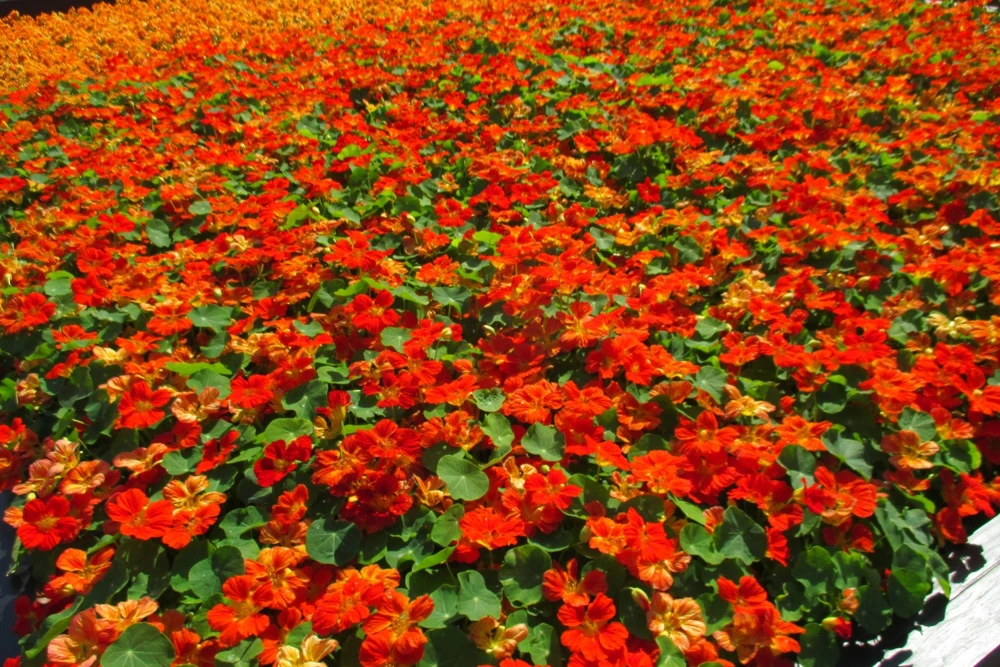
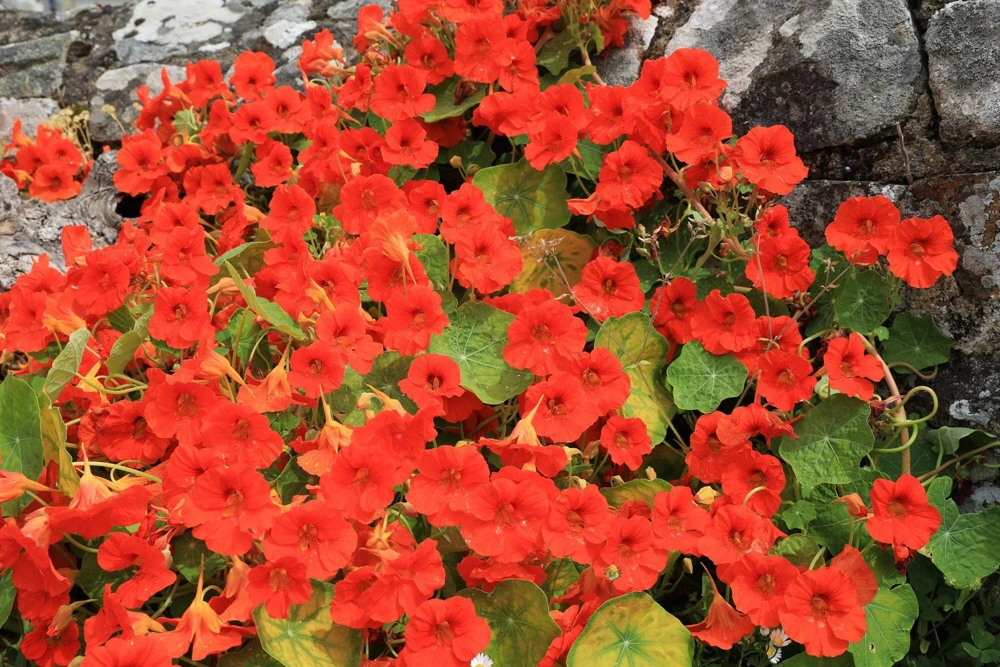
- Vibrant Color: The intense scarlet-red blooms provide a stunning visual impact, adding a bold splash of color to garden beds, hanging baskets, and containers. They bloom profusely from late spring through fall, ensuring long-lasting beauty.
- Pest Deterrent: Nasturtiums are often used as a trap crop in organic gardening, attracting aphids away from more valuable plants. Their presence can help protect other vegetables and flowers from common garden pests.
- Compact Growth Habit: The ‘Nanum’ (dwarf) classification means these nasturtiums grow in a compact, bushy form, making them perfect for smaller gardens, window boxes, and as an edging plant without taking over the space.
- Continuous Bloom: With proper deadheading, these plants will continue to produce beautiful red nasturtium flowers throughout the growing season, providing a steady supply of color and edible parts.
Plant Care & Growing Tips
Growing dwarf red nasturtium seeds is a rewarding experience, as these plants are incredibly resilient and adaptable. For optimal growth and a profusion of red nasturtium flowers, consider the following care guidelines. Nasturtiums prefer a location with full sun to partial shade. In hotter climates, a little afternoon shade can prevent the leaves from scorching and prolong blooming. Aim for at least 6 hours of direct sunlight daily for the best flower production. They are not overly fussy about soil, but well-draining soil is crucial to prevent root rot. Avoid overly rich soil, as this tends to produce more foliage at the expense of flowers. A lean to moderately fertile soil is ideal. You can amend heavy clay soils with organic matter to improve drainage.
Watering should be consistent, especially during dry spells, but allow the top inch or two of soil to dry out between waterings. Overwatering can lead to fungal issues and fewer blooms. Once established, nasturtiums are fairly drought-tolerant. Fertilization is generally not necessary, and in fact, too much nitrogen can lead to excessive leafy growth and fewer flowers. If your soil is very poor, a light application of a low-nitrogen fertilizer can be given early in the season. These annuals thrive in mild temperatures and are sensitive to frost. They are typically grown in USDA zones 2-11 as annuals. For continuous blooms, deadhead spent flowers regularly. This encourages the plant to produce new blossoms rather than putting energy into seed production. Watch out for common pests like aphids; nasturtiums can act as a trap crop, drawing aphids away from other plants. A strong spray of water can often dislodge them.
Understanding proper nasturtium care ensures a beautiful and productive season. These plants are relatively pest-free if given adequate air circulation and proper watering. If you notice any yellowing leaves, it might indicate overwatering or a nutrient deficiency. Adjust your watering schedule or consider a very mild, balanced liquid feed if necessary. For those interested in edible flower seeds, ensuring a healthy plant means a safe and delicious harvest.
Size & Details
This offering includes 25 high-quality dwarf red nasturtium seeds of the ‘Red Empress’ variety (Tropaeolum Majus Nanum). These seeds will grow into compact, bushy annual plants, typically reaching a height of 10-12 inches (25-30 cm) and spreading about 12-18 inches (30-45 cm) wide. Their neat growth habit makes them excellent for container gardening, window boxes, or as a front-of-border plant where space is a consideration. The seeds are packaged for optimal viability and are ready for planting in the spring after the last frost. Expect germination within 7-14 days under ideal conditions. The plants will begin to flower approximately 35-50 days after planting, providing continuous blooms until the first hard frost of autumn. Each seed is capable of producing multiple vibrant red nasturtium flowers and edible leaves throughout the growing season.
The ‘Red Empress’ variety is known for its strong, vivid red coloration, making it a standout in any garden setting. These hummingbird garden seeds are an excellent choice for attracting beneficial wildlife while also offering culinary benefits. The seeds themselves are relatively large, making them easy to handle and plant, even for children or those new to gardening. They are best direct-sown into the garden bed or containers. For an earlier start, they can be sown indoors a few weeks before the last frost and then transplanted carefully once the weather warms.
Frequently Asked Questions
- Q: How big do these dwarf nasturtiums get? A: The ‘Red Empress’ dwarf nasturtiums typically grow to a compact height of 10-12 inches (25-30 cm) and spread about 12-18 inches (30-45 cm) wide. Their tidy growth habit makes them perfect for smaller spaces and containers.
- Q: Is this an indoor or outdoor plant? A: While primarily grown outdoors as an annual, nasturtiums can be grown indoors in a sunny window for a short period, especially during colder months. However, they perform best and produce more red nasturtium flowers when planted outdoors.
- Q: How much sunlight do these dwarf red nasturtium seeds need? A: For optimal blooming, nasturtiums require at least 6 hours of direct sunlight per day. They can tolerate partial shade, especially in hot climates, but may produce fewer flowers.
- Q: Are these plants easy to care for? A: Yes, nasturtiums are known for being very easy to grow and are an excellent choice for beginners. They are low-maintenance and forgiving, requiring minimal nasturtium care once established.
- Q: What condition will the seeds arrive in? A: The 25 dwarf red nasturtium seeds will arrive in a sealed packet, ensuring their freshness and viability for planting. They are dry seeds, ready for sowing.
- Q: How long until these nasturtiums bloom? A: You can expect these nasturtiums to start blooming approximately 35-50 days after planting the seeds, providing a continuous display of vibrant flowers throughout the growing season.
- Q: Can I eat the leaves and flowers? A: Absolutely! Both the leaves and the beautiful red nasturtium flowers are edible and have a distinctive peppery flavor, making them great for salads, sandwiches, and garnishes. These are truly excellent edible flower seeds.
- Q: Will these nasturtiums attract hummingbirds? A: Yes, the bright red, trumpet-shaped flowers of the ‘Red Empress’ nasturtium are highly attractive to hummingbirds, making them a fantastic addition to any hummingbird garden seeds collection.
- Q: What type of soil is best for nasturtiums? A: Nasturtiums prefer well-draining soil that is not overly rich. Lean to moderately fertile soil encourages more blooms, while very rich soil tends to produce more foliage.
- Q: When is the best time to plant these seeds? A: The best time to plant dwarf red nasturtium seeds outdoors is in the spring after all danger of frost has passed. For an earlier start, you can sow them indoors a few weeks before the last frost.
Be the first to review “25 Dwarf Red Empress Nasturtium Seeds – Tropaeolum Majus Nanum – Hummingbird Flowers”
People Also Viewed
Reviews
There are no reviews yet.