
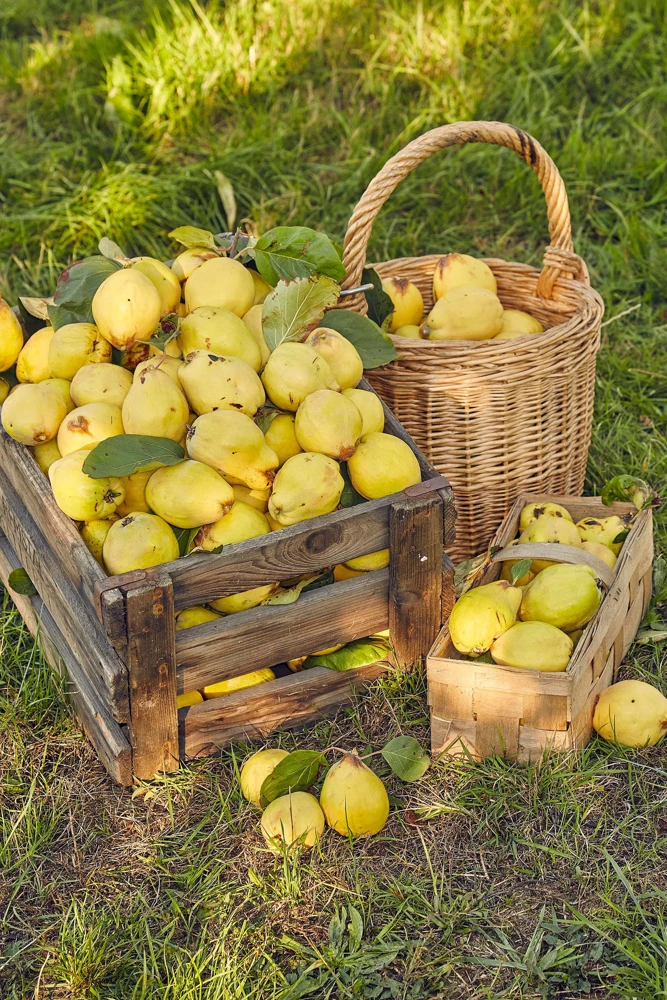
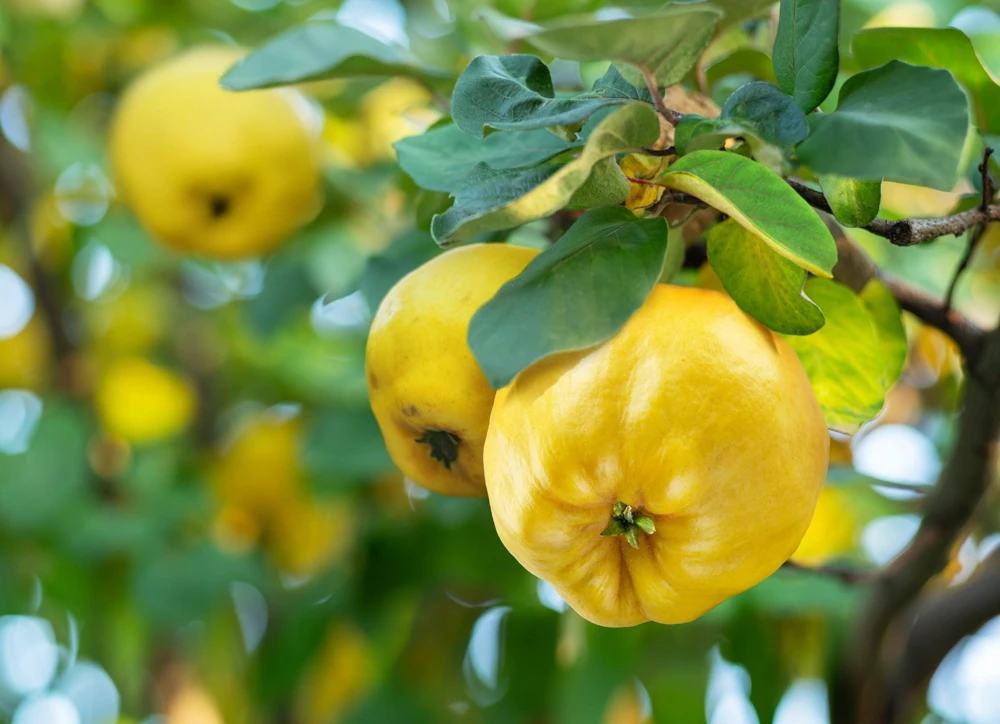

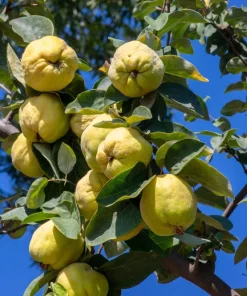
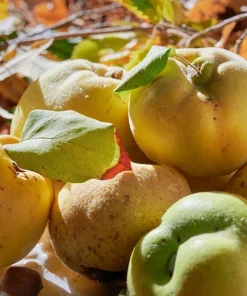
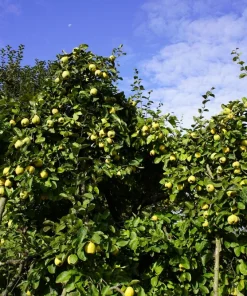
20 Culinary Quince Fruit Tree Seeds – Cydonia Oblonga Flowering Shrub
Original price was: $36.99.$16.99Current price is: $16.99.
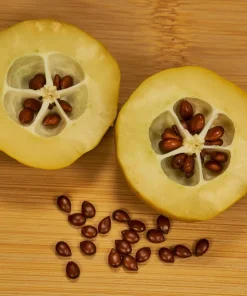
Cultivate your own delicious and aromatic culinary quince seeds with this pack of 20 high-quality Cydonia Oblonga seeds. These seeds grow into beautiful flowering shrub seeds that produce edible fruit, perfect for home gardeners.
Estimated arrival
Sep 14
Sep 19 - Sep 21
Sep 24 - Sep 28
Shop With Confidence
30-Day Plant Health Guarantee
Arrives damaged? We’ll replace it free — see our return policy.
Responsive Support
Email us anytime, we reply within 1 business day.
Expert Packaging
Temperature-controlled shipping to protect your plants in transit.
Secure Checkout
Pay safely with Visa, Mastercard, PayPal.
Plant Specifications
-
USDA Hardiness Zone
USDA zones 5-9 -
Soil Type
Well-draining, loamy soil -
Sunlight Exposure
Full sun -
Expected Planting Period
Early spring after stratification
Overview
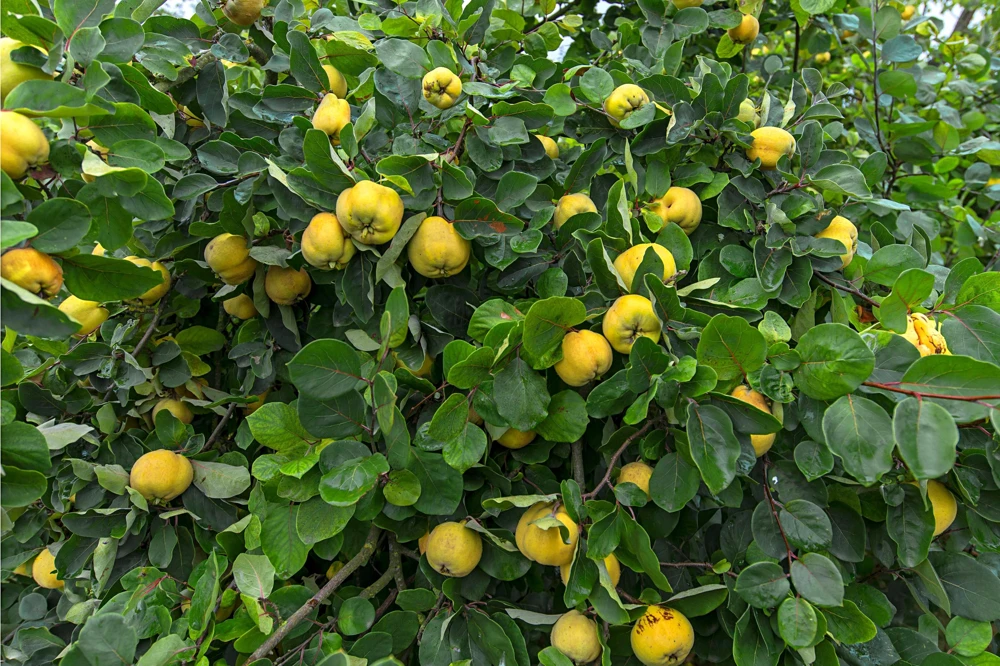
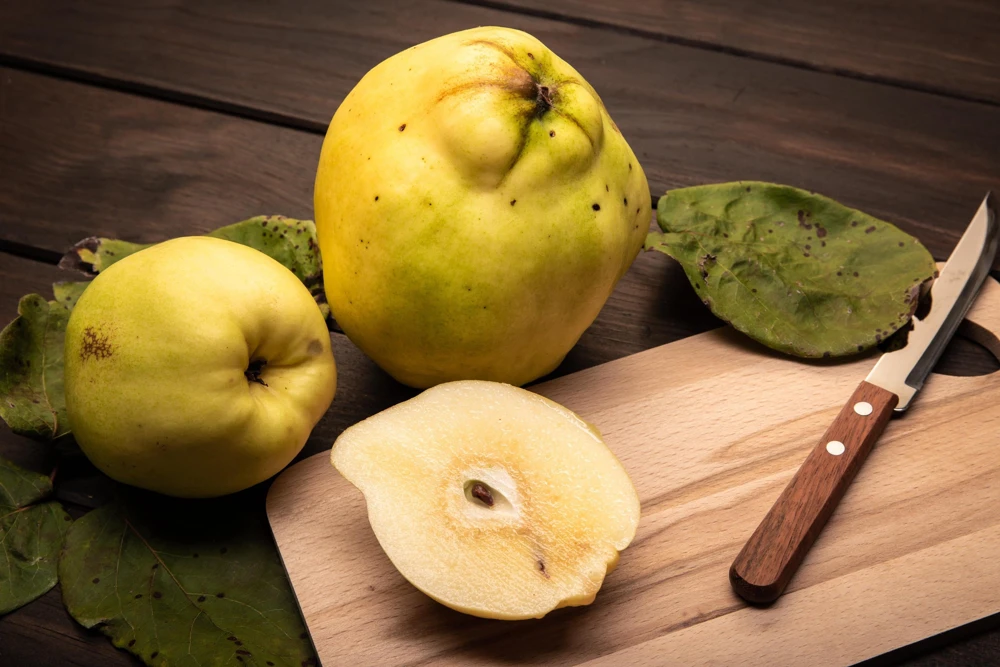
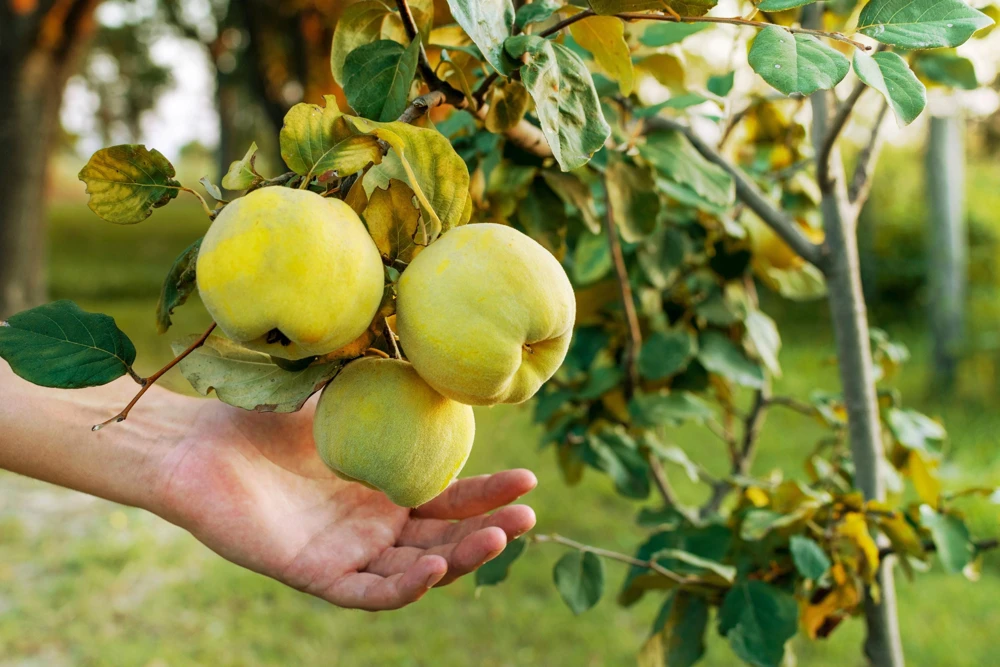
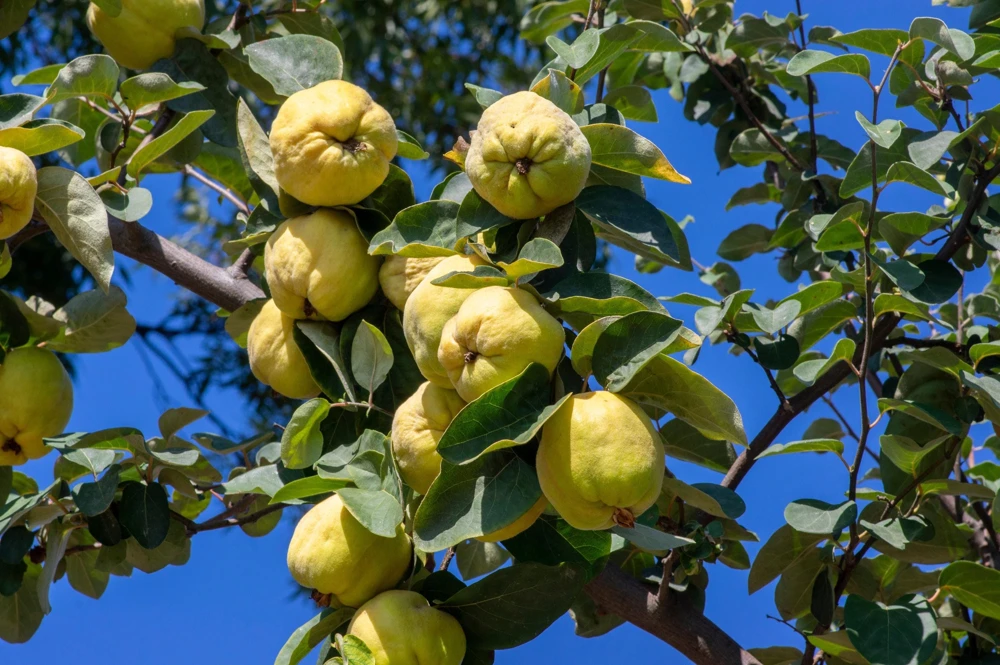
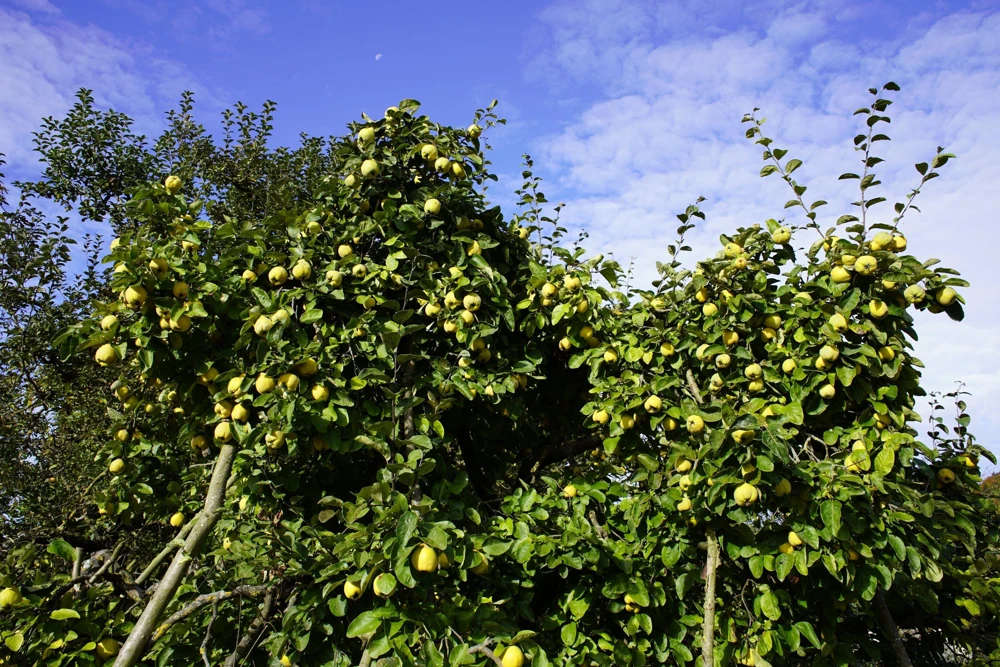
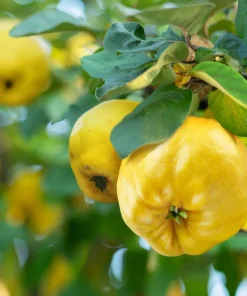
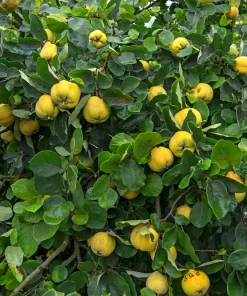
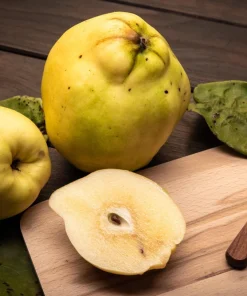
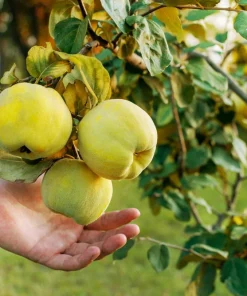
Embark on a rewarding gardening journey with our premium pack of culinary quince seeds. This offering provides 20 viable seeds of Cydonia Oblonga, more commonly known as the quince fruit tree. Quince is a remarkable plant, cherished for its fragrant blossoms in spring and its unique, aromatic fruit in autumn. Unlike many common fruits, quince possesses a distinctive tart and apple-pear like flavor, making it a favorite for jams, jellies, preserves, and baking. Growing your own Cydonia Oblonga seeds allows you to experience the full lifecycle of this fascinating plant, from a delicate sprout to a mature, fruit-bearing tree or attractive flowering shrub.
These seeds are an excellent choice for gardeners looking to add an unusual yet highly rewarding fruit-bearing plant to their landscape. Quince trees are generally hardy and adaptable, making them suitable for a wide range of climates. Their beautiful flowers also attract pollinators, contributing to the biodiversity of your garden space. Planting these quince fruit tree seeds offers not just the promise of delicious fruit, but also the aesthetic appeal of a lovely ornamental plant.
Key Benefits
Our culinary quince seeds offer a multitude of benefits for the home gardener and culinary enthusiast alike. From their visual appeal to their delicious yield, these seeds provide a comprehensive gardening experience:
-
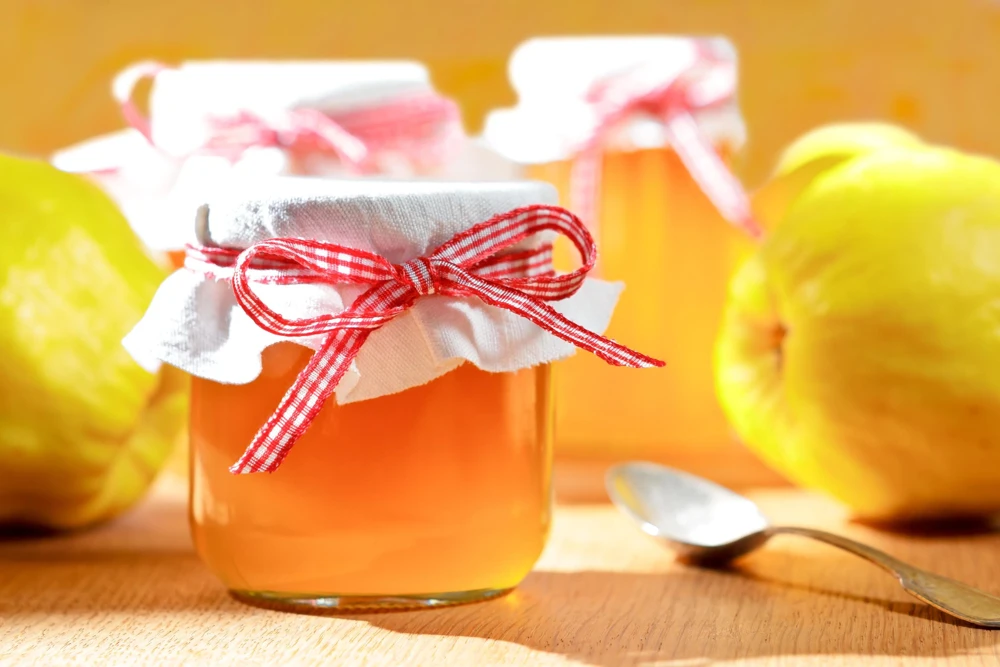
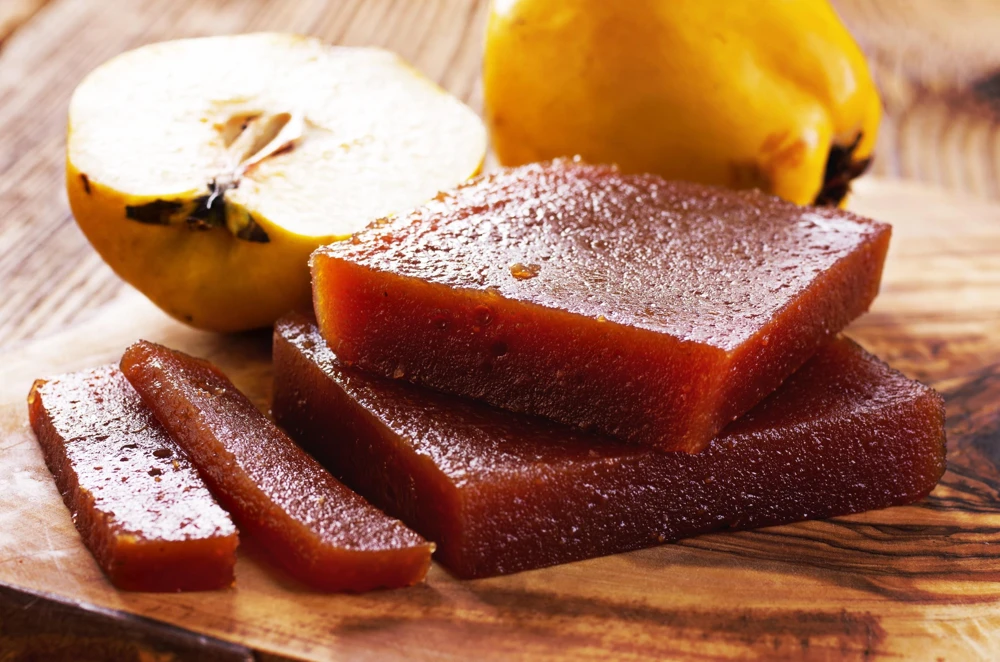
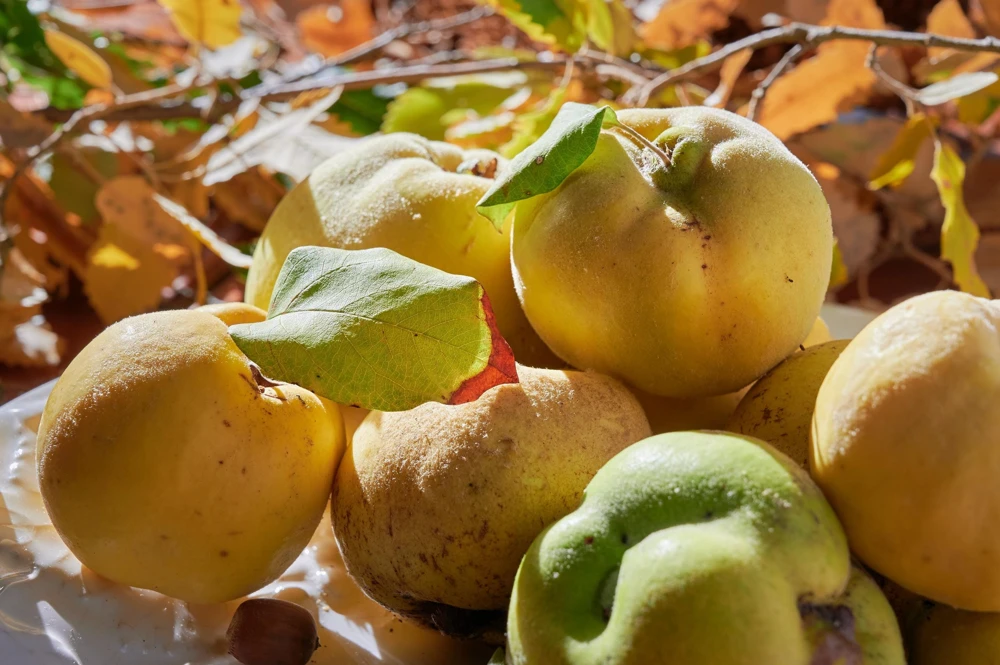
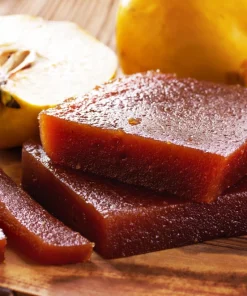
Unique Culinary Delights: Grow your own fresh quince fruit, perfect for making gourmet jams, jellies, tarts, and other culinary creations. The fruit has a distinct aroma and flavor that elevates many dishes.
-
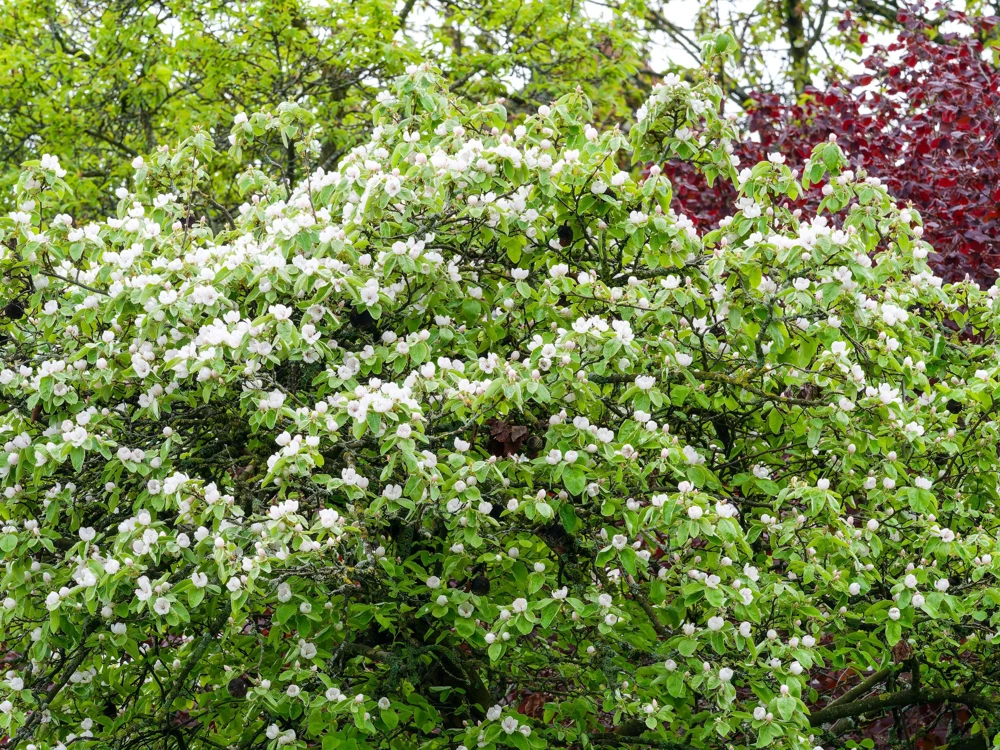
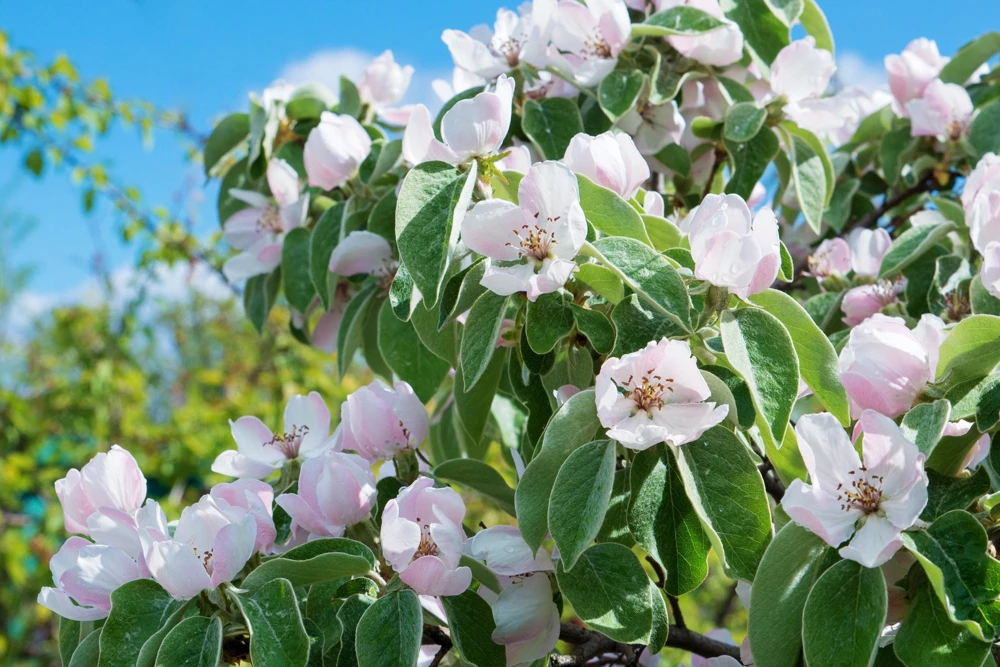
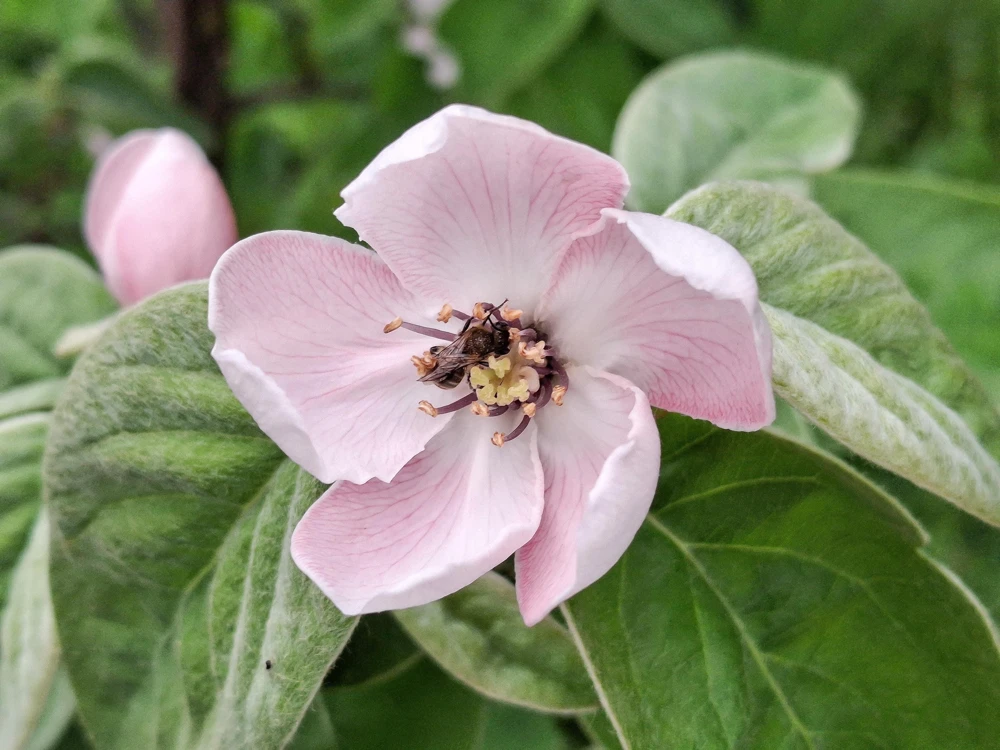
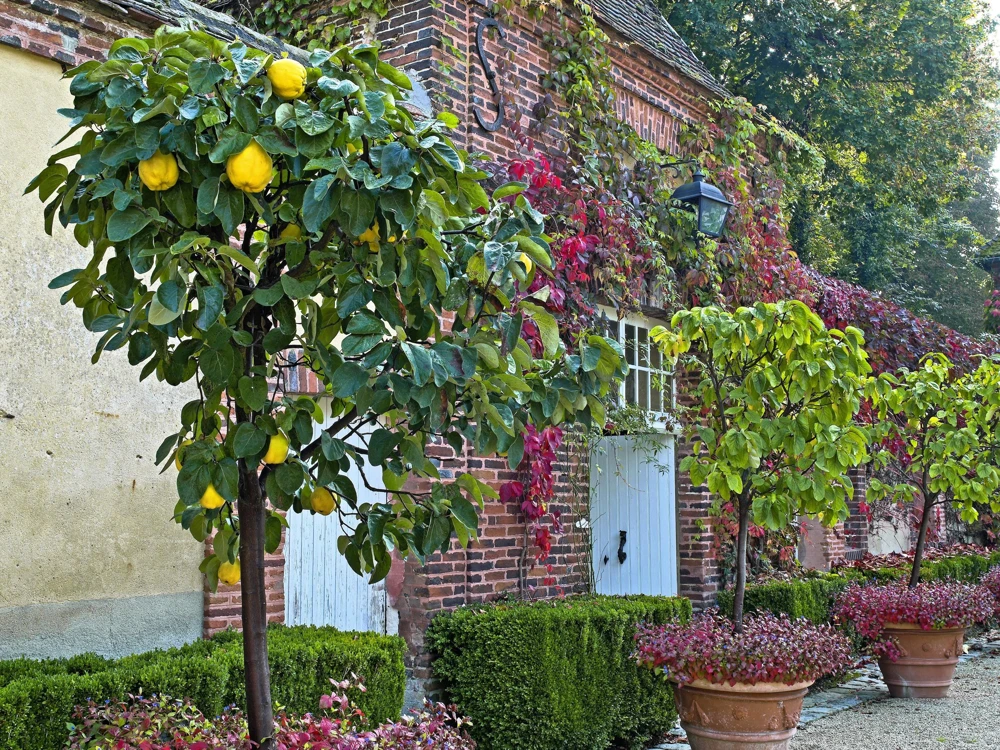
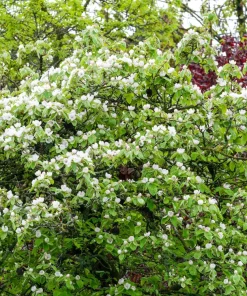
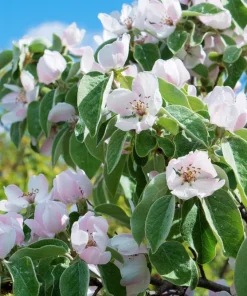
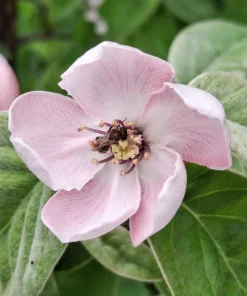
Beautiful Ornamental Value: The Cydonia Oblonga tree produces stunning pinkish-white flowers in spring, adding significant visual appeal to your garden or landscape. It serves as an attractive flowering shrub seeds option.
-
Hardy and Adaptable: Quince trees are known for their resilience and ability to thrive in various soil types and climates, making them a relatively low-maintenance option once established.
-
Attracts Pollinators: The fragrant blooms of the quince tree are a magnet for bees and other beneficial pollinators, contributing to a healthier and more vibrant ecosystem in your garden.
-
Self-Pollinating: Most quince varieties are self-fertile, meaning you can get fruit from a single tree without needing a second pollinator plant nearby, simplifying your gardening efforts.
-
Long-Lived Plant: A well-cared-for quince tree can produce fruit for many years, offering a sustainable source of delicious produce for decades.
-
Educational Experience: Planting and nurturing Cydonia Oblonga seeds from scratch provides a rewarding educational experience for gardeners of all ages, teaching patience and the wonders of nature.
Plant Care & Growing Tips
Successfully growing culinary quince seeds requires a bit of patience and understanding of their specific needs. Quince trees prefer a location with full sun, meaning at least 6-8 hours of direct sunlight per day. While they can tolerate partial shade, fruit production may be reduced. When preparing the planting site, ensure the soil is well-draining. Quince trees are adaptable to a range of soil types, from sandy to clay, but they perform best in loamy soil with a pH between 6.0 and 7.0. Incorporating organic matter, such as compost, can significantly improve soil structure and fertility.
Watering is crucial, especially during the establishment phase and dry spells. Young quince trees need consistent moisture, so aim for deep watering once or twice a week, allowing the top inch or two of soil to dry out between waterings. Mature trees are more drought-tolerant but will benefit from supplemental watering during prolonged dry periods, particularly when fruit is developing. Fertilize your quince fruit tree seeds once a year in early spring with a balanced slow-release fertilizer, following product instructions. Avoid excessive nitrogen, which can promote leafy growth at the expense of fruit production.
Quince trees are hardy in USDA zones 5-9. They require a period of winter chill to produce fruit effectively. Pruning should be done in late winter or early spring while the tree is dormant. Focus on removing dead, damaged, or crossing branches, and thin out overcrowded areas to improve air circulation and sunlight penetration. This also helps shape the tree and encourages better fruit development. Watch out for common pests like aphids and codling moths, and diseases such as fire blight, which can be managed with appropriate organic or chemical controls.
Size & Details
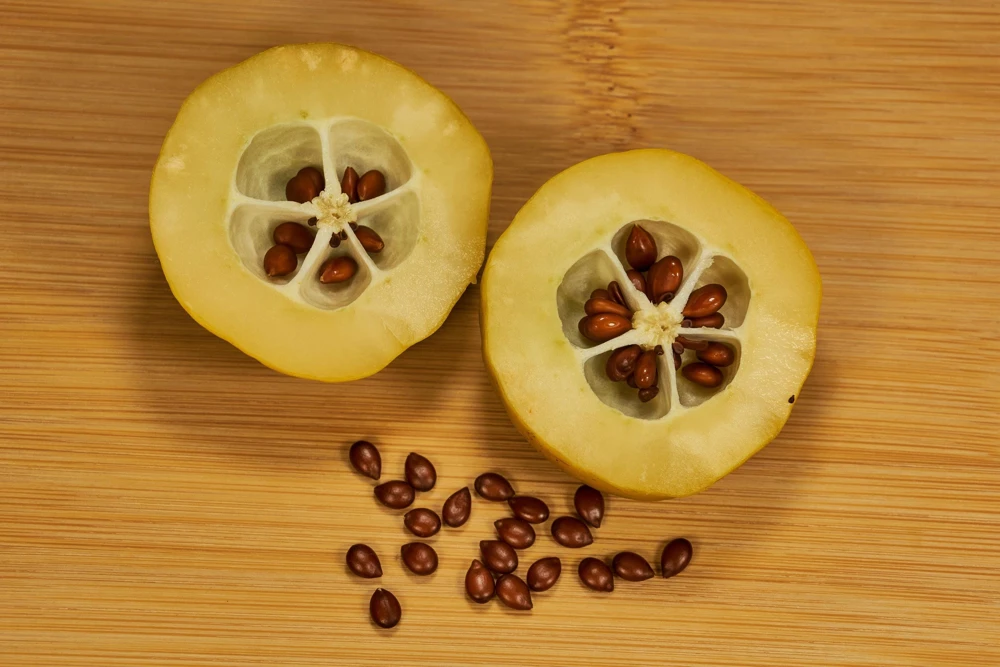
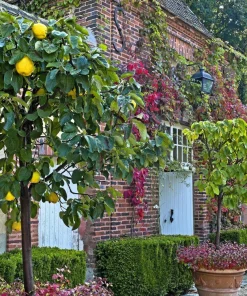
This package contains 20 high-quality culinary quince seeds, ready for stratification and planting. Once germinated and established, Cydonia Oblonga typically grows into a medium-sized tree or large shrub, reaching heights of 10-15 feet (3-4.5 meters) with a similar spread. The growth rate is moderate, with trees often beginning to bear fruit within 3-5 years after planting from seed. The seeds are shipped in a protective packet to ensure viability upon arrival. With proper care, these Cydonia Oblonga seeds will develop into robust plants, providing both ornamental beauty and a bountiful harvest for many years.
Frequently Asked Questions
-
Q: How big does this plant get? A: A mature quince tree grown from these culinary quince seeds typically reaches a height of 10-15 feet (3-4.5 meters) with a similar spread, forming a medium-sized tree or large shrub.
-
Q: Is this an indoor or outdoor plant? A: Quince (Cydonia Oblonga) is an outdoor plant that requires a period of winter chill to produce fruit. It is not suitable for long-term indoor cultivation.
-
Q: How much sunlight does it need? A: Quince trees thrive in full sun, requiring at least 6-8 hours of direct sunlight per day for optimal growth and fruit production. Partial shade may reduce fruit yield.
-
Q: Is this plant easy to care for? A: While growing quince fruit tree seeds requires initial patience for germination and establishment, mature quince trees are generally considered low-to-moderate maintenance and are quite hardy once established.
-
Q: What condition will it arrive in? A: Your 20 culinary quince seeds will arrive in a sealed, protective packet, ensuring their freshness and viability for planting.
-
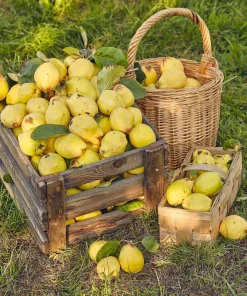
Q: Can I use quince fruit in cooking? A: Absolutely! Quince fruit is highly prized for its unique flavor and is excellent for making jams, jellies, preserves, pies, and other baked goods. It is rarely eaten raw.
-
Q: How long until it blooms and fruits? A: Quince trees grown from Cydonia Oblonga seeds typically begin to flower and produce fruit within 3-5 years after successful germination and planting.
-
Q: When is the best time to plant these seeds? A: After stratification, the best time to plant these flowering shrub seeds is in early spring, after the last threat of frost has passed.
-
Q: Will it survive winter in my zone? A: Quince trees are hardy and can survive winters in USDA Hardiness Zones 5-9. They require a certain amount of cold dormancy for proper fruit development.
-
Q: What type of soil does quince prefer? A: Quince trees prefer well-draining, loamy soil with a pH between 6.0 and 7.0, but they are adaptable to a range of soil types, provided there is good drainage.
Be the first to review “20 Culinary Quince Fruit Tree Seeds – Cydonia Oblonga Flowering Shrub”
People Also Viewed
Shrubs
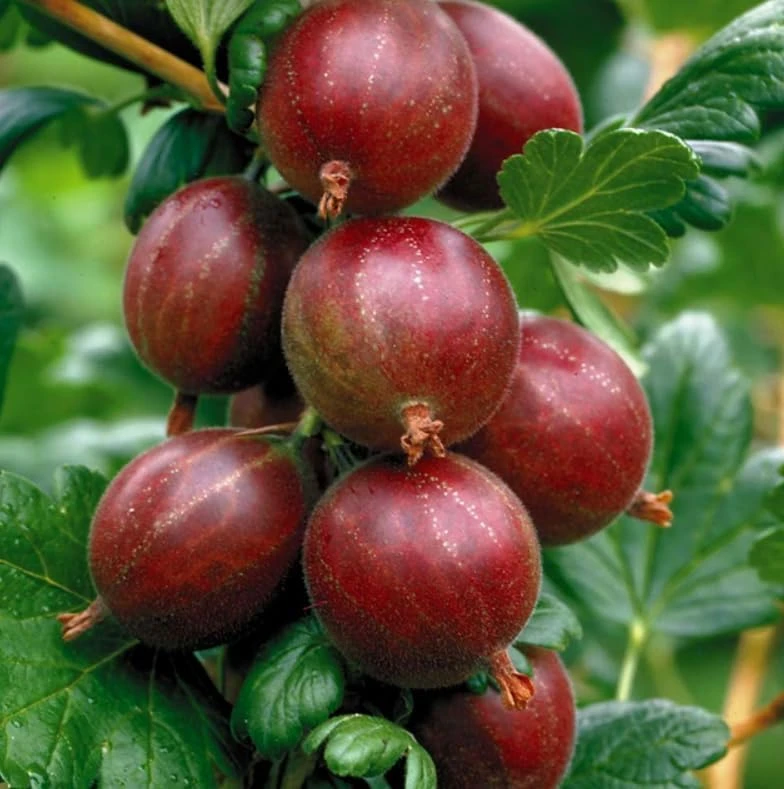
Captivator Gooseberry Shrub – Live Plant, 6-12″ Tall, Thornless Red Berries, Ribes uva-crispa
Reviews
There are no reviews yet.