


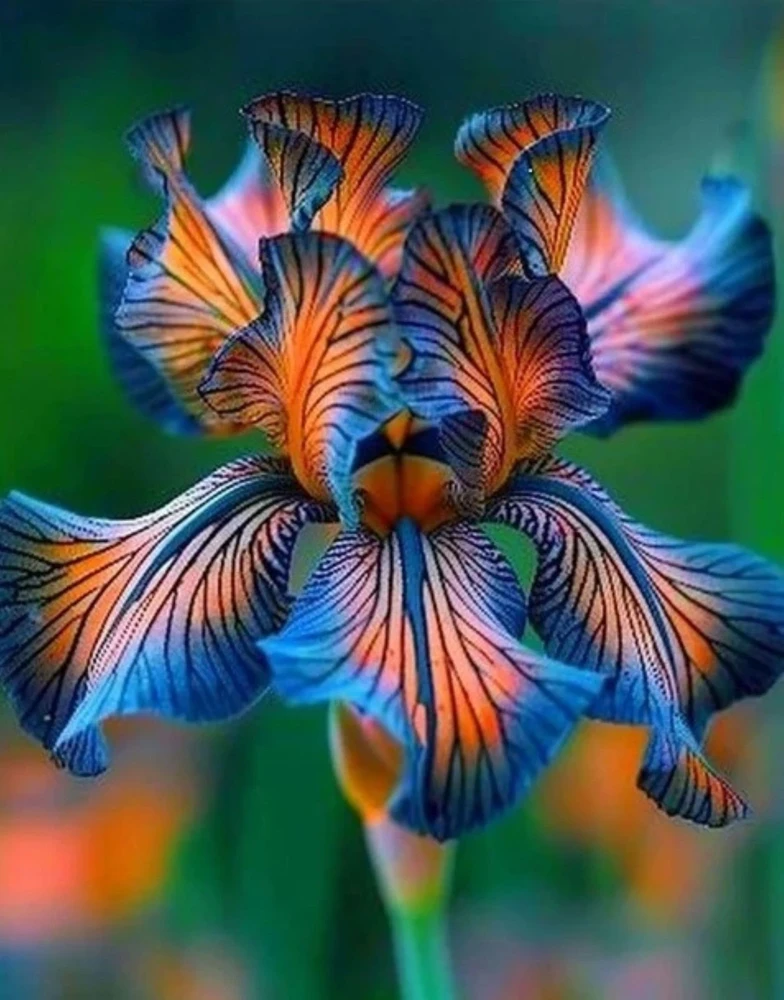
100 Iris Seeds Mix Blue & Orange – Flowering Perennial Seeds
Original price was: $55.99.$30.99Current price is: $30.99.
Cultivate stunning blue and orange irises in your garden with this pack of 100 iris seeds. Perfect for creating vibrant flower beds, these perennial flower seeds are known for their ease of growth and captivating blooms. Transform your outdoor space with these beautiful flowering plants.
Estimated arrival
Oct 27
Nov 01 - Nov 03
Nov 06 - Nov 10
Shop With Confidence
30-Day Plant Health Guarantee
Arrives damaged? We’ll replace it free — see our return policy.
Responsive Support
Email us anytime, we reply within 1 business day.
Expert Packaging
Temperature-controlled shipping to protect your plants in transit.
Secure Checkout
Pay safely with Visa, Mastercard, PayPal.
Plant Specifications
-
USDA Hardiness Zone
USDA zones 3-9 -
Soil Type
Well-draining, loamy soil -
Sunlight Exposure
Full sun -
Expected Planting Period
Fall to early spring
Overview
Embark on a rewarding gardening journey with our premium pack of 100 iris seeds, offering a delightful mix of blue and orange varieties. Irises are among the most beloved perennial flowers, cherished for their intricate beauty and wide range of colors. Growing irises from seed allows you to witness the full life cycle of these magnificent plants, from tiny seed to spectacular bloom. This collection is perfect for both novice and experienced gardeners looking to add a splash of vibrant color and elegant form to their landscapes. These fresh seeds are ready to grow, promising a bountiful display of distinctive iris flowers that will enhance any garden setting.
The Iris, known scientifically as Iris germanica and its many cultivars, is a genus of 260–300 species of flowering plants with showy flowers. They are native to temperate northern hemisphere regions, and their name is derived from the Greek word for a rainbow, referring to the wide variety of flower colors found among the many species. Our mixed pack ensures a diverse and visually appealing garden. These iris seeds are an economical and exciting way to establish a large collection of these stunning plants, often yielding unique color combinations not found in traditional bulb purchases.
Key Benefits
Our iris seeds offer numerous advantages for gardeners seeking beauty and satisfaction from their efforts. These benefits extend from the ease of planting to the long-term enjoyment of their blooms:
-
Vibrant Color Mix: This pack includes seeds for both blue iris seeds and orange iris seeds, providing a striking contrast and creating a visually dynamic garden display. The diverse color palette ensures a captivating and unique aesthetic.
-
Cost-Effective Gardening: Purchasing seeds is a significantly more economical way to establish a large collection of irises compared to buying mature plants or bulbs. This allows for extensive planting without a hefty investment, making it easier to grow iris from seed.
-
Perennial Beauty: Irises are hardy perennials, meaning they return year after year, providing continuous beauty with minimal effort once established. They become a lasting feature in your garden, enriching its appeal season after season.
-
Easy to Grow: These seeds are fresh and ready to plant, making them suitable for gardeners of all skill levels. With proper care, they germinate reliably and develop into robust flowering plants, ensuring a rewarding experience.
-
Attracts Pollinators: The vibrant flowers of irises are a magnet for beneficial pollinators like bees and butterflies, contributing to a healthier garden ecosystem. Enjoy the lively activity these beautiful blooms bring to your outdoor space.
-
Versatile Landscaping: Irises are incredibly versatile and can be used in various garden designs, including borders, mass plantings, rock gardens, and as focal points. Their elegant form and striking colors complement a wide range of horticultural styles.
-
Unique Varieties: Growing from seed can sometimes produce unique variations in color and form, offering a pleasant surprise and the potential for one-of-a-kind blooms in your garden. Explore the genetic diversity these perennial flower seeds offer.
Plant Care & Growing Tips
To successfully grow iris from seed, understanding their basic care requirements is crucial. Irises generally prefer a location with full sun, meaning at least six hours of direct sunlight per day. While they can tolerate partial shade, too little sun can result in fewer blooms and weaker plants. Good air circulation is also important to prevent fungal diseases. When planting your iris seeds, sow them about 1/4 to 1/2 inch deep in well-draining soil. A rich, loamy soil with a neutral to slightly acidic pH (6.0-7.0) is ideal. Mixing in some compost or well-rotted manure can improve soil structure and fertility.
Watering should be consistent but not excessive, especially during germination and establishment. Keep the soil consistently moist but never waterlogged. Once established, irises are quite drought-tolerant, but they will benefit from occasional deep watering during prolonged dry spells. Fertilize sparingly; too much nitrogen can encourage foliage growth at the expense of flowers. A balanced, slow-release fertilizer applied in early spring is usually sufficient. Deadhead spent flowers to encourage new blooms and prevent seed formation if you want to conserve the plant’s energy for future flowering. Divide overcrowded clumps every 3-5 years to maintain vigor and bloom production, ensuring your perennial flower seeds continue to thrive.
Irises are hardy in a wide range of USDA zones, typically thriving in zones 3-9, though this can vary by specific species. Protection from harsh winter winds or extreme cold may be necessary in the colder zones. Watch out for common pests like iris borers and diseases such as bacterial soft rot. Good sanitation, proper spacing, and timely intervention can help manage these issues. By following these guidelines, your blue iris seeds and orange iris seeds will flourish, providing years of beautiful blooms.
Size & Details
This product includes 100 iris seeds, offering a generous quantity for planting a significant display of flowers. Each seed is small but carries the potential for a majestic iris plant. Mature iris plants typically reach a height of 24 to 36 inches (60-90 cm) and spread about 12 to 18 inches (30-45 cm) wide, depending on the variety and growing conditions. The seeds are shipped in a fresh, ready-to-grow condition, ensuring optimal germination rates. Expect blooms to appear within one to two years after planting, with the most robust flowering occurring in subsequent seasons as the plants become well-established. These perennial flower seeds are an investment in long-term garden beauty, providing a mix of blue and orange hues.
The growth rate of irises from seed can vary, but generally, you will see seedlings emerge within a few weeks to a few months, sometimes requiring a cold stratification period for optimal germination. Once established, irises are relatively fast growers, forming robust clumps. The vibrant blue and orange flowers typically bloom in late spring to early summer, adding a spectacular display to your garden when many other plants are just beginning to show color. This pack provides ample opportunity to experiment with different planting locations and designs, ensuring a stunning outcome from your iris seeds endeavor.
Frequently Asked Questions
-
Q: How big do iris plants get from these seeds? A: Mature iris plants typically reach a height of 24 to 36 inches (60-90 cm) and spread about 12 to 18 inches (30-45 cm) wide. This can vary slightly based on the specific variety and growing conditions from your iris seeds.
-
Q: Is this an indoor or outdoor plant? A: Irises are primarily outdoor plants, thriving in garden beds, borders, and naturalized areas. While they can be grown in containers, they generally perform best when planted directly in the ground to allow for root development and natural dormancy cycles. These perennial flower seeds are ideal for outdoor landscaping.
-
Q: How much sunlight do irises need? A: Irises prefer full sun, meaning at least six hours of direct sunlight per day. Adequate sunlight is crucial for robust growth and abundant flowering. Partial shade can be tolerated but may result in fewer blooms, especially for the vibrant blue iris seeds and orange iris seeds.
-
Q: Is this plant easy to care for? A: Yes, irises are generally considered easy to care for once established. They are relatively drought-tolerant and require minimal maintenance, making them suitable for both beginner and experienced gardeners looking to grow iris from seed.
-
Q: What condition will the seeds arrive in? A: The seeds are fresh and ready to grow upon arrival. They are carefully packaged to ensure their viability and readiness for planting, providing a strong start for your garden project.
-
Q: How long until irises bloom from seed? A: Iris plants grown from seed typically take one to two years to produce their first blooms. The plants will establish a strong root system in the first year, leading to more prolific flowering in subsequent seasons from your iris seeds.
-
Q: When is the best time to plant iris seeds? A: The best time to plant iris seeds is typically in the fall or early spring. Fall planting allows for natural cold stratification over winter, which can aid germination. However, they can also be started indoors in late winter for transplanting in spring.
-
Q: What is the ideal soil type for growing irises? A: Irises prefer well-draining, fertile soil. A loamy soil with a neutral to slightly acidic pH (6.0-7.0) is ideal. Avoid heavy clay soils that retain too much moisture, as this can lead to rot for plants grown from perennial flower seeds.
-
Q: Will these irises survive winter in my zone? A: Most common iris varieties are hardy in USDA Zones 3-9. It’s important to know your specific zone to ensure the best chances of survival through winter. With proper care, these iris seeds will establish hardy plants.
-
Q: What kind of fertilizer should I use for irises? A: Use a balanced, slow-release fertilizer with a lower nitrogen content in early spring. Excessive nitrogen can promote leaf growth at the expense of flowers. A soil test can help determine specific nutrient needs for your iris seeds.
Be the first to review “100 Iris Seeds Mix Blue & Orange – Flowering Perennial Seeds”
People Also Viewed

Reviews
There are no reviews yet.