
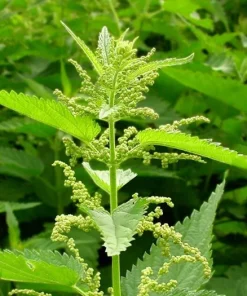
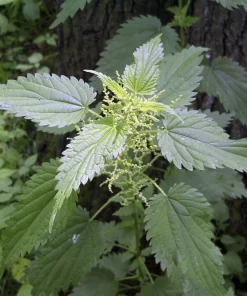
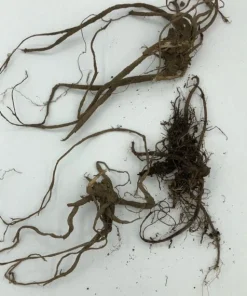
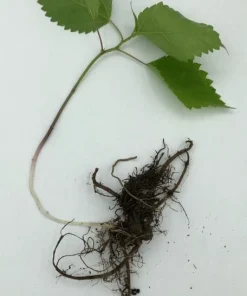
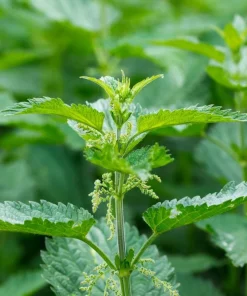
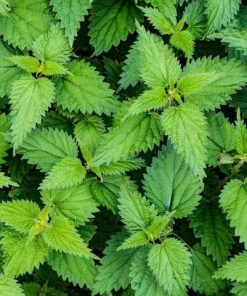
10 Stinging Nettle Bare Root Plants – Organic Urtica dioica Live Plant
Original price was: $73.99.$48.99Current price is: $48.99.
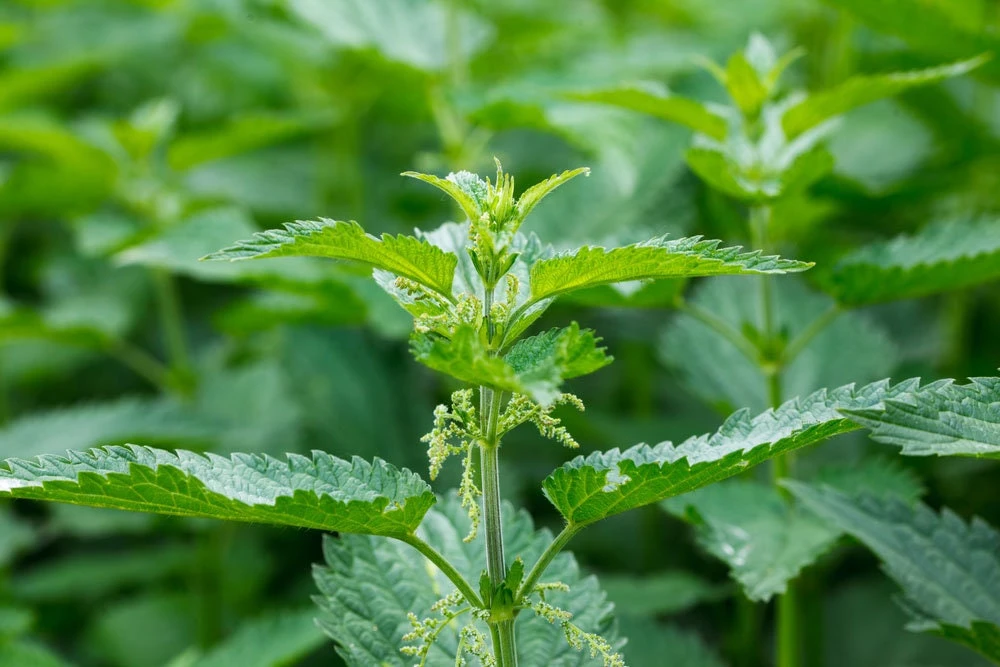
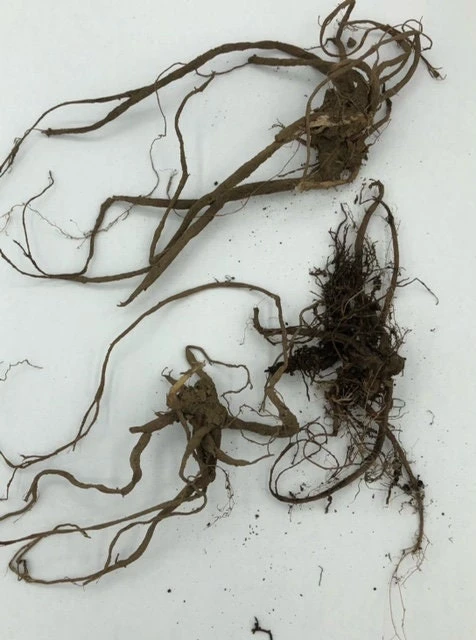
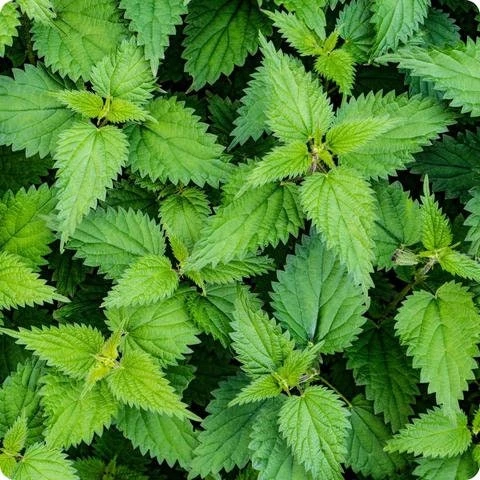
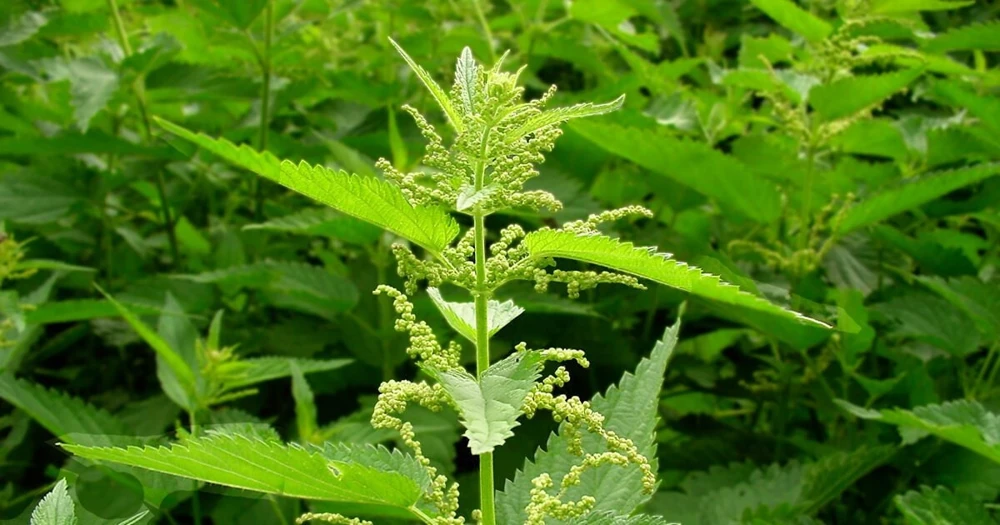
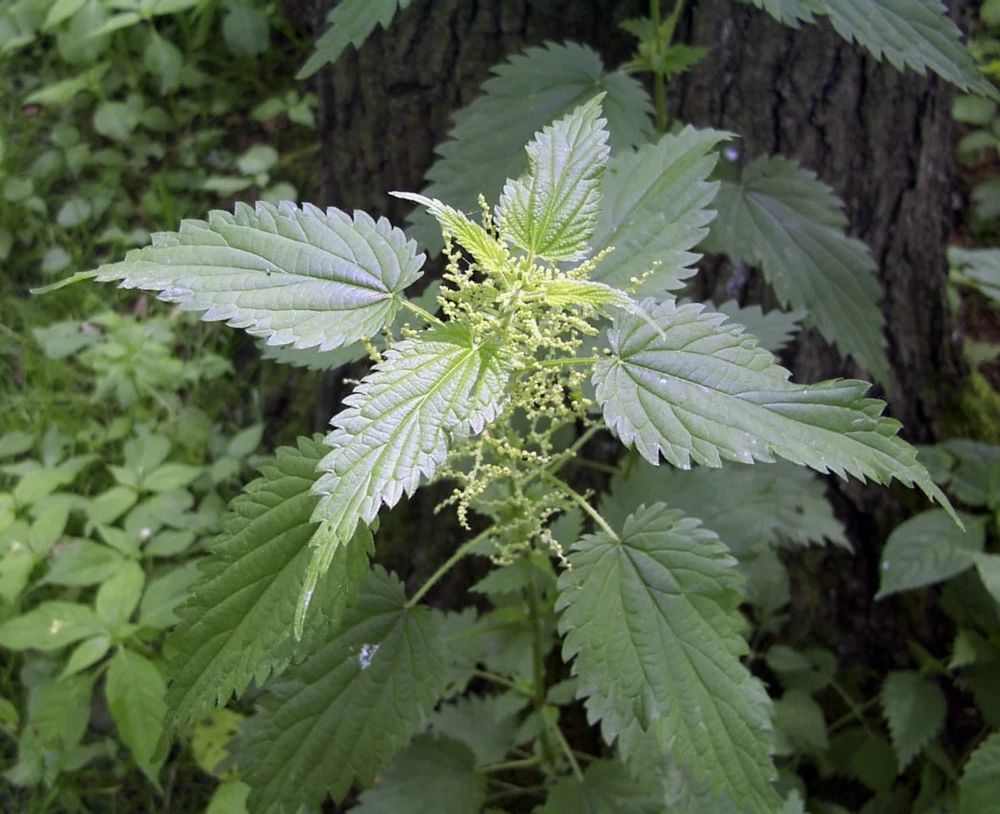
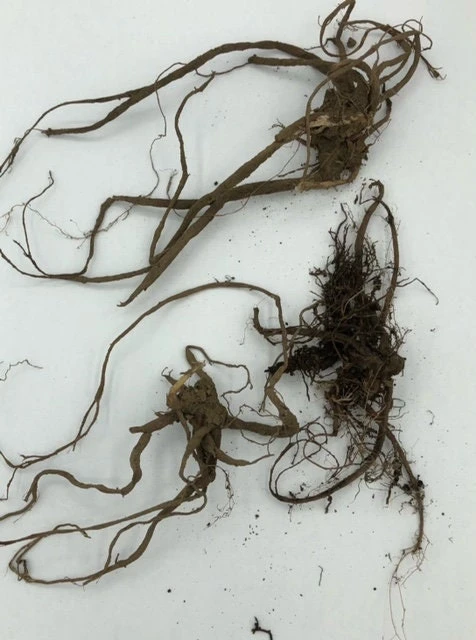
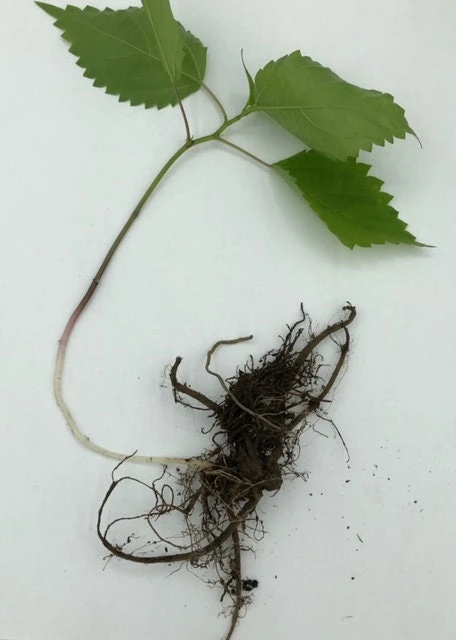
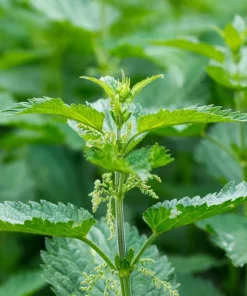
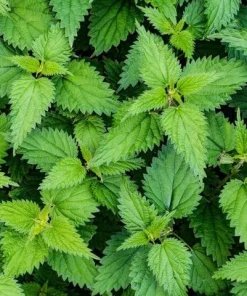
Cultivate your own organic stinging nettle bare root plants (Urtica dioica). This pack contains 10 Stinging Nettle Bare Root Plants, perfect for establishing an herbal garden with a versatile and beneficial perennial. Enjoy the fresh leaves for teas or culinary applications.
Estimated arrival
Sep 29
Oct 04 - Oct 06
Oct 09 - Oct 13
Shop With Confidence
30-Day Plant Health Guarantee
Arrives damaged? We’ll replace it free — see our return policy.
Responsive Support
Email us anytime, we reply within 1 business day.
Expert Packaging
Temperature-controlled shipping to protect your plants in transit.
Secure Checkout
Pay safely with Visa, Mastercard, PayPal.
Plant Specifications
-
USDA Hardiness Zone
USDA Zones 3-10 -
Soil Type
Rich, fertile, well-draining soil -
Sunlight Exposure
Partial shade to full sun -
Expected Planting Period
Early spring to fall
Overview
Discover the versatility and benefits of cultivating your own stinging nettle bare root plants. This offering provides 10 Stinging Nettle Bare Root Plants, scientifically known as Urtica dioica, ready to be transplanted into your garden. Stinging nettle is a remarkable perennial herb, celebrated globally for its nutrient-rich leaves and traditional uses. Our bare roots are organically grown, ensuring you receive healthy, vibrant plants that are free from synthetic pesticides and fertilizers. Each bare root is carefully harvested per order and shipped promptly to maintain optimal condition upon arrival. Whether you’re looking to enhance your herbal remedies, explore new culinary ingredients, or simply add a resilient and beneficial plant to your landscape, these Urtica dioica plant roots offer an excellent starting point for any gardener.
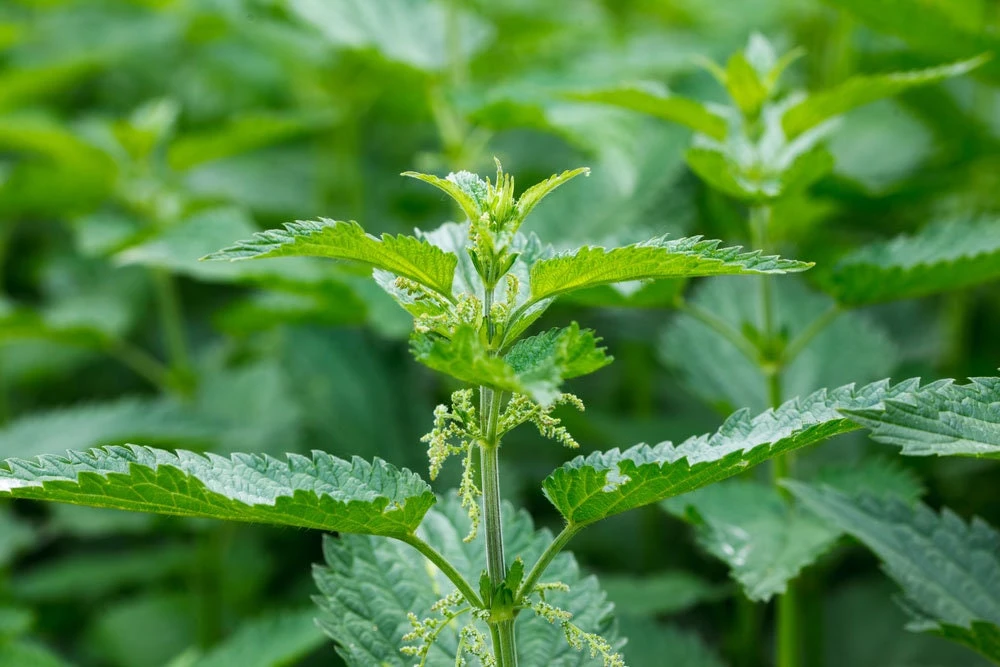
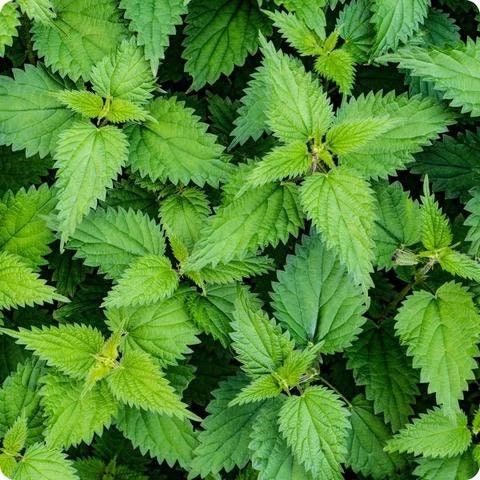
Stinging nettle bare root plants are an economical and effective way to establish a patch of this valuable herb. Known for its distinctive stinging hairs, which are neutralized by cooking or drying, nettle has been a staple in folk medicine and cuisine for centuries. It’s a hardy plant that, once established, can provide a continuous harvest of young, tender leaves. These bare roots come with planting instructions, making it easier for you to choose the best location and conditions to ensure successful growth and a thriving nettle patch.
Key Benefits
Incorporating stinging nettle bare root into your garden offers a multitude of advantages, from its health-promoting properties to its ecological contributions. This resilient herb is a valuable addition for both novice and experienced gardeners.
- Nutrient-Rich Leaves: Stinging nettle leaves are packed with vitamins (A, C, K), minerals (iron, calcium, magnesium), and antioxidants. They can be used to make nutritious teas, soups, and other dishes, providing a natural boost to your diet.
- Traditional Medicinal Uses: For centuries, Urtica dioica plant has been utilized in traditional medicine for its purported anti-inflammatory and diuretic properties. Many use it to support joint health, seasonal allergies, and overall well-being.
- Culinary Versatility: The young leaves of stinging nettle can be blanched, steamed, or dried and used like spinach in various recipes. They add a unique, earthy flavor to pestos, soups, stews, and omelets, offering a healthy and interesting culinary ingredient.
- Organic and Sustainable Growth: Our 10 Stinging Nettle Bare Root Plants are organically grown, ensuring you cultivate a chemical-free crop. This promotes sustainable gardening practices and provides you with a pure product for consumption.
- Easy to Grow and Maintain: Nettle is a remarkably hardy and low-maintenance plant. Once established, it requires minimal care, making it an excellent choice for gardeners seeking beneficial plants without extensive effort.
- Attracts Beneficial Insects: As a native plant in many regions, nettle can attract beneficial insects to your garden, contributing to a healthier ecosystem and supporting local biodiversity.
- Soil Improvement: Nettle can help improve soil quality by accumulating nutrients from deeper soil layers, which are then released when the plant decays, benefiting surrounding plants. This makes it a great companion plant.
Plant Care & Growing Tips
To successfully grow stinging nettle and ensure a bountiful harvest from your 10 Stinging Nettle Bare Root Plants, understanding its preferred growing conditions is key. Stinging nettle (Urtica dioica) is a hardy and adaptable plant, but thrives best when given the right environment.
Sunlight Requirements: Stinging nettle prefers partial shade to full sun. In hotter climates, it benefits from some afternoon shade to prevent scorching. Aim for at least 4-6 hours of direct sunlight per day if grown in full sun, or bright, indirect light for the remainder of the day if in partial shade. It can tolerate shadier conditions but may produce fewer leaves. While it can grow in various light conditions, ideal growth is often seen with morning sun and afternoon shade.
Watering Schedule and Soil Moisture: Nettle plants prefer consistently moist, but not waterlogged, soil. Water regularly, especially during dry spells and when the plants are young and establishing. Once mature, they are somewhat drought-tolerant but will produce more lush foliage with adequate moisture. Check the soil moisture regularly; if the top inch feels dry, it’s time to water. Avoid overhead watering to reduce the risk of fungal diseases.
Soil Type and Drainage Requirements: This herb is not particularly fussy about soil, but it thrives in rich, fertile, well-draining soil with a pH between 5.5 and 7.0. Amend heavy clay soils with organic matter like compost to improve drainage and fertility. Sandy soils will benefit from compost to retain moisture. Good drainage is crucial to prevent root rot, especially for stinging nettle bare root plants.
Temperature Range and USDA Hardiness Zone: Stinging nettle is incredibly resilient and can grow in a wide range of climates. It is typically hardy in USDA zones 3-10. It can withstand cold winters and will readily re-emerge in spring. In warmer climates, it may die back in severe heat but often recovers. The ideal growing temperatures are between 50-75°F (10-24°C).
Fertilization Schedule and Type: Nettle is not a heavy feeder if planted in rich soil. If your soil is poor, a balanced organic fertilizer or a top-dressing of compost in early spring can be beneficial. Avoid over-fertilizing, as this can lead to excessive leafy growth at the expense of other plant health. A liquid seaweed or fish emulsion can also provide a gentle nutrient boost. Proper soil preparation before planting is often sufficient.
Common Problems and Solutions: Nettle is generally pest and disease resistant. Occasionally, aphids or slugs may become an issue. Aphids can be dislodged with a strong spray of water or treated with insecticidal soap. Slugs can be managed with organic slug baits or by hand-picking. Ensure good air circulation to prevent fungal issues, especially in humid environments. The distinct stinging hairs of the Urtica dioica plant also deter many herbivores.
Size & Details
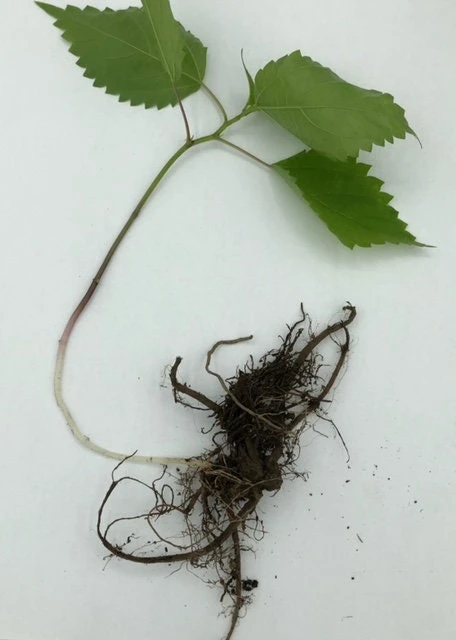
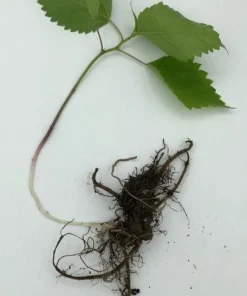
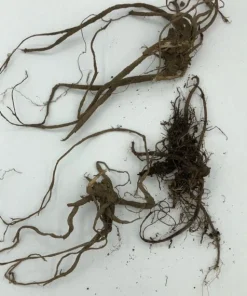
This product includes 10 Stinging Nettle Bare Root Plants (Urtica dioica), which are mature root sections ready for planting. Upon arrival, the bare roots will typically be dormant, exhibiting minimal top growth. Each root is carefully selected to ensure viability and vigorous growth once planted. Stinging nettle is a fast-growing perennial herb, and once established, it can reach a height of 2 to 6 feet (60-180 cm) and spread up to 3 feet (90 cm) wide, forming dense patches. The expected time to first harvest of young leaves is typically 4-6 weeks after planting, depending on growing conditions and climate. The plants will continue to produce foliage throughout the growing season.
These bare roots are an efficient way to start your nettle patch, as they bypass the seed germination phase and establish more quickly. They are ideal for gardeners who want to grow stinging nettle for regular harvesting. The roots are shipped fresh, harvested per order to ensure maximum vitality. With proper care, these 10 Stinging Nettle Bare Root Plants will quickly develop into healthy, productive plants, providing you with fresh nettle for years to come.
Frequently Asked Questions
- Q: How big do these bare root plants get after planting? A: Once established, your stinging nettle bare root plants can grow to a height of 2 to 6 feet (60-180 cm) and spread up to 3 feet (90 cm) wide, forming a sizable patch. The exact size depends on growing conditions and climate.
- Q: Is this an indoor or outdoor plant? A: Urtica dioica plant is primarily an outdoor plant, thriving in garden beds or large containers. While it can be grown indoors, it generally prefers the space and natural conditions of an outdoor environment for optimal growth and yield.
- Q: How much sunlight does stinging nettle need? A: Stinging nettle prefers partial shade to full sun. For best results, aim for at least 4-6 hours of direct sunlight, especially morning sun, with some afternoon shade in hotter climates to prevent leaf scorch.
- Q: What condition will the bare roots arrive in? A: Your 10 Stinging Nettle Bare Root Plants will arrive dormant and freshly harvested, ensuring they are in optimal condition for planting. They will have minimal top growth, as this is typical for bare root plants ready for transplanting.
- Q: Can I use stinging nettle in cooking? A: Yes, absolutely! The young leaves of the Urtica dioica plant are highly prized in culinary applications. The stinging hairs are neutralized by cooking (blanching, steaming) or drying, making them safe and delicious for soups, pestos, teas, and other dishes.
- Q: When is the best time to plant these bare roots? A: The best time to plant stinging nettle bare root plants is typically in early spring or fall, when the weather is cool but before the ground freezes. This allows the roots to establish before extreme heat or cold.
- Q: Is this plant easy to care for, especially for beginners? A: Yes, stinging nettle is considered very easy to care for and is an excellent choice for beginners. It’s a hardy and resilient plant that requires minimal maintenance once established, making it simple to grow stinging nettle successfully.
- Q: Will the stinging nettle survive winter in my zone? A: Stinging nettle is very cold hardy and typically survives winters in USDA zones 3-10. It is a perennial plant, meaning it will die back to the ground in winter and re-emerge vigorously in the spring.
- Q: What kind of soil is best for growing stinging nettle? A: Stinging nettle thrives in rich, fertile, and well-draining soil with a slightly acidic to neutral pH (5.5-7.0). Amending your soil with compost will provide the necessary nutrients and improve drainage for your organic nettle plant.
- Q: How long until I can harvest leaves from my nettle plants? A: You can typically expect to start harvesting young, tender leaves from your stinging nettle bare root plants within 4-6 weeks after planting, provided they are in good growing conditions. Regular harvesting encourages new growth.
Be the first to review “10 Stinging Nettle Bare Root Plants – Organic Urtica dioica Live Plant”
People Also Viewed
Reviews
There are no reviews yet.