



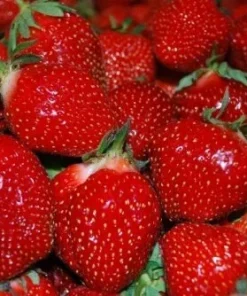
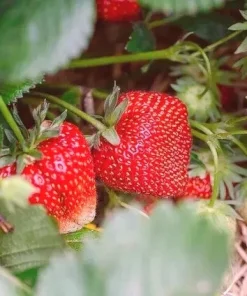
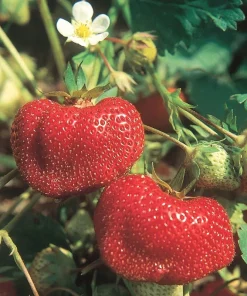
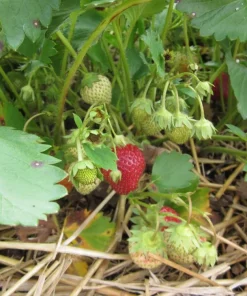
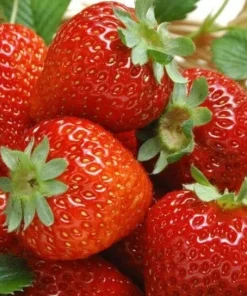
San Andreas Everbearing Strawberry Plants – Set of 6 Live Starter Plants
Original price was: $41.79.$21.79Current price is: $21.79.
Cultivate your own fresh and juicy berries with this set of san andreas strawberry plants. These everbearing strawberry plants produce fruit from spring until fall, making them an excellent choice for continuous harvests in your garden or containers. Enjoy sweet, firm, and flavorful strawberries right from your backyard.
Estimated arrival
Oct 15
Oct 20 - Oct 22
Oct 25 - Oct 29
Shop With Confidence
30-Day Plant Health Guarantee
Arrives damaged? We’ll replace it free — see our return policy.
Responsive Support
Email us anytime, we reply within 1 business day.
Expert Packaging
Temperature-controlled shipping to protect your plants in transit.
Secure Checkout
Pay safely with Visa, Mastercard, PayPal.
Plant Specifications
-
USDA Hardiness Zone
USDA Zones 4-9 -
Soil Type
Well-draining, rich, slightly acidic to neutral soil -
Sunlight Exposure
Full sun (6-8+ hours daily) -
Expected Planting Period
Early spring
Overview
Bring the joy of fresh, homegrown fruit to your garden with our San Andreas Everbearing Strawberry Plants. This set includes six healthy live starter plants, ready to be transplanted into your garden beds, raised beds, or containers. The ‘San Andreas’ variety is renowned for its exceptional flavor, firm texture, and impressive yield, producing large, sweet berries continuously from late spring through fall. Unlike June-bearing varieties that produce one large crop, everbearing strawberries like San Andreas offer a steady supply of fruit, perfect for daily snacking, desserts, and preserves. These vigorous plants are a fantastic addition for both experienced gardeners and those new to growing their own food, providing a rewarding and delicious harvest.
The ‘San Andreas’ strawberry (Fragaria x ananassa ‘San Andreas’) is a day-neutral variety, meaning its fruiting is not dependent on day length, allowing for an extended harvest period. This makes it a popular choice for home gardeners seeking a consistent supply of fresh fruit. Our starter plants are carefully grown to ensure they arrive healthy and ready to thrive in your outdoor space, quickly establishing themselves to begin producing their delectable fruit.
Key Benefits
Growing your own strawberries, especially the ‘San Andreas’ variety, comes with a multitude of advantages. These plants are not only productive but also relatively easy to care for, ensuring a bountiful harvest for your efforts. Discover the top reasons to add these everbearing beauties to your garden:
- Continuous Harvest: Enjoy a steady supply of fresh strawberries from late spring all the way until the first frost. The San Andreas Everbearing Strawberry Plants are known for their long fruiting season, providing more opportunities to pick and savor your homegrown bounty.
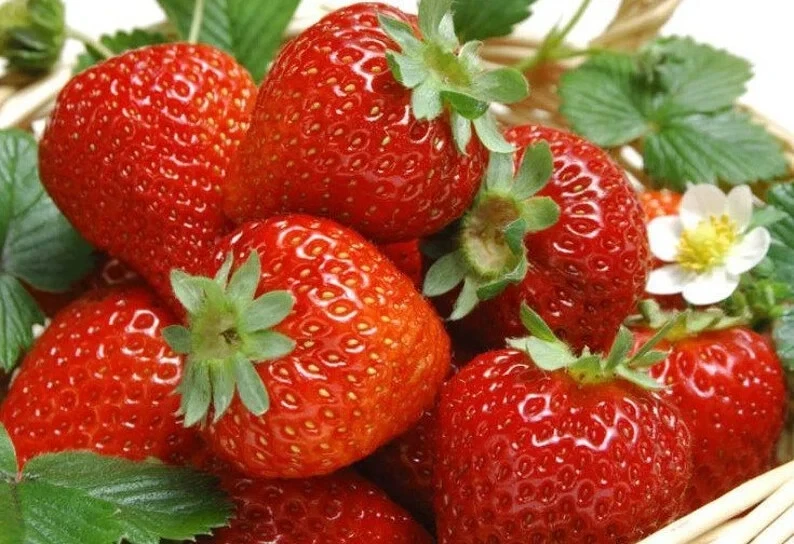
- Superior Flavor and Texture: ‘San Andreas’ strawberries are praised for their sweet, juicy flavor and firm texture, making them ideal for eating fresh, baking, or preserving. Experience the superior taste that store-bought berries often lack.
- Versatile Planting Options: These starter plants are perfect for traditional garden beds, raised beds, hanging baskets, and containers, making them suitable for various garden sizes and styles. You can easily grow strawberries in containers on your patio or balcony.
- High Yielding: Despite their compact size, ‘San Andreas’ plants are highly productive, offering a generous amount of fruit throughout their growing season. Maximize your garden’s output with these prolific producers.
- Relatively Easy to Grow: With proper care, these strawberry plants are straightforward to cultivate, making them a great choice for gardeners of all skill levels. Learn everbearing strawberry care with ease and enjoy the fruits of your labor.
- Healthy and Nutritious: Freshly picked strawberries are packed with vitamins, antioxidants, and fiber. Growing your own ensures you have access to chemical-free, nutrient-rich fruit.
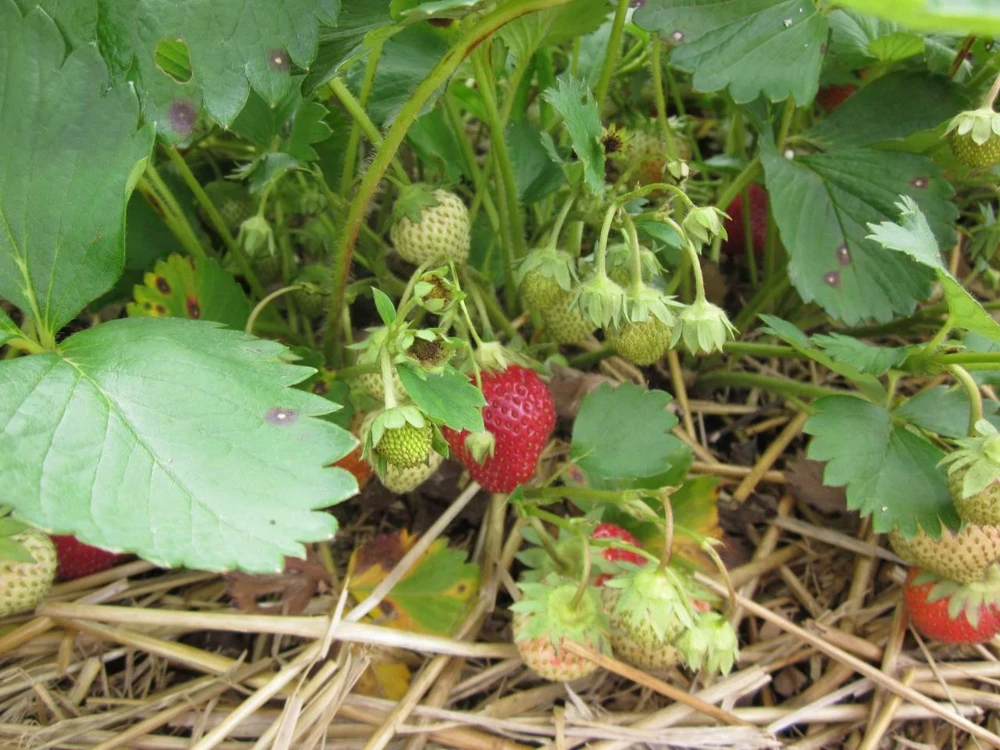
- Beautiful Edible Landscape: Beyond their fruit, strawberry plants add attractive foliage and delicate white flowers to your garden space, enhancing its aesthetic appeal.
Plant Care & Growing Tips
Ensuring your San Andreas Everbearing Strawberry Plants thrive requires attention to a few key growing conditions. With the right environment and consistent care, you’ll be enjoying delicious berries in no time. These plants prefer a sunny location and well-draining soil to perform their best.
Choose a site that receives at least 6-8 hours of direct sunlight per day. Strawberries are heavy feeders, so amend your soil with plenty of organic matter, such as compost, before planting to improve fertility and drainage. A slightly acidic to neutral pH (5.5-6.5) is ideal. When planting the starter plants, ensure the crown (where the leaves emerge) is at soil level, neither too deep nor too shallow. Space plants about 12-18 inches apart to allow for proper air circulation and growth. For successful everbearing strawberry care, consistent moisture is crucial. Water regularly, especially during fruiting periods, ensuring the soil remains evenly moist but not waterlogged. Avoid overhead watering to minimize fungal diseases.
Fertilize your strawberry plants in early spring and again in mid-summer with a balanced, slow-release fertilizer or one specifically formulated for fruiting plants. Remove runners (new plantlets) as they appear, especially during the first year, to encourage the mother plant to put its energy into fruit production rather than vegetative growth. This practice is key to maximizing your harvest and is an important aspect of how to plant strawberries for optimal yield. Protect your plants from pests and diseases by monitoring regularly and addressing issues promptly with organic solutions when possible. In colder climates (below USDA Zone 4), provide winter protection with a layer of straw or mulch after the first hard frost to ensure the plants survive to produce again next season.
Size & Details
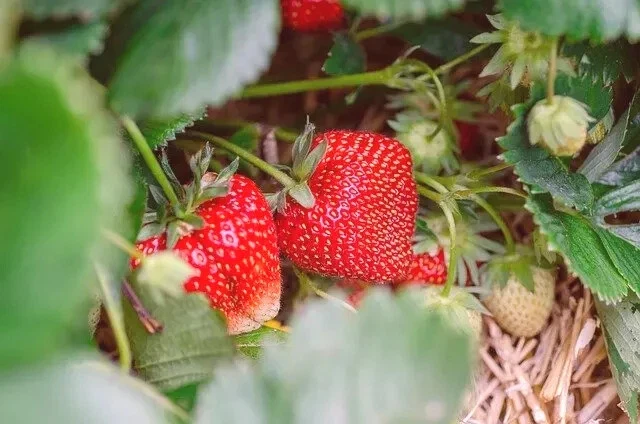
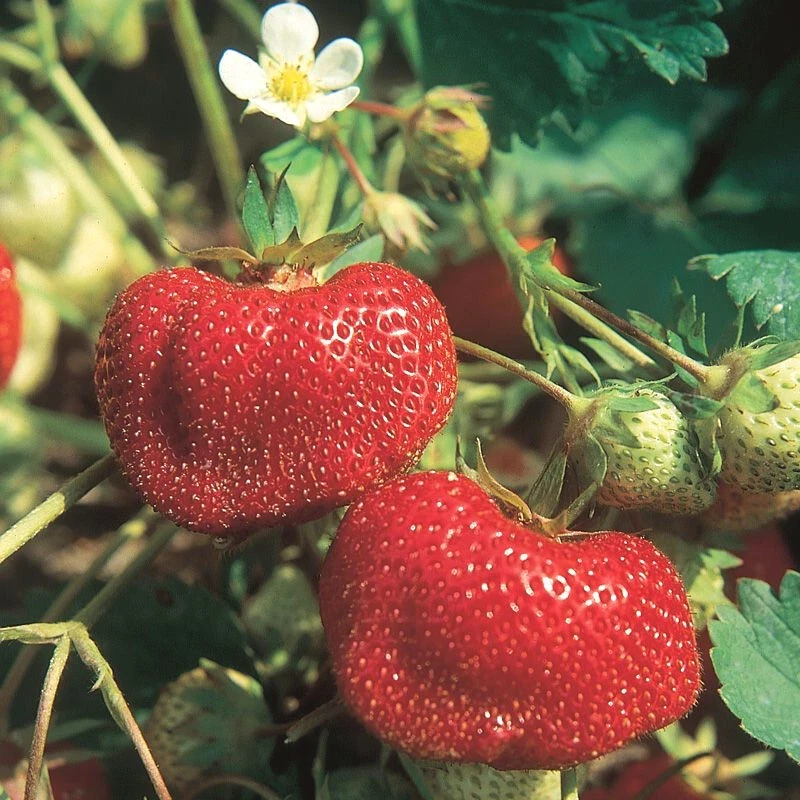
This offering includes a set of six (6) San Andreas Everbearing Strawberry Plants. Each plant is a live starter, typically shipped bare-root or in a small pot, ready for immediate transplanting upon arrival. The plants are carefully packaged to ensure they reach you in optimal health, ready to establish quickly in your garden. Upon maturity, each ‘San Andreas’ plant can spread approximately 12-18 inches wide and reach a height of 8-12 inches, creating a compact yet productive patch. These berries are known for their conical shape and bright red color, growing to a medium to large size, perfect for snacking or culinary use. Expect fruit production to begin within the first year of planting, with peak yields in subsequent years. The everbearing nature means you’ll have multiple flushes of berries throughout the growing season.
Frequently Asked Questions
- Q: How big do these San Andreas strawberry plants get? A: Each San Andreas Everbearing Strawberry Plant typically grows to about 8-12 inches tall and spreads 12-18 inches wide. They maintain a relatively compact size, making them suitable for various garden settings, including containers.
- Q: Is this an indoor or outdoor plant? A: These are primarily outdoor plants, thriving in full sun in garden beds, raised beds, or patio containers. While they can be overwintered indoors in cold climates, they are best suited for outdoor growing during the fruiting season.
- Q: How much sunlight does an everbearing strawberry plant need? A: Everbearing strawberry care requires at least 6-8 hours of direct sunlight per day for optimal fruit production. More sun generally leads to sweeter, more abundant berries.
- Q: Is this plant easy to care for? Is it good for beginners? A: Yes, ‘San Andreas’ strawberries are considered relatively easy to care for and are an excellent choice for beginner gardeners. Consistent watering and proper soil management are the main keys to success.
- Q: What condition will the plants arrive in? A: Your san andreas strawberry plants will arrive as healthy live starter plants, typically bare-root or in small nursery pots, carefully packaged to ensure their safe journey and readiness for planting.
- Q: How long until these strawberry plants start producing fruit? A: You can expect to see fruit production within the first growing season after planting, usually starting in late spring and continuing through fall. The yield will increase in subsequent years.
- Q: Can I use these strawberries for canning or freezing? A: Absolutely! The ‘San Andreas’ variety produces firm berries that hold up well to canning, freezing, and making jams or preserves. This is one of the best strawberry varieties for versatile culinary uses.
- Q: What is the best time of year to plant these strawberries? A: The ideal time to plant these strawberry starters is in early spring after the danger of hard frost has passed. This allows them ample time to establish before their main fruiting season.
- Q: How do I protect these plants over winter? A: In regions with cold winters, cover your strawberry plants with a layer of straw or pine needles after the first hard frost. Remove the mulch in early spring as new growth begins. This is part of how to plant strawberries for perennial growth.
- Q: Are these plants disease-resistant? A: ‘San Andreas’ is known for good disease resistance, particularly to powdery mildew and verticillium wilt, which contributes to its reliability and ease of everbearing strawberry care.
Be the first to review “San Andreas Everbearing Strawberry Plants – Set of 6 Live Starter Plants”
People Also Viewed


Reviews
There are no reviews yet.