
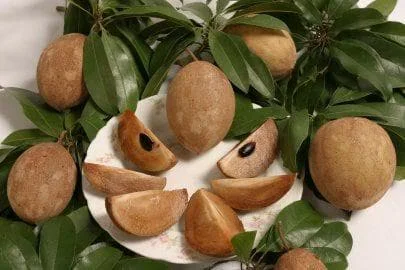
Sapodilla Live Plant – 2-3 ft Tall – Fruit Tree – 3 Gallon Pot
$200.00
Bring the tropics home with a sapodilla live plant, also known as Manilkara zapota tree. This delicious tropical fruit tree is shipped at 2-3 feet tall in a 3-gallon pot, ready for planting. Enjoy its exquisite, brown sugar-pear flavored fruit.
Estimated arrival
Sep 14
Sep 19 - Sep 21
Sep 24 - Sep 28
Shop With Confidence
30-Day Plant Health Guarantee
Arrives damaged? We’ll replace it free — see our return policy.
Responsive Support
Email us anytime, we reply within 1 business day.
Expert Packaging
Temperature-controlled shipping to protect your plants in transit.
Secure Checkout
Pay safely with Visa, Mastercard, PayPal.
Plant Specifications
-
USDA Hardiness Zone
USDA zones 9-11 (or warmer) -
Soil Type
Well-draining, rich loamy soil -
Sunlight Exposure
Full sun -
Expected Planting Period
Spring to early summer (year-round in tropical climates)
Overview
Discover the delightful taste of the tropics with your very own sapodilla live plant. This captivating fruit tree, known botanically as Manilkara zapota, brings an exotic flair to any garden or suitable indoor environment. Originating from Tropical America, the sapodilla is celebrated for its incredibly sweet and unique fruit, often described as tasting like a pear soaked in brown sugar. Our sapodilla live plant is carefully cultivated to ensure a healthy start, arriving at your doorstep approximately 2 to 3 feet tall and thriving in a 3-gallon pot. This robust specimen is ready to be planted and begin its journey towards producing its highly sought-after, delicious fruit. Ideal for enthusiasts of tropical gardening or anyone looking to add a distinctive and productive fruit tree to their collection, the sapodilla is a true gem.
The Manilkara zapota tree is not just about its fruit; it’s also a beautiful addition to your landscape. With an average mature height and width of 20 feet, it provides ample shade and a lush, green canopy. Even young trees begin to bear fruit within one to two years, making it a rewarding choice for patient gardeners. Whether you’re an experienced horticulturist or a budding green thumb, growing a sapodilla live plant offers a unique and satisfying experience, culminating in the harvest of its succulent, sweet fruit.
Key Benefits
Cultivating a sapodilla live plant offers a multitude of benefits, from its delicious fruit to its aesthetic appeal and ease of care. This tropical wonder is a must-have for anyone seeking to enhance their garden or patio with a touch of the exotic.
- Exquisite Fruit Production: The primary draw of the sapodilla live plant is its delicious fruit. Each fruit offers a unique flavor profile, often compared to a pear infused with brown sugar, providing a gourmet experience right from your backyard.
- Early Bearing: Unlike many fruit trees, sapodilla trees begin to bear fruit relatively quickly, often within one to two years of age, offering a quicker path to enjoying your harvest.
- Versatile Culinary Use: Sapodilla fruit is incredibly versatile. While most commonly enjoyed fresh, it also makes an excellent addition to milkshakes, smoothies, and various cooked dishes, adding a natural sweetness and creamy texture.
- Attractive Ornamental Tree: Beyond its fruit, the Manilkara zapota tree is an aesthetically pleasing plant with a dense canopy and attractive foliage, making it a beautiful landscape specimen that provides shade and visual interest.
- Resilience to Damage: With a damage temperature tolerance of 28°F, the sapodilla is relatively hardy for a tropical fruit tree, allowing it to thrive in a broader range of warm climates.
- Low Maintenance: Once established, the sapodilla fruit tree is known for being relatively low maintenance, requiring standard care for tropical fruit trees, making it suitable for gardeners of varying experience levels.
- Long Fruiting Season: Enjoy a prolonged harvest season extending from December to October, providing a consistent supply of fresh fruit for most of the year.
Plant Care & Growing Tips
Caring for your sapodilla live plant is straightforward, ensuring a bountiful harvest of its delicious fruit. These tropical trees thrive in specific conditions that mimic their native environment. For optimal growth and fruit production, understanding their needs for sunlight, water, soil, and temperature is crucial. The Manilkara zapota tree prefers a location that receives full sun, meaning at least 6-8 hours of direct sunlight per day. While it can tolerate some partial shade, abundant sunlight is key for developing sweet, plentiful fruit. If growing in a cooler climate, consider planting it in a location that receives maximum sun exposure or in a container that can be moved indoors during colder months.
Watering is critical, especially for young plants. Keep the soil consistently moist but never waterlogged. Once established, sapodillas are moderately drought-tolerant but will produce better fruit with regular watering, particularly during dry spells and when the tree is fruiting. Well-draining soil is paramount to prevent root rot. A rich, loamy soil with good organic matter content is ideal. Fertilize your sapodilla live plant with a balanced fertilizer formulated for fruit trees, following the product’s instructions, typically during the growing season in spring and summer. Protect your tree from temperatures below 28°F, as prolonged exposure to freezing temperatures can cause damage. In colder regions, consider growing it in a large pot that can be brought indoors during winter or providing frost protection.
Pruning is generally minimal, focused on shaping the tree and removing dead or diseased branches. The sapodilla fruit tree is relatively resistant to pests and diseases, but regular inspection can help catch any issues early. With proper care, your tropical fruit plant will flourish, providing delicious fruit for years to come. Remember to monitor your plant for any signs of stress and adjust its care routine accordingly to ensure its continued health and productivity.
Size & Details
This offering includes one healthy sapodilla live plant, carefully selected and prepared for shipment. Each plant stands approximately 2 to 3 feet tall from the base of the pot, providing a substantial specimen ready for immediate planting. It is shipped securely in a 3-gallon nursery pot, ensuring the root system is well-established and protected during transit. The Manilkara zapota tree is known for its moderate growth rate, and with proper care, it can reach an average mature height and width of 20 feet in ideal tropical conditions. Varieties can vary in fruit size and tree size, but all types typically begin to bear fruit within one to two years of planting, offering a relatively quick return on your gardening investment. This tropical fruit plant is a perfect choice for those looking to cultivate their own exotic produce.
Frequently Asked Questions
- Q: How big does this sapodilla live plant get? A: This sapodilla live plant is currently 2 to 3 feet tall and ships in a 3-gallon pot. Mature trees can reach an average height and width of 20 feet under optimal growing conditions, providing a substantial shade tree.
- Q: Is this an indoor or outdoor plant? A: The sapodilla live plant is primarily an outdoor tropical fruit tree. However, in regions with cold winters (below 28°F), it can be grown in a large container and moved indoors to a sunny location during the colder months to protect it from frost.
- Q: How much sunlight does a sapodilla need? A: Sapodilla trees thrive in full sun, requiring at least 6-8 hours of direct sunlight daily for the best growth and fruit production. Plenty of light is essential for developing sweet fruit.
- Q: Is this plant easy to care for? A: Yes, once established, the sapodilla fruit tree is considered relatively low-maintenance. It requires consistent watering when young, well-draining soil, and protection from freezing temperatures.
- Q: What condition will the sapodilla live plant arrive in? A: Your sapodilla live plant will arrive securely packaged in its 3-gallon nursery pot, with its root system intact and soil moist, ready for planting. We take great care to ensure healthy arrival.
- Q: When is the best time to plant a sapodilla? A: The best time to plant a sapodilla live plant is typically in spring or early summer, allowing it ample time to establish itself before cooler weather. In tropical climates, it can be planted year-round.
- Q: What is the minimum temperature a sapodilla can tolerate? A: The Manilkara zapota tree can tolerate temperatures down to 28°F without significant damage. Prolonged exposure below this temperature can harm the plant, especially younger specimens.
- Q: How long until my sapodilla starts producing fruit? A: All varieties of sapodilla live plant typically begin to bear fruit within one to two years of planting, making it a relatively quick-to-fruit tropical tree.
- Q: Can I use the sapodilla fruit in cooking? A: Absolutely! While delicious fresh, sapodilla fruit is also excellent in milkshakes, smoothies, and various cooked dishes, adding a unique sweetness and texture.
- Q: What kind of soil does a sapodilla prefer? A: A sapodilla fruit tree prefers rich, well-draining soil with good organic matter content. Avoid heavy clay soils that retain too much moisture, as this can lead to root issues.
Be the first to review “Sapodilla Live Plant – 2-3 ft Tall – Fruit Tree – 3 Gallon Pot”
People Also Viewed
Reviews
There are no reviews yet.