
Prickly Pear Opuntia Cactus Live Pads – 2 Edible Drought Tolerant Succulents
Original price was: $29.00.$19.99Current price is: $19.99.
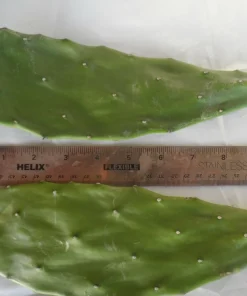
Cultivate your own desert garden with these prickly pear opuntia cactus live pads. You’ll receive 2 easy-to-grow, edible cactus pads, perfect for arid landscapes or as unique potted specimens. These drought tolerant succulents are low maintenance and thrive in full sun, bringing a touch of the southwest to your home.
Estimated arrival
Oct 14
Oct 19 - Oct 21
Oct 24 - Oct 28
Shop With Confidence
30-Day Plant Health Guarantee
Arrives damaged? We’ll replace it free — see our return policy.
Responsive Support
Email us anytime, we reply within 1 business day.
Expert Packaging
Temperature-controlled shipping to protect your plants in transit.
Secure Checkout
Pay safely with Visa, Mastercard, PayPal.
Plant Specifications
-
USDA Hardiness Zone
5 (-20 to -10 °F) -
Soil Type
Sand, well-draining soil -
Sunlight Exposure
Full Sun -
Expected Planting Period
Spring to Summer
Overview
Experience the unique beauty and culinary versatility of the prickly pear opuntia cactus. This offering includes 2 live pads, ready to be planted and grown into a mature, vibrant plant. Known for its distinctive paddle-shaped stems and potential for delicious, edible fruit, the Opuntia cactus is a fascinating addition to any garden or collection. These pads are derived from a robust and resilient variety, ensuring a strong start for your new plant. Whether you’re an experienced gardener or just beginning your succulent journey, growing prickly pear opuntia cactus is a rewarding experience, offering both ornamental appeal and a source of fresh, nutritious pads and fruit. The Opuntia genus is celebrated for its adaptability and striking appearance, making it a popular choice for xeriscaping and desert-themed landscapes.
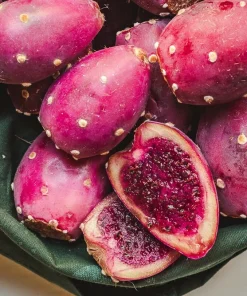
The Opuntia cactus, often referred to simply as Prickly Pear, is native to the Americas and is well-adapted to various climates, particularly those with dry conditions. Our 2 live pads provide an excellent opportunity to establish this iconic plant in your own space. These are not just decorative plants; their pads (nopal) and fruits (tunas) are a staple in many cuisines and offer a range of health benefits. Enjoy the satisfaction of harvesting your own edible cactus pads, knowing you’ve grown them from these healthy cuttings. This plant’s resilience and low water requirements make it an environmentally friendly choice for sustainable gardening.
Key Benefits
Integrating prickly pear opuntia cactus into your botanical collection offers numerous advantages, from its striking appearance to its practical uses. These plants are incredibly hardy and provide a unique aesthetic that complements various garden styles, especially those with a desert or Mediterranean theme. The ability to harvest edible cactus pads directly from your garden is a significant benefit, providing fresh, healthy ingredients for your culinary adventures. The low-maintenance nature of these plants also means less time spent on care and more time enjoying their beauty.
- Drought Tolerance: These drought tolerant succulents require minimal watering once established, making them ideal for water-wise gardening and arid climates. They store water efficiently in their pads, allowing them to withstand long periods without rain.
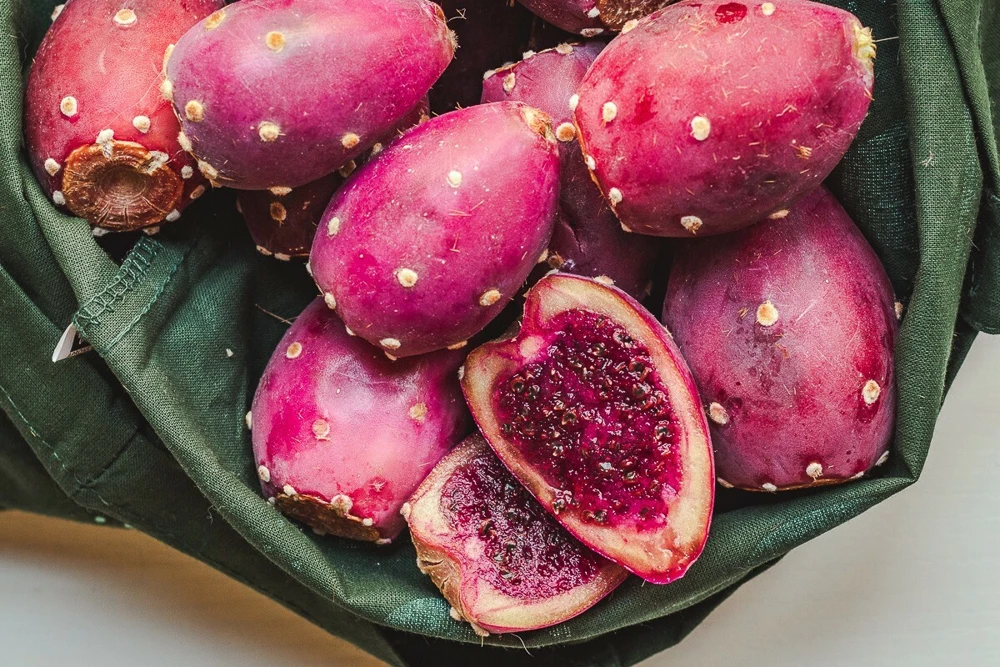
- Edible Pads & Fruit: The young pads (nopales) and the sweet fruits (tunas) of the prickly pear opuntia cactus are edible and packed with nutrients. They can be used in salads, stir-fries, juices, and jams, offering a unique flavor profile.
- Low Maintenance: Once planted, these cacti are remarkably easy to care for, thriving on neglect rather than constant attention. They are perfect for busy gardeners or those new to succulent cultivation, requiring minimal fuss.
- Unique Ornamental Value: The distinct paddle-shaped pads and vibrant flowers, followed by colorful fruits, provide year-round visual interest. They add an exotic and architectural element to rock gardens, containers, or xeriscapes.
- Air Purification: Like many plants, the Opuntia cactus contributes to improved air quality by absorbing carbon dioxide and releasing oxygen, especially beneficial when grown indoors or on patios.
- Versatile Planting: Suitable for both outdoor landscapes in appropriate climates and indoor cultivation in pots, these pads can adapt to various growing environments. They can be grown in USDA Hardiness Zones 5-10.
- Erosion Control: In larger plantings, the robust root systems of Opuntia can help stabilize soil and prevent erosion on slopes or in sandy areas.
Plant Care & Growing Tips
Caring for your prickly pear opuntia cactus pads is straightforward, making them excellent choices for gardeners looking for resilient and rewarding plants. Upon arrival, allow the pads to callus for a few days if they haven’t already. Plant the callused end about 1-2 inches deep in a well-draining soil mix. A mixture specifically formulated for cacti and succulents, typically sandy or gritty, works best to prevent root rot. Ensure the pot or planting area has excellent drainage. Initially, water sparingly, allowing the soil to dry out completely between waterings. Once established, these drought tolerant succulents are very self-sufficient. For optimal growth and fruit production, understanding the specific needs of opuntia plant care is crucial.
Sunlight is paramount for the health of your prickly pear opuntia cactus. They thrive in full sun, requiring at least 6-8 hours of direct sunlight per day. If growing indoors, place them near a south-facing window or under powerful grow lights. The USDA Hardiness Zone for Opuntia varies by species, but many common varieties, including this one, are hardy in zones 5 (-20 to -10 °F) and warmer. Protect them from frost in colder zones, either by bringing potted plants indoors or providing winter protection for outdoor specimens. Fertilize lightly during the growing season (spring and summer) with a balanced, low-nitrogen fertilizer formulated for cacti. Avoid over-fertilizing, which can lead to leggy growth. Watch for common pests like mealybugs or scale, treating them with insecticidal soap or neem oil as needed. Proper opuntia plant care ensures a healthy, productive plant.
Size & Details
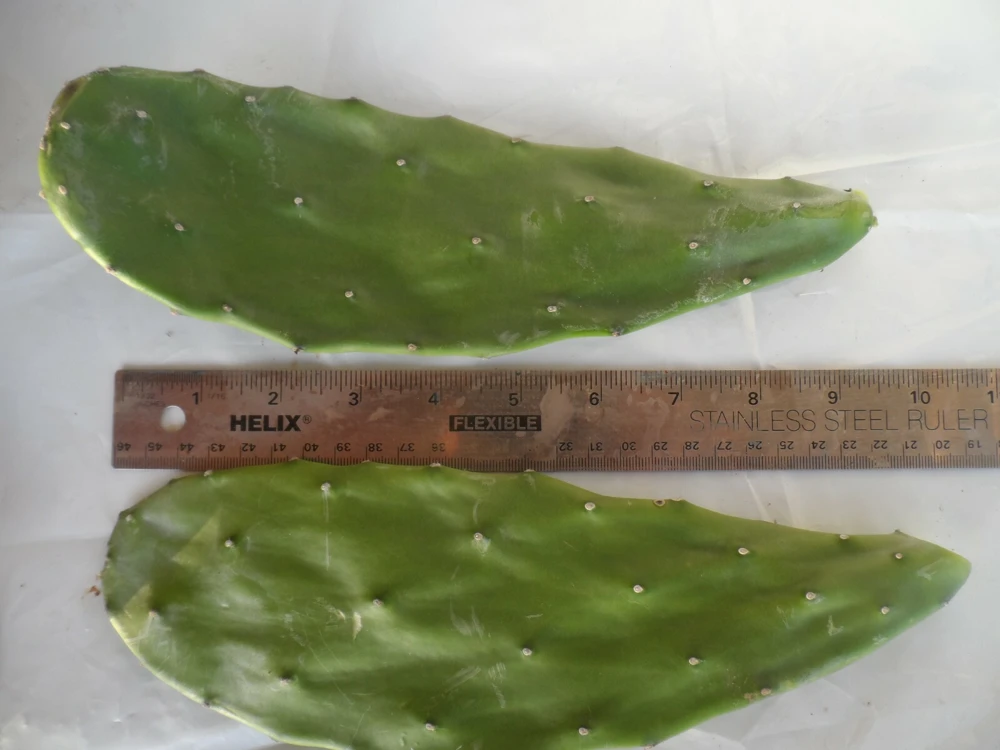
This offering includes 2 live edible cactus pads, ready for planting. Each pad typically measures between 4 to 8 inches in length, providing a substantial cutting to start your new plant. When mature, a single prickly pear opuntia cactus plant can grow into a large, multi-stemmed specimen, reaching heights of 3 to 6 feet and spreading equally wide, depending on the variety and growing conditions. They have a moderate to fast growth rate under ideal conditions. These pads are shipped as unrooted cuttings, which is the standard and most effective method for propagating Opuntia. The plant form is a cutting/leaf, representing a segment of the mature plant ready for rooting. The pads are robust and designed to root easily once planted in appropriate sandy soil.
Frequently Asked Questions
- Q: How big does this plant get? A: A mature prickly pear opuntia cactus can typically grow between 3 to 6 feet tall and wide, forming a substantial bush-like structure. The size can vary based on growing conditions, climate, and specific variety.
- Q: What size pot does it come in? A: This product consists of 2 live pads, which are unrooted cuttings, not potted plants. You will need to provide a suitable pot and cactus/succulent soil for planting.
- Q: Is this an indoor or outdoor plant? A: The prickly pear opuntia cactus can thrive both indoors and outdoors. Outdoors, it prefers full sun and is hardy in USDA Zones 5-10. Indoors, it requires a very bright location, such as a south-facing window.
- Q: How much sunlight does it need? A: Opuntia cacti require abundant sunlight. For best results, provide at least 6-8 hours of direct sun daily. Less light can lead to etiolated (stretched) growth.
- Q: Is this plant easy to care for? A: Yes, these are considered very easy-care plants, especially once established. They are very forgiving of neglect and are perfect for beginners interested in growing prickly pear.
- Q: What condition will it arrive in? A: You will receive 2 healthy, unrooted pads. These pads are carefully selected and prepared for shipping to ensure they arrive in good condition, ready for planting.
- Q: Is it shipped in soil? A: No, the pads are shipped without soil. They are unrooted cuttings, which is the traditional and most successful method for propagating this type of cactus.
- Q: Can I use edible cactus pads in cooking? A: Absolutely! The young pads, known as nopales, are a popular ingredient in many cuisines. They can be peeled, diced, and used in salads, tacos, stir-fries, and more.
- Q: Is it good for beginners? A: Yes, growing prickly pear from pads is an excellent project for beginners due to its high success rate and the plant’s minimal care requirements once rooted.
- Q: When is the best time to plant? A: The best time to plant Opuntia pads is in spring or early summer, when temperatures are consistently warm, which encourages faster rooting and growth.
- Q: Will it survive winter in my zone? A: The specific hardiness depends on the Opuntia variety, but many are hardy down to USDA Zone 5 (-20 to -10 °F). If you are in a colder zone, consider growing it in a pot that can be moved indoors during winter.
- Q: What’s the minimum temperature it can tolerate? A: This variety is generally hardy to USDA Zone 5, meaning it can tolerate temperatures as low as -10 to -20 °F if established in the ground and properly acclimated. Potted plants may require more protection.
Be the first to review “Prickly Pear Opuntia Cactus Live Pads – 2 Edible Drought Tolerant Succulents”
People Also Viewed
Reviews
There are no reviews yet.