
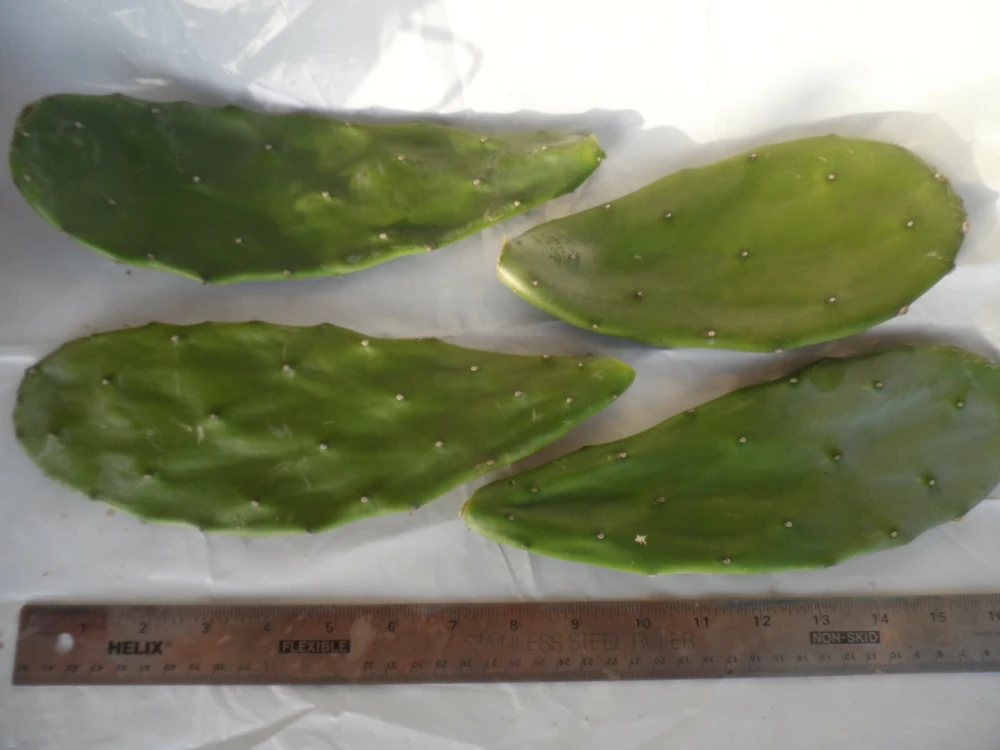
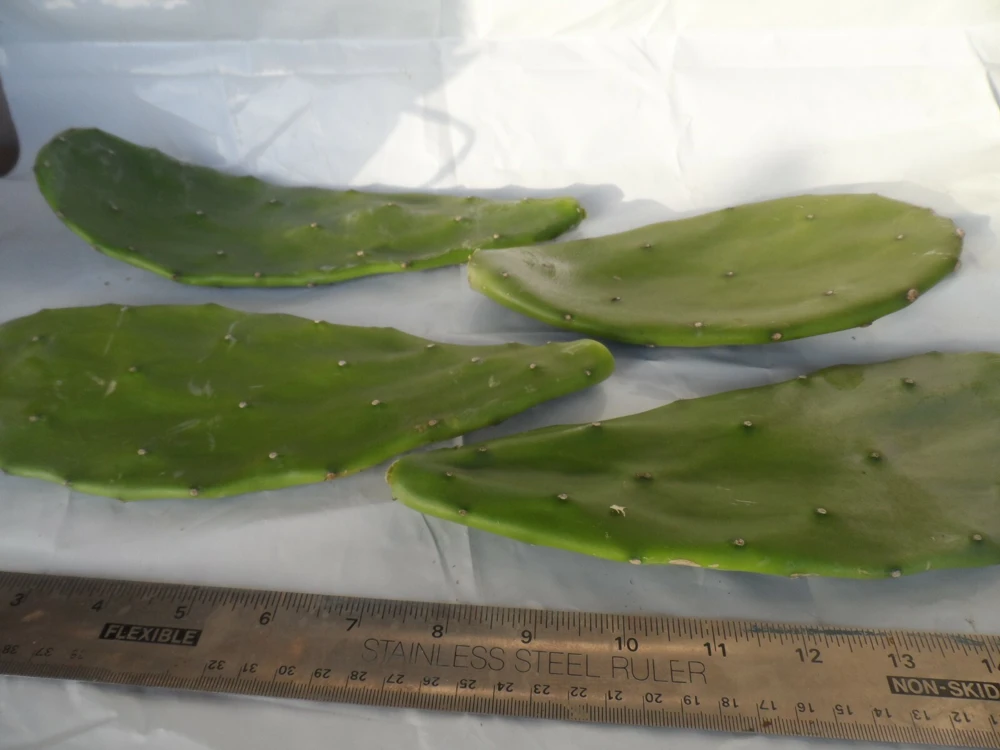
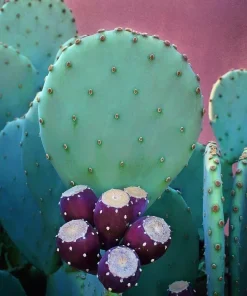
4 Prickly Pear Cactus Pads – Edible Opuntia Succulent Live Plant for Indoor & Outdoor
Original price was: $36.00.$27.99Current price is: $27.99.
Cultivate your own vibrant prickly pear cactus pads! This offer includes 4 live Opuntia pads, perfect for starting your own drought-tolerant succulent garden. Enjoy their unique beauty and potential for edible fruit.
- Easy to grow for beginners and experts
- Versatile for indoor and outdoor environments
- Low maintenance and water-wise
Estimated arrival
Oct 13
Oct 18 - Oct 20
Oct 23 - Oct 27
Shop With Confidence
30-Day Plant Health Guarantee
Arrives damaged? We’ll replace it free — see our return policy.
Responsive Support
Email us anytime, we reply within 1 business day.
Expert Packaging
Temperature-controlled shipping to protect your plants in transit.
Secure Checkout
Pay safely with Visa, Mastercard, PayPal.
Plant Specifications
-
USDA Hardiness Zone
5 (-20 to -10 °F) -
Soil Type
Sand -
Sunlight Exposure
Full Sun -
Expected Planting Period
Spring to early summer
Overview
Embark on a unique gardening journey with these versatile prickly pear cactus pads. This offering includes four healthy Opuntia pads, ready to be planted and cultivated into robust, beautiful cacti. Known for their distinctive flattened stems and edible qualities, prickly pear cactus plants, scientifically known as Opuntia, are a fantastic addition to any garden, whether you’re aiming for a desert landscape, a unique patio planter, or an intriguing indoor specimen. These drought-tolerant succulents are celebrated for their resilience and ease of care, making them an excellent choice for both novice and experienced gardeners. Originating from the Americas, Opuntia species are highly adaptable and can thrive in various climates, providing both ornamental appeal and a potential source of nutritious fruits and pads.
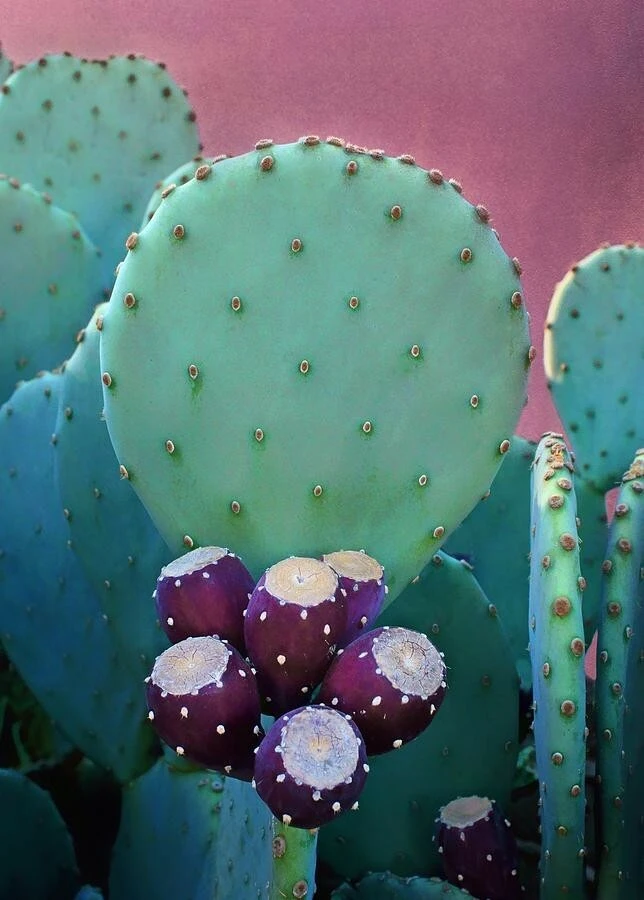
The prickly pear cactus is valued not only for its striking appearance but also for its practical uses. The pads, known as nopales, are a staple in many cuisines, while the fruits, or tunas, offer a sweet and tangy flavor. By choosing to grow prickly pear cactus from these pads, you are investing in a sustainable and rewarding plant that offers beauty, food, and ecological benefits. These live plant pads are carefully selected to ensure vigorous growth and successful establishment in your home or garden.
Key Benefits
Adding prickly pear cactus pads to your plant collection offers a multitude of advantages, blending aesthetic appeal with practical benefits. These plants are truly exceptional in their versatility and hardiness.
- Drought Tolerance: The drought tolerant succulent nature of Opuntia means it requires minimal watering once established, making it an ideal choice for water-wise gardening and busy individuals.
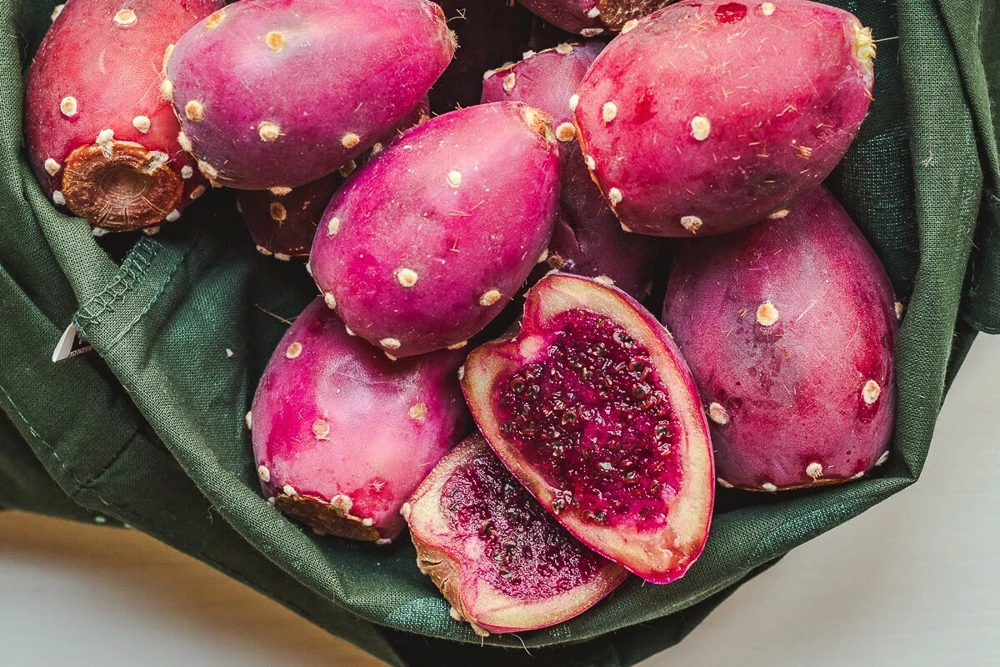
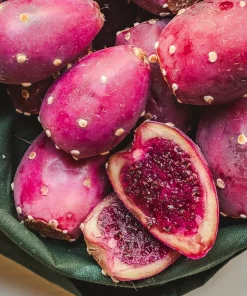
- Edible Qualities: Both the pads (nopales) and the fruits (tunas) of the prickly pear cactus are edible, offering culinary versatility. They can be used in salads, grilled, or made into juices and jams.
- Easy to Grow: Propagating and growing these opuntia pads is remarkably straightforward, requiring basic care and suitable growing conditions. They are perfect for beginners looking to expand their succulent collection.
- Unique Aesthetics: The distinctive flattened pads and potential for vibrant flowers and fruits add an exotic and architectural element to any indoor or outdoor space.
- Low Maintenance: Once established, prickly pear cactus plants are very low maintenance, thriving on neglect rather than constant attention. This saves time and effort for gardeners.
- Adaptable: These succulents can be grown in containers, rock gardens, or as part of a larger xeriscape, adapting well to various environments and design preferences.
- Ecological Value: Prickly pear provides food and habitat for various wildlife, including birds and insects, contributing to local biodiversity.
Plant Care & Growing Tips
To successfully grow prickly pear cactus from these pads, providing the right environment is key. Opuntia prefers full sun, meaning at least 6-8 hours of direct sunlight per day. If growing indoors, place them in a south-facing window or under a grow light to ensure they receive adequate light. Outdoors, choose a location that gets ample sun exposure throughout the day. These plants are incredibly resilient and thrive in warm, dry conditions, but adequate sunlight is crucial for their health and fruit production. Ensure good air circulation to prevent fungal issues.
Watering is minimal for this drought tolerant succulent. Allow the soil to dry out completely between waterings, especially during the cooler months. Overwatering is the most common cause of failure for cacti and succulents. During active growth in spring and summer, water deeply but infrequently. In fall and winter, significantly reduce watering, often to once a month or even less, depending on your climate. The ideal soil for prickly pear cactus pads is a well-draining sandy or gritty mix, specifically formulated for cacti and succulents. A neutral to slightly alkaline soil pH is preferred. Avoid heavy clay soils that retain too much moisture.
These opuntia pads are hardy in USDA Zones 5-11, indicating their tolerance for a wide range of temperatures. While they can withstand some cold, protection from prolonged freezing temperatures is beneficial, especially for younger plants. Fertilize sparingly; a balanced, low-nitrogen fertilizer diluted to half strength can be applied once or twice during the growing season (spring and summer). Repotting is generally only needed when the plant outgrows its container. When handling the pads, always use thick gloves or tongs to avoid the glochids (tiny, barbed spines). With proper care, your prickly pear cactus will flourish and potentially produce delicious fruits.
Size & Details
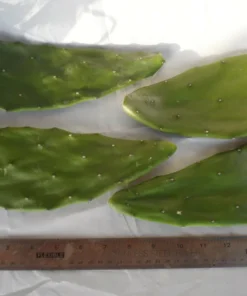
This offering includes 4 individual prickly pear cactus pads, ready for planting. Each pad is a live cutting, typically measuring between 4 to 8 inches in length, and sourced from mature, healthy Opuntia plants. These pads are unrooted and should be allowed to callus for a few days before planting to ensure successful rooting. The growth rate of the prickly pear cactus is moderate, and you can expect new growth within a few weeks to months after planting, depending on conditions. When mature, these plants can reach heights of 3 to 10 feet, forming substantial shrubs, though container growth will typically keep them smaller. They will ship as bare cuttings, carefully packaged to ensure their health upon arrival. Expect fruit production to begin once the plant is established and mature, usually within 1-3 years under optimal conditions.
Frequently Asked Questions
- Q: How big do these prickly pear cactus pads get? A: Each pad is a live cutting, typically 4 to 8 inches long. Once rooted and established, the plant can grow into a large shrub, ranging from 3 to 10 feet tall, though container growing will limit its size.
- Q: Is this an indoor or outdoor plant? A: The prickly pear cactus is highly versatile and can be grown both indoors and outdoors. Outdoors, it thrives in full sun in USDA Zones 5-11. Indoors, ensure it receives ample direct sunlight, preferably from a south-facing window.
- Q: How much sunlight does it need? A: This drought tolerant succulent requires at least 6-8 hours of direct sunlight daily to thrive and produce fruit. Insufficient light can lead to leggy growth and poor health.
- Q: Is this plant easy to care for? A: Yes, prickly pear cactus pads are considered very easy to care for, making them suitable for beginners. Their drought tolerance and low maintenance requirements make them an excellent choice for busy gardeners.
- Q: What condition will the opuntia pads arrive in? A: The opuntia pads will arrive as unrooted, live cuttings. They will be carefully packaged to ensure their health during transit. It is recommended to allow them to callus for a few days before planting.
- Q: Can I really eat these prickly pear cactus pads? A: Yes, the pads (nopales) and fruits (tunas) of the prickly pear cactus are edible. The pads are often used in culinary dishes after removing the spines, and the fruits are sweet and refreshing.
- Q: When is the best time to plant the prickly pear cactus pads? A: The best time to plant prickly pear cactus pads is during the warmer months, typically spring or early summer, when temperatures are consistently above freezing. This allows the pads to root successfully before colder weather arrives.
- Q: Will these prickly pear cactus pads survive winter in my zone? A: The prickly pear cactus is hardy in USDA Zones 5-11. If you are in a colder zone, it’s best to grow them in containers and bring them indoors or provide winter protection.
- Q: What type of soil is best for growing prickly pear cactus? A: A well-draining soil mix is crucial for these drought tolerant succulent plants. Use a specialized cactus and succulent potting mix, or create your own by amending regular potting soil with sand, perlite, or pumice.
- Q: How often should I water my newly planted prickly pear cactus? A: After planting your opuntia pads, water sparingly until roots have formed, usually a few weeks. Once established, allow the soil to dry completely between waterings, watering even less in winter.
Be the first to review “4 Prickly Pear Cactus Pads – Edible Opuntia Succulent Live Plant for Indoor & Outdoor”
People Also Viewed

Reviews
There are no reviews yet.